

Imagine stepping into a room that feels just right, where everything seems to flow effortlessly. Achieving that sense of balance in your space can transform your daily life. When you focus on balance in interior design, you enhance both comfort and functionality. Studies show that a well-balanced room can improve physical safety and emotional well-being, making it easier for you to navigate and enjoy your space. Let’s explore how you can make any room feel more balanced and inviting.
Key Takeaways
Achieve balance by using symmetrical arrangements for a formal feel and asymmetrical designs for dynamic interest.
Select a serene color palette to enhance mood; cool colors like blue and green promote calmness.
Arrange furniture thoughtfully to create flow; maintain proper spacing for easy movement and visual harmony.
Incorporate mirrors to reflect light and create an illusion of space, enhancing the room’s overall serenity.
Use well-chosen decor elements and accessories to elevate your space; focus on fewer pieces for a balanced look.
Design Balance
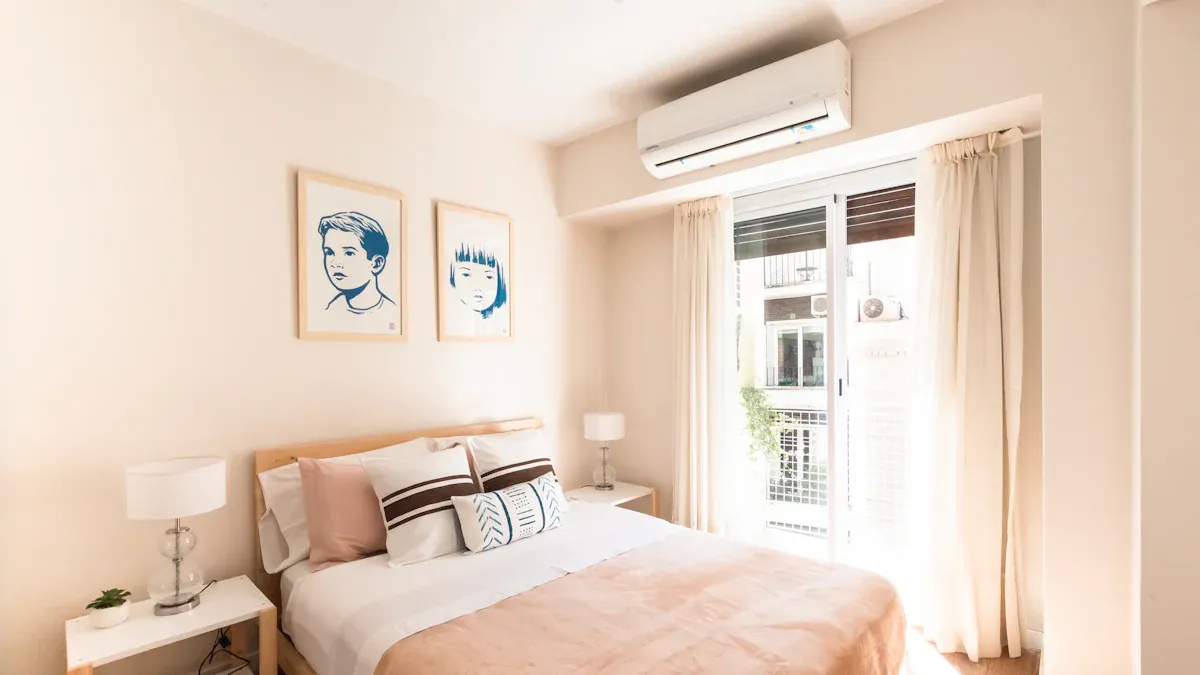
Creating a balanced room starts with understanding what balance means in interior design. Balance refers to the distribution of visual weight within a space. It’s crucial for establishing stability and order, which helps unify all the elements in your design. When you achieve balance, you create a space that feels comfortable and inviting.
There are three main types of balance: symmetrical, asymmetrical, and radial. Each type contributes differently to the overall aesthetic and functionality of a room.
Symmetrical Balance: This involves organized and structured styles. You use identical pieces or shapes to create a mirrored effect. This approach results in a formal and elegant atmosphere.
Asymmetrical Balance: This type features an uneven distribution of shapes, colors, or textures. It creates dynamic areas of interest and guides movement within the space.
Centerpieces for Focus
Centerpieces play a vital role in adding balance to your room. They draw the eye and create a focal point. When choosing a centerpiece, consider the scale and proportion of your table. A large table may require a grand arrangement, while a small table might only need a simple vase. Here are some tips to help you select the perfect centerpiece:
Ensure visibility by choosing centerpieces that do not obstruct sightlines. This allows conversations to flow easily.
Use height and balance to create visual interest. Varying the height of your centerpiece can add dimension and depth to the table.
Incorporate elements that reflect your style, whether it’s a bold floral arrangement or a collection of candles.
Using Mirrors
Mirrors are powerful tools in interior design. They can enhance perceived space and balance in a room. Research shows that mirrors create an illusion of depth, making a room feel larger and more open. This effect can significantly improve room serenity. Here’s how you can use mirrors effectively:
Place mirrors strategically to reflect natural light. This amplifies both ambient and directed illumination, brightening dark corners and reducing the need for artificial lighting.
Consider the placement of your mirror on the wall. A well-angled mirror can redirect light into darker areas, making them feel brighter and more inviting.
Use mirrors to add dimension to small rooms. They can create an airy feel by reflecting light and space, enhancing the overall ambiance.
By thoughtfully incorporating centerpieces and mirrors, you can make any room feel more balanced and harmonious. These elements not only enhance the visual appeal but also contribute to a sense of comfort and serenity.
Color Choices for Serenity
Colors play a significant role in how you feel in a room. They can evoke emotions, influence your mood, and even affect your overall sense of balance. For instance, warm colors like red and yellow can energize a space, while cool colors such as blue and green promote calmness and serenity. Research shows that a preference for blue interiors is linked to a calm mood, making it a popular choice for creating a tranquil environment.
Here’s a quick look at how different colors can impact your mood:
Color Type | Effect on Mood | Psychological Response |
|---|---|---|
Warm Colors | Energizing, Stimulating | Increases heart rate, blood pressure |
Cool Colors | Calming | Reduces stress, enhances focus |
When selecting a color palette for your room, consider these tips to achieve a harmonious and serene atmosphere:
Choose a Serene Color Palette: Opt for colors that create a sense of peace. A monochromatic palette, which uses variations of a single color, can provide a subtle and sophisticated look. Alternatively, an analogous palette, featuring colors next to each other on the color wheel, creates a cohesive and comfortable design.
Avoid Overwhelming Colors: While vibrant colors can be fun, they may not always contribute to room serenity. For example, red can be too stimulating for relaxation spaces. Instead, lean towards colors like blue and green, which represent tranquility and freshness.
Consider Lighting: Lighting can dramatically change how colors appear in your room. Natural light can enhance the warmth of colors, while artificial light may alter their perception. Always test colors in different lighting conditions before making a final decision.
Be Mindful of Color Combinations: Using too many colors can create visual chaos. Stick to a few complementary colors for a balanced look. Complementary colors, which are opposite each other on the color wheel, can add dynamic contrast without overwhelming the space.
Avoid Common Mistakes: Here are some pitfalls to watch out for:
Choosing colors in isolation without considering existing elements can lead to clashes.
Neglecting the impact of lighting on color perception can result in unexpected outcomes.
Using too many colors in a single space can disrupt harmony in the design.
By carefully selecting your colors, you can make any room feel more balanced and serene. Remember, the right color choices can enhance comfort and create a tranquil environment that invites relaxation.
Furniture Arrangement for Balance
Arranging furniture might seem simple, but it plays a crucial role in achieving balance in your room. Symmetry in furniture placement creates visual harmony and emotional comfort. When you arrange your furniture symmetrically, you promote balance by ensuring visual correspondence between objects. This arrangement enhances the aesthetic appeal of your space and makes it more inviting. Plus, your brain processes symmetrical arrangements more quickly, leading to greater appreciation and comfort.
To create flow and functionality in your room, consider these tips:
Principle | Description |
|---|---|
Balance and Symmetry | A cohesive look comes from symmetrical arrangements. They bring order, while asymmetrical pieces can distribute visual weight. |
Proportion and Scale | Choose appropriately sized furniture to avoid overwhelming or sparse appearances in the room. |
Focal Points | Arrange furniture around focal points to enhance design and draw attention to captivating features. |
Traffic Flow | Facilitate easy movement by avoiding large pieces in pathways. Ensure doors can open freely. |
Multi-functional Furniture | Use versatile pieces to save space and increase functionality, especially in small rooms. |
When arranging your furniture, keep in mind the recommended distances between pieces. Aim for a walkway space of 30 to 36 inches around your sectional for easy movement. If space is limited, ensure at least 18 to 24 inches between furniture. This helps maintain balance and accessibility.
Remember, the arrangement of large versus small furniture items affects the perception of balance. Oversized pieces can make a room feel cramped, while too-small items in a large room can create an empty atmosphere. Properly scaled furniture adds balance and contributes to room serenity.
By thoughtfully arranging your furniture, you can make any room feel more balanced and inviting.
Lighting for Room Serenity
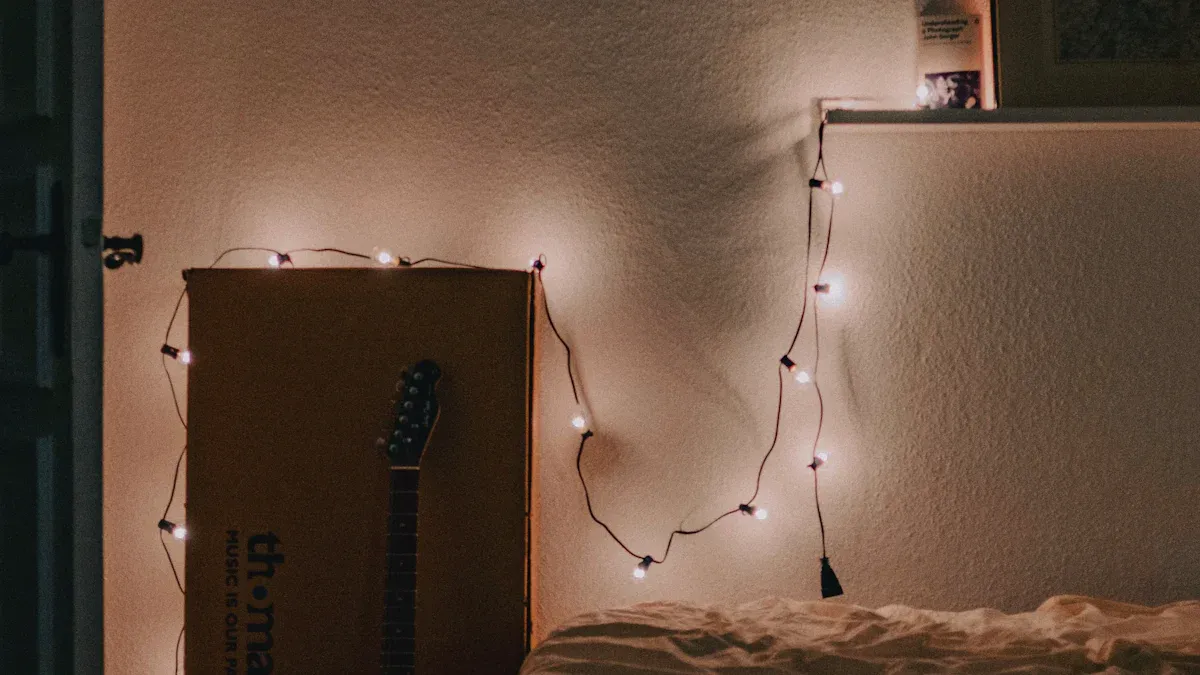
Lighting plays a crucial role in making any room feel balanced and serene. Natural light can significantly boost your mood and enhance the overall atmosphere. Research shows that natural lighting impacts happiness and sadness perceptions. For instance, a study found that natural light enhances mental and physical health, increasing serotonin levels. You can see the findings in the table below:
Study Title | Findings | Link |
|---|---|---|
The importance of natural light indoors | Natural light enhances mental and physical health, increases serotonin | Link |
To create a balanced environment, consider these tips for layering your lighting:
Ambient Lighting: This is your room’s general illumination. Use ceiling lights, chandeliers, or portable lamps to create a welcoming glow. Ambient lighting sets the overall tone and mood of your space.
Task Lighting: Focus on specific areas where you perform activities. Table lamps and adjustable sconces work well for reading or working. This type of lighting enhances productivity and ensures you have enough light for tasks.
Accent Lighting: Highlight features in your room, like artwork or architectural details. Recessed lighting and wall sconces can add depth and dimension, making your space feel more inviting.
Adjusting light intensity is also essential. In spaces where you need to promote alertness, like an office, brighter lighting works best. Incorporating dimmer switches allows you to control the light throughout the day, adapting to your needs.
By thoughtfully combining these lighting types, you can achieve a sense of calmness and serenity in your room. Remember, the right lighting not only enhances the aesthetic but also contributes to your overall well-being.
Decor Elements for Harmony
Decor elements can significantly enhance the balance in your room. Accessories, artwork, and natural elements all play a role in creating a harmonious atmosphere. When you choose the right decor, you can make any room feel more inviting and serene.
Accessories for Balance
Using accessories wisely can elevate your space. Here are some tips to consider:
Fewer, Well-Chosen Pieces: Focus on a few standout items. This approach allows each piece to shine without overwhelming the room.
Thoughtful Grouping: Arrange items in intentional vignettes. Grouping creates visual order and relationships among objects, enhancing balance.
Utilize Negative Space: Leave empty space around your decor. This technique helps elevate the importance of each piece and provides a visual rest for the eye.
Rotate Seasonal Decor: Changing decor regularly keeps your space fresh and intentional without adding clutter.
Design experts emphasize the importance of texture in a neutral palette. For instance, Breeze Giannasio suggests using materials like velvet and linen to create interest. John McClain advocates for layering materials, including greenery, to promote relaxation. Incorporating natural wood can add warmth and balance, especially in larger spaces.
Artwork for Serenity
Strategic placement of artwork can influence the perception of harmony in your space. Consider these characteristics for different areas:
Home Space | Recommended Art Characteristics | Intended Emotional Effect |
|---|---|---|
Living Room | Conversation-stimulating, vibrant pieces | Welcoming, social energy |
Bedroom | Calming, introspective artwork | Relaxation, restful mood |
Home Office | Motivational, creative art | Focus, inspiration |
Entryway | Welcoming, energetic art | Excitement, positive first impressions |
Meditation Zone | Serene, mono-toned, zen-inspired | Mindfulness, inner peace |
By choosing artwork that resonates with the intended mood of each space, you can enhance the overall balance and serenity of your room.
Natural Elements for Harmony
Incorporating natural elements, like plants, can also create a harmonious environment. Studies show that adding greenery improves mental well-being and reduces stress. For example, replacing abstract art with landscape paintings can lower stress levels and enhance tranquility.
By thoughtfully selecting decor elements, you can create a balanced and inviting atmosphere in your home. Remember, the right accessories and artwork can transform your space into a serene retreat.
Creating a balanced room is essential for both comfort and functionality. Here are some key takeaways to remember:
Symmetrical balance creates a formal atmosphere.
Asymmetrical balance adds interest and movement.
Radial balance draws attention to a central point.
When you achieve balance, your space feels inviting and organized. Don’t hesitate to experiment with colors, furniture arrangements, and decor elements. Try mixing shapes and textures to find what resonates with your style. Remember, your home should reflect you, so have fun with it!
