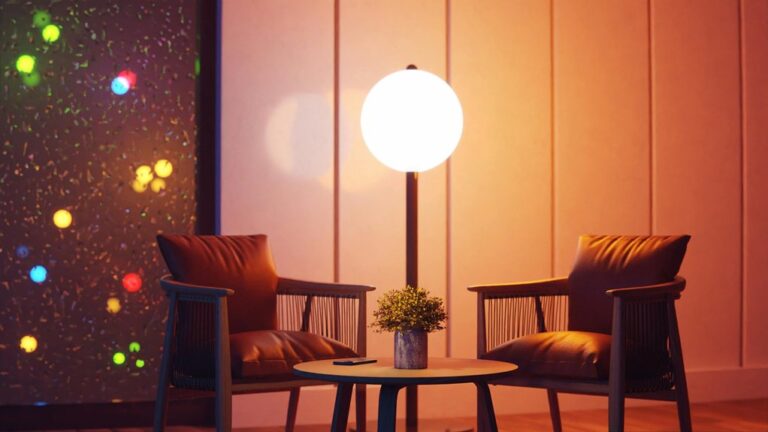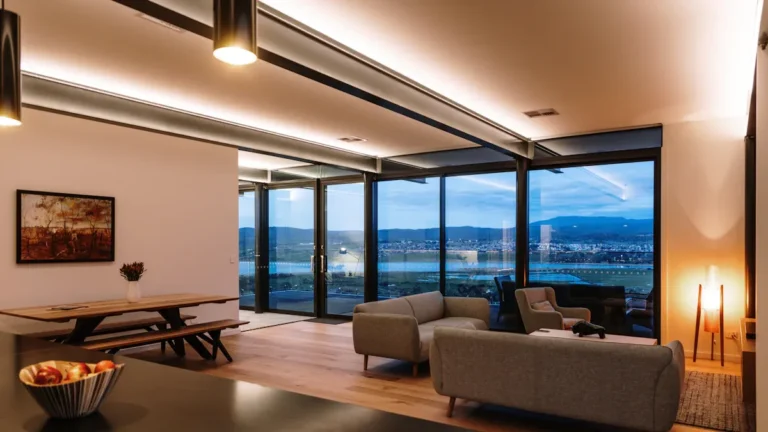

Lighting plays a crucial role in making your space feel warm and inviting. When you overlook certain lighting mistakes, your room can end up feeling flat and unwelcoming. In fact, 68% of employees express dissatisfaction with their office lighting, which shows how much ambiance matters. Recent studies reveal that the right lighting intensity and color temperature can greatly enhance comfort. You can transform your cozy spaces by making a few adjustments to your lighting setup.
Key Takeaways
Avoid relying solely on overhead lighting. Use a mix of ambient, task, and accent lighting to create depth and warmth in your room.
Maximize natural light by using light colors, mirrors, and sheer window treatments. This boosts mood and productivity.
Layer your lighting effectively. Combine different sources to enhance functionality and create a more inviting atmosphere.
Choose warm bulbs (2700K-3000K) to avoid harsh lighting. This creates a cozy and welcoming environment.
Install dimmers to adjust brightness and mood. Dimmers save energy and extend the lifespan of your bulbs.
Overhead Lighting Mistakes
The Flat Look of Recessed Lighting
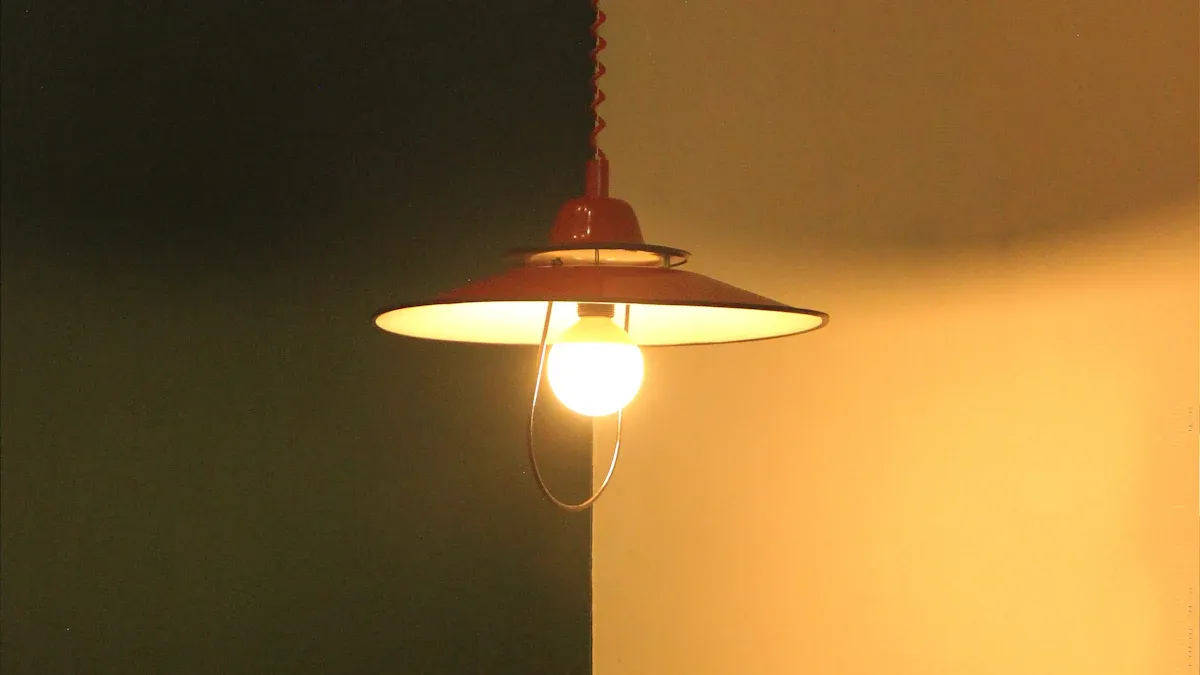
Many homeowners make the mistake of relying solely on overhead lighting, particularly recessed fixtures. While these lights can provide a uniform glow, they often create a flat look in your room. This happens because recessed lighting lacks the depth and visual interest that other types of lighting can offer. When you depend only on this type of lighting, your space can feel uninviting and even harsh.
Research shows that insufficient natural light in residential environments can lead to increased risks of depression and falls. Although we don’t have direct evidence on the psychological effects of using only overhead lighting, it’s clear that inadequate lighting—whether natural or artificial—can negatively impact your mood. If your room feels monotonous and exhausting, it might be time to rethink your lighting choices.
Here are some common mistakes that contribute to a flat appearance:
Relying solely on a single overhead fixture
Mixing different color temperatures of bulbs
Neglecting to layer lighting effectively
These mistakes can lead to uneven lighting, making colors appear off at different times of the day. The overall effect? A space that feels chaotic and uninviting.
Alternatives to Overhead Lighting
To create a more inviting atmosphere, consider incorporating various lighting ideas. Here are some effective alternatives to traditional overhead lighting:
Ambient Lighting: Replace harsh overhead fixtures with tall floor lamps that have upward-facing bulbs. This type of lighting bounces light off the ceiling, creating a warm and diffused glow.
Task Lighting: Use focused lighting for specific activities, like reading or working. Desk lamps or wall-mounted sconces can provide the right amount of light where you need it most.
Accent Lighting: Add decorative lights to highlight artwork or architectural features. This not only adds visual interest but also fills in dark spots that overhead lighting might miss.
By mixing ambient, task, and accent lighting, you can transform your room into a cozy haven. Remember to consider the color temperature of your bulbs as well. Warm tones work well in bedrooms, while cooler, brighter lights are ideal for kitchens and bathrooms.
Incorporating these lighting rules will help you avoid the pitfalls of overhead lighting and create a space that feels alive and welcoming.
Ignoring Natural Light
Benefits of Daylight
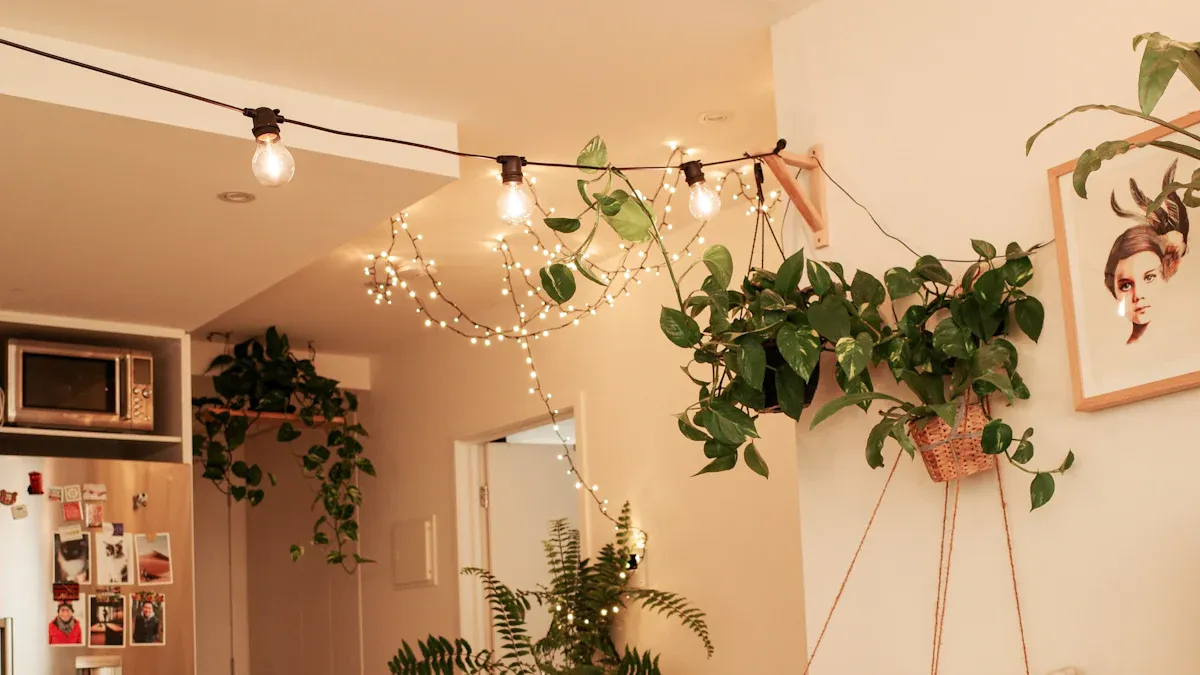
Natural light is a game-changer for any room. It not only brightens your space but also boosts your mood and productivity. Studies show that more than one-third of office workers feel down when they lack natural light. This lack of sunlight can lead to decreased productivity and even poor sleep quality. Here’s how daylight impacts you:
Mood Enhancement: Natural light increases serotonin production, which helps regulate your mood.
Productivity Boost: Half of the surveyed individuals reported that limited natural light negatively affected their work performance.
Better Sleep: Exposure to daylight helps regulate your circadian rhythms, leading to improved sleep quality.
Incorporating natural light into your room can make it feel more vibrant and alive.
Ways to Enhance Natural Light
Maximizing natural light in your space doesn’t have to be complicated. Here are some simple strategies to brighten up your room:
Use Light, Reflective Colors: Paint your walls in light colors to reflect sunlight and brighten your space.
Maximize Window Space: Consider enlarging existing windows or adding new ones to let in more light.
Choose the Right Window Treatments: Opt for sheer curtains or light-filtering blinds that allow sunlight to stream in.
Use Mirrors: Place mirrors strategically to reflect natural light deeper into the room.
Keep Interiors Open and Uncluttered: An open layout allows light to flow freely, making your room feel brighter.
Incorporate Reflective Materials: Glossy tiles and metallic finishes can amplify brightness and enhance the overall lighting.
By implementing these tips, you can transform your room into a bright and inviting space that feels warm and welcoming.
Lighting Layering Mistakes
Creating Depth with Layers
Layered lighting is essential for creating visually dynamic rooms. It involves using multiple sources of light to enhance the overall ambiance and functionality of a space. By combining different types of lighting, you can achieve a balance that adds depth and warmth to your room. Here’s why layering matters:
Ambient Lighting: This provides general illumination, allowing you to navigate and perceive the space comfortably.
Task Lighting: Focused light enhances functionality, reducing visual fatigue during activities like reading or cooking.
Accent Lighting: This highlights specific features or objects, adding depth and visual interest to your room.
When you layer your lighting effectively, you create a more inviting atmosphere that feels alive and engaging.
How to Layer Lighting Effectively
Implementing layered lighting doesn’t have to be complicated. Here are some straightforward strategies to help you get started:
Ambient Lighting: Begin with your primary source of light. Ceiling fixtures or chandeliers work well here. Choose a fixture that suits the size and function of your room.
Task Lighting: Next, add focused lighting for specific activities. Desk lamps or under-cabinet lights are great examples. Make sure to place them where you need the most light.
Accent Lighting: Finally, use accent lighting to draw attention to particular features, like artwork or architectural details. This light should be brighter than your ambient light to create contrast.
By following these lighting rules, you can transform your room into a cozy haven. Layering light not only improves visibility but also enhances the perception of depth and comfort. For instance, high-intensity LED lights in layered configurations can significantly improve visibility for individuals with low vision. Additionally, integrating ambient, task, and accent lighting contributes to the overall comfort and aesthetic appeal of your space.
Remember, layering light allows you to adapt your environment to various needs and moods. So, take a moment to assess your current lighting setup. You might find that a few adjustments can make a world of difference in how your room feels.
Harsh Bulbs and Dimmers
Choosing the Right Bulb
Using harsh bulbs can significantly affect the ambiance of your room. These bulbs often have a high color temperature, typically above 3000K, which can make your lighting appear blue or stark. This harshness can create an unwelcoming atmosphere. Instead, aim for a lower color temperature, like 2700K or 3000K, to achieve a warm and cozy feel.
Here are some common types of bulbs that contribute to harsh lighting and their recommended LED replacements:
Common Bulb Type | LED Replacement | Lumens Required |
|---|---|---|
Incandescent | LED | 700-800 |
Halogen | LED | 1000+ |
Fluorescent | LED | <300 |
LEDs are a fantastic choice because they provide various color temperatures and mimic daylight without those harsh blue light spikes. Plus, they have a high Color Rendering Index (CRI), ensuring that colors appear true and vibrant in your room.
The Role of Dimmers in Comfort
Dimmers can transform your lighting experience. They allow you to adjust brightness according to your needs, enhancing comfort and ambiance. Did you know that dimming lights can reduce power usage by up to 20% when dimmed by 50%? This not only saves energy but also contributes to a lower carbon footprint, making your home more environmentally friendly.
Here’s a quick comparison of dimmers versus traditional switches:
Feature | Dimmers | Traditional Switches |
|---|---|---|
Energy Consumption | Reduces electricity consumption | Full power usage |
Performance | Superior in efficiency and comfort | Standard performance |
Long-term Investment | Yes | No |
By using dimmers, you can create the perfect ambiance for any occasion, whether it’s a cozy movie night or a lively dinner party. Plus, they help extend the lifespan of your bulbs by reducing strain. So, consider adding dimmers to your lighting rules for a more inviting and adaptable space.
In this blog, we explored several common lighting mistakes that can make your room feel flat. You learned about the pitfalls of relying solely on overhead lighting, ignoring natural light, and not layering your lighting effectively. Each of these issues can lead to an uninviting atmosphere.
Now, it’s time for you to assess your own lighting choices. Consider these small steps to enhance your room’s ambiance:
Layer your lighting with intention. Use ambient, focused, and sparkle lighting to create balance.
Choose fixtures that distribute light evenly and avoid glare.
Install dimmers to adjust mood and brightness as needed.
By making these adjustments, you can transform your space into a warm and inviting haven.
FAQ
What is the best type of lighting for a cozy atmosphere?
For a cozy atmosphere, use warm white bulbs (2700K-3000K). Combine ambient, task, and accent lighting to create depth and warmth in your space.
How can I make my small room feel larger with lighting?
Use light-colored bulbs and reflective surfaces. Incorporate mirrors to bounce light around, making your small room feel more spacious and inviting.
Why is natural light important in my home?
Natural light boosts your mood and productivity. It helps regulate your sleep cycle and creates a vibrant, welcoming environment.
How do I choose the right dimmer switch?
Select a dimmer compatible with your bulbs. Look for one that allows smooth adjustments without flickering, enhancing your lighting experience.
Can I mix different types of bulbs in one fixture?
Yes, but be cautious with color temperatures. Mixing warm and cool bulbs can create an unbalanced look. Stick to similar temperatures for a cohesive feel.