
Heavyweight records reward a certain kind of listener: someone who drops the needle after dinner, not during a commute. The thicker platters resist warping better, sit flatter on the platter, and tend to sound quieter between tracks. This list gathers ten pressings spanning industrial metal, jazz, soul, and classic rock, so you can match an album to your taste rather than settling for whatever’s in stock. Each entry notes who it suits and where a different pick might serve you better.
The Shortlist At A Glance

Fear Factory Obsolete Limited Marble

Lord Huron Strange Trails

Toto Their Ultimate Collection

Dave Brubeck Time Out Crystal Clear


Marvin Gaye What’s Going On
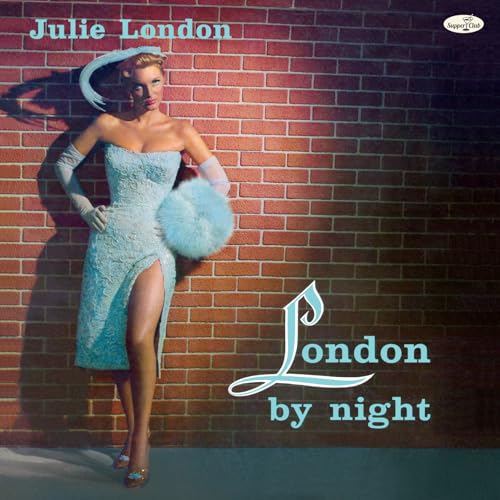
Julie London By Night Limited

Stabbing Westward Ungod Black

Dire Straits Brothers In Arms

Revolver Remastered 180 Gram LP
More Details On Our Top Picks
This pressing pairs Fear Factory’s 1998 concept record with one of the more striking color treatments you’ll see this year: crystal clear vinyl swirled with black marble. Only 3,000 copies exist worldwide, and each carries its own number, which matters if you treat your shelf as a small museum.
The album itself follows the band’s man-versus-machine storyline from Demanufacture, and its dense electronic-metal layers benefit from the heavier platter’s lower surface noise. In our view, this is the pick for listeners who want both a display piece and a playable record rather than one or the other.
Strong Points
- Individually numbered run of 3,000 gives it lasting collectible appeal
- Clear-and-black marble pattern looks dramatic even behind a sleeve
- 180-gram weight sits flat and resists the warping lighter records develop in warm rooms
- Concept-album sequencing rewards listening front to back without skipping
Things To Consider
- Limited runs sell through quickly, so availability can be unpredictable
- Colored compounds occasionally show slightly more surface noise than standard black wax, depending on your cartridge setup
Key Specs
Who It Suits Best
Metal collectors and fans of late-90s industrial who value a numbered, display-worthy pressing as much as the music itself.
Where A Sibling Pick Shines
Listeners chasing the same era’s sound at a simpler price point will find Stabbing Westward’s Ungod Black a more straightforward route into 90s industrial.
Where Fear Factory builds machines, Lord Huron builds landscapes. Strange Trails is the band’s cinematic second album, filed under indie and alternative rock, and it plays like a road movie you can hear. Reverb-heavy guitars, ghostly harmonies, and slow-burn narratives make it a natural fit for a dim room and a good pair of speakers.
You may find this becomes the record you reach for when company leaves and the house goes quiet. Its wide dynamic range gives vinyl playback something to actually show off, which is exactly what a turntable setup deserves.
What We Like
- Atmospheric production translates beautifully to analog playback
- Consistent mood makes it easy to play start to finish
- Broad crossover appeal for both indie and alt-rock listeners
Worth Noting
- The hushed passages demand a quiet listening space; background chatter buries them
- Buyers wanting detailed spec sheets will find the listing sparse on pressing specifics
Right Fit For
Evening listeners and fans of narrative indie folk-rock who want an album that sets a mood rather than demands attention.
Consider Something Else When
Households needing a crowd-pleasing hits collection will get more mileage from Toto’s Their Ultimate Collection instead.
Not every record needs to be a deep cut. This single-LP compilation gathers Toto’s biggest songs, including Africa and Rosanna, onto one colored disc released by Sony. For a first turntable owner building a starter shelf, that concentration of familiar material is genuinely useful.
The honest trade-off is compression: squeezing a career’s worth of hits onto one LP means shorter sides and less breathing room per groove than a multi-LP set would offer. Casual listening suffers little, though critical ears may notice. As a party record, it’s hard to argue with.
Highlights
- All the signature tracks on a single disc, no box-set commitment
- Colored vinyl adds visual interest to the shelf
- Instantly recognizable material works for gatherings
Small Caveats
- Single-LP hit compilations typically sacrifice some dynamic range versus full-album pressings
- Deep-cut fans will find nothing beyond the radio staples here
Made For
New vinyl owners and casual classic-rock fans who want maximum familiarity from one purchase.
Another Choice May Suit
Listeners ready for a fuller audiophile experience should step up to Dire Straits’ Brothers In Arms further down this list.
Jazz history in a clear shell. Time Out broke convention in 1959 by building entire tunes around unusual time signatures instead of the standard 4/4, and Take Five remains the genre’s most famous odd-meter track. This limited edition adds one bonus track to the complete album and presses everything on 180-gram crystal clear vinyl.
Piano trio and sax recordings from this era were captured with remarkable clarity, and a heavyweight pressing gives them room to breathe. Compared to the colored swirl of the Fear Factory release above, this one leans minimal: the clear compound lets the iconic sleeve art do the talking.
Reasons To Buy
- Complete album plus a bonus track extends the original running order
- 180-gram clear pressing offers steady tracking and low surface noise
- An approachable entry point into jazz for rock-first listeners
- Limited edition status adds shelf credibility
Points To Note
- Clear vinyl shows dust and fingerprints readily, so handle by the edges and keep a carbon brush nearby
Quick Facts
Who Will Love This
Curious newcomers to jazz and longtime Brubeck fans alike, especially anyone furnishing a dedicated listening corner.
Swap It Out When
Vocal-first jazz lovers may prefer Julie London’s London By Night, also on this list, for its intimate late-night atmosphere.
Anberlin’s fourth album arrived in 2008 as their major-label debut, blending driving alternative rock with emo-leaning introspection. Tracks like Breaking showcase a band caught between raw energy and polished studio craft, and that tension is what keeps the record listenable years later.
This pressing comes on standard 180-gram black vinyl, which is the sensible choice here: black compound generally delivers the quietest backgrounds, letting the layered guitars come through cleanly. Owners commonly report that straightforward black pressings like this one are also the easiest to keep clean over years of play.
Upsides
- 180-gram black wax typically yields the lowest surface noise of any color option
- Balanced tracklist mixing high-energy cuts with quieter moments
- A defining release for 2000s alternative and emo collections
Honest Caveats
- No colored or limited variant for collectors who prioritize visuals
- Emo-adjacent vocals won’t suit every household’s shared listening
At A Glance
Best Suited To
Fans of mid-2000s alternative rock rebuilding their CD-era favorites on vinyl.
Reach For A Different Pick When
Listeners wanting heavier, darker textures from the same decade should look at Stabbing Westward’s Ungod Black below.
Some albums belong on every shelf regardless of taste, and this is one of them. Marvin Gaye’s 1971 masterpiece wove social commentary into lush, layered soul, and its warm string arrangements and conversational vocal takes are tailor-made for analog playback.
In most living rooms, this becomes the record you put on to introduce guests to why vinyl still matters. The long-form song cycle flows as one continuous thought, so plan a full side at a time rather than dropping in midway.
Bright Spots
- Warm, organic production that flatters analog equipment
- One of soul music’s most influential song cycles
- Appeals across generations of listeners
- Seamless sequencing rewards uninterrupted side-long plays
Softer Spots
- Older master tapes mean some pressings vary in noise floor, so condition on arrival is worth checking promptly
Whose Shelf It Belongs On
Anyone building a foundational collection, from first-turntable owners to seasoned soul enthusiasts.
Look Elsewhere When
Shoppers seeking a similarly smooth but jazz-leaning vocal experience may connect more with Julie London’s London By Night.
Julie London built her legend on a husky, close-mic’d voice, and London By Night strings its standards together so they tell one continuous story of love found and lost. That narrative construction is rare among vocal jazz records of the period, and it gives the album a reason to exist as a single unbroken listen.
This limited pressing suits quiet evenings especially well. Intimate 1950s vocal recordings were engineered for closeness, and a heavier platter helps keep the soft passages free of distraction. One thing worth considering: the whisper-level dynamics ask more of your room than your gear.
Plus Points
- Song sequence forms a coherent story rather than a random tracklist
- Close-mic’d vocals showcase the strengths of analog reproduction
- Limited edition adds appeal for vocal jazz collectors
Minor Gripes
- Very quiet dynamics mean ambient household noise can overwhelm the softer numbers
- Niche appeal compared to the broader classics elsewhere on this list
The Right Fit
Late-evening listeners and fans of smoky, intimate vocal jazz who appreciate albums with a through-line.
Where Another Pick Suits Better
Instrumental-first jazz fans will likely prefer the rhythmic invention of Dave Brubeck’s Time Out earlier in this list.
Produced by John Fryer, whose credits include work alongside Nine Inch Nails and Depeche Mode, Stabbing Westward’s 1994 debut fuses aggressive guitars with brooding electronics. Violent Mood Swings and its companions capture early-90s angst at full volume, and the low-end synth weight is precisely the kind of material that benefits from a thick, stable pressing.
Next to Anberlin’s New Surrender, this is the darker, heavier sibling: same black 180-gram format, considerably more menace. Bass-heavy mixes can expose a worn stylus quickly, so a fresh needle pays off here.
Standout Traits
- 180-gram black pressing handles bass-heavy industrial mixes steadily
- John Fryer production gives the album a distinct dark sheen
- Long-overdue vinyl access for a cult-favorite debut
Trade Offs
- Deep bass content accelerates stylus wear, so monitor your cartridge over time
- The abrasive tone limits its usefulness as background or shared listening
Core Details
Who Should Grab It
Industrial rock and 90s alternative fans who want their heaviest records on equally substantial pressings.
Not Your Match When
Listeners preferring melody-forward 2000s rock will feel more at home with Anberlin’s New Surrender.
Few albums have doubled as hi-fi demonstration material the way Brothers In Arms has. Money for Nothing, Your Latest Trick, Ride Across the River, and The Man’s Too Strong all carry the spacious, meticulously produced sound that made this record a showroom staple for decades.
On a decent system, the opening guitar riff of Money for Nothing alone justifies the purchase. Knopfler’s clean tone and the album’s wide stereo image give every component in your chain something to prove. Compared to the compressed single-LP Toto compilation, this is where a fuller production budget shows.
Positives
- Reference-quality production that flatters capable audio systems
- Tracklist stacked with universally known songs
- Wide dynamics reward careful speaker placement
Areas To Watch
- Its reputation means many pressings circulate, so inspect condition carefully on arrival
- Underpowered speakers flatten the very dynamics that make it special
Built With In Mind
Owners of dedicated hi-fi setups who want an album that exercises their whole system.
Skip It When
Compact systems or casual listening setups will extract more everyday enjoyment from Marvin Gaye’s What’s Going On.
Closing the list is the remastered heavyweight edition of Revolver, the 1966 Beatles album where studio experimentation met pop perfection. Modern remastering cleans up decades of tape generations, and pairing that with 180-gram stock gives older catalog material a fair shot on contemporary equipment.
For most shelves, this is the safest recommendation in the entire roundup: universally loved music, a modern pressing, and no collector-scarcity anxiety. The honest read is that few purchases in this format deliver this much replay value per spin.
Best Bits
- Remastered audio brings new clarity to a much-loved classic
- 180-gram heavy stock offers durable, warp-resistant playback
- Endlessly re-listenable tracklist spanning psychedelic and pop styles
- Reliable availability compared to limited-run titles
Room For Improvement
- No colored or numbered variant for collectors chasing visual flair
Details At A Glance
Perfect Match For
Beatles fans upgrading worn originals and newcomers wanting one definitive classic-rock anchor for their collection.
Another Choice May Suit
Collectors prioritizing rarity and visual drama over universal appeal will find the numbered Fear Factory Obsolete pressing more rewarding.
What Matters Most Before Choosing 180 Gram Vinyls
Weight Is Only Part Of The Story
Heavier stock resists warping and sits more securely on the platter, but mastering quality determines how good a record actually sounds. A well-mastered 140-gram disc outperforms a careless 180-gram one every time. Look for remastered editions of older albums, since those transfers often improve clarity more than any thickness ever could.
Color Versus Sound
Colored and marbled pressings photograph beautifully, yet some listeners report slightly elevated surface noise on certain color compounds. Black vinyl remains the conservative choice for pure playback. Decide whether the record lives on a display shelf or on your turntable, because that answer should drive the decision.
Limited Runs And Patience
Numbered editions like the Fear Factory pressing add collectible appeal, but scarcity cuts both ways: replacements are hard to source once a copy sells out or arrives damaged. Standard catalog pressings stay available and cost less to replace.
Match The Album To Your System
Bass-heavy industrial records and dynamically wide live productions reward capable speakers and a healthy stylus. Quieter vocal jazz asks less of your gear but more of your room. Honest self-assessment here prevents disappointment later.
Key Considerations Across These Picks
Traps First Timers Fall Into
Chasing colored variants purely for looks is the most common misstep, followed closely by ignoring pressing quality on old catalog titles. Another frequent error: buying bass-heavy records before checking stylus condition. A worn needle chews through grooves fast, and no pressing weight saves it.
What The Higher Tier Buys
Premium pressings typically bundle remastered audio, heavier stock, and sometimes bonus tracks or numbered packaging. You pay for engineering time and finite runs, not just plastic. For cornerstone albums you’ll play weekly, that upgrade usually earns its keep; for novelty listens, standard editions do fine.
Frequently Asked Questions
Does 180 gram vinyl always sound better?
Not automatically. Weight improves stability and warp resistance, but mastering quality drives sound far more than thickness does.
Do colored records wear out faster?
No, durability is comparable. Some listeners report marginally higher surface noise on certain color compounds, though results vary by pressing plant.
How should I store heavyweight records?
Store them vertically, away from heat and sunlight, in inner sleeves. Upright stacking prevents the edge warps that leaning causes.
Are limited editions worth the premium?
For albums you love and plan to keep, yes. Numbered runs hold appeal for collectors, but replacements become difficult once sold out.
Do I need a special turntable for 180 gram pressings?
No. Any functioning turntable handles them. Just verify your stylus is clean and not worn, since heavy records amplify existing setup flaws.
Wrap Up
Your best starting point depends on what your shelf is missing. Collectors gravitate toward the numbered Fear Factory pressing, hi-fi owners toward Dire Straits, and anyone building foundations toward Marvin Gaye or the Beatles’ Revolver. Whichever direction pulls you, buy the album you’ll actually play, not the one that merely photographs well. Happy spinning.