
A full-size dreadnought can feel like carrying a surfboard when you’re nine years old or squeezing practice into a dorm room. That’s where 3/4 guitars earn their keep: shorter scale length, lighter body, and frets that sit closer together so small hands and new players can actually form chords without pain. This list covers steel-string acoustics, nylon-string classicals, an acoustic-electric with a built-in tuner, and even a hard case to protect whichever one you choose. Each pick below is matched to a specific kind of player, from first lesson kids to traveling adults who want a second guitar that lives by the door.
The Shortlist At A Glance
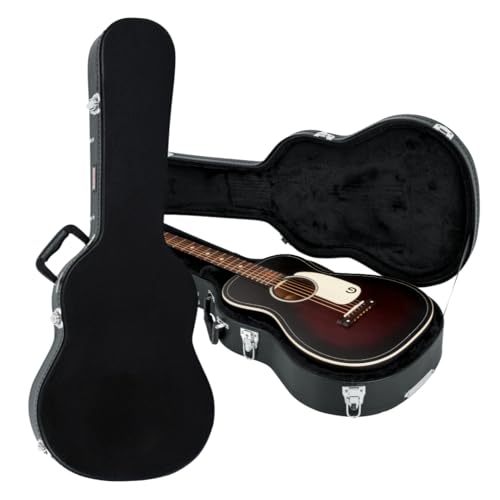
Gator GWE-ACOU-3/4 Hard-Shell Wood Case

Yamaha APXT2 3/4 Acoustic-Electric Guitar

Hola! Music 36″ 3/4 Acoustic Guitar Purple
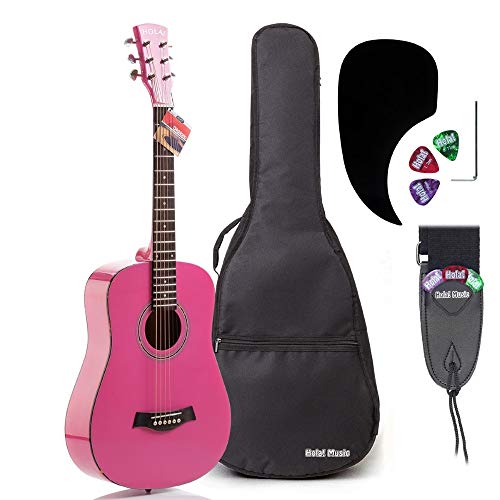
Hola! Music 36″ 3/4 Acoustic Guitar Pink
Vangoa 36″ Cutaway Acoustic-Electric Bundle
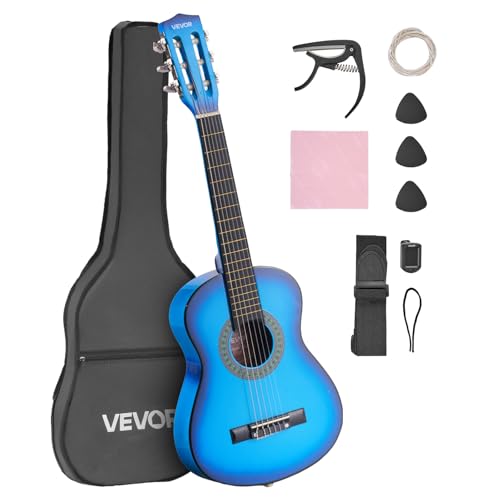
VEVOR Classical Guitar Starter Kit

VEVOR Classical Guitar Starter Kit
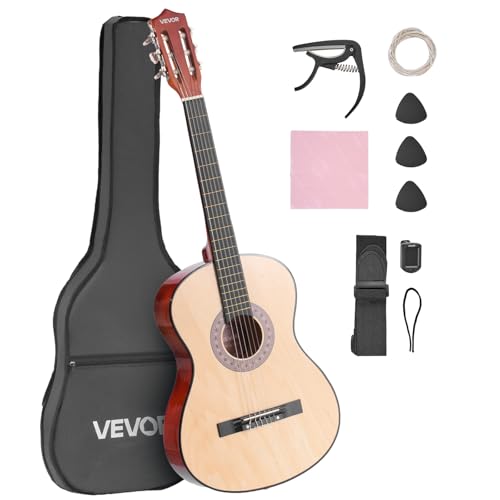
VEVOR Classical Guitar Starter Kit
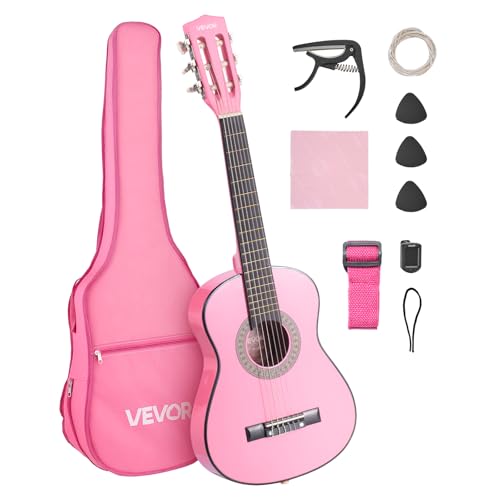
VEVOR Classical Guitar Starter Kit

Fender FA-25N 3/4 Nylon Guitar
More Details On Our Top Picks
A plywood shell wrapped in black Tolex PVC gives this case the kind of armor a gig bag can’t match. School bus rides, car trunks, closet corners: the instrument inside stays protected, and the ergonomic handle keeps the weight balanced in one hand.
Four chrome latches hold it shut, three non-locking plus one lockable, so you can secure it against casual opening while still getting in fast between classes. An interior compartment swallows picks, capos, and spare strings, and it doubles as extra neck support in transit.
Strong Points
- Plywood hard shell shrugs off bumps that would dent a soft bag
- Lockable latch adds security at school or shared housing
- Accessory compartment keeps small gear from rattling loose
- Ergonomic handle balances the load for smaller carriers
Things To Consider
- Hard cases weigh more than gig bags, which matters on long walks to lessons
- The Tolex covering can scuff over years of daily hauling, though owners commonly report it holds up well
Key Specs
Who It Suits Best
Students and commuters who carry a 3/4 acoustic daily and need real impact protection rather than another soft bag.
Where A Sibling Pick Shines
Players who mostly store their Yamaha APXT2 at home may find a padded gig bag sufficient and skip the hard case entirely.
This is the scaled-down sibling of Yamaha’s widely played APX series, and that lineage shows in the details. The ART-based under-saddle pickup system captures a natural unplugged tone, and the onboard tuner means no clip-on gadget dangling off the headstock during rehearsal.
In our view this is the pick for a student who has outgrown pure practice and wants to plug into an amp at recitals or open mics. The compact body travels easily, and a gig bag comes included, so the total setup is ready out of the box.
What We Like
- ART-based pickup delivers clean amplified sound for small venues
- Proprietary onboard tuner tunes quickly and accurately mid-session
- Gig bag included, saving a separate purchase
- Compact 3/4 body suits road trips and tight practice spaces
Worth Noting
- Steel strings demand more finger pressure than the nylon models further down this list
- Electronics add cost compared with plain acoustics of similar size
Made For
Advancing students and teen players who perform plugged-in and want one guitar that handles bedroom practice and small stages alike.
Skip It When
Absolute beginners with tender fingertips will get a gentler start on the Fender FA-25N’s nylon strings instead.
A solid spruce top at this price point is the headline here. Solid wood, unlike laminate, tends to open up tonally as it ages, so a beginner’s first guitar can genuinely sound better in year two than week one.
The mahogany back, sides, and neck warm up that bright spruce voice, and the glossy purple finish makes the guitar feel like a gift rather than homework. Rosewood fingerboard and bridge keep the playing surface smooth under small hands.
Highlights
- Solid spruce top projects brightly and improves with age
- Mahogany body and neck add warmth and resonance
- Gloss finish looks sharp enough to motivate daily practice
- 36-inch scale fits young players and travelers comfortably
Small Caveats
- Steel-string tension can be tough on brand-new fingertips during the first weeks
- The gloss top shows fingerprints and dust, so a quick wipe after sessions keeps it looking fresh
Quick Facts
Right Fit For
Kids roughly eight and up, plus budget-minded adults, who want genuine tonewood construction without paying intermediate-guitar money.
Another Choice May Suit
Total newcomers worried about finger pain should lean toward the VEVOR starter kit’s nylon strings before committing to steel.
Same bones as the purple Hola! reviewed above, dressed in pink. Underneath the color you get the identical recipe: solid spruce top for brightness, mahogany back, sides, and neck for warmth, and a rosewood fingerboard that feels smooth from the first chord.
That matters more than it sounds. A child who loves how her guitar looks practices more often, and enthusiasm is the hardest thing to buy in this category. The 36-inch body also doubles as a light travel companion for family trips.
Bright Spots
- Solid spruce top offers clear, projecting tone that develops with play
- Mahogany construction balances brightness with warmth
- Pink gloss finish turns the instrument into something kids show off
- Scaled-down body suits young musicians and vacation packing
Points To Note
- Steel strings still require a break-in period for uncalloused fingers
- Light-colored finishes tend to reveal smudges faster than darker ones
Who Will Love This
Young players who have strong opinions about color and parents who want real tonewoods behind the fun finish.
Swap It Out When
Anyone needing built-in amplification for school performances is better served by the Yamaha APXT2’s pickup system.
Bundles solve a real problem: a first-time player rarely knows which accessories matter. Vangoa packs the essentials into one box, so there’s no second round of research before the first lesson. The cutaway body also lets your fretting hand reach upper frets without wrestling the instrument.
The spruce top uses a thinner profile aimed at clear, bright sound, and the Orchestra Model shape keeps the body comfortable against a smaller frame. Built-in electronics mean recording or plugging into an amp works from day one.
Reasons To Buy
- All-in-one bundle removes guesswork for complete newcomers
- Cutaway design opens up access to higher frets
- Thinner spruce top supports a bright, articulate voice
- Onboard electronics handle practice-room recording and small gigs
Minor Gripes
- Bundle accessories are entry grade; serious players eventually upgrade individual pieces
- Electronics at this tier are basic, best suited to home use rather than loud stages
At A Glance
Who Should Grab It
Self-taught teens and adult beginners who want a complete starting kit with amplification already handled.
Not Your Match When
Players prioritizing premium build quality over bundle convenience will prefer the Yamaha APXT2’s refined electronics.
Nylon strings change everything for a six-year-old’s fingertips. Where steel bites, nylon yields, and that difference often decides whether a child sticks with lessons past month two. This 30-inch classical kit leans fully into that advantage.
The basswood body keeps weight low for small shoulders, and high-precision tuning pegs paired with an included tuner make the dreaded tuning ritual fast instead of frustrating. Tight string-to-fret spacing reduces finger fatigue during those long early practice sessions.
Plus Points
- Nylon strings are gentle on beginner fingertips
- 30-inch body suits the smallest players in the house
- High-precision pegs and bundled tuner simplify tuning
- Tight fret spacing eases fatigue in long sessions
Softer Spots
- Basswood is a laminate-grade tonewood, quieter and less resonant than the Hola!’s solid spruce
- Classical neck width can feel wide for players transitioning later to steel-string guitars
Core Details
Whose Shelf It Belongs On
Children roughly five to eight starting formal lessons, where comfort and low string tension matter more than volume.
Reach For A Different Pick When
An older kid wanting louder, brighter strumming will get more mileage from the Hola! Music 36″ steel-string model.
Another listing in VEVOR’s classical kit line, distinguished mainly by its available finish option. The hardware story stays the same: basswood body, nylon strings, precision tuners, and a bundled tuner that spares parents from tuning duty every evening.
For households choosing between these listings, the decision usually comes down to which colorway is in stock and which one your child points at. The retro-styled binding and tight string spacing carry across the whole range.
Standout Traits
- Featherlight 30-inch frame suits very small frames
- Nylon strings keep early practice pain-free
- Included tuner removes a common beginner stumbling block
Areas To Watch
- Confirm the exact finish shown matches the variant shipped, since multiple colorways share this listing family
- Basswood tops benefit from humidity-aware storage to stay stable over the years
The Right Fit
Parents buying a first instrument for a petite child and valuing light weight above all else.
Consider Something Else When
Travelers wanting a protective shell should pair any of these guitars with the Gator GWE-ACOU-3/4 hard case rather than relying on the kit alone.
There’s an honest argument for spending as little as possible on a first guitar: plenty of kids try lessons for a semester and move on. This listing exists for exactly that scenario, delivering the same nylon-string, basswood formula as its siblings at the friendliest entry point in the lineup.
You give up nothing functional. Tuning pegs, bundled tuner, and the finger-friendly string spacing all remain, so the learning experience stays intact while the financial risk stays tiny.
Positives
- Lowest-commitment way to test a child’s interest
- Nylon strings and light body keep early lessons comfortable
- Complete kit means no surprise accessory purchases
Honest Caveats
- Tone and projection trail the solid-spruce Hola! models noticeably
- Entry-grade hardware may need adjustment sooner with heavy daily use
Built With In Mind
Cautious families and grandparents testing whether guitar lessons will stick before investing further.
Look Elsewhere When
A committed student ready for year two deserves the upgraded build of the Fender FA-25N instead.
Classrooms chew through instruments, and this final VEVOR variant fits that duty well. Simple construction, forgiving nylon strings, and a self-contained kit mean a teacher can hand it to a student without a tuning lecture or accessory shopping trip.
The durable binding around the body edges helps it survive shared-storage racks, and the precise pegs hold tune reasonably well between sessions, which matters when twenty guitars need checking before class.
Upsides
- Simple, durable layout suits group and classroom settings
- Nylon strings forgive inexperienced handling
- Compact dimensions store easily in stacked racks
Trade Offs
- Shared-use instruments accumulate wear faster; expect cosmetic scuffs within a school year
- No electronics, so amplified performances require a separate microphone solution
Who Should Grab It
Music teachers, after-school programs, and families equipping more than one child at once.
A Better Fit Elsewhere
A solo performer wanting plug-and-play amplification should step up to the Vangoa cutaway bundle with its built-in pickup.
Fender’s name carries weight in this price bracket, and the FA-25N earns it with sensible choices throughout. The all-laminate body trades exotic tonewood bragging rights for durability, which is exactly what a guitar living in a kid’s room needs.
The slim C-shaped neck, a profile that fills the hand less aggressively than chunkier classical necks, pairs with nylon strings to keep both wrists and fingertips happy. Students moving toward graded classical study will find this a credible long-term partner rather than a disposable starter.
Best Bits
- Durable all-laminate body withstands years of student handling
- Slim C-shape neck reduces wrist strain for smaller hands
- Nylon strings minimize finger fatigue through long practice blocks
- Brand support and parts availability simplify future maintenance
Room For Improvement
- Laminate construction won’t develop the tonal depth of the Hola!’s solid spruce top over time
- No electronics, so stage use requires external miking
Details At A Glance
Perfect Match For
Students in structured lessons who want a dependable nylon-string instrument from a major brand and plan to play for years.
Where Another Pick Suits Better
Shoppers chasing maximum tone per dollar will find the solid-spruce Hola! Music 36″ model more rewarding.
What Matters Most Before Choosing 3 4 Guitars
String Type Decides Comfort First
Nylon strings flex under the fingers, which is why nearly every teacher starts children under eight on classical-style instruments like the VEVOR kits or the Fender FA-25N. Steel strings project louder and suit strumming-driven styles, but expect two to three weeks of fingertip soreness. Match the string to the player’s age and patience level before anything else.
Scale Length And Reach
Scale length is the vibrating distance from nut to bridge, and it sets how far fingers must stretch between frets. A true 3/4 instrument shortens that span meaningfully, letting small hands form clean chords earlier. Players over roughly eleven years old with average hand size may outgrow the smallest 30-inch bodies quickly.
Tonewood Versus Durability
Solid spruce tops, found on the Hola! models, generally sound richer and improve with age, while laminate bodies resist dents and humidity swings better. Frequent travelers and classroom programs favor laminate; dedicated home players hear the difference in a solid top within months.
Bundles, Electronics, And Hidden Costs
Kits like the Vangoa bundle include tuners, bags, and accessories that would otherwise add separate purchases. Built-in pickups, standard on the Yamaha APXT2 and Vangoa, only pay off if performances or recording are actually planned. Otherwise that money buys better wood elsewhere.
Key Considerations Across These Picks
Traps First Timers Fall Into
The most common mistake is buying a full-size guitar for a seven-year-old because “they’ll grow into it.” They usually quit first. The opposite error is overspending on tonewoods for a child whose interest might fade by summer. Also check what a bundle actually includes before assuming a case or strap comes along.
When Paying More Pays Off
Higher-tier models spend the extra money on solid tops, refined neck profiles, and reliable electronics. That investment shows up once a player commits past the first year. Until then, a budget nylon-string kit does the teaching job just as well.
Frequently Asked Questions
Are 3/4 guitars only for children?
No. Adults use them as travel guitars, couch instruments, and low-strain practice tools. Anyone with smaller hands or limited storage benefits from the format.
Can a 3/4 guitar sound good unplugged?
Yes, though projection is naturally softer than a dreadnought. Solid-top models like the Hola! Music 36″ close much of that gap.
Do I need an amplifier for an acoustic-electric?
Only for performing or recording. Unplugged, an acoustic-electric behaves like a normal acoustic guitar.
How do I know when my child has outgrown a 3/4?
Watch for cramped fretting hands and chords that feel too easy to stretch. Most players transition between ages ten and thirteen.
Is a hard case worth it over a gig bag?
For daily commuting, air travel, or school lockers, yes. The Gator hard shell protects against impacts a padded bag cannot.
Closing Thoughts
The right 3/4 guitar is the one that gets played, not the one with the longest spec sheet. Start with string type and body size, add electronics only when a real performance plan exists, and protect whatever you choose with a proper case. Any pick on this list can carry a beginner comfortably through the first year of playing, and that first year decides everything else.