
A 3/8-inch nap is the sweet spot for most interior painting. It holds enough paint to cover a wall quickly but stays short enough to leave a smooth finish on drywall and semi-smooth surfaces. Whether you’re repainting a bedroom or touching up trim, the right roller sleeve saves you time, paint, and frustration. This roundup walks through ten options across different sizes, fabrics, and pack counts so you can match one to your actual project instead of guessing at the hardware store.
The Shortlist At A Glance

KingOrigin Paint Roller Covers 9 Inch 3/8″ Nap 3 Pack

Wooster Pro/Doo-Z Roller Cover 3/8-Inch Nap 9-Inch

CoatPro Twools 4 Inch Microfiber Roller Covers 24 Pack
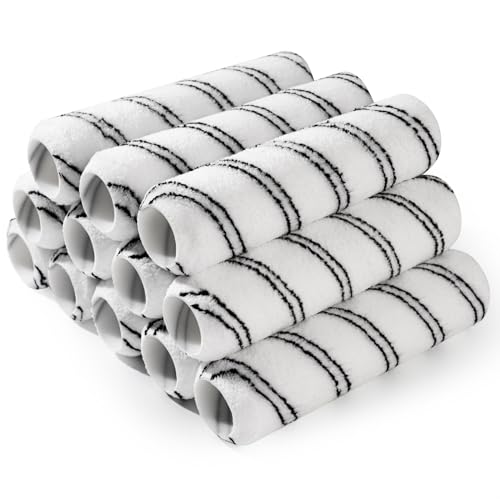
CoatPro Twools Microfiber Paint Roller 9 Inch 12 Pack

Wooster Super Fab FTP Roller Cover 3/4-Inch Nap 3-Pack

Bates Paint Roller Covers 9 Inch 3/8″ Nap 3 Pack

Wooster R282-3 Deluxe Trim Roller Refill 2-Pack

Wooster R261 Economy Roller 3/4 inch Nap 3 Pack

Allgala 4″ Mini Shedless Microfiber Roller Cover TH10306

HANJKINZ Microfiber Paint Roller 4 Inch 24 Pack
More Details On Our Top Picks
Nap refers to the thickness of a roller’s fabric pile, and 3/8 inch is the length most drywall painters reach for first. This three-pack of nine-inch covers from KingOrigin fits that brief with dense polyester fibers designed to grab plenty of paint per dip.
For a full living room repaint, that extra capacity means fewer trips back to the tray and less spatter on your drop cloths. Homeowners tackling a weekend room refresh will find this pack covers prep, two coats, and touch-ups without running out mid-wall.
Strong Points
- Dense polyester pile holds more paint, cutting refill trips noticeably on large walls.
- Shed-resistant fibers mean fewer fuzz specks stuck in your finish.
- Works with both latex and oil-based paints, so one pack handles primers too.
- Standard nine-inch size drops onto nearly any roller frame you already own.
Things To Consider
- Three covers go fast on multi-room jobs; larger projects may call for a second pack.
- Laundering polyester sleeves thoroughly after oil-based paint takes some patience.
Who It Suits Best
DIYers repainting a room or two with standard wall paint who want dependable coverage without fussing over specialty fabrics.
Where Another Pick Suits Better
Rougher surfaces like textured plaster are better served by the Wooster Super Fab FTP’s deeper 3/4-inch nap further down this list.
Wooster has been making brushes since the 1800s, and the Pro/Doo-Z line shows that pedigree. The high-density white fabric carries a golden pinstripe you can spot instantly on a pro’s cart, and it’s built to stay springy instead of matting down halfway through a job.
Where the KingOrigin pack above aims at value, this one aims at finish quality. Painting enamels or epoxy over semi-smooth surfaces rewards that resilience, because a matted roller leaves streaks you’ll see under afternoon light. The fabric resists shedding across paints, primers, urethanes, and epoxies alike.
Highlights
- High-density weave stays resilient, holding its texture through long painting sessions.
- Shed-resistant across enamels, epoxies, urethanes, and standard wall paint.
- Golden pinstripe makes it easy to identify among a jumble of sleeves.
- Delivers the smooth, even laydown pros expect on semi-smooth drywall.
Worth Noting
- You pay a bit more per sleeve than budget multipacks offer.
- The 3/8 nap won’t reach into heavy texture, so stucco needs a deeper option.
Feature Snapshot
Made For
Semi-experienced painters finishing bedrooms, hallways, or doors where the final surface quality genuinely matters.
Consider Something Else When
Tight-budget touch-up work suits the Bates covers better, since they cost less per sleeve for casual use.
Four-inch mini rollers live in a different world from the nine-inch sleeves above. They shine on cabinet doors, stair risers, and behind toilets, places where a big roller just smears paint where it shouldn’t go. This kit bundles twenty-four microfiber covers plus a matching frame.
The volume changes how you work. Instead of washing a sleeve between colors, you set it aside and grab a fresh one, which matters enormously on kitchen refinishes where drying time between coats adds up. High-density fine fibers lay paint down smoothly on flat surfaces like door panels.
Bright Spots
- Twenty-four sleeves keep a fresh roller ready for every color change.
- Included four-inch frame means the kit works straight out of the box.
- Microfiber lays an even coat on cabinets and furniture faces.
- Small size reaches tight corners a nine-inch roller can’t access.
Minor Gripes
- Mini rollers hold less paint, so broad walls will feel slow.
- Used sleeves pile up quickly; plan disposal before starting.
Right Fit For
Cabinet refinishers and detail-oriented DIYers working multiple small surfaces in one project.
Another Choice May Suit
Whole-wall coverage calls for the KingOrigin nine-inch pack reviewed earlier, which moves far faster across open drywall.
This is the bulk version of what most people actually need: twelve nine-inch, 3/8-nap microfiber covers sized for standard frames. Each sleeve ships individually wrapped, which sounds minor until you’ve pulled a dusty roller out of a garage bin and found lint baked into the pile.
Individually packaged covers stay clean in storage, so a sleeve bought today still performs next season. The nine-inch width covers serious ground per stroke, letting you finish a bedroom’s walls in an afternoon rather than a weekend. Compared to the four-inch CoatPro kit above, this one trades precision for speed.
Upsides
- Individual wrapping keeps every sleeve dust-free until the moment you need it.
- Nine-inch width speeds up whole-room painting considerably.
- Twelve covers handle a full house repaint with spares left over.
Points To Note
- No frame included, so confirm your existing roller cage fits nine-inch sleeves.
- Storage space for a dozen rollers demands a decent-sized drawer or bin.
At A Glance
Who Will Love This
Landlords and busy homeowners repainting several rooms in sequence who value clean, ready-to-use sleeves.
Skip It When
First-time painters doing a single small room may prefer the simpler three-pack Bates option coming up next.
Not every wall is smooth. Exterior stucco, textured plaster, and concrete block swallow a 3/8-nap roller’s paint before it ever touches the high points. That’s the job this 3/4-inch Wooster was engineered for, with a deeper pile that pushes paint into every valley.
The HydroFlow technology controls release so heavy coatings don’t sag mid-stroke, and the tan-colored fabric loads fast without matting. A green double-thick polypropylene core shrugs off water and solvents, which matters when you’re cleaning up after exterior acrylics. It’s a specialized tool, but within its niche nothing else on this list competes.
Reasons To Buy
- Deep 3/4-inch nap reaches into rough stucco, brick, and textured plaster.
- Controlled release design reduces sagging on vertical surfaces.
- Double-thick polypropylene core resists water, solvents, and cracking.
- Non-matting fabric extends usable life across multiple sessions.
Honest Caveats
- Too aggressive for smooth drywall; it’ll leave visible orange-peel texture.
- Deeper nap absorbs more paint overall, adding cleanup weight.
Quick Facts
Whose Shelf It Belongs On
Exterior painters and anyone refreshing textured interior walls, basements, or masonry accents.
Swap It Out When
Smooth interior drywall work belongs with the Wooster Pro/Doo-Z earlier in this list, whose shorter nap leaves a flatter finish.
Three sleeves, nine inches wide, microfiber pile, standard frame fit. The Bates pack keeps things deliberately simple, and that simplicity is exactly why it earns a spot here. There’s no learning curve and no compatibility question to solve.
Microfiber’s fine filaments spread paint thinner and more evenly than cheaper woven fabrics, which translates to fewer visible lap marks when you’re rolling a ceiling in evening light. For a guest bathroom or hallway refresh, three covers comfortably carry primer plus two topcoats. Owners commonly report minimal shedding, though rinsing the sleeve before first use helps remove loose fibers.
What We Like
- Microfiber construction delivers a smooth, even finish with little lint.
- Nine-inch length covers large surfaces efficiently per loaded stroke.
- Fits most standard nine-inch roller frames already in your toolkit.
Softer Spots
- Only three covers, so bigger projects require buying twice.
- A quick pre-use rinse is wise to flush any loose fibers.
The Right Fit
Casual DIYers handling one or two modest rooms who want reliable results without overbuying supplies.
Reach For A Different Pick When
Painters stocking up for a whole-house job get better economics from the CoatPro Twools twelve-pack reviewed above.
At just three inches wide, this Wooster refill solves the problem every painter knows: getting crisp paint right up against trim without brush marks. It slots onto the R105 Deluxe Trim Roller frame and turns fiddly edge work into something almost relaxing.
The shed-resistant white fabric leaves a virtually lint-free finish on all paints, enamels, and varnishes, which matters most on glossy trim where imperfections shout. Made in the USA, these refills pair naturally with the nine-inch Wooster picks earlier in this list: big roller for fields, mini roller for edges. One honest note, they’re refills only, so the frame is a separate purchase.
Plus Points
- Three-inch width navigates window casings, chair rails, and tight corners cleanly.
- Shed-resistant fabric produces a lint-free result on glossy finishes.
- Handles all paints, enamels, and varnishes without swapping tools.
Small Caveats
- Frame sold separately, a surprise if you order expecting a complete tool.
- Two sleeves run out quickly on homes with extensive trim.
Built With In Mind
Detail-focused painters finishing baseboards, sashes, and cabinetry who already own or plan to buy the matching frame.
Not Your Match When
Open wall coverage is better handled by the Bates nine-inch covers, since a three-inch roller would take hours on a full wall.
Economy doesn’t have to mean disposable junk, and Wooster’s R261 proves the point with a proper polypropylene core that resists water, solvents, and cracking. The white fabric targets latex flat paints specifically, which covers most ceiling and low-traffic wall work.
The 3/4-inch nap gives it more reach than the smooth-wall picks higher up this list, making it handy for lightly textured ceilings where a short nap skips. You trade away the premium fabric refinements of the Super Fab FTP, but for a rental turnover or a garage ceiling, spending up buys little. The clear plastic packaging also lets you verify condition before opening.
Positives
- Polypropylene core survives water and solvent cleanup without cracking.
- Deep nap handles lightly textured ceilings and walls capably.
- Economical pricing suits throwaway single-project use.
Trade Offs
- Basic fabric sheds slightly more than Wooster’s premium lines.
- Too deep for smooth drywall finish coats.
- Best reserved for flat sheens, not enamels.
Core Details
Who Should Grab It
Budget-conscious renters and landlords refreshing ceilings and utility spaces with flat latex paint.
Look Elsewhere When
Heavy stucco or masonry deserves the tougher Super Fab FTP build, while smooth walls suit the Pro/Doo-Z better.
Allgala leans hard into one promise with these mini sleeves: zero shed. Thick microfiber filaments are fused to a seamlessly crafted core with smooth bearings, so paint rolls on evenly without fibers embedding themselves in your door enamel.
Twelve covers give you the same fresh-sleeve-per-color workflow as the CoatPro four-inch kit from earlier, and the 3/8 nap sits right in the versatile middle range for interior doors and furniture. In our view, the bearing-equipped core is the quiet standout here; cheap mini rollers often wobble and skip, leaving thin stripes that force rework. These roll true, based on widely reported owner feedback.
Standout Traits
- Thick-filament microfiber delivers a clean, professional-looking finish.
- Lint-free performance matters on glossy doors and furniture.
- Bearing-fitted core rolls smoothly without wobble or skipping.
- Twelve-pack sizing supports multi-color cabinet projects.
Areas To Watch
- Mini format slows down anything larger than a door panel.
- Confirm your mini frame accepts the core diameter before ordering.
Details At A Glance
Perfect Match For
Furniture flippers and homeowners refinishing interior doors who care deeply about surface finish quality.
A Better Fit Elsewhere
Wall-scale projects belong with the HANJKINZ bulk pack below or the nine-inch CoatPro set, both far faster on open drywall.
The last entry mirrors the CoatPro bulk concept closely: twenty-four four-inch microfiber covers bundled with a single frame. Where it differs is positioning as a pure consumable supply, aimed at people who burn through mini rollers regularly.
Rental turnovers, staging work, and craft projects all fit that pattern. The high-density fine fiber material spreads paint smoothly, and having a fresh sleeve ready for every color switch keeps momentum going through a full day of painting. Against the Allgala minis above, you give up the bearing-refined core but gain a lower cost per sleeve, a fair swap depending on how often you actually paint.
Best Bits
- Twenty-four covers eliminate mid-project supply runs entirely.
- Included frame gets beginners rolling immediately.
- Fine microfiber produces smooth coats on doors and trim.
- Low per-unit commitment suits occasional painters.
Room For Improvement
- Only one frame included despite two dozen sleeves.
- Mini size limits usefulness on large wall areas.
Who It Suits Best
Frequent small-project painters, landlords, and craft enthusiasts who cycle through mini sleeves quickly.
Where A Sibling Pick Shines
Finish-critical cabinet work benefits from the Allgala TH10306’s smoother-bearing core, worth considering for showpiece surfaces.
What Matters Most Before Choosing 3 8 Nap Rollers
Match Nap To Surface
Nap depth determines how much texture a roller can bridge. Smooth drywall and plaster call for 3/8 inch, lightly textured ceilings want 1/2 to 3/4 inch, and rough masonry needs the deepest piles available. Buying too deep a nap for smooth walls leaves orange-peel stippling you can’t sand out easily.
Fabric Type Changes Everything
Woven polyester covers like the KingOrigin sleeves balance cost and durability for general wall work. Microfiber options from Bates, Allgala, and HANJKINZ spread paint finer and shed less, which pays off on doors, cabinets, and anywhere gloss reveals flaws.
Size Follows The Job
Nine-inch rollers move fastest across open walls, while four-inch minis handle doors, trim, and tight corners. Most painters eventually keep both sizes on hand rather than forcing one tool to do everything.
Pack Count And Storage
Bulk packs save money per sleeve but demand storage space and only make sense for multi-room or recurring projects. Individual wrapping, as on the CoatPro twelve-pack, keeps unused covers clean between jobs.
Key Considerations Across These Picks
Traps First Timers Fall Into
Grabbing whatever sleeve is nearest the register causes most painting headaches. A deep nap on smooth drywall, a smooth nap on stucco, or a sleeve that doesn’t fit your frame all waste an afternoon. Check width and core size against your roller cage before checkout, and rinse new covers to remove loose fibers.
What Separates Premium From Basic
Higher-tier covers invest in denser fabric, solvent-resistant cores, and anti-matting treatments. On flat latex over rough surfaces, the difference barely registers. On glossy enamel over smooth doors, a premium sleeve like the Wooster Pro/Doo-Z visibly flattens out lap marks, which is precisely when paying more pays off.
Frequently Asked Questions
What does 3/8 inch nap actually mean?
It’s the thickness of the fabric pile on a roller cover. Deeper naps hold more paint and bridge texture, while 3/8 inch balances capacity with a smooth finish on semi-smooth surfaces.
Can I use one roller for both primer and paint?
Yes, though dedicated sleeves prevent color bleed and old primer residue from affecting your topcoat. Many painters simply switch to a fresh cover for the finish coat.
How do I clean a roller cover for reuse?
For latex paint, rinse under warm water until it runs clear, then spin or squeeze out excess. Oil-based paints require mineral spirits followed by soap and water.
Do all 9-inch covers fit all 9-inch frames?
Most do, since nine-inch is a de facto standard, but core diameter can vary slightly. Checking your frame against the product listing avoids surprises.
Are mini rollers worth buying alongside a standard size?
For most homes, yes. Doors, trim, and bathrooms have enough tight spots that a four-inch roller saves significant time and taping compared to cutting everything in by brush.
Wrap Up
Choosing between these ten comes down to your surface, not marketing. Smooth interior walls favor the KingOrigin or Bates nine-inch packs, finish-sensitive trim work rewards the Wooster Pro/Doo-Z, and rough exteriors need the Super Fab FTP’s deep nap. Bulk buyers should look at the CoatPro or HANJKINZ sets. Match the nap to the wall, buy one size up in quantity for big jobs, and your next paint day will go noticeably faster.