
Fresh off the printer, most parts look rougher than you hoped. Layer lines, glossy spots that refuse to hold paint, bed adhesion that fails at hour six. A good primer fixes the first two problems, and a few supporting products handle the rest. This roundup covers ten options worth your attention in 2026, from brush-on clear coats to airbrush-ready surface primers, plus the tools and adhesives that make priming sessions less frustrating. Whether you paint miniatures, refinish cosplay props, or just want your PLA prints to stop peeling off the plate, there’s a fit here for your bench.
The Shortlist At A Glance

FolkArt 7232 Clear Primer 8 oz.
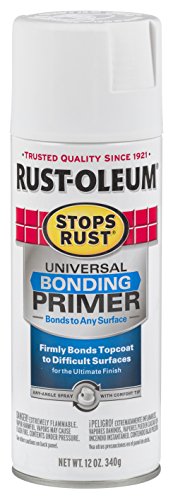
Rust-Oleum Stops Rust Universal Bonding Primer Spray

Intarsio 34pcs 3D Printer Tools Kit

The Crafter’s Workshop Clear Gesso Primer 8 oz Jar

Geeetech 3D Printer Glue Sticks 6 Pack

Nicpro 18 Colors Model Paint Set 20ml

Seymour 20-1674 PBE Professional Primer Gray Filler

Nicpro Surface Primer Airbrush Paint (8.45oz)

Nicpro Surface Primer Airbrush Paint (2oz) Matte Finish

Nicpro Surface Primer Set with Airbrush Thinner
More Details On Our Top Picks
A clear primer sounds odd until you’ve ruined a painted finish on bare plastic or raw wood. This one lays down an invisible grip layer that acrylics cling to, and because it stays transparent, whatever texture or color sits underneath still shows through. Crafters working across wood, metal, rigid plastic, ceramic, canvas, and paper tend to keep a bottle like this within arm’s reach for exactly that reason.
The eight-ounce pour bottle suits brush application on small batches of printed parts or craft blanks. You can also tint it by mixing in FolkArt acrylics when a colored base coat makes sense, which saves a separate painting step on quick projects.
Strong Points
- Stays clear after drying, so underlying detail and color remain visible
- Adheres to a wide spread of surfaces, from ceramics to canvas
- Mixable with acrylic paint for a tinted base in one pass
- Lightweight formula keeps fine print detail from getting buried
Things To Consider
- Brush application can leave streaks on large flat faces, so thin coats work better than one heavy pass
- The open jar format means keeping the lid sealed tight between sessions to avoid skinning
Who It Suits Best
Casual crafters and small-batch prop painters who want one affordable primer covering many materials.
A Better Fit Elsewhere
Airbrush users will get smoother coverage from the Nicpro Surface Primer Airbrush Paint (8.45oz) later in this list.
Some surfaces simply laugh at ordinary paint. Glossy laminate, PVC, glazed tile, galvanized steel, this flat white bonding spray was built for those stubborn cases, giving topcoats something to bite into where they’d normally chip away. For 3D printing folks, that matters on resin-cast or PETG parts destined for outdoor use, where a flaking finish ruins weeks of work.
The twelve-ounce aerosol applies indoors or out, levels smoothly, and leaves a rust-resistant base under whatever topcoat follows, including solvent-based epoxies. Wrought iron railings, patio furniture, and printed cosplay armor all fall comfortably inside its lane.
Highlights
- Bonds to notoriously slick materials like PVC, porcelain, and laminate
- Creates a rust-resistant layer that extends outdoor part life
- Smooth leveling reduces visible spray texture before topcoating
- Works under both water-based and solvent-based finishes
Trade Offs
- Aerosol overspray demands masking and decent ventilation, especially in a shared workshop
- Flat white base may need extra color coats over dark filament shades
Quick Facts
Made For
DIYers refinishing metal fixtures or sealing outdoor printed parts against weather.
Where A Sibling Pick Shines
For filling deep scratches rather than bonding slick surfaces, the Seymour 20-1674 PBE Professional Primer is the stronger match.
Priming only works on a clean, prepped surface, and prepping is where most new printer owners discover they own none of the right tools. This thirty-four piece kit closes that gap in one purchase: brass MK8 nozzles, cleaning needles, removal scrapers, a razor spatula with spare blades, five file types, brushes, wire cutters, and an engraving knife. It’s essentially a finishing bench in a box.
Everything here serves both FDM and SLA machines, so it stays useful through upgrades. Owners commonly report reaching for the files and spatula far more often than expected once paint prep becomes routine.
Upsides
- Covers nozzle maintenance, part removal, and surface finishing in one kit
- Compatible with both FDM and SLA printers, so nothing goes obsolete
- Spare blades and multiple file grits extend usable life considerably
- Scrapers lift stubborn prints without gouging the build plate
Small Caveats
- Razor tools deserve careful storage away from kids, ideally in the original tray
- Occasional quality variation among the included files has been noted by some owners
At A Glance
Right Fit For
First-time printer owners building a starter toolkit without piecing together ten orders.
Swap It Out When
Experienced makers who already own finishing tools should put that budget toward the Geeetech glue sticks instead.
Traditional gesso hides everything beneath it, which is exactly wrong when you’re prepping a photo, a journal page, or a printed part whose surface detail matters. This boutique-grade clear gesso flips that: it dries transparent with a matte tooth that grabs pencil, ink, pastel, and paint without smothering what’s underneath. Mixed media artists have long treated it as a quiet staple for that reason.
On fragile or glossy stock like acetate and Bible pages, it adds just enough grip to hold media in place. Compared with the FolkArt clear primer earlier in this list, the gesso brings more surface tooth, which pencil and dry media particularly appreciate.
Bright Spots
- Dries fully clear and matte, preserving backgrounds and print detail
- Adds subtle tooth that holds dry media without smudging
- Safe on delicate surfaces like photos, acetate, and thin paper
- Jar format lets you scoop exactly what a session needs
Points To Note
- Thicker body than liquid primers, so first-time users often dilute slightly for smooth brushing
- Matte tooth adds faint texture, which ultra-glossy finish seekers won’t want
Who Will Love This
Journaling and mixed media artists prepping slick or fragile pages for layered artwork.
Consider Something Else When
Painters wanting a thinner, faster-flowing clear base will find the FolkArt 7232 Clear Primer easier to brush on broad areas.
Bed adhesion is the unglamorous half of every successful print, and glue sticks remain the cheapest insurance available. This six-pack from Geeetech targets hot-bed printing across PLA, ABS, PETG, ASA, and TPU, and the sticks work on PEI boards, carbon crystal glass, and aluminum glass plates alike. One stick lasts many prints since you only coat the active print area, not the whole surface.
Cleanup is the real selling point: the adhesive is water soluble, so a damp cloth wipes the plate fresh between jobs. For anyone tired of scraping dried residue off a textured PEI sheet, that alone earns its spot.
Reasons To Buy
- Works across five common filament families, from PLA to flexible TPU
- Water-soluble formula rinses off the bed with plain water
- Six sticks provide months of typical hobbyist printing
- Targeted application means no full-plate coating waste
Honest Caveats
- Residue builds up over repeated prints unless wiped down regularly
- Very large flat first layers may still need a brim for extra hold
Core Details
Whose Shelf It Belongs On
Frequent FDM printers fighting first-layer lifting on smooth or textured beds.
Reach For A Different Pick When
Your problem is surface finishing rather than adhesion; the Intarsio 34-piece tool kit handles that side of the workflow.
A primer gets your print ready for color, and this eighteen-bottle acrylic set supplies that color. Each pot holds twenty milliliters of ready-to-use paint formulated for brushwork on plastic, resin, wood, and metal, which covers virtually every material a hobbyist prints or casts. Flow is smooth and even, tuned for both fine detailing and broader coverage passes.
For miniature painters and scale model builders, the appeal is skipping the mixing stage entirely; these go straight from pot to brush. Paired with one of the Nicpro primers below, it forms a complete paint chain for figures and dioramas.
Plus Points
- Eighteen distinct colors cover base coats, shading, and accents
- Adheres well to plastic, resin, wood, and metal without extra additives
- Ready-to-use consistency means no thinning before brushwork
- Twenty-milliliter pots balance quantity against shelf space
Softer Spots
- Pot lids need firm resealing or the paint thickens around the rim over time
- Brush-only formulation isn’t intended for airbrush use straight from the pot
Best Suited To
Miniature and figure painters who want a broad ready-made palette without buying individual pots.
Not Your Match When
Airbrush-centric painters should look at the Nicpro Surface Primer sets instead, since this kit is built for hand brushing.
Deep scratches and layer gaps are the enemy of a show-quality finish, and this gray filler primer exists specifically to bury them. Formulated with body shop performance in mind, it builds a thick, sandable film over metal and fiberglass, then sands down flush with minimal effort. Prop makers sanding printed armor panels swear by fillers like this one.
Speed is another advantage: touch-dry in roughly five minutes and ready for topcoat in about ten, so a repair-and-repaint cycle fits inside an afternoon. Heat tolerance up to 250 degrees Fahrenheit adds headroom for parts living near engines or warm electronics enclosures.
Standout Traits
- Fills deep scratches and print lines in fewer passes than standard primer
- Sands easily to a flush, uniform surface
- Fast drying keeps project momentum going
- Handles heat up to 250 degrees Fahrenheit
- Wide spray head lays down an even, professional-looking film
Room For Improvement
- Gray filler tone shows through light topcoats unless fully covered
- Thick buildup requires patient sanding discipline to avoid dips
Details At A Glance
The Right Fit
Prop builders and DIY restorers leveling deep flaws before a final color coat.
Another Choice May Suit
Shoppers needing general adhesion on slick plastics rather than gap filling will prefer the Rust-Oleum Stops Rust bonding spray.
Brush-priming fifty miniatures loses its charm fast. This trio of black, gray, and white surface primers comes in generous 250-milliliter bottles aimed squarely at airbrush users who prime in batches. The water-based acrylic formula sprays ready from the bottle, and cleanup is a rinse with water or airbrush cleaner at the end of a session, which matters more than it sounds when you’re priming weekly.
Color choice is genuinely functional here: white under bright schemes, black under dark ones, gray as the neutral default. In our view, this is the sweet-spot size for a painter who primes regularly but doesn’t run a commission studio.
What We Like
- Large 250 ml bottles reduce cost per primed miniature
- Three-tone selection matches undercoat color to final scheme
- Water-based formula cleans out of the airbrush with plain water
- Non-toxic composition suits shared household workspaces
Minor Gripes
- Skipping end-of-session cleaning invites tip clogs, a commonly reported annoyance
- Humid conditions can slow curing compared with lacquer primers
Who Should Grab It
Batch-priming hobbyists with an established airbrush setup who want volume without solvent fumes.
Skip It When
Newcomers testing whether airbrushing suits them are better served by the smaller Nicpro 2oz matte set.
Every airbrush primer review eventually says the same thing: start small. These 60-milliliter bottles of black, gray, and white matte primer deliver the same water-based acrylic formula as the larger Nicpro set above, just sized for experimentation. Coverage is solid, the matte base grips subsequent paint layers well, and the bottles store neatly in a drawer between sessions.
You may find the volume runs out quickly on big props, but for miniatures and figures, one bottle primes dozens of pieces. Beginners get a low-commitment way to learn thinning ratios and spray distance before investing in bulk.
Positives
- Small bottles lower the entry cost for trying airbrush priming
- Matte finish creates an ideal tooth for topcoat adhesion
- Good coverage per pass keeps priming sessions quick
Worth Noting
- Volume disappears fast on large prints or army-scale batch work
- Bottles lack the dedicated thinner included in the bigger Nicpro bundle
Who Should Grab It
First-time airbrush users and casual painters priming miniatures in modest quantities.
Where Another Pick Suits Better
Once you’re priming weekly, the Nicpro 8.45oz set delivers better value per milliliter.
The missing piece in most primer purchases is thinner, and this four-bottle workflow set includes it. Alongside Mars Black, Gray, and White primers in 120-milliliter bottles, you get a matching 120-milliliter airbrush thinner, so dialing in spray consistency never involves guessing with tap water. For painters chasing glass-smooth bases on 3D prints and resin models, that control is the whole game.
Compared with the 2oz starter set, this bundle roughly doubles usable volume while adding the one accessory that prevents clogs and orange-peel texture. Serious hobbyists will recognize it as the version they’d buy second anyway.
Best Bits
- Included thinner enables precise viscosity tuning for flawless spraying
- Four 120 ml bottles balance capacity against shelf life
- Three-color lineup supports light, dark, and neutral undercoats
- Matte ready-to-spray formula needs no pre-mixing
Areas To Watch
- Mid-size bottles still require reordering sooner than the 250 ml set for heavy users
- Thinner ratio takes a few practice sessions to dial in for your specific airbrush
Feature Snapshot
Built With In Mind
Dedicated miniature and model painters who prime regularly and want a complete, controlled system.
Look Elsewhere When
Occasional painters should save money with the compact Nicpro 2oz matte set instead.
What Matters Most Before Choosing 3d Print Primers
Match The Primer To Your Surface
Not every base coat bonds to every material. Slick plastics like PETG and PVC demand a bonding formula such as the Rust-Oleum spray, while porous wood and canvas take almost anything. Resin prints and miniatures respond best to fine airbrush primers that preserve detail. Identify your dominant material first, then filter the list by it.
Application Method Shapes The Result
Brush-on primers like the FolkArt and clear gesso options suit small batches and detail work, but leave texture on broad flat faces. Aerosols cover fast yet demand ventilation and masking. Airbrush primers give the finest control and the smoothest film, at the cost of equipment and cleanup time. Honest self-assessment of your patience for cleanup saves regret later.
Dry Time And Sandability
Fast-curing primers keep multi-step projects moving in a single day. Seymour’s five-minute touch time is the standout there. Sandability matters equally for prop work: a filler primer that levels flush beats stacking coats of ordinary primer hoping imperfections vanish.
Volume Versus Shelf Life
Bigger bottles cost less per milliliter, but water-based primers thicken over long storage. Casual painters are usually better served by smaller containers they’ll actually finish, while weekly batch primers justify the 250-milliliter format.
Key Considerations Across These Picks
Traps First Timers Fall Into
The classic error is buying a primer before knowing your surface. A bonding spray won’t fill layer lines, and a filler primer won’t stick to glossy plastic. Skipping surface cleaning ranks close behind; dust and fingerprint oils undermine adhesion no matter how good the product is. Test on a scrap piece first, always.
What Separates Premium From Basic
Higher-tier options buy consistency and workflow speed. Bundled thinner, wider spray heads, faster cure times, and multi-color flexibility all translate into fewer failed coats and less rework. Occasional crafters rarely feel that difference; anyone priming weekly will notice it within a month.
Frequently Asked Questions
Do I really need a primer on 3D printed parts?
Yes, in most cases. Raw filament surfaces show layer lines and resist paint adhesion, so a primer smooths texture and gives topcoats something to grip.
Can I use regular craft primer on miniatures?
You can, though results vary. Hobby-specific airbrush primers apply thinner films that preserve fine facial and armor detail better than thicker craft formulas.
How long should primer dry before painting?
Follow the manufacturer’s window, typically ten minutes to a few hours depending on formula. Lightly touching the surface to confirm it’s cured beats guessing.
Is spray primer safe to use indoors?
With open windows, a fan, and masking of nearby surfaces, yes for occasional use. Water-based airbrush primers are the gentler choice for shared indoor spaces.
Why does my primer keep clogging my airbrush?
Dried paint in the needle assembly is the usual cause. Flush the airbrush thoroughly with water or cleaner immediately after every session to prevent buildup.
Closing Thoughts
Priming is the least glamorous step in any print-finishing workflow, and the one that decides whether everything after it looks amateur or sharp. Match the product to your surface, respect the dry times, and start small until you know your rhythm. Any of these ten will serve you well; the right one is simply the one that fits how often you print and what you print. Happy building.