
Acrylic and glass repairs have a way of humbling ordinary glue. Smooth, non-porous surfaces give most adhesives nothing to grip, so a cracked picture frame or a split plexiglass panel ends up back on the workbench a week later. The right cement changes that: water-thin formulas wick into seams, cyanoacrylates grab in seconds, and clear-curing options keep jewelry and mirrors looking untouched.
This shortlist covers the whole range, from hobbyist nail adhesives to workshop-size bottles of solvent cement for sheet assembly. Whether you fix toys, build models, or fabricate acrylic displays, there’s a match here for your bench.
The Shortlist At A Glance

Viomis Glass Glue 30g Clear Quick-Cure
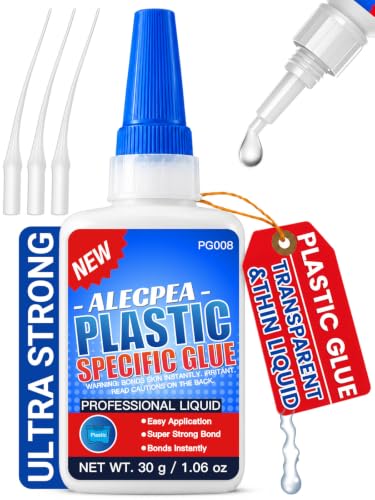
ALECPEA Plastic Glue 30g Thin Formula

Berkland Acrylic Bonding Cement 4 oz
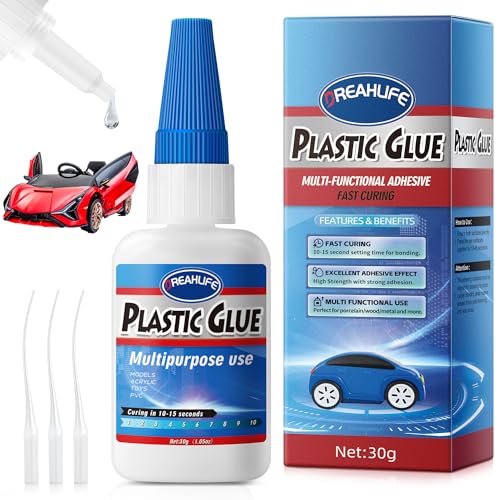
DREAHLIFE Super Glue for Plastic 30g

Vigorder Glass Glue Clear 30g Weatherproof

WANJAO 120ML Acrylic Glue with Tools

YOTEBLE Acrylic Cement with Applicator Bottle
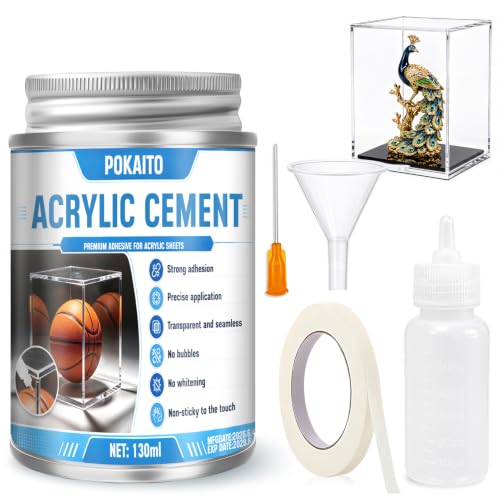
POKAITO Acrylic Cement Applicator Bottle Kit
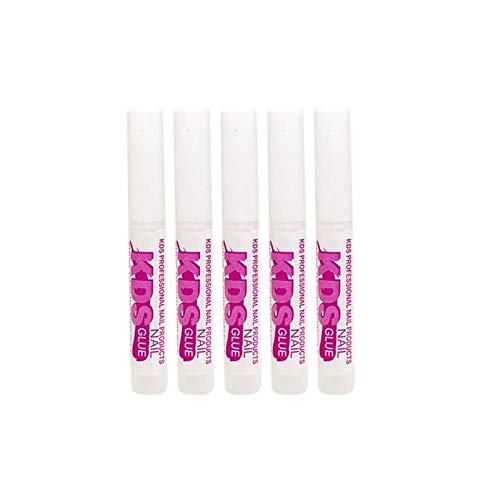
KDS Nail Tip Glue 5-Pack 0.07 oz
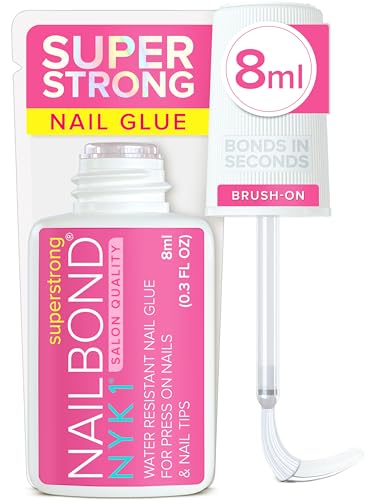
NYK1 Super Strong Nail Glue 8ml
More Details On Our Top Picks
Glass is the surface that defeats most household glue, and this 30g tube from Viomis is built specifically for that problem. It’s formulated as a cyanoacrylate, meaning an instant-bond adhesive that cures through contact with surface moisture rather than air drying. On rhinestones, crystal figurines, and eyewear hinges, that translates to a hold you can trust within seconds.
The clear cure matters just as much as the speed. A repaired teacup handle or a reattached mirror accent stays visually invisible, which is the whole point when you’re fixing something decorative. For craft tables and junk drawers alike, one tube covers a surprising range of small jobs.
Strong Points
- Dries transparent, so mended keepsakes keep their original look.
- Quick set time means you can press, let go, and move to the next piece.
- Waterproof once cured, handy for bathroom mirrors and drinkware accents.
- Works across glass, acrylic, crystal, and rhinestone surfaces.
Things To Consider
- The nozzle is fine but unforgiving; excess squeeze-out on glossy glass can leave a visible sheen you’ll need to scrape carefully once cured.
Who It Suits Best
Crafters and home menders who mostly repair glass, crystal, and small decorative pieces want this tube within reach.
A Better Fit Elsewhere
Shoppers bonding large acrylic sheets will get cleaner results from the Berkland Acrylic Bonding Cement later in this list.
Where the Viomis tube aims at glass, ALECPEA targets the tight seams of model kits, miniature parts, and cracked toy housings. Its low-viscosity formula relies on capillary action, the way liquid climbs into narrow gaps on its own, so a hairline split in ABS or PVC pulls adhesive deep inside instead of just sealing the surface. That’s the difference between a repair that holds and one that pops open again.
The included precision tips give you control in spots where a standard super glue nozzle would flood the joint. Model builders working at small scale tend to appreciate that more than raw strength numbers.
What We Like
- Thin consistency reaches cracks a thicker gel simply can’t enter.
- Sets fast enough to hold parts by hand without clamping jigs.
- Precision tips keep glue off painted finishes and display bases.
- Suited to PS, ABS, PVC, and common model-kit plastics.
Minor Gripes
- Watery flow punishes heavy hands; over-application runs onto visible surfaces quickly.
- Cap tips should be wiped after each session or they clog between uses.
Quick Facts
Made For
Hobbyists assembling miniatures, model cars, and toy repairs who need adhesive to reach inside narrow joints.
Where Another Pick Suits Better
Anyone fixing chunky household plastics with gaps to fill will prefer the DREAHLIFE Super Glue for Plastic’s heavier body.
Four ounces is serious volume in this category, where most tubes top out around 30 grams. The Berkland bottle is aimed at people who fabricate rather than dab: sign makers, display builders, and anyone edge-gluing plexiglass panels on a repeat basis. Solvent cements like this one work by slightly softening both mating surfaces so they fuse into one piece as the solvent evaporates.
The water-thin body flows into tight joints along an edge, and the initial grip forms in minutes with full strength arriving after a longer cure. Finished seams read as nearly invisible against clear sheet stock, which is what separates professional-looking acrylic work from glued-looking acrylic work.
Highlights
- Large 4 oz supply suits ongoing fabrication and production runs.
- Applicator bottle gives controlled placement along long edges.
- Crystal-clear result leaves no cloudy residue on plexiglass.
- Fast initial set keeps projects moving without overnight waits.
Softer Spots
- Thin solvent chemistry demands good ventilation; working near an open window is widely recommended practice with this category.
- Overkill for tiny craft fixes, since a little goes a very long way.
At A Glance
Right Fit For
DIY fabricators and small shops joining acrylic sheets edge-to-edge on a regular schedule.
Swap It Out When
Occasional menders fixing one broken frame will find the smaller Viomis Glass Glue tube far more practical.
Broken toy arms, snapped vacuum attachments, cracked garden furniture clips: these are gap-filling jobs, not hairline ones, and that’s where this 30g DREAHLIFE tube earns its keep. Unlike the watery ALECPEA formula two picks back, this adhesive carries more body, so it bridges small voids instead of draining away into them. Curing happens fast, with handling strength developing in roughly ten to thirty seconds depending on how much you apply.
The dried bond dries clear too, so a mended plastic housing doesn’t announce its scar. In our view, this is the sensible default for a kitchen-drawer repair kit.
Reasons To Buy
- Thicker body fills small gaps between broken plastic parts.
- Grab develops in seconds, so no clamping marathon.
- Clear cure keeps everyday items looking presentable after repair.
- Generous 30g size outlasts typical single-use mini tubes.
Points To Note
- Owners commonly report the cap needs a firm twist and a wipe after each use to stay usable long term.
- Less suited to ultra-fine model work than a dedicated thin formula.
Who Will Love This
Households that break things regularly and want one dependable tube for toys, appliances, and general plastic fixes.
Reach For A Different Pick When
Fine-scale hobbyists chasing invisible seams should step up to the ALECPEA Plastic Glue’s precision-tip thin formula.
Vigorder takes aim at the same smooth-glass problem as the Viomis tube, with one meaningful difference: weather resistance. Garden suncatchers, outdoor mirror tiles, and patio decor live with humidity and temperature swings that defeat ordinary instant adhesives over time. This 30g formula cures in roughly fifteen to thirty seconds and is built to hold up once exposed.
Application follows the usual rhythm: clean the surface, apply evenly, align, and press. The cured line stays transparent, so rhinestone work and jewelry repairs look untouched. Depending on your climate, that weatherproofing may be the deciding factor between this and the first pick.
Bright Spots
- Weatherproof cure suits outdoor ornaments and humid bathrooms.
- Fast cure window lets you position parts confidently.
- Transparent finish preserves the look of glass and mirror pieces.
- Handles jewelry, crafts, and rhinestone settings in one tube.
Small Caveats
- Surface prep matters more here than with porous materials; any oil or dust left on glass weakens the hold noticeably.
Whose Shelf It Belongs On
Makers whose finished pieces face moisture, sunrooms, or outdoor display conditions benefit most from this weatherproof formula.
Consider Something Else When
Indoor-only crafters doing quick decorative fixes can save complexity with the simpler Viomis Glass Glue tube.
The Berkland bottle offered volume; WANJAO matches it and adds a proper tool kit. You get 120ml of cement plus a spray bottle and two needles with different aperture sizes, which sounds like a small detail until you’re switching between a wide seam on a display box and a pin-thin joint on a 3D printed part. Different apertures mean different flow rates, and having both on hand removes the guesswork.
This kit leans toward assembly work: acrylic sheet construction, printed-part bonding, and larger DIY builds where a 30g tube would run dry halfway through. The trade-off is bulk; it’s a bench kit, not a pocket tube.
Plus Points
- Two needle sizes cover both broad seams and micro joints.
- 120ml volume supports multi-project builds without restocking.
- Spray bottle helps with cleaning and prep before bonding.
- Produces clean, strong bonds on acrylic and printed plastics.
Trade Offs
- More components to rinse and store properly between sessions compared with a single-tube adhesive.
- Beginners may find the needle application takes a few practice runs on scrap first.
Details At A Glance
Built With In Mind
Makers assembling acrylic enclosures, signage, or batches of 3D printed parts get the most from this complete setup.
Not Your Match When
Someone needing only occasional spot repairs will find the compact POKAITO kit easier to store and manage.
YOTEBLE sits comfortably between the big-volume WANJAO kit and the single-purpose craft tubes earlier in this list. The emphasis is dispensing control: a dedicated applicator bottle paired with precision needles lets the cement creep into tight joints without flooding them, and delicate repairs on plexiglass or 3D printed models come away without sticky residue on surrounding surfaces.
Setting happens quickly, which suits anyone doing production-style repetition, say gluing twenty display edges in an afternoon. Compared with the POKAITO option next door, this pick emphasizes heavy-duty performance on structural joints over sheer delicacy.
Standout Traits
- Controlled dispensing keeps work surfaces and fingers clean.
- Fast-setting behavior supports batch assembly sessions.
- Flows easily into narrow joints on plexiglass and prints.
- Leaves no tacky film on finished edges.
Areas To Watch
- Solvent-type cements soften plastic slightly at the joint; alignment must happen immediately because repositioning gets harder by the second.
Who Should Grab It
Intermediate DIYers tackling structural acrylic joins and repeated fabrication tasks want this balance of control and speed.
Another Choice May Suit
Ultra-fine detail work on small models is better served by the ALECPEA Plastic Glue’s thinner, tip-driven delivery.
POKAITO ships its cement with needle syringes for pinpoint placement, and the brand is upfront about one thing worth repeating: the texture is as thin as water. That’s not a flaw, it’s the design. Water-thin solvent flows into a closed seam and spreads evenly across the entire mating surface, producing the seamless, non-sticky finish that makes an acrylic repair disappear.
Quick drying keeps small repairs moving, and the syringe format means your hands and bench stay clean, a real advantage over brush-on methods. Against the YOTEBLE pick above, this one trades some heavy-duty character for tidier, finer work.
Positives
- Needle syringes place adhesive exactly where intended.
- Water-thin flow creates seamless bonds on acrylic sheet.
- Non-sticky cured surface keeps finished pieces pleasant to handle.
- Quick drying suits rapid small-part repairs.
Honest Caveats
- The runny consistency means vertical or overhead joints are tricky; gravity wins unless you clamp the piece flat while it sets.
The Right Fit
Detail-oriented hobbyists repairing small acrylic pieces and wanting invisible, clean-finished seams.
Look Elsewhere When
Large sheet assemblies with long glue lines call for the WANJAO 120ML kit’s bigger volume and dual needles.
Switching gears entirely: acrylic also lives on fingertips, and KDS has long been a staple in home manicure kits. Each vial holds 0.07 oz of fast-drying adhesive made for attaching nail tips and wraps, and the five-pack means a fresh vial is always sealed and ready. Small vials matter here because nail glue thickens once opened; rotating through five keeps every application at full strength.
The formula resists moisture, which is what keeps a tip attached through handwashing and showers. Beyond tips, a drop works for reinforcing a cracked natural nail until it grows out.
Upsides
- Five sealed vials mean fresh, full-strength glue every time.
- Moisture resistance helps tips survive daily washing routines.
- Fast drying speeds up at-home manicures considerably.
- Doubles as a fix for cracked or split nails.
Room For Improvement
- Tiny vials are easy to lose in a makeup bag; a small labeled pouch solves that.
- Nozzle precision depends on a steady hand, since drops dispense quickly.
Core Details
Who Should Grab It
Home manicure enthusiasts applying tips and wraps regularly, especially anyone tired of half-dried single tubes.
Where A Sibling Pick Shines
Press-on wearers who prefer brushing glue on precisely will like the NYK1 bottle’s built-in brush applicator next.
The NYK1 bottle answers the KDS vials’ main weakness with a built-in fine precision brush. Instead of squeezing drops, you paint the adhesive onto the tip or nail plate exactly where it belongs, which cuts down on stringy messes and wasted glue. At 8ml, the bottle holds substantially more product than a single 0.07 oz vial, making it economical for weekly press-on wearers.
The formula dries quickly, shrugs off water, and is positioned for salon-grade hold on tips, press-ons, and acrylic applications. One honest note: brush applicators need the neck wiped after use or the cap can gum up over weeks.
Best Bits
- Brush-on applicator delivers accurate, even coverage.
- Water-resistant hold stands up to daily handwashing.
- 8ml fill lasts far longer than single-use vials.
- Quick drying keeps manicure sessions short.
Worth Noting
- Brush bristles stiffen if the bottle isn’t sealed tightly; a quick wipe of the neck after each use prevents it.
Feature Snapshot
Perfect Match For
Regular press-on nail wearers who value precise application and want one bottle to last through many sets.
Skip It When
People who prefer single-use hygiene and sealed freshness will lean toward the KDS 5-pack instead.
Choosing Between These Adhesives Without Regret
Match The Glue To The Material
Smooth surfaces like glass and acrylic need either an instant cyanoacrylate or a solvent cement; wood glue and school glue won’t hold. Cyanoacrylates, the chemistry behind super glue, cure in seconds through surface moisture and suit small repairs. Solvent cements slightly melt acrylic surfaces together, fusing them into one piece, which is why fabricators prefer them for sheet work.
Viscosity Decides Your Results
Thin, water-like formulas wick into hairline cracks and closed seams using capillary action. Thicker bodies bridge small gaps between broken parts. Choose thin for invisible seams and models, thicker for gap-filled household repairs. Getting this one attribute wrong causes most failed repairs.
Think About Volume And Accessories
A 30g tube handles months of occasional fixes, while 4 oz bottles and 120ml kits suit ongoing fabrication. Applicator bottles, needles, and brushes add cost but dramatically improve placement accuracy on detailed work.
Where The Item Will Live
Bathroom mirrors, outdoor ornaments, and dishware need waterproof or weatherproof curing. Indoor display pieces on a shelf can use any clear-curing option without worry about humidity.
Key Considerations Across These Picks
Traps First Timers Fall Into
The most common mistake is buying a thick gel for a hairline crack, then wondering why the seam fails. The second is skipping surface prep; alcohol-cleaned, fully dry surfaces roughly double real-world hold on glass and acrylic. Also resist over-applying, since excess squeeze-out on clear materials is nearly impossible to hide.
The Case For Spending Up
Higher-tier kits add applicator bottles, multiple needle sizes, and larger volumes. Occasional menders don’t need them, but anyone assembling acrylic sheets or running repeated repairs recovers the extra spend quickly through less waste and cleaner joints.
Frequently Asked Questions
Will acrylic glue work on regular glass?
Many formulas in this category are rated for both, including the Viomis and Vigorder tubes. Always confirm the surface list on the label before starting a valued piece.
How long does a bonded acrylic joint take to reach full strength?
Handling strength typically arrives within minutes, while full cure develops over roughly 24 hours. Avoid stressing the joint heavily during that window.
Can I remove excess glue from clear surfaces?
Once fully cured, hardened residue can usually be scraped gently with a plastic razor. Fresh squeeze-out wipes away far more easily, so keep a cloth nearby.
Is nail glue safe to use on other materials?
Nail adhesives are formulated for skin-adjacent use and aren’t optimized for crafts. Stick to products designed for the material you’re bonding.
Why did my repair turn white or cloudy?
Cloudiness usually comes from excess adhesive or moisture trapped during curing. Apply sparingly and make sure surfaces are completely dry beforehand.
Wrap Up
Matching adhesive to material and viscosity to joint type solves ninety percent of bonding frustration. Start with a simple clear-cure tube for glass and crafts, step up to a solvent cement kit when sheet work enters the picture, and keep a dedicated nail adhesive separate from the toolbox. Whichever direction your projects pull you, one of these ten will fit the job.