
Gel mediums are the quiet workhorses of acrylic painting. Mix one into your paint and you can stretch a tube further, build thick sculptural ridges, or turn flat color into glassy glazes without losing vibrancy. The catch is that not every gel suits every job, and grabbing the wrong consistency can leave you fighting your canvas instead of enjoying it.
This roundup sorts ten dependable options by what they actually do best, from budget-friendly student tubes to professional-grade jars. Whether you paint thin translucent layers on weekends or slab impasto texture onto big canvases, there’s a match here for your style and your shelf.
The Shortlist At A Glance

U.S. Art Supply Clear Acrylic Matte Gel Medium 200ml Tube

Liquitex Liquithick Thickening Gel 237ml

Liquitex BASICS Gloss Gel Medium 250ml Tube

Golden Soft Gel Gloss 8 oz Jar
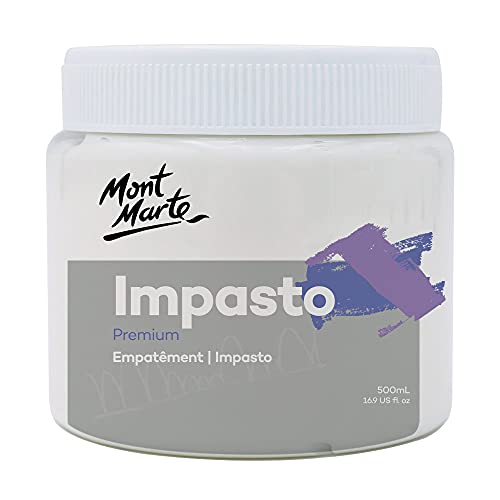
Mont Marte Impasto Acrylic Medium 500ml

The Crafter’s Workshop Matte Gel Medium 8 oz Jar

Handy Art Acrylic Gel Medium 32 oz

Mont Marte Premium Matte Gel Medium MAMD0015

Golden Heavy Gel Gloss 8 oz Jar

GOLDEN Clear Leveling Gel 8 oz Jar
More Details On Our Top Picks
This tube is the easiest entry point into gel mediums, and that matters more than beginners expect. A matte gel like this one thickens acrylic paint while killing shine, which suits moody landscapes, portrait underpaintings, and any piece where glare from a window would ruin the viewing angle.
In practice, you’d mix it into color for glazing, where thin transparent layers stack up to build depth, or spread it over a printed image for photo transfer work. The 200ml squeeze tube keeps things tidy at a shared table or a small home studio.
Strong Points
- Dries clear and matte, so layered colors keep their original tone instead of shifting glossy.
- Extends paint meaningfully, stretching a single tube of acrylic across many sessions.
- Handles both wet translucency and dry transparency, useful for glazes and transfers alike.
- Tube packaging squeezes out cleanly with less waste than wide-mouth jars.
Things To Consider
- Matte gels can look slightly milky while wet; owners commonly report this clears as it dries.
- Not built for heavy sculptural buildup, so palette knife work will feel limited.
Who It Suits Best
Students and hobby painters who want an affordable matte medium for glazing, extending color, and occasional transfer experiments.
Where Another Pick Suits Better
Painters chasing thick, dimensional strokes should reach for the Mont Marte Impasto Acrylic Medium instead.
Liquithick does something unusual: it makes water-based acrylic behave like oil or encaustic paint, with that slow, buttery drag artists pay a premium for. Compared to the U.S. Art Supply matte gel above, this one is purely about body and handling rather than sheen control.
It also stays honest with opaque colors, adding thickness without pushing them toward transparency. That makes it a favorite for sculptural marks where you want the color itself to read exactly as mixed.
What We Like
- Gives acrylic the handling feel of oil paint, ideal for expressive, loaded-brush strokes.
- Works equally well with opaque colors since it doesn’t shift transparency.
- Creates strong matt-finish sculptural effects on canvas or board.
Worth Noting
- Liquitex advises keeping it under roughly 25% of the mix, because the gel carries little binder and overdoing it can weaken the dried paint film.
- The 237ml bottle goes quickly when you’re building large textured areas.
At A Glance
Made For
Intermediate and advanced painters who love impasto texture and want oil-like drag from their acrylics.
Consider Something Else When
If your priority is affordable everyday glazing, the Liquitex BASICS Gloss Gel below covers that ground for less.
Where Liquithick specializes, BASICS generalizes, and that’s exactly why it earns a spot here. This gloss gel comes from Liquitex’s student-focused line, priced for people who go through medium quickly, yet it still carries real acrylic resin inside.
That resin detail matters more than it sounds. Because the gel contains binder, mixing it generously into your paint maintains the strength of the dried film instead of diluting it, so you can extend color aggressively without worrying about cracking later.
Highlights
- Contains acrylic resin, so heavy mixing keeps the paint film stable rather than weakening it.
- Gloss finish deepens color saturation, making darks richer and glazes glow.
- Adjusts flow, texture, and working time in one bottle, covering most beginner needs.
- Economical sizing suits classrooms and frequent practice sessions.
Small Caveats
- Gloss sheen isn’t everyone’s taste; some finished pieces call for a flatter surface.
- Student-grade formulation may feel slightly less refined than Liquitex’s professional line.
Right Fit For
Beginners, students, and teachers who need a dependable do-everything gloss gel at a friendly price point.
Look Elsewhere When
Working artists needing maximum flexibility and archival confidence will prefer the Golden Soft Gel Gloss reviewed next.
Ask around any shared studio and someone will point you to Golden, and the Soft Gel Gloss is the reason why. Its soft-body consistency is the most versatile in the lineup: thin it for glazes, mix it to extend color, or use it straight as an adhesive for collage papers.
Unlike the BASICS gloss above, this is a professional formulation with documented flexibility once cured, plus resistance to chemicals, water, and UV exposure. For pieces meant to last decades, that difference is real.
Reasons To Buy
- Clear-drying soft body handles glazing, extending, sheen adjustment, and collage adhesion in one jar.
- Dried film stays flexible, reducing crack risk on canvases that get moved or rolled.
- Chemical, water, and UV resistance protect finished work over the long haul.
- Made in the USA by a brand with deep professional credibility.
- Gloss sheen boosts saturation for luminous layered color.
Points To Note
- Jar packaging means a palette knife or brush dips in; some owners decant into squeeze bottles for cleaner dosing.
- Costs more per ounce than student lines, which adds up on large canvases.
Quick Facts
Who Will Love This
Serious hobbyists and professionals who glaze, collage, or sell work and want archival-minded materials.
Swap It Out When
Budget-conscious students practicing technique will find the Liquitex BASICS Gloss Gel covers the basics well enough.
Impasto painting eats medium fast, and this 500ml tub acknowledges that reality. Where Golden’s 8 oz jars suit careful studio work, Mont Marte hands you nearly three times the volume for slathering on texture without wincing at every scoop.
The gel holds brush and knife strokes as it dries, which is the whole point of impasto: ridges, swirls, and palette-knife sweeps that stay put and cast tiny shadows once cured. Cleanup is plain soap and water, so a messy session never turns into a solvent situation.
Bright Spots
- Retains brush strokes and knife marks, keeping dimensional texture intact after drying.
- Dries clear, so overlaid color reads true instead of clouded.
- 500ml volume supports big canvases and repeated texture layers affordably.
- Water cleanup keeps brushes and tools easy to maintain.
Softer Spots
- Thick applications take noticeably longer to cure fully, so plan drying time between layers.
- Tub lid sealing deserves care; dried gel around the rim is a commonly reported nuisance.
Feature Snapshot
Whose Shelf It Belongs On
Palette knife enthusiasts and abstract painters laying down bold, physical texture on larger surfaces.
Another Choice May Suit
Detail-oriented glazers working thin layers will get more mileage from the U.S. Art Supply matte gel at the top of this list.
This one blurs the line between art supply and craft supply, in a good way. The Crafter’s Workshop positions its matte gel as a three-in-one: glue, sealer, and finishing coat, which covers most of what a mixed media journal or collage session demands.
Spread it through stencils onto wood, paper, or canvas for raised matte patterns, or brush it under and over torn ephemera. The gel dries clear and flat, so layered book pages and delicate papers stay visible without wrinkles or shine stealing attention.
Plus Points
- Functions as adhesive, sealer, and finish, replacing several bottles on a crowded craft desk.
- Stencils cleanly onto collage, canvas, wood, and paper for dimensional designs.
- Dries clear and matte, preserving watercolor layers and fragile papers invisibly.
- Applies smoothly with a palette knife for controlled coverage.
Honest Caveats
- Fine-art painters wanting pure paint extension may find the crafting orientation less precise.
- Thick gel can hold tool marks; smooth finishes need deliberate spreading.
Who Should Grab It
Mixed media journalers, decoupage fans, and stencil artists who want one versatile matte gel for glue-and-seal duty.
Reach For A Different Pick When
Traditional painters after a dedicated fine-art matte extender will likely prefer the Mont Marte Premium Matte Gel covered shortly.
Thirty-two ounces changes how freely you work. With the Handy Art jug, mixing a quarter cup into every color on the palette stops feeling extravagant, which is precisely why art rooms and community studios lean on it.
The gel goes on white and dries clear and transparent, letting saturated color sit undisturbed beneath added texture. It’s certified AP non-toxic and made in the USA, two details that matter in classrooms with younger students.
Standout Traits
- 32 oz jug supports whole-class projects and months of regular mixing.
- Builds viscosity and body for impasto-style dimension at low cost per ounce.
- Dries transparent, keeping original color saturation vibrant underneath.
- AP non-toxic certification and soap-and-water cleanup simplify classroom logistics.
Trade Offs
- Wide-mouth jug needs prompt lid tightening or the surface can skin over between sessions.
- Less refined handling than premium brands, noticeable in very fine glaze work.
Core Details
Best Suited To
Art educators, workshop leaders, and prolific painters who burn through medium faster than small tubes allow.
Where A Sibling Pick Shines
Solo artists wanting smaller quantities with glossier depth should compare the Liquitex BASICS Gloss Gel earlier in this list.
Mont Marte appears twice on this list for different jobs, and this Premium Matte sits at the finer end. Where the 500ml Impasto tub is about raw texture, this 250ml matte gel is about finish quality: extending and thickening paint while leaving a clean, flat, non-reflective surface behind.
You may find it especially handy for contemporary pieces destined for photography, where gloss hotspots would otherwise flare under lights. The product code MAMD0015 identifies it within Mont Marte’s premium medium range.
Upsides
- Delivers a genuinely matte dried surface, flattering muted palettes and photographic reproduction.
- Extends and thickens acrylic in one step, simplifying palette prep.
- 250ml size balances value against shelf life for casual users.
Minor Gripes
- Source details beyond finish and size are sparse, so verify suitability for specialized techniques before committing.
- Matte films can appear slightly chalky over very dark pigments, depending on your mixing ratio.
The Right Fit
Contemporary painters and illustrators who want dependable matte extension without paying professional-brand premiums.
Not Your Match When
Artists needing glossy, light-catching depth will get better results from the Golden Soft Gel Gloss reviewed earlier.
Think of this as the Soft Gel Gloss’s stronger sibling. Same trusted Golden chemistry, same clear-drying gloss, but a much thicker body that holds peaks and knife ridges the way frosting holds a swirl, which is about as far as the food comparisons should go.
Compared to the Mont Marte Impasto tub, the Heavy Gel offers tighter quality control and a proven professional track record, at the cost of a smaller jar. Painters who mix stiff texture blends tend to consider that trade worthwhile.
Positives
- Thick consistency retains sculptural shape, holding peaks and ridges after drying.
- Clear-drying gloss preserves translucency and boosts color depth simultaneously.
- Doubles as an extender, sheen adjuster, and collage adhesive like its softer sibling.
- Professional-grade film flexibility suits canvases that travel or flex.
Areas To Watch
- Stiff body takes muscle to blend thoroughly; a sturdy palette knife helps.
- 8 oz runs short during large texture-heavy commissions.
Perfect Match For
Experienced impasto painters who want professional reliability in a manageable jar size.
Skip It When
High-volume texture work calls for the bigger, cheaper Mont Marte Impasto tub instead.
Every other gel on this list builds texture; this one erases it. Clear Leveling Gel carries a stringy, resinous consistency that settles into an even, glass-smooth film as it dries, formerly sold under the Self Leveling name many long-time Golden users still recognize.
Blend it with Golden colors for pour-like glazes or brush it over a finished layer to unify sheen. The cured film stays flexible and high-gloss, giving poured sections a polished, almost lacquered clarity.
Best Bits
- Levels itself into an even film, minimizing brush marks and ridges automatically.
- Excellent clarity produces glassy, high-gloss pours and glazes.
- Flexible dried film resists cracking on moving substrates.
- Blends readily with other Golden acrylics for custom glaze mixes.
Room For Improvement
- The stringy texture can pull threads off the brush; owners often suggest working slowly.
- Longer leveling time means patience before stacking subsequent layers.
Details At A Glance
Built With In Mind
Pour-style painters and glazing specialists chasing mirror-flat, glossy surfaces with zero texture.
A Better Fit Elsewhere
Artists who actually want visible stroke texture should pick the Golden Heavy Gel Gloss just above.
What Matters Most Before Choosing Acrylic Paint Gel Mediums
Match Consistency To Your Technique
Consistency is the first fork in the road. Soft gels blend easily and suit glazing and extending, heavy gels hold sculptural peaks, and leveling gels flatten themselves into smooth films. Buying a heavy gel for thin washes, or a soft gel for knife work, sets you up for frustration regardless of brand quality.
Decide Between Matte And Gloss Early
Sheen changes how finished work reads. Gloss deepens saturation and catches light, which flatters rich color layering, while matte keeps surfaces calm and photographs cleanly. Some painters keep one of each and choose per piece, a habit worth copying once you know your preferences.
Respect Mixing Ratios And Binder Content
Mediums containing acrylic resin strengthen the paint film as they extend it, so generous mixing stays safe. Binder-free thickeners behave differently: manufacturers typically cap recommended proportions because exceeding them can weaken the dried layer. Reading those limits before you mix protects months of work.
Weigh Volume Against Commitment
A 200ml tube lasts a casual painter a season, while a 32 oz jug makes sense only for classrooms or daily production. Starting small costs a little more per ounce but lets you test how a gel handles before stocking up.
Key Considerations Across These Picks
Traps First Timers Fall Into
The most common slip is buying on price alone and ending up with a consistency your technique can’t use. Another frequent misstep is ignoring sheen until the finished painting photographs badly. Skim the label for finish, body, and ratio guidance before anything else.
What Separates Premium From Basic
Higher-tier gels bring finer grinding, more consistent drying, and documented film flexibility and resistance. Student lines remain perfectly usable for practice, though, so the upgrade pays off mainly once your work leaves the sketchbook and starts hanging on walls.
Frequently Asked Questions
Can gel mediums be mixed with any acrylic paint?
Yes, they’re formulated for standard water-based acrylics across student and professional grades. Stick to the manufacturer’s suggested mixing proportions for the best dried results.
Do gel mediums change the color of my paint?
Quality gels dry clear, so hue and saturation stay essentially intact. Gloss versions deepen apparent richness while matte versions leave tones looking slightly flatter.
How long does a gel medium take to dry?
Thin mixes can be touch-dry within hours, while thick impasto applications may need days to cure fully. Humidity and layer thickness are the biggest variables.
Are gel mediums safe for kids’ art projects?
Many carry non-toxic certifications such as AP seals, and cleanup requires only soap and water. Supervision still helps, mostly to keep lids closed and brushes clean.
Can I use gel medium for photo transfers?
Yes, several matte and soft gels handle image transfer techniques well. Apply the gel over a printed image, let it dry completely, then rub away the paper backing.
Closing Thoughts
Choosing among these ten comes down to one honest question: what does your current work demand? Thin luminous glazes point toward the U.S. Art Supply matte or the Golden Soft Gel, bold texture points to either Mont Marte option or the Golden Heavy Gel, and flawlessly smooth pours belong to the Clear Leveling Gel. Start with the job in front of you, buy the smallest sensible size, and let your own canvases tell you what to stock next.
