
Every painter knows the frustration: paint that beads up on slick plastic, sinks into raw canvas, or flakes off a model after a week. A good primer fixes all of that before it starts. This roundup covers ten options for acrylic painters, miniature hobbyists, mixed-media artists, and crafters who want their color to stick, stay true, and look clean. Some are classic white gessos, others are clear formulas or airbrush-ready sprays, and one is even a brush set to apply them with. Match the pick to your surface and workflow, and your finished pieces will thank you.
The Shortlist At A Glance
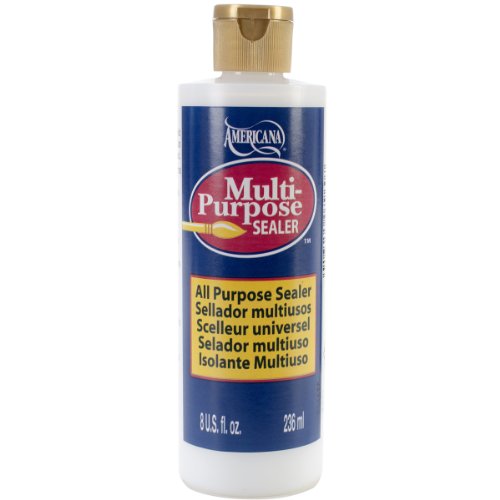
DecoArt DS17-9 Multi Purpose Acrylic Primer & Sealer 8 Oz

FolkArt 7232 Clear Primer 8 oz.

GRANOTONE Gloss & Matte Acrylic Varnish Combo 100 ml

The Crafter’s Workshop Clear Gesso Primer 8 oz Jar
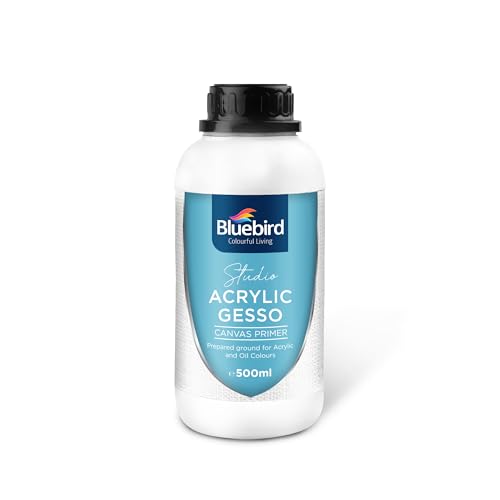
BLUEBIRD Studio Acrylic Gesso (White, 16.9 Fl Oz)

Bluebird Premium Gesso Brush Set of 3

Nicpro Surface Primer Airbrush Paint (2oz), Matte Finish

Nicpro Surface Primer Airbrush Paint (8.45oz)

Artecho White Gesso 16.9oz / 500ml

U.S Art Supply Surface Primer Airbrush Paint, 3 Color Set
More Details On Our Top Picks
DecoArt has been a fixture in craft aisles for decades, and this 8-ounce bottle carries that reputation. It does two jobs at once: sealing porous material like raw wood so paint doesn’t soak in unevenly, then giving acrylics something to grip.
In a busy craft room, that one-step behavior saves real time. You brush it on, let it dry, and move straight to color instead of juggling separate sealer and primer sessions.
Strong Points
- Combines sealing and priming, cutting a whole pass off project prep
- Small 8-ounce bottle stores easily in a crowded craft drawer
- DecoArt’s long track record means replacement stock is easy to find
- Works well under decorative acrylic paints on wood blanks and plaques
Things To Consider
- The 8-ounce size runs out quickly on large canvases or repeated furniture pieces
- Formulated for crafts rather than fine-art surfaces, so gesso fans may prefer a dedicated option
Who It Suits Best
Casual crafters painting wooden signs, seasonal decor, and small DIY pieces will get the most mileage here.
Where Another Pick Suits Better
Fine artists prepping stretched canvas should look at the BLUEBIRD Studio Acrylic Gesso, which comes in a much larger bottle built for studio volume.
Where the DecoArt seals and primes in white-leaning fashion, FolkArt’s 7232 goes on clear and stays flexible once dry. That flexibility matters on surfaces that bend or flex, since rigid primers can crack along with the substrate.
The clever part is mixability. Stir a bit of your favorite FolkArt acrylic straight into the primer and you get a tinted base coat in one pass, handy for matching a background before detail work begins.
What We Like
- Clear formula keeps underlying colors and grain visible
- Mixes with acrylic paint to create custom colored bases
- Adheres across wood, metal, rigid plastic, ceramics, canvas, and paper
- Lightweight body brushes out smoothly without heavy buildup
Worth Noting
- Clear primers offer less hiding power than white gesso when covering dark surfaces
- Rigid plastic still benefits from light sanding first for maximum grip
At A Glance
Made For
Multi-surface crafters who bounce between glass jars, ceramic tiles, and wooden cutouts in a single afternoon.
Consider Something Else When
Model builders spraying tiny parts will find the Nicpro 2oz airbrush primer trio far better suited to their workflow.
This one plays a different position on the team. Varnish isn’t a primer at all; it’s the protective topcoat you apply after the paint has fully cured. GRANOTONE bundles both ends of the finish spectrum in one purchase: a high-gloss bottle that deepens color saturation, plus a matte bottle that keeps glare down under gallery lighting.
Owning both means you can decide the final mood per piece rather than committing to one sheen forever. At 100 ml per bottle, they’re pour-and-brush friendly sizes for tabletop art and craft canvases.
Highlights
- Two finishes in one combo, gloss for punch and matte for subtlety
- Gloss coat enriches color depth on finished paintings
- Matte coat suits pieces displayed near bright windows or lights
- Compact bottles are easy to store and decant from
Trade Offs
- 100 ml won’t stretch far over large canvases or multiple coats
- It protects after painting, so it can’t replace an actual primer in your prep routine
Right Fit For
Painters finishing small works, poured-art tiles, and craft pieces who want flexibility between glossy and flat results.
Not Your Match When
You need surface preparation before painting; the Artecho White Gesso handles that job properly.
Thin Bible pages, acetate sheets, old photographs, and journal paper share one problem: they’re too slick or fragile for wet media. Regular gesso solves grip but buries whatever’s printed underneath. This clear version threads the needle, adding tooth while letting the page show through.
It dries to a matte finish with just enough texture to hold pencil, ink, pastel, and paint without smudging. Journaling communities have kept this jar in steady circulation for years, which says plenty about how well it fits that niche.
Upsides
- Preps slick or delicate pages without hiding printed text or images
- Dries clear and matte, keeping layouts legible
- Adds subtle tooth so dry media stops sliding around
- Jar format lets you scoop, thin, or tint the contents freely
Minor Gripes
- Jars need occasional stirring since the solids settle during storage
- Thin coats are essential on fragile paper; heavy application can wrinkle pages
Quick Facts
Who Will Love This
Bible journalers, scrapbookers, and mixed-media artists working over printed or photographic backgrounds.
Look Elsewhere When
You want opaque white coverage on canvas; the BLUEBIRD Studio Acrylic Gesso delivers that traditional gesso look instead.
Gesso, for anyone new to the term, is the chalky white base coat that turns raw canvas into a paint-ready surface. BLUEBIRD sells it by the liter, roughly 16.9 fluid ounces, which translates to weeks of regular studio sessions before a reorder.
The liquid consistency spreads thinly and dries quickly to an even matte ground. That speed matters most when you’re batching several canvases at once, since a second coat can usually go down the same day. It also plays nicely beyond acrylics, accepting oil and mixed-media layers on top.
Standout Traits
- Liter-sized bottle supports multiple large canvases per purchase
- Fast, even drying keeps multi-coat sessions moving
- Suitable under acrylic, oil, and mixed-media work
- Smooth matte ground improves paint adhesion noticeably
- Handles canvas, wood, and paper alike
Softer Spots
- White-only formula offers no clear or tinted options in this listing
- Thin liquid may need extra coats to build heavy texture
Whose Shelf It Belongs On
Studio painters and art students burning through canvas regularly will appreciate the volume-to-price balance.
Swap It Out When
Your priority is protecting finished work rather than prepping it; the GRANOTONE varnish combo serves that stage better.
Here’s a practical truth: gesso is abrasive, and dragging it through your good sable rounds ruins them fast. A dedicated set of application brushes saves your finer tools. Bluebird ships three sizes, so wide canvases get broad strokes while smaller panels and edges stay tidy.
These also pull double duty applying primers and thick acrylic layers, making them useful well beyond prep day. Families running kids’ craft sessions tend to reach for sets like this precisely because nobody cries over a ruined heirloom brush afterward.
Bright Spots
- Three sizes handle everything from full canvases to narrow edges
- Built from durable materials that tolerate gritty gesso
- Doubles as applicators for primers and heavy-body acrylics
- Keeps expensive detail brushes out of harm’s way
Points To Note
- Rinse promptly after each session; dried gesso stiffens bristles permanently
- It’s an accessory, so you’ll still need a primer itself from elsewhere on this list
Who Should Grab It
Hobbyists, teachers, and parents stocking a shared craft station where brushes take constant abuse.
Another Choice May Suit
Airbrush users don’t need bristles at all; the U.S Art Supply spray primer set pairs better with their equipment.
Miniature painters live by the basecoat. This Nicpro trio arrives ready to spray straight from the bottle, in the three shades that matter: black for shadowed undersides, gray as the all-purpose default, and white for bright color schemes. Each bottle holds 2 ounces, about 60 ml.
The small volumes are genuinely useful here. You can test which undercoat shade flatters your painting style before committing to bigger bottles, and nothing sits half-used on a shelf for months.
Reasons To Buy
- Ready-to-spray formula needs no separate thinning step
- Three classic undercoat colors cover most miniature schemes
- Matte finish gives subsequent paint layers good bite
- Small bottles suit beginners learning airbrush control
Small Caveats
- Flush your airbrush with water or cleaner after every session to prevent clogs
- 60 ml per color disappears quickly on armies of figures or vehicle models
Core Details
Best Suited To
Newer airbrush owners and miniature painters experimenting with undercoat colors on plastic models and figures.
Reach For A Different Pick When
You prime weekly and burn through small bottles; the larger 8.45oz Nicpro set cuts cost per milliliter considerably.
Same three colors as the smaller Nicpro set, but each bottle holds 250 ml instead of 60. For anyone priming regularly, that difference adds up fast. Batch-priming a squad of miniatures or a full model kit no longer feels like rationing.
The water-based formula cleans up with plain water, which keeps maintenance simple compared to solvent-based sprays. It’s also gentle enough for shared household workspaces, though supervision around younger children is still sensible given the warning labeling.
Plus Points
- 250 ml bottles support frequent, high-volume priming sessions
- Water-based cleanup keeps airbrush maintenance quick
- Good coverage builds a reliable base for topcoats
- Same trusted black, gray, white trio as the starter set
Areas To Watch
- Thorough post-session cleaning remains essential; dried primer inside an airbrush nozzle causes clogs
- Larger bottles take up more shelf space in compact hobby corners
The Right Fit
Intermediate and veteran model builders who spray primer weekly and want fewer reorders interrupting their painting queue.
Where A Sibling Pick Shines
Complete newcomers unsure which shades they’ll actually use should start with the 2oz Nicpro trio before scaling up.
Artecho competes directly with the BLUEBIRD liter bottle, and the honest comparison comes down to finish character. This gesso leans opaque, laying down a solid white ground that blocks dark surfaces in fewer passes. Once cured, it resists water and holds its brightness over time thanks to fade-resistant pigment.
Classrooms and student studios favor formulas like this because coverage is forgiving. You can slap a coat onto recycled cardboard, wood scraps, or cheap canvas and get a uniform painting surface regardless of what’s underneath.
Best Bits
- High opacity hides dark or uneven backgrounds efficiently
- Water-resistant once dry, standing up to damp storage or handling
- Fade-resistant pigment keeps grounds looking fresh
- Applies smoothly by brush or palette knife for varied textures
- Non-toxic, water-based formula suits shared spaces
Honest Caveats
- Allow full drying before painting over it, or adhesion suffers
- Thick palette-knife applications need longer cure times than thin brushed coats
Feature Snapshot
Perfect Match For
Students, teachers, and budget-conscious painters who need dependable opaque coverage across mixed scrap surfaces.
Skip It When
You prefer a thinner, faster-flowing liquid gesso for smooth modern finishes; the BLUEBIRD Studio Acrylic Gesso flows more freely.
Compared to the Nicpro sets earlier in this list, U.S. Art Supply differentiates on chemistry. Its primer uses a water-based acrylic polyurethane blend that self-levels, meaning minor brush or spray marks flatten out as it dries. The result is a harder, more durable matte shell over your models.
Each of the three 4-ounce bottles lands between the Nicpro sizes, striking a middle path for hobbyists who prime steadily but not industrially. Adhesion is the headline claim, and it shows on slick plastics where cheaper primers chip at the edges.
Positives
- Self-leveling formula smooths out application marks on its own
- Polyurethane backbone cures to a hard, chip-resistant matte
- Strong adhesion grips tricky plastic model surfaces
- Mid-size 4 oz bottles balance value against shelf space
Room For Improvement
- Primarily designed for airbrush application, so hand-brush users lose some benefit
- Only three fixed shades; custom-tinting isn’t part of the design
Details At A Glance
Built With In Mind
Serious airbrush hobbyists priming plastic kits and figures who want maximum durability from their basecoat.
A Better Fit Elsewhere
Casual painters who prime occasionally will find the 2oz Nicpro trio easier on the wallet and the shelf.
What Matters Most Before Choosing Acrylic Paint Primers
Match The Primer To Your Surface
Porous materials like raw canvas and unfinished wood drink up liquid, so they need an opaque gesso or a sealing primer. Slick surfaces such as plastic, acetate, and glazed ceramic need something with genuine gripping power instead. Painting over printed pages calls for a clear formula that preserves what’s beneath. Identify your dominant surface first, then shop second.
Decide Between Brush And Spray Application
Brush-on gessos give you control and texture, and they suit canvas work beautifully. Airbrush primers win on miniatures, models, and anything with crevices a brush can’t reach cleanly. Spray formulas demand cleaning discipline after every session, since dried primer inside a nozzle ends an evening quickly. Choose the method that matches the tools already on your desk.
Volume Versus Commitment
Small bottles keep costs low while you learn a product, but frequent painters pay more per ounce over time. A liter of gesso sounds excessive until you realize two coats on a dozen canvases consumes it. Estimate your monthly usage honestly, then size up accordingly.
Finish Shapes Everything After
Matte grounds give paint something to hold, gloss varnishes deepen final color, and clear primers protect visibility. Think about the entire lifecycle of the piece, prep through protection, before settling on a single bottle.
Key Considerations Across These Picks
Traps First Timers Fall Into
Grabbing a varnish thinking it primes, or vice versa, tops the list; they serve opposite stages. Skipping surface cleaning before application is another common stumble, since dust locks under the coat permanently. Also, buying huge volumes of an untested brand rarely pays off.
What Separates Premium From Basic
Higher-tier primers add self-leveling chemistry, stronger polymers like polyurethane, and finer pigment grinding. Those upgrades translate to smoother coats, better adhesion on difficult plastics, and fewer visible brush marks. Casual crafters rarely notice the difference; daily painters feel it immediately.
Frequently Asked Questions
Can I skip primer and paint directly on canvas?
Store-bought canvases usually come pre-primed, so yes for casual work. Raw canvas, wood, and plastic always benefit from a proper base coat.
How many coats of gesso do I need?
Two thin coats suit most surfaces, with light sanding between for extra smoothness. Heavy-texture styles may want three or more.
Is clear primer as effective as white gesso?
It provides comparable grip but almost no hiding power. Dark surfaces will show through, which is either a feature or a flaw depending on your goal.
Do airbrush primers work with regular brushes?
They can be brushed in a pinch, though the self-leveling benefits diminish. These formulas are engineered for spray application.
How should I store leftover primer?
Seal the container tightly and keep it at room temperature away from freezing. Stir before each use since solids settle over time.
Closing Remarks
Your best choice depends entirely on what sits on your workbench. Canvas painters should start with the BLUEBIRD or Artecho gessos, journalers belong with The Crafter’s Workshop, and miniature hobbyists have three solid spray options waiting. Whichever direction you go, a properly primed surface makes every later step easier, and that’s a habit worth building early.
