
A finished acrylic painting or craft project deserves more than a shelf spot. Dust, moisture, and handling slowly dull unprotected paint, and a good sealant stops that before it starts. This roundup covers primers, varnishes, and specialty finishers for canvases, wood crafts, leather work, and paint-by-numbers kits, so you can match the right product to what you actually make.
The Shortlist At A Glance
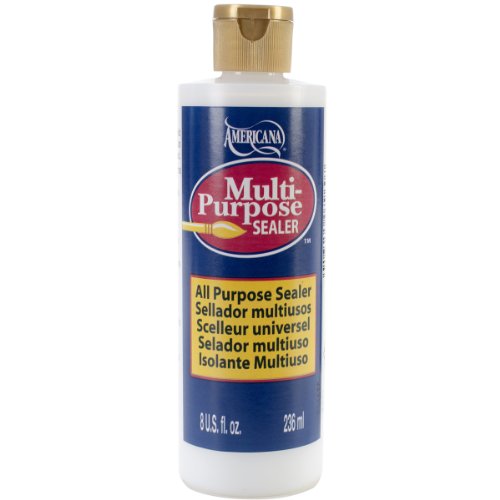
DecoArt DS17-9 Multi Purpose Acrylic Primer & Sealer 8 Oz

FolkArt 7232 Clear Primer 8 oz.

GRANOTONE Gloss & Matte Acrylic Varnish Combo

Colorful 2.5oz Matte Acrylic Leather Finisher

Nicpro Clear Acrylic Paint Sealer 33.8oz Gloss Varnish

Nicpro Clear Acrylic Paint Sealer 4oz Gloss Varnish

Acrylic Paint Sealer for Paint by Numbers

Bluebird Signature Gloss Varnish for Acrylic Painting (Gloss, 3.4 Fl Oz)

Gloss & Matte Varnish for Acrylic Painting, 2 x 100ml

Acrylic Varnish High Gloss 8.45 fl oz
More Details On Our Top Picks
DecoArt has been a fixture in the craft aisle for decades, and this 8-ounce primer and sealer shows why. It works as both a base coat and a protective layer, which means one bottle handles two jobs most crafters end up buying separately. For anyone prepping raw wood, terra cotta, or porous surfaces before acrylics go down, that dual role saves real time.
In practice, you’d brush it on, let it dry, then paint straight over it. The honest read is that it’s a workhorse rather than a showpiece: no fancy finish claims, just reliable surface prep from a brand with a long track record.
Strong Points
- Doubles as primer and sealer, so one purchase covers prep and protection
- The 8 oz bottle lasts through multiple small craft projects without going stale
- DecoArt’s long history in craft supplies means wide compatibility with their acrylic lines
- Brushes on cleanly over porous materials like unfinished wood
Things To Consider
- It’s a prep product first, so finished pieces still need a dedicated topcoat varnish for gloss or UV defense
- Shake well before use; separation between coats is commonly reported with water-based primers left sitting
Who It Suits Best
Casual crafters and DIY decorators who want dependable surface prep without juggling multiple specialty products.
Where A Sibling Pick Shines
Painters who already have a sealed surface and need a glossy topcoat will get more mileage from the Nicpro Clear Acrylic Paint Sealer 4oz Gloss Varnish instead.
Where the DecoArt pick leans on brand heritage, FolkArt’s clear primer wins on flexibility. Because it dries transparent, you can mix it directly with any FolkArt acrylic to create a custom tinted base coat, something a white primer simply can’t do. That trick matters on projects where your first coat needs to match the final color scheme.
The manufacturer lists an unusually broad surface range: wood, metal, rigid plastic, ceramics, canvas, and paper. In a busy mixed-media setup, that versatility means fewer bottles cluttering your shelf. The lightweight formula also keeps painted plastic and paper from feeling stiff or heavy.
What We Like
- Mixes with acrylic paint for a colored base, cutting down the number of topcoats needed
- Adheres across wood, metal, rigid plastic, ceramics, canvas, and paper
- Clear drying means no chalky white undertone under light paint colors
- Lightweight feel preserves flexibility on bendable substrates
Worth Noting
- As a primer, it’s step one of two; you’ll still want a finishing varnish like the GRANOTONE combo for final protection
- Stickiness during long dry times in humid rooms is a common water-based primer complaint, so plan for good airflow
At A Glance
Made For
Mixed-media crafters who bounce between wood signs, ceramic blanks, and canvas and want one primer that follows them everywhere.
Consider Something Else When
Anyone sealing finished artwork rather than prepping bare surfaces should reach for the Bluebird Signature Gloss Varnish instead.
Finishing a piece usually forces a choice: shiny or soft? This GRANOTONE set sidesteps that by shipping one 100 ml high-gloss bottle alongside one 100 ml matte bottle. You can test both finishes on scrap before committing, or mix approaches within a single series of paintings.
Gloss deepens color saturation and makes details pop, while matte keeps things understated and photograph-friendly. Compared with the single-finish Nicpro bottles later in this list, the trade-off here is smaller volume per finish, but for occasional painters that’s rarely a problem. Two small bottles beat one large bottle of the wrong sheen.
Highlights
- Both finishes included, so you can match sheen to each individual piece
- Gloss formula enhances color depth and detail visibility
- Matte option suits work destined for photography or low-glare display
- 100 ml bottles stay fresh longer than large containers opened infrequently
Small Caveats
- Total combined volume is modest, so heavy studio users will empty it quickly
- Apply thin coats; thick single passes of varnish are widely reported to dry unevenly
Right Fit For
Budget-minded hobbyists and gift-makers who want finish flexibility without committing to a big bottle of one sheen.
Swap It Out When
Classroom teachers sealing dozens of student pieces per term should look at the larger Nicpro 33.8oz pump bottle instead.
Most varnishes in this roundup are built for canvas and wood, but painted leather is its own beast. Flexing, bending, and body oils crack stiff coatings fast, which is exactly why a dedicated leather finisher exists. This 2.5 oz matte formula is designed specifically to lock in leather artwork while keeping the surface supple enough to move with the material.
The matte top finish suits smooth leather especially well, adding depth without the plasticky shine a gloss would create. Wallets, journal covers, and tooled cuffs are the obvious use cases. One thing worth considering: the small bottle reflects the niche audience, so general canvas painters gain nothing here.
Bright Spots
- Formulated specifically for leather, where generic varnishes tend to crack
- Matte finish preserves the natural look of smooth leather
- Small 2.5 oz size stores easily in a craft kit or tool roll
Points To Note
- Limited to leather work; canvas and wood artists should skip it entirely
- Thin application matters, since heavy buildup on flex points is a commonly reported failure mode with leather coatings
Quick Facts
Whose Shelf It Belongs On
Leather crafters who paint, dye, or tool smooth leather goods and need a flexible protective topcoat.
Not Your Match When
Canvas painters after a traditional gallery varnish will find the EIGTWEN Gloss & Matte pair far more suitable.
Volume changes everything in a classroom or busy studio, and this liter-sized Nicpro bottle is built around that reality. At 33.8 ounces, it holds roughly eight times the contents of the 4 oz version reviewed below, and the built-in pump dispenser means no pouring, no drips down the label, and no waste when you only need a splash.
The water-based formula dries clear and flexible with a bright gloss that pushes colors forward. It seals against dust and UV exposure, which matters for pieces hung near windows. For most group settings, that combination of capacity and clean dispensing is the whole argument.
Upsides
- 33.8 oz supply outlasts a full semester of student projects
- Integrated pump dispenses without funnels or spilled varnish
- Dries clear and flexible, so coated canvases resist cracking
- Gloss finish intensifies color vibrancy under gallery lighting
Room For Improvement
- Overkill for someone finishing one painting a month; the 4 oz Nicpro makes more sense at that pace
- Large water-based containers benefit from cool, dark storage to extend shelf life
Who Should Grab It
Art teachers, workshop hosts, and production crafters sealing high volumes of acrylic work on a regular schedule.
Another Choice May Suit
Solo hobbyists working at a slower pace will find the same formula in the friendlier Nicpro 4oz bottle.
This is the little sibling of the 33.8 oz Nicpro above: same gloss varnish concept, scaled down to 120 ml for people who finish a few pieces at a time. The 4 oz format fits a desk drawer, costs less to try, and won’t sit half-full for years losing freshness the way oversized bottles do.
Performance-wise, it delivers the same pitch: long-term sealing against dust, UV rays, and yellowing, with a clear gloss that gives amateur work a professional-looking sheen. In our view, this is the smartest entry point for anyone who has never varnished before and wants to learn thin-coat technique without much at stake.
Plus Points
- Low-commitment size for first-time varnish users
- Protects against dust, UV rays, and yellowing over time
- Clear gloss adds a professional sheen to finished paintings
- Same trusted formula family as the classroom-size Nicpro
Softer Spots
- 120 ml runs out fast on large canvases or multi-piece orders
- No pump dispenser at this size, so careful pouring is on you
Details At A Glance
Best Suited To
Beginner and intermediate painters who complete a handful of canvases per season and want proven protection in a small bottle.
Reach For A Different Pick When
Teachers and frequent sealers should jump straight to the Nicpro 33.8oz pump bottle for better value per ounce.
Paint-by-numbers canvases have their own quirk: visible section lines and slightly uneven coverage that a good gloss varnish can visually smooth over. This SEVENWELL sealer is marketed squarely at that hobby, arriving as a 4 oz milky-white liquid that dries to a transparent protective film. Don’t let the cloudy look in the bottle put you off; that’s normal for many water-based varnishes.
Once cured, the film boosts light reflection off the paint, which sharpens vividness and makes finished kits look more polished on the wall. The brand includes usage guidance, and storage advice is straightforward: room temperature, away from direct sun.
Reasons To Buy
- Tuned specifically for paint-by-numbers canvases and kit paints
- Dried film increases light reflection, making colors look livelier
- Comes with clear application instructions for first-timers
- 4 oz size matches the typical single-kit workload
Honest Caveats
- Milky appearance wet can alarm newcomers until it dries clear
- Heat and sunlight degrade the bottle’s contents, so a cool cupboard is essential storage
The Right Fit
Hobbyists who complete paint-by-numbers kits regularly and want a sealer matched to that exact canvas type.
Look Elsewhere When
Original-art painters wanting a pro-grade, anti-crazing formula will prefer the Bluebird Signature Gloss Varnish.
Bluebird packs three specific engineering claims into this 3.4 oz gloss varnish: non-yellowing, non-toxic, and anti-crazing. That last term deserves a quick definition. Crazing is the network of hairline cracks that appears when a varnish shrinks unevenly as it dries, and it’s the flaw that ruins otherwise great topcoats. A formula designed against it is genuinely useful on thickly painted or textured canvases.
The protective layer guards against dust, moisture, and UV damage while enriching color depth. Compared with the SEVENWELL kit sealer, this one reads as the more serious artist’s tool, though the bottle is similarly sized. Families will appreciate the non-toxic formulation for shared crafting spaces.
Standout Traits
- Anti-crazing chemistry reduces hairline cracking on textured work
- Non-yellowing formula keeps whites and pale tones true over years
- Non-toxic composition suits shared spaces and younger painters
- Guards against dust, moisture, and UV fading simultaneously
- Gloss enriches color depth for gallery-style presentation
Minor Gripes
- Only available in gloss here, so matte lovers need a different pick
- 3.4 oz goes quickly on oversized canvases
Perfect Match For
Dedicated hobby painters and professionals who sell or exhibit work and need crack-resistant, color-safe protection.
Where Another Pick Suits Better
Paint-by-numbers hobbyists on a budget will find the SEVENWELL sealer simpler and purpose-matched to kit canvases.
EIGTWEN’s duo competes directly with the GRANOTONE combo from earlier in the list: two 100 ml bottles, one gloss and one matte. Where it differentiates is the aging-resistance angle. The manufacturer emphasizes resistance to yellowing, wear, and dampness so colors hold over the long haul, which speaks to anyone framing work for permanent display.
The suggested workflow is conventional: let the painting dry fully, then apply the varnish in stages. Patience between coats is the difference between a glassy finish and a streaky one, and that’s true of every product here, not just this pair.
Positives
- Anti-yellowing and aging-resistant formulation for long-term display
- Resists wear and dampness on framed or hung pieces
- Gloss and matte bottles cover both presentation styles
- 100 ml portions suit medium-sized canvases without waste
Trade Offs
- Requires fully dried paint first; rushing this step causes clouding, a widely reported issue with acrylic varnishes
- Combined volume still limits very prolific painters
Who Will Love This
Artists framing finished canvases for lasting display who want both sheen options plus aging protection.
Skip It When
Leather workers need the specialized Colorful Matte Leather Finisher, since standard canvas varnish cracks on flexing hide.
Closing the list is a mid-size gloss specialist from X ARTY HUB. At 8.45 fluid ounces, it sits neatly between the 4 oz starter bottles and the 33.8 oz classroom jug, giving regular painters a sensible middle ground. The headline claim is a sleek, high-gloss sheen that makes colors read deeper and more luminous than they do unsealed.
Protection comes as a triple barrier against UV rays, moisture, and dust, aimed at preventing yellowing, fading, and paint cracking. For bold, saturated pieces meant to catch light across a room, that emphasis on brilliance is the selling point. The caveat is obvious: there’s no matte option, so subtle work needs a different bottle.
Best Bits
- High-gloss sheen intensifies color depth and luminosity
- Triple barrier resists UV, moisture, and dust
- Targets yellowing, fading, and cracking in one formula
- 8.45 oz size bridges hobby and studio volumes
Areas To Watch
- Gloss-only lineup rules out low-sheen finishes
- Multiple thin coats give the best result; single heavy passes risk drips on vertical canvases
Core Details
Built With In Mind
Painters producing vibrant statement pieces for bright rooms who want maximum visual punch from a single varnish.
A Better Fit Elsewhere
Anyone needing both sheens in one purchase should grab the GRANOTONE Gloss & Matte Combo instead.
What Matters Most Before Choosing Acrylic Paint Sealants
Match The Product To The Stage
Primer-sealers like the DecoArt and FolkArt options belong at the start of a project, prepping bare surfaces so paint adheres evenly. Finishing varnishes belong at the end, protecting completed work. Buying the wrong stage product is the most common mismatch in this category, so decide what job the bottle needs to do first.
Sheen Changes The Whole Look
Gloss deepens saturation and catches light, matte stays quiet and photograph-friendly, and satin splits the difference. Hold your finished piece under the lighting where it will actually live before choosing. A gloss that dazzles in a sunny room may overwhelm a dim hallway.
Size Should Follow Your Output
Occasional painters waste money and product on oversized bottles, since water-based varnishes degrade in storage. Weekly painters and classrooms justify the 33.8 oz pump format. Be honest about your pace before picking a volume.
Surface Dictates Chemistry
Canvas, wood, and paper accept standard acrylic varnish happily. Leather flexes, plastic resists adhesion, and each benefits from a purpose-built formula like the Colorful finisher or a broadly compatible primer such as the FolkArt clear.
Key Considerations Across These Picks
Traps First Timers Fall Into
The biggest slip is varnishing paint that hasn’t fully cured, which traps moisture and clouds the finish. Waiting a few extra days beats redoing a piece. Another common error is applying one thick coat instead of two or three thin ones; thin layers level out and dry clearer every time.
What The Higher Tier Buys
Pricier formulas typically add anti-crazing chemistry, UV stabilizers, and non-yellowing resins. Those features matter most for work you’ll display for years or sell. For practice pieces and kids’ crafts, a basic sealer does the job without the premium.
Frequently Asked Questions
Can I use one sealant for both priming and finishing?
Some products, like the DecoArt primer-sealer, handle prep duty, but finished pieces still benefit from a dedicated topcoat. Using both gives the strongest result.
Why does my varnish look milky in the bottle?
Many water-based varnishes appear cloudy when wet and turn transparent as they dry. Always check the dried result before assuming a defect.
How long should acrylic paint dry before sealing?
Most sources recommend waiting until the paint is completely dry, often several days for thick applications. Rushing this step risks cloudiness and trapped moisture.
Do I really need multiple thin coats?
Thin coats level smoothly and dry clearer than one heavy pass. Two to three light layers generally outperform a single thick one.
Is gloss or matte better for photographs of my art?
Matte reduces glare and reflections, making flat photography easier. Gloss can create hotspots under camera flash or direct light.
Bottom Line
Your best pick depends on where the bottle sits in your workflow. Prep bare surfaces with DecoArt or FolkArt, protect finished canvases with Nicpro, Bluebird, or a dual-finish combo, and match specialty surfaces to their dedicated formulas. Start small, apply thin coats, and let everything dry properly. Your finished work will thank you for the patience.
