
Acrylic urethane paints sit at the sweet spot between durability and ease of use, which is why they show up everywhere from kitchen cabinets to car panels. The catch is that the category is crowded, and picking wrong means peeling finishes or a paint that never levels out. This shortlist covers ten options across refinishing, art, and automotive work, matched to real projects rather than spec sheets. Whether you’re repainting cabinet doors on a weekend or spraying a single-stage black topcoat, there’s a fit here for your bench.
The Shortlist At A Glance
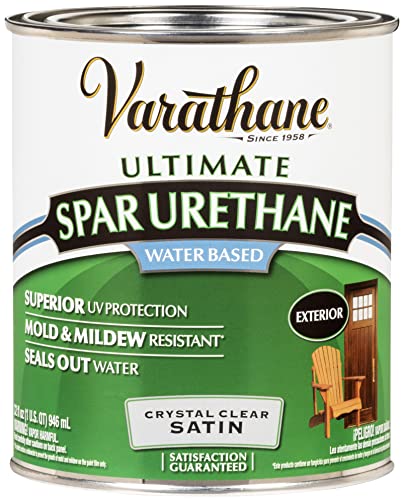
Varathane 250241H Water-Based Ultimate Spar Urethane, Quart

FolkArt 7232 Clear Primer 8 oz.

MEEDEN Titanium White Acrylic Paint 2L /67 oz

INSL-X Cabinet Coat Urethane Acrylic Satin Enamel, 1 Quart

INSL-X Cabinet Coat Urethane Acrylic Semi-Gloss Enamel, 1 Gallon
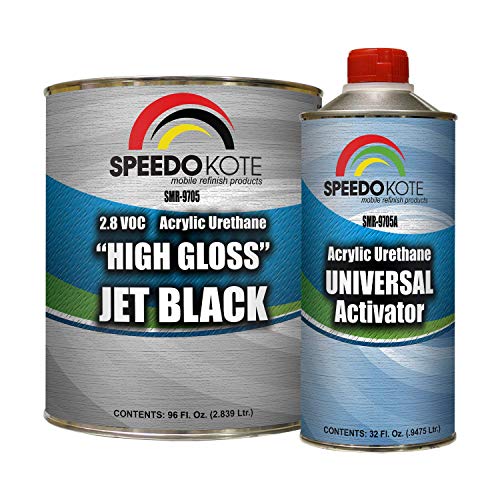
Speedokote High Gloss Jet Black 2K Acrylic Urethane SMR-9705-M

INSL-X Cabinet Coat Urethane Acrylic Semi-Gloss Enamel, 1 Quart

BLUEBIRD Studio Acrylic Paints Primary Colors 6-Pack

Varathane Outdoor Spar Gloss Urethane
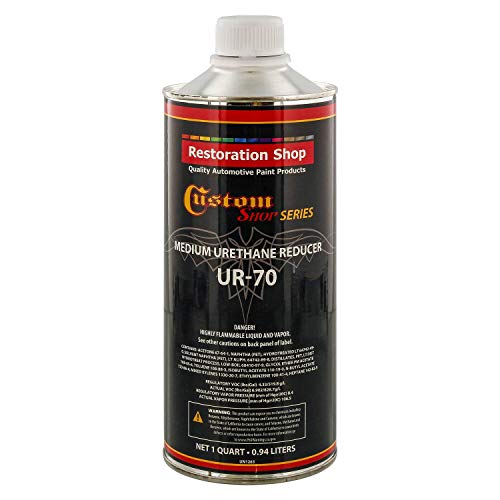
Restoration Shop UR70 Medium Urethane Reducer, Quart
More Details On Our Top Picks
A spar urethane is a topcoat formulated to flex with outdoor wood as it swells and shrinks through the seasons, and this satin quart from Varathane does that job without the solvent smell of oil-based rivals. On an adirondack chair or a front door, you brush it on, wait about two hours, and recoat the same afternoon.
The water-based formula cleans out of brushes with soap and water, which matters more than most shoppers expect once you’re three coats deep. Coverage runs up to roughly 87 square feet per quart, enough for a small patio set.
Strong Points
- Dries to the touch in around 30 minutes, so a full weekend project stays on schedule
- Resists UV exposure and won’t yellow over light-colored woods like pine or maple
- Soap-and-water cleanup saves mineral spirits cost and disposal hassle
- Satin sheen hides minor surface flaws better than a full gloss would
Things To Consider
- Water-based films are generally softer when new, so handle freshly coated pieces gently for several days
- Thin coats matter here; heavy application is commonly reported to cause drips on vertical door faces
Key Specs
Who It Suits Best
DIYers sealing outdoor furniture, windows, or trim who want fast recoats and low-fume application.
A Better Fit Elsewhere
Shoppers chasing a shinier, high-reflectance finish on fences and entry doors will prefer the Varathane Outdoor Spar Gloss Urethane further down this list.
Most craft primers lock you into white, which fights every pastel or jewel tone you layer on top. FolkArt’s clear version sidesteps that by staying transparent while still giving acrylics something to grip, whether the surface is wood, metal, rigid plastic, ceramic, canvas, or plain paper.
The clever part is tinting: mix it directly with any FolkArt acrylic and you get a custom-colored base coat in one step. For a crafter working through a shelf of thrift-store finds, that flexibility stretches an 8-ounce bottle a long way.
What We Like
- Clear base keeps bright colors true instead of muting them over white
- Mixes with FolkArt acrylics for one-step tinted undercoats
- Adheres across wood, metal, plastic, ceramic, canvas, and paper
Worth Noting
- An 8-ounce bottle goes quickly on large canvases or big furniture pieces
- It’s a craft-grade primer, so heavily worn metal still benefits from sanding first
Right Fit For
Hobby painters and DIY decorators who bounce between materials and want one primer that follows them.
Where A Sibling Pick Shines
Absolute beginners after ready-mixed color straight from the bottle will get more immediate results from the BLUEBIRD primary-color six-pack reviewed later.
Ask any pour artist what burns through fastest and the answer is always titanium white. This MEEDEN jug answers that problem with two liters of creamy, heavily pigmented white built for canvas pours, murals, classroom walls, and party crafts where small tubes run dry mid-project.
The consistency matters as much as the volume. A fluid, even texture blends cleanly with pouring mediums and other colors without streaking, and the pigment load gives solid coverage in fewer passes. In our view, that combination is what separates studio bulk paint from cheap filler-heavy whites.
Highlights
- Two-liter volume covers dozens of pours before a refill
- High pigment content delivers opaque coverage without thin, patchy layers
- Smooth, fluent texture mixes evenly with mediums and other hues
- Formulated to non-toxic standards, a practical plus for school and family settings
Small Caveats
- A 67-ounce container needs cool, sealed storage so the rim doesn’t skin over between sessions
- White only, so you’ll still need a separate palette for finished multicolor work
Made For
Pour painters, muralists, and art teachers who consume white faster than any other color.
Swap It Out When
Casual hobbyists painting occasionally will find the BLUEBIRD six-pack’s smaller bottles far easier to store and manage.
Cabinet refinishing lives or dies on adhesion, because kitchen doors take hand grease, steam, and constant touching. This satin quart from INSL-X is engineered to bond directly over existing polyurethane and varnish, skipping the priming step that doubles most refinishing timelines.
The finish it leaves is the real draw: an ultra-smooth, factory-like surface that reads like the doors came that way. Owners commonly report leveling well with a quality brush or sprayer, though thin coats remain the rule for enamel like this.
Reasons To Buy
- Superior adhesion over varnish and polyurethane eliminates a full priming pass
- Satin sheen balances wipeability with a soft, modern look
- Self-leveling behavior helps hide brush marks on flat door faces
- Works on shelving, furniture, trim, and crown molding beyond cabinets
Points To Note
- Greasy kitchen surfaces still need a thorough degreasing wash before coating, no exceptions
- A quart covers limited square footage, so larger kitchens need the gallon version below
Feature Snapshot
Who Will Love This
Weekend refinishers updating a bathroom vanity or a handful of cabinet doors without stripping anything.
Consider Something Else When
Full-kitchen repaints demand the gallon-size INSL-X semi-gloss version, which offers the same chemistry in a bigger pour.
This is the same Cabinet Coat chemistry as the satin quart above, scaled to a gallon and shifted to a brighter semi-gloss sheen. That sheen choice isn’t cosmetic trivia: semi-gloss sheds fingerprints and cooking splatter more readily, which is why it remains the traditional pick for busy family kitchens.
Like its sibling, it grips directly onto old varnish and polyurethane, so a tired oak kitchen can go from dated to clean-lined without chemical strippers. One gallon comfortably covers a typical mid-size kitchen’s doors and frames with coats to spare.
Plus Points
- Gallon volume suits whole-kitchen projects without mid-job store runs
- Semi-gloss surface resists smudges and cleans with a damp cloth
- Direct adhesion over existing finishes removes stripping labor entirely
- Delivers the smooth, factory-style enamel look on doors and trim alike
Softer Spots
- Higher sheen telegraphs surface imperfections, so careful sanding beforehand pays off
- Enamels like this reward patience; rushing recoats commonly causes tackiness
Whose Shelf It Belongs On
Homeowners committing to a complete kitchen or multi-room trim overhaul in classic white.
Reach For A Different Pick When
Testing color on one vanity first? The quart-size satin INSL-X Cabinet Coat keeps the upfront commitment smaller.
A 2K coating means two components: the paint plus a separate activator that triggers a chemical cure, producing a harder film than any air-dry paint can match. This Speedokote kit pairs a three-quarter-gallon can of jet black with a quart of medium activator, mixing at 3:1 to yield a full gallon of sprayable single-stage topcoat.
Single-stage matters because color and gloss arrive in one product, no clearcoat required. The finish targets deep gloss with strong DOI, the industry term for how sharply reflections read in the surface, and the cured film stands up to UV weathering. Garage restorers frequently praise how wet the final passes lay down.
Standout Traits
- Two-part cure produces a hard, durable shell suited to vehicle panels
- High gloss and strong DOI give that deep, mirror-like jet black look
- UV-resistant formulation holds up against sun exposure over time
- Medium activator suits moderate shop temperatures for predictable flow-out
Honest Caveats
- Requires proper respirator protection and ventilation; 2K products are serious shop chemicals
- Mixed material has a limited pot life, so plan your spraying session before opening cans
At A Glance
Who Should Grab It
Experienced DIY auto painters with a proper booth or ventilated garage tackling full resprays.
Not Your Match When
Brush-and-roller users should stay away entirely; for thinning sprayable systems instead, the Restoration Shop UR70 reducer later in this list is the companion piece.
Between the two Cabinet Coat variants already covered sits this quart-size semi-gloss, and it fills a specific gap: testing the finish before committing to gallons. Same direct adhesion over varnish and polyurethane, same smooth factory-style result, just in a quantity sized for a bookshelf, a pair of nightstands, or a hallway closet’s worth of trim.
You may find the semi-gloss slightly less forgiving of surface flaws than the satin, so a quick sanding pass earns its keep here. For cautious first-timers, that smaller can is also a cheaper way to learn the product’s leveling behavior.
Bright Spots
- Quart size keeps small projects affordable and storage simple
- Bonds over existing polyurethane and varnish without priming
- Semi-gloss wipes down easily on touched surfaces like shelving
Minor Gripes
- Too little volume for full kitchens; budget accordingly before starting
- Glossier sheen shows sanding scratches if prep is rushed
The Right Fit
Renters and cautious DIYers refreshing individual furniture pieces or trim runs.
Another Choice May Suit
Larger-scale refinishers should jump to the gallon INSL-X semi-gloss, which carries the identical formula at project scale.
Every color-mixing education starts with red, yellow, and blue, and this BLUEBIRD set packages the primaries plus supporting hues in six 3.4-ounce flip-top squeeze bottles. Compared with the bulk MEEDEN white earlier in this list, this is the opposite philosophy: small, controlled portions that suit beginners, classrooms, and craft tables.
The flip-top design deserves mention because it genuinely changes the experience. You control flow with a gentle squeeze, waste almost nothing, and recapped bottles resist drying out between sessions. Rich pigment keeps mixed secondaries vivid rather than chalky, which is where bargain sets usually fall apart.
Positives
- Vibrant, richly pigmented colors produce clean mixes and lively artwork
- Flip-top bottles give precise flow control with minimal mess
- Resealable caps keep paint usable across multiple sessions
- 3.4-ounce size is generous for crafts yet light enough for kids’ tables
Areas To Watch
- Six colors means frequent mixing for anything beyond basic palettes
- Nozzle tips can clog when caps are left loose, so recap promptly
Perfect Match For
Beginner artists, students, and families stocking a craft drawer with dependable basics.
Look Elsewhere When
Serious pour painters burning through white will find far better value in the 2-liter MEEDEN Titanium White jug.
Where the satin Varathane earlier in this list leans subtle, this gloss sibling goes bold. The higher sheen throws back light and sheds rain more decisively, which suits horizontal, weather-beaten surfaces: deck rails, fence gates, exterior doors, and porch furniture that takes direct sun all season.
Application mirrors its stablemate. The low-odor water-based formula brushes easily, dries to the touch in roughly half an hour, and covers up to about 87 square feet per quart with recoats possible after two hours. The film resists UV yellowing and stands guard against moisture-driven wear on bare wood.
Upsides
- Gloss finish beads water and wipes clean on railings and doors
- UV-resistant film keeps light woods from ambering outdoors
- Fast dry times allow two full coats in one afternoon
- Low odor makes garage or porch application comfortable
Trade Offs
- Gloss magnifies dust nibs, so a tack cloth between coats is worth the minute
- Outdoor coatings generally need reapplication every couple of seasons depending on sun exposure
Best Suited To
Homeowners protecting high-exposure exterior wood where a bright, reflective finish is welcome.
Skip It When
Anyone wanting a muted, contemporary sheen on patio furniture will be happier with the satin Varathane 250241H at the top of this list.
A reducer is the solvent that thins sprayable paint to the viscosity your gun wants, and temperature decides which grade you need. UR70 is the medium option, blended for ambient conditions between 70 and 85 degrees Fahrenheit, where a fast reducer would flash too quickly and a slow one would sag.
Its real strength is range. Beyond Restoration Shop’s own enamels, basecoats, and clearcoats, it works across many other brands’ urethane primers, epoxy primers, and clears, making it a sensible single-quart staple for a mixed garage shelf. Pair it with the Speedokote kit above and you’ve covered most hobby-shop scenarios.
Best Bits
- Mid-temp blend tuned for the 70-85°F range most home shops operate in
- Compatible with acrylic enamels, urethane basecoats, primers, and clearcoats
- Universal enough for many other brands’ urethane systems
- Helps achieve consistent atomization and smoother sprayed finishes
Room For Improvement
- Wrong reducer grade for your shop temperature causes runs or dry spray, so check conditions first
- Solvent products demand sealed storage away from heat sources
Quick Facts
Built With In Mind
Hobby auto painters running assorted paint brands through one gun in a temperate garage.
Where Another Pick Suits Better
Shops in consistently hot climates need a slow-grade reducer instead; this quart is calibrated specifically for mid-range temperatures.
What Matters Most Before Choosing Acrylic Urethane Paints
Match The Chemistry To The Surface
Urethane-modified paints earn their reputation through adhesion and hardness, but they assume compatible substrates. Cabinet enamels like INSL-X bond over existing varnish, while raw metal needs its own primer logic entirely. Identify your surface first, then narrow candidates by what they’re rated to grip.
Sheen Decides Maintenance
Satin hides imperfections; semi-gloss and gloss clean faster but broadcast every flaw underneath. Kitchens and kids’ rooms favor higher sheens, bedroom furniture favors lower ones. Decide how much prep perfection you can deliver before choosing shine level.
Volume Versus Shelf Life
Bulk containers cut per-project cost, yet opened paint skins and thickens over months. Pour artists consuming white weekly benefit from jugs; occasional crafters do better with resealable bottles. Honest self-assessment of your usage pace prevents wasted material.
Respect The Safety Curve
Two-component automotive systems cure chemically and demand respirators, ventilation, and disciplined pot-life timing. Water-based house products are far gentler. Your workspace, not just your skill, determines which tier of this list fits safely.
Key Considerations Across These Picks
Traps First Timers Fall Into
The most common error is buying on volume alone and ignoring substrate compatibility, then blaming the paint for peeling. The second is skipping degreasing on kitchen surfaces, which undermines even the best adhesive formulas. A third: mixing activator ratios by eye instead of by measure, which ruins 2K batches irreversibly.
Where The Extra Money Goes
Higher-tier products spend more on pigment load, resin quality, and consistency control. That translates to fewer coats, smoother leveling, and longer-lasting films. For surfaces you touch daily, like cabinets and doors, the upgrade pays back in reduced redo labor within a year or two.
Frequently Asked Questions
Are acrylic urethane paints suitable for beginners?
Water-based versions like the Varathane and INSL-X options here are very beginner-friendly with soap-and-water cleanup. Two-component automotive systems are best left until you have spray experience and proper safety gear.
Do these paints need a primer?
Several picks, notably the INSL-X Cabinet Coat line, adhere directly over existing varnish and polyurethane. Bare or unfamiliar surfaces generally still benefit from a dedicated primer such as the FolkArt clear option.
How long does an acrylic urethane finish last outdoors?
Well-applied spar urethane typically holds up for a couple of seasons before maintenance coats are wise. Sun intensity and moisture exposure drive the schedule more than the brand does.
Can I brush-apply 2K automotive urethane?
It’s technically possible but strongly discouraged, since brushing defeats the leveling these coatings are designed for. Spray equipment and ventilation are the intended path.
What’s the difference between satin and semi-gloss?
Satin diffuses light softly and conceals minor flaws, while semi-gloss reflects more and wipes down easier. Higher sheen demands smoother prep work underneath.
Closing Thoughts
Ten picks, four very different jobs: sealing outdoor wood, priming craft surfaces, refinishing cabinets, and spraying automotive panels. Start from your actual project rather than the shiniest listing, match the sheen to how much prep patience you have, and respect the safety gap between water-based and 2K chemistry. Get those three calls right and whichever can you open will behave. Happy painting.
