
A finished painting isn’t finished until it’s sealed. Dust, UV light, and handling slowly dull unprotected acrylics, and a good varnish is what stands between your work and that slow fade. Whether you’re sealing weekend paint-by-numbers canvases or gallery-bound pieces, the right finish changes how colors read and how long they last.
This shortlist covers spray, brush-on, matte, gloss, and even isolation coats, so you can match the product to your studio habits rather than forcing your art to fit one bottle.
The Shortlist At A Glance

Krylon K01375000 Gallery Series UV Archival Varnish Spray

DecoArt DS60-9 DuraClear Matte Varnish 8-Ounce

U.S. Art Supply 32 oz Matte Acrylic Sealer Varnish

GRANOTONE Matte Acrylic Varnish 100 ml

GRANOTONE Gloss & Matte Acrylic Varnish Combo 100 ml
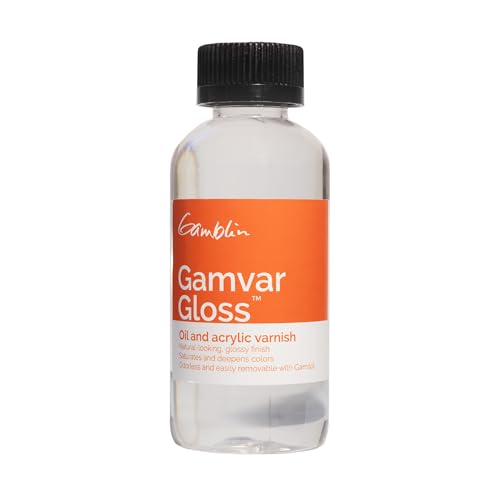
Gamblin Gamvar Picture Varnish 4.2oz

GOLDEN Isolation Coat 8 fl. oz. Jar

Nicpro Clear Acrylic Paint Sealer 33.8oz Gloss Varnish

Nicpro Clear Acrylic Paint Sealer 4oz Gloss Varnish

SEVENWELL Acrylic Paint Sealer for Paint by Numbers
More Details On Our Top Picks
Aerosol varnish solves the problem brush-on products create: no bristle marks, no loaded brush dragging across soft acrylic layers. The Gallery Series line was designed with fine art in mind, and its headline trait is maximum UV protection in an archival-grade gloss. An 11-ounce can covers a surprising amount of canvas, which matters when you’re finishing several pieces in one session.
In practice, this suits anyone working near windows or under strong lighting, where fading is the real enemy. Spray outdoors or in a well-ventilated space, hold the can moving, and build thin coats.
Strong Points
- Archival UV shielding helps colors resist fading over years of display
- Gloss finish deepens darks and makes saturated hues read richer
- No brush contact means zero streaks or bristle contamination
- 11-ounce can handles multiple small-to-medium canvases per purchase
Things To Consider
- Aerosol application demands outdoor airflow and steady hand distance to avoid pooling
- Overspray means masking surrounding surfaces before you start
Key Specs
Made For
Fine artists displaying work in bright rooms who want museum-style UV defense without brushing.
Where A Sibling Pick Shines
Painters who dislike fumes will get a calmer experience from the DecoArt DS60-9 DuraClear Matte Varnish, a low-odor brush-on option.
Where the Krylon spray trades control for speed, this DecoArt bottle hands you a brush and full command of every stroke. It’s a polyurethane-based varnish, which simply means the dried film stays tough yet slightly flexible instead of turning brittle. That flexibility is why crafters reach for it on wood, paper mache, and mixed-media pieces that flex or get handled.
The matte sheen kills glare, a genuine advantage for pieces hung opposite windows. It dries quickly and resists yellowing, so whites and pale tints stay honest. One honest note: brush-on varnishes show lap marks if you overwork a drying coat, so apply generously and leave it alone.
What We Like
- Non-yellowing formula keeps light tones true over time
- Flexible cured film tolerates handling better than rigid sealers
- Works on most hard craft surfaces, inside and out
- Fast drying keeps multi-coat sessions moving
Minor Gripes
- Brush application takes more patience than spraying, especially on large canvases
- Matte sheen slightly flattens color vibrancy compared with gloss options
Right Fit For
Crafters and hobby painters sealing wood signs, decor, and mixed-media projects around the house.
Swap It Out When
Artists wanting punchier color saturation should look at the Gamblin Gamvar Picture Varnish instead.
A full quart changes the math for anyone varnishing regularly. At 32 ounces, this U.S. Art Supply bottle covers roughly a dozen medium canvases with two coats each, which is exactly what a production painter or teacher needs. The manufacturer recommends two coats over fully dry acrylics, and that guidance holds up: the first coat seals, the second evens the sheen.
The matte finish deliberately reduces shine and glare, useful for pieces photographed for prints or shown under spotlights. It dries clear and water-resistant once cured. Compared with the smaller GRANOTONE bottles later in this list, you’re trading portability for serious volume at a friendlier cost per ounce.
Highlights
- Quart size keeps cost per painting low for high-volume studios
- Permanent, non-yellowing protection suited to long-term display
- Water-resistant cured surface shrugs off light moisture
- Glare-reducing matte flatters photography and reproduction work
- Simple two-coat process over dry acrylics
Softer Spots
- Requires waiting until paint is completely dry first, which tests impatient painters
- Large bottle needs tight storage to keep the rim from crusting
Feature Snapshot
Who Should Grab It
Teachers, commission painters, and anyone finishing multiple canvases monthly.
Another Choice May Suit
Occasional hobbyists will find the 4oz Nicpro sealer less wasteful for one-off projects.
Small bottles earn their place when storage space and budget are both tight. This 100 ml GRANOTONE matte fits in a pencil drawer and costs little enough to try without commitment. Its selling point is clarity: the brand emphasizes a smooth, haze-free result without cloudy patches or visible brush marks, which is the failure mode that ruins most beginner varnish jobs.
The protective layer is formulated to resist yellowing and UV-related fading, so sealed pieces keep their original tone. Detail-heavy work, miniature painting, and ACEO-sized canvases are natural matches here, since a little product goes far on small surfaces. You may find the 100 ml runs out fast on anything larger than a notebook cover, though.
Plus Points
- Streak-free, crystal-clear matte that lets fine details stay sharp
- Resists yellowing and fading for lasting color fidelity
- Pocket-friendly size suits minis, cards, and small canvases
Small Caveats
- 100 ml won’t stretch across big canvases or repeated batches
- Thin coats matter more in small formats; heavy application can pool in texture
The Right Fit
Miniature painters and detail artists working on palm-sized pieces.
Look Elsewhere When
Anyone covering large work should step up to the U.S. Art Supply quart for better value per ounce.
Choosing between gloss and matte before you’ve seen either on your own palette is guesswork. This combo removes the guesswork by shipping one 100 ml bottle of each GRANOTONE finish side by side. The gloss version amplifies color and detail with a shiny surface, while the matte delivers the softer, low-glare look covered in the previous pick.
That pairing makes this the smartest entry point for students and mixed-media experimenters. Seal a test swatch both ways, see how your specific pigments respond, then commit. Some artists even mix the two toward a satin middle ground, though results vary depending on ratio. Like the standalone matte, both bottles stay compact enough for cramped supply shelves.
Bright Spots
- Two finishes in one purchase eliminates second-guessing
- Gloss bottle genuinely boosts saturation on muted palettes
- Lets you blend custom satin sheens between the extremes
- Compact bottles store easily in shared or small studios
Points To Note
- Total volume is modest, so heavy users will empty both bottles quickly
- Blending ratios take experimentation to dial in predictably
At A Glance
Who Will Love This
Art students and hobbyists still discovering which sheen suits their style.
Not Your Match When
Committed matte-only painters save money with the single-bottle GRANOTONE matte above.
Gamvar has a reputation among oil painters for one specific reason: it goes on while the paint layer is still young, unlike traditional thick varnishes that demand months of curing. Acrylic painters borrow it for the same reason many galleries do. The formula is virtually odorless, a real quality-of-life difference in shared homes, apartments, or any room without dedicated ventilation.
Visually, Gamvar saturates color and adds depth, pulling a unified semi-gloss surface over the whole piece. That wet-look richness is what separates it from flatter craft sealers like the DecoArt matte earlier in this list. The 4.2-ounce bottle suits individual paintings rather than production runs, and the honest trade-off is price per ounce versus bulk options.
Reasons To Buy
- Near-zero odor makes indoor varnishing far more pleasant
- Saturates pigment for deeper, richer color than flat sealers
- Unified semi-gloss surface reads professionally under gallery lighting
Worth Noting
- Small bottle size limits economy on large or frequent projects
- Semi-gloss sheen won’t suit artists chasing a dead-flat matte
Whose Shelf It Belongs On
Serious painters finishing exhibition or sale pieces in shared living spaces.
Consider Something Else When
Budget-focused batch work calls for the U.S. Art Supply quart instead.
An isolation coat isn’t a varnish, and that distinction matters. It’s a permanent, ready-to-use clear layer applied between your acrylic paint and whatever removable varnish goes on top. Think of it as a sacrificial barrier: decades from now, if the varnish above needs stripping and renewing, the coat protects the actual painting underneath from that trauma.
It also unifies absorbency across the surface, which helps the final varnish spread evenly instead of soaking in unevenly. GOLDEN is a professional-grade acrylic brand, and this 8-ounce jar reflects that positioning. Pairing it with any varnish in this list creates a conservation-minded system. The extra step adds drying time, so casual crafters may skip it, but anyone selling or archiving work shouldn’t.
Standout Traits
- Creates a removable-varnish barrier that shields the paint layer permanently
- Unifies the surface so topcoats apply evenly without blotching
- Ready to use straight from the jar, no mixing required
- Professional-tier formulation trusted in conservation workflows
Honest Caveats
- Adds a full extra stage and drying window before varnishing
- Overkill for disposable crafts and kids’ projects
Quick Facts
Who It Suits Best
Working artists building archival, sellable bodies of acrylic work.
Reach For A Different Pick When
Weekend craft painters can go straight to the DecoArt DuraClear for simpler single-step sealing.
The built-in pump is the detail that sets this Nicpro apart from the U.S. Art Supply quart. Pouring from a wide-mouth gallon jug inevitably drips down the side; a pump dispenses clean measures straight into your cup, which teachers managing a classroom of twenty students will appreciate immediately. The 33.8-ounce volume targets exactly those group settings, studios, and ongoing DIY programs.
This is a water-based gloss that dries clear and flexible, leaving a bright reflective surface that pushes color saturation forward. It seals against dust and UV exposure once cured. Cleanup is soap-and-water simple while wet, another classroom-friendly trait. Gloss shows every imperfection underneath, though, so surface prep matters more here than with matte rivals.
Upsides
- Pump dispenser cuts waste and mess during group sessions
- Extra-large volume serves classrooms and busy studios economically
- Dries clear and flexible with a vivid glossy pop
- Water-based formula cleans up with soap and water
Room For Improvement
- Gloss magnifies dust nibs and brush marks trapped beneath
- Jug format is bulky on crowded home shelves
Best Suited To
Art instructors, workshop hosts, and community program coordinators sealing student work in volume.
Skip It When
Solo hobbyists doing occasional pieces will waste less with the 4oz Nicpro bottle below.
Same family as the 33.8-ounce jug, scaled down for people who finish one painting at a time. At 4 ounces (120 ml), this bottle sits comfortably beside your brushes and lasts through several small-to-medium canvases without hogging shelf space. It shares the brand’s water-based, dries-clear-gloss character, sealing against dust and UV exposure while amping up color vibrancy.
Think of it as the low-commitment way to learn proper varnishing technique. Two thin coats beat one thick one, and mistakes cost little at this size. Compared with the GRANOTONE combo, you give up finish variety but gain a single consistent gloss you can reorder confidently. Owners commonly report it stores well capped tightly at room temperature between sessions.
Positives
- Beginner-friendly size keeps the entry cost and waste minimal
- Gloss finish visibly intensifies color after sealing
- Long-term sealing guards against dust and UV dulling
Trade Offs
- Only one finish available, no matte option in this size
- 4 ounces disappears quickly on canvases larger than 16×20 inches
Perfect Match For
New painters and gift-makers sealing occasional personal projects at home.
A Better Fit Elsewhere
Classroom-scale needs point back to the Nicpro 33.8oz pump jug.
Finished a paint-by-numbers kit and want it to look framed-gallery sharp? This 4-ounce sealer was built precisely for that moment. It goes on milky white, which alarms first-timers, then dries to a clear protective film that boosts light reflection and makes the printed-by-number colors noticeably more vivid. The brand includes usage instructions worth actually reading, since application timing affects the final sheen.
Storage guidance is straightforward: keep it at room temperature, away from direct sun. Hobby kit painters make up most of its audience, and the focused purpose is honestly its strength. General fine-art painters will find broader formulations elsewhere on this list more versatile, but for reviving and protecting completed kits, few options aim this narrowly.
Best Bits
- Clear drying film heightens color vividness on finished kits
- Protective layer guards completed canvases from dust and scuffs
- Includes clear instructions, helpful for first-time sealers
Areas To Watch
- Milky-wet appearance can mislead beginners into over-applying
- Narrow focus offers less versatility than general-purpose varnishes
Built With In Mind
Adults completing paint-by-number kits who want display-ready results without guesswork.
Where Another Pick Suits Better
Original artwork deserves the archival protection of the Krylon Gallery Series spray.
What Matters Most Before Choosing Acrylic Varnishes For Paintings
Finish First, Everything Else Second
Gloss deepens color and adds shine; matte cuts glare and hides minor flaws. Hold your painting under the lighting where it will actually live, then decide. A piece hung opposite a sunny window usually wants matte, while work destined for a dim hallway benefits from gloss richness.
Match Size To Volume
Buying a quart for one small canvas wastes money and shelf space, just as a 100 ml bottle frustrates anyone finishing commissions weekly. Estimate your yearly output honestly. Batch painters and teachers belong in the 32-ounce tier; hobbyists are happier with 4-ounce bottles.
Application Style Shapes Your Experience
Sprays like the Krylon deliver flawless, streak-free films but demand ventilation and masking. Brush-ons offer control and low odor but reward patient, generous strokes. Your workspace dictates which trade-off you can live with.
Archival Intent Deserves Extra Steps
Work you plan to sell or preserve benefits from an isolation coat beneath a removable varnish. Casual crafts don’t need that discipline, and skipping it saves time and money.
Key Considerations Across These Picks
Traps First Timers Fall Into
The classic error is varnishing before the paint has fully cured, trapping moisture and causing cloudiness. Another common slip is shaking a gloss varnish into a foam of bubbles, then brushing them permanently into the film. Stir gently instead, and always run a test swatch on scrap before committing a finished piece.
When Paying More Pays Off
Premium products justify their cost through refinement: Gamvar’s odorless saturation, GOLDEN’s conservation-grade chemistry, Krylon’s archival UV package. Those qualities matter for sellable or heirloom work. For practice canvases and kids’ crafts, value-tier sealers perform the core job well enough that the upgrade buys little you’d notice.
Frequently Asked Questions
How long should acrylic paint dry before varnishing?
Most acrylics feel dry within hours but benefit from 24 to 72 hours of cure time before sealing. Thicker impasto layers deserve a full week.
Can I use gloss varnish over matte paint?
Yes, gloss varnish works over any dry acrylic surface regardless of the paint’s own sheen. The varnish determines the final finish.
Why did my varnish turn cloudy?
Cloudiness usually means moisture got trapped under a coat applied too soon, or bubbles were brushed into the film. Thin, patient coats on fully cured paint prevent both problems.
Do I really need an isolation coat?
Only for artwork you intend to preserve, restore, or sell. It lets a future varnish be removed without touching the paint layer beneath.
How many coats of varnish should I apply?
Two thin coats is the standard recommendation across nearly every product in this guide. Thin layers level better and dry clearer than one heavy pass.
Closing Thoughts
The right varnish depends less on the product and more on how you paint. Match the container size to your output, the finish to your lighting, and the application style to your workspace. Start small, test on scraps, and upgrade to archival systems as your work starts earning wall space. Your future self, looking at unfaded colors years from now, will be glad you sealed properly.
