
Sticking foam to a wall, mounting a print, or padding a speaker box all come down to one thing: the right adhesive surface. The wrong pick peels at the corners, warps your artwork, or leaves you wrestling with clamps. This shortlist covers both sides of the problem, from construction-grade caulk for insulation panels to peel-and-stick boards ready for photos and signs. Whether you’re finishing a basement, running a classroom craft table, or framing prints at home, there’s a fit here for your project.
The Shortlist At A Glance

DAP Foamboard Construction Adhesive 10.3 Oz

Navy Penguin Foam Core Board Sheets 24×36 White

MEARCOOH Self Adhesive EVA Foam Sheets 9×12 White

BENECREAT 5 Sheets 3mm White PVC Foam Boards

MODIGT Neoprene Foam Padding Sheet 3/4 Inch Thick
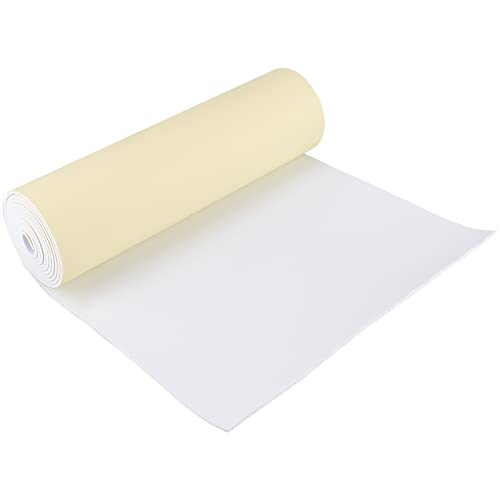
BENECREAT Self-Adhesive EVA Foam Roll 78.7×12 Inch

Mat Board Center 11×14 Self Adhesive Foam Board
Mat Board Center 9×12 Self Adhesive Foam Board

Mat Board Center 8×10 Self Adhesive Foam Board
Mat Board Center 12×16 Self Adhesive Foam Board
More Details On Our Top Picks
This is the only entry here that’s an adhesive rather than a board, and it earns its spot because foam insulation panels are notoriously fussy about glue. Solvent-heavy adhesives can eat through polystyrene, while this caulk-style tube is formulated specifically for foamboard-to-framing bonds in wall and ceiling installs.
The instant-grab formula is the real selling point. Anyone who has held a rigid foam panel against a stud wall waiting for glue to set knows how much bracing time it saves.
Strong Points
- Instant grab cuts down clamping and bracing during panel installation
- Formulated for all common foamboard types, so one tube covers mixed materials
- VOC-compliant chemistry suits indoor renovation work
- Bonds foam to wood, concrete, and other construction surfaces
Things To Consider
- A standard caulking gun is required, so budget for one if your toolbox is bare
- Excess squeeze-out needs wiping before it skins over, or cleanup gets messy
Key Specs
Who Should Grab It
DIYers insulating a garage, shed, or basement who need foam panels to stay put without hours of propping.
Where A Sibling Pick Shines
For mounting artwork instead of insulation, the Mat Board Center 11×14 Self Adhesive Foam Board handles the job cleanly with zero mess.
Poster-board day at school usually means a last-minute store run, and these full-size 24 by 36 inch sheets solve that. Each pack holds twelve boards, which is enough for a semester of science fairs or a whole scout troop’s display night.
The core is extruded polystyrene foam laminated between two paper faces, and the paper is acid-free, meaning it won’t yellow or degrade photographs and prints over time. That detail matters more than most people realize until a treasured poster browns at the edges.
What We Like
- Acid-free faces keep photos and prints from discoloring over years of display
- Smooth white surface takes markers, paint, glue, and screen printing equally well
- Protective packaging means corners arrive intact instead of dinged
- Double-sided usable faces double your layout space
Minor Gripes
- The 3/16 inch thickness is standard, not extra-rigid, so very large unsupported signs may bow slightly
- No self-adhesive backing, so mounting requires separate glue or tape
Made For
Students, teachers, and parents stocking up for presentations, science projects, and event signage.
Swap It Out When
Smaller photo-mounting jobs suit the Mat Board Center 8×10 Self Adhesive Foam Board better, since its tacky face skips the glue step entirely.
EVA foam is the soft, squishy material behind most kids’ craft kits, and these sheets bring their own sticky backing. At 2mm thick with a 9 by 12 inch footprint, they cut easily with scissors, which makes them a low-frustration option for cardmaking, scrapbooking, and holiday decorations.
The dense, fine-cell texture is worth noting: cheap craft foam often tears when you punch small shapes out of it, while a tighter pore structure holds crisp edges. Ten sheets per pack keeps a classroom bin stocked for weeks.
Bright Spots
- Peel-and-stick backing eliminates glue bottles and drying time
- Low-odor, soft-touch material is comfortable for children to handle
- Fine cell structure cuts cleanly into letters and small shapes
- Works well for photo frames, cards, and seasonal decor
Small Caveats
- Only one side is adhesive, so layered designs need planning before peeling
- At 2mm thick, these are craft sheets, not structural boards
Right Fit For
Parents, teachers, and hobby crafters making cards, ornaments, and collage art with kids.
Another Choice May Suit
Larger continuous coverage calls for the BENECREAT Self-Adhesive EVA Foam Roll, which offers far more working area per purchase.
PVC foam board sits a step above paper-faced foam core in durability. Instead of paper laminates, each 30 by 20 cm sheet has solid PVC skin on both sides of a foamed interior, giving it a harder surface that resists dents and moisture better than standard poster board.
Model builders tend to favor this construction because it sands, paints, and shapes without fuzzing or crumbling. The trade-off shows up in weight: it’s still light, but noticeably denser than the Navy Penguin sheets reviewed earlier.
Plus Points
- PVC faces shrug off moisture, so boards survive humid bathrooms or outdoor-adjacent displays
- Holds shape under handling, resisting the dents paper-faced cores collect
- Easy to cut, shape, and bond for architectural models and dioramas
- Five-sheet pack covers several school or hobby projects
Points To Note
- Smaller 11.8 by 7.8 inch format limits large signage work
- No adhesive backing, so plan on glue or double-sided tape
Who It Suits Best
Hobby modelers, engineering students, and anyone building display pieces that need to last beyond one semester.
Consider Something Else When
Bulk poster work at lower cost points toward the Navy Penguin 24×36 Foam Core Board Sheets instead.
Neoprene is the closed-cell rubber foam used in wetsuits, and in pad form it excels at absorbing vibration and filling gaps. These four-inch squares, three-quarters of an inch thick, stick directly onto car door panels, speaker enclosures, or furniture feet where rattle and scratch protection matter.
The high-density build carries a stated tensile strength around 50 PSI, which translates to pads that resist compressing flat under load. In a trunk install, that difference between dense and cheap foam is audible within a week.
Standout Traits
- High-density neoprene resists compression, keeping cushioning intact over time
- Strong adhesive backing grips metal, plastic, and painted surfaces firmly
- Doubles as vibration damping behind speakers and interior trim
- Four-piece pack fits scattered touch-up jobs around a vehicle
Softer Spots
- Small 4×4 inch squares mean piecing together larger areas
- Surface prep matters: dusty or oily panels weaken adhesion, so clean first
Quick Facts
Whose Shelf It Belongs On
Car audio enthusiasts and DIY mechanics quieting rattles, plus furniture owners protecting floors.
Reach For A Different Pick When
Long continuous gasket runs suit the BENECREAT EVA Foam Roll better than patchwork squares.
Where the MEARCOOH sheets give you fixed rectangles, this roll gives you freedom. Nearly two meters of 3mm EVA foam, twelve inches wide, lets you cut custom lengths for drawer liners, tool-box inserts, weather sealing, or anti-slip padding under appliances.
The manufacturer positions it as a sealing material as much as a craft supply, citing dust resistance, shock absorption, and thermal insulation. Around the house, that reads as one roll solving a dozen small annoyances, from squeaky cabinet doors to sliding cutting boards.
Reasons To Buy
- Cut any length or shape you need from a single continuous sheet
- Strong sticky backing forms a durable weather seal on doors and windows
- Insulates against sound, heat, and dust in one application
- Anti-skid surface works under rugs, tools, and small appliances
Worth Noting
- Rolls can hold curl memory, so flattening under weight helps before precise cuts
- Twelve-inch width won’t cover wide surfaces without seaming
Best Suited To
Home tinkerers and renters tackling sealing, lining, and padding jobs without special tools.
Not Your Match When
Thick impact damping calls for the MODIGT Neoprene Padding Sheet, whose 3/4 inch depth outperforms this 3mm roll.
Cold mounting is the phrase to know here: pressing artwork onto a pressure-sensitive board by hand instead of using a heated dry-mount press. Professional presses cost hundreds, so a ten-pack of peel-and-stick boards puts presentable mounting within reach of home photographers and small studios.
The technique rewards patience. Laying the print gradually from one edge, smoothing as you go, avoids trapped bubbles. Rush it and you’ll see wrinkles, which is the single most commonly reported issue with this style of board.
Highlights
- Peel-off release paper exposes a tacky face ready for prints and graphs
- Cold mounting skips expensive heat-press equipment entirely
- Standard 3/16 inch thickness frames neatly in most ready-made frames
- Ten boards support a batch of client proofs or gallery pieces
Honest Caveats
- Placement is permanent once contact is made, so dry-fit everything first
- Slow, edge-first application is needed to avoid bubbles and creases
Details At A Glance
Perfect Match For
Home photographers, students, and small offices mounting prints, charts, and signage regularly.
Look Elsewhere When
Compact photo jobs fit the Mat Board Center 8×10 version, which wastes less board on smaller prints.
Nine by twelve is the workhorse size of the craft world, matching standard drawing paper and many photo prints. This pack keeps the same 3/16 inch cold-mounting construction as the larger 11×14 version but in a format that produces less offcut waste for everyday projects.
Teachers running rotating bulletin displays get particular value here, since ten boards cover a month of student showcases. The same bubble-avoidance patience applies: smooth from the center outward and take your time.
Positives
- Size matches standard paper, minimizing trimming waste
- Self-adhesive face mounts drawings and photos without liquid glue
- Ten-pack pricing suits classrooms and group activities
- Lightweight boards hang easily with pins or Velcro strips
Trade Offs
- Too small for poster-scale signage, so check dimensions before ordering
- Exposed tacky edges can collect lint during storage, so keep release paper handy
Who Will Love This
Classroom teachers, scrapbookers, and office workers mounting letter-size documents and photos.
Where Another Pick Suits Better
Larger gallery prints deserve the Mat Board Center 12×16 Self Adhesive Foam Board for fuller coverage.
Eight by ten is the classic snapshot and portrait size, and this smallest entry in the Mat Board Center lineup matches it exactly. For family photo walls, desk displays, and craft-fair inventory, that alignment means no trimming and no wasted adhesive area.
Compared with the 9×12 pack, you’re trading versatility for precision fit. Smaller boards also store flat in a drawer far more easily, which matters in apartments where every square foot counts.
Upsides
- Exact fit for the most common photo print size
- Compact sheets store flat in shallow drawers and portfolios
- Same reliable 3/16 inch cold-mount construction as larger siblings
- Great volume for bulk photo-wall projects
Room For Improvement
- Limited to small-format work; certificates and posters won’t fit
- Per-board cost tends to run higher than bigger packs on a per-area basis
The Right Fit
Photo enthusiasts building gallery walls and sellers preparing small mounted prints for markets.
Skip It When
Mixed-size mounting jobs benefit from the flexibility of the Mat Board Center 11×14 pack instead.
At the top of the Mat Board Center range sits this 12 by 16 format, sized for enlarged prints, certificates, and retail counter signs. The extra canvas per sheet means fewer seams on medium-format work, which keeps finished pieces looking cleaner.
Sign makers and real estate agents posting listing displays will find the step up from the 11×14 worthwhile, since standard promotional prints often land right in this dimension. Handling stays easy thanks to the familiar 5mm core.
Best Bits
- Generous surface area suits enlarged photos and marketing signs
- Consistent 3/16 inch thickness across the brand simplifies framing choices
- Peel-and-stick face speeds up batch sign production
- Ten-pack supports ongoing commercial use
Areas To Watch
- Larger sheets demand flatter storage to prevent edge warp over time
- Overkill for snapshot-sized photos, where smaller packs cost less
Core Details
Built With In Mind
Small business owners, sign shops, and photographers producing mid-size mounted displays on a schedule.
A Better Fit Elsewhere
Snapshot-scale work remains cheaper and tidier with the Mat Board Center 8×10 Self Adhesive Foam Board.
What Matters Most Before Choosing Adhesive Foam Boards
Match The Format To The Job
Start with the end result. Wall insulation demands a construction adhesive like the DAP cartridge, while mounted prints call for pre-tacky boards. Buying a board when you needed glue, or the reverse, is the most common mismatch in this category.
Measure your artwork or panel first, then pick the closest sheet size. Trimming down a big board wastes money; stretching a small one forces visible seams.
Thickness And Rigidity Trade Offs
Thicker cores resist bowing but add weight and shipping bulk. The 3/16 inch standard handles most framed and pinned displays well, while 2mm craft foam flexes for curved designs. Rigid PVC options such as the BENECREAT sheets sit at the durable end of that range.
Surface Compatibility
Adhesive strength depends heavily on what it touches. Painted drywall, clean metal, and sealed wood grip well; dusty, textured, or oily surfaces do not. Wipe the target surface and let it dry before committing anything sticky.
Volume Versus Storage
Ten-packs lower the per-board cost, but only buy bulk if you have flat, dry storage. Boards left leaning against a wall for months tend to develop a permanent curve.
Key Considerations Across These Picks
Wrong Turns To Avoid
The biggest slip is ignoring sheet dimensions and discovering your print doesn’t fit. Second place goes to skipping surface prep: even strong adhesive fails on greasy panels. Check both before ordering.
The Case For Spending Up
Higher-tier boards add acid-free faces, denser cores, or PVC skins. Those upgrades pay off whenever the finished piece must survive years on a wall, in humidity, or in customer hands. One-off school posters rarely justify the premium.
Frequently Asked Questions
Can adhesive foam boards be cut to a custom size?
Yes, nearly all of them trim cleanly with a sharp utility knife and a straightedge. Score lightly several times rather than forcing one deep cut.
Do self-adhesive foam boards damage walls?
Generally no, since the adhesive grips the board’s face rather than your wall. Removal depends more on the mounting method you use, such as pins or removable strips.
Will construction adhesive melt foam insulation panels?
Not products formulated for foamboard, like the DAP option listed here. Harsh solvent-based adhesives can dissolve polystyrene, so always confirm foam compatibility.
How long does the sticky backing stay effective?
Pressure-sensitive backings perform best within a couple of years when stored cool, flat, and sealed. Peel and press promptly for the strongest bond.
Are these boards suitable for outdoor use?
PVC-faced sheets tolerate humidity better than paper-faced foam core, but prolonged sun and rain degrade any of them. Treat them as indoor or sheltered-use materials.
Wrap Up
Your project should drive the choice, not the other way around. Insulation work belongs to the DAP adhesive, craft tables thrive on the MEARCOOH sheets, and photo mounting finds its home across the Mat Board Center range. Match the format, prep the surface, and any of these picks will hold up well. Take a moment to measure first, and the rest falls into place.
