
Gluing foam board to wood sounds simple until the panel sags overnight or the foam melts into a mess. The wrong adhesive eats polystyrene alive, and the right one saves you from a wall full of extra screws. This guide sorts through caulk-tube adhesives, sprays, and hobby glues so you can match the product to your project, whether that’s insulating a basement wall or building a model plane fuselage.
The Shortlist At A Glance

DAP Foamboard Construction Adhesive, White, 28 oz.

DAP Foamboard Construction Adhesive, White, 10.3 Oz

3M Hi-Strength Spray Adhesive 94ET, Low VOC

BEACON Foam-Tac Powerful Glue, 1-Ounce

Liquid Nails LN902 Subfloors and Construction Adhesive
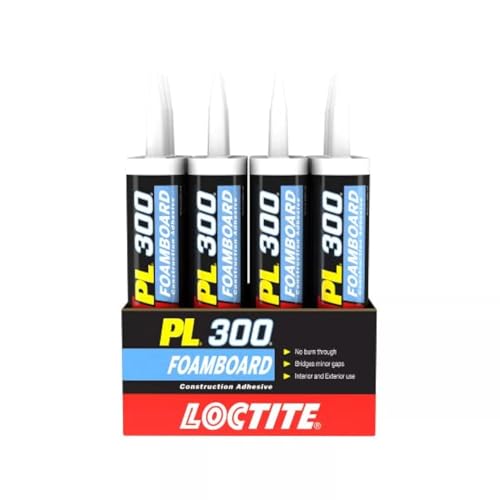
Loctite PL300 Foamboard Adhesive (12 Pack)
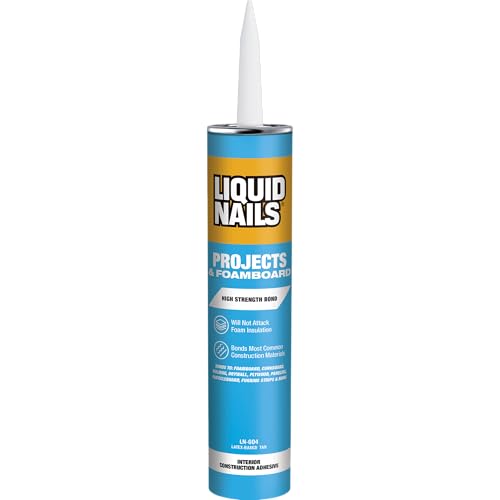
Liquid Nails Latex Projects & Foamboard Adhesive

Liquid Nails Projects & Foamboard High Strength Paste

TYTAN Foam Bond 60 Polyurethane Adhesive, 24 oz

3M Super 77 Multi-Surface Spray Adhesive
More Details On Our Top Picks
This big 28-ounce tube is built for whole-wall jobs, not single panels. Its instant-grab formula holds foam board against wood framing without bracing or clamping, which matters when you’re working alone in a basement with a dozen sheets to hang.
The premium-grade blend is made specifically for insulation foam paneling, so you don’t have to guess whether it will eat through polystyrene. For anyone sheathing a garage or finishing a workshop, covering more square footage per tube keeps the job moving.
Strong Points
- Instant grab cuts down on mechanical fasteners and clamping during installation
- Formulated for all types of foam board, so no melting surprises mid-project
- 28 ounces covers large walls before you need a fresh tube
- VOC-compliant formula suits occupied homes and enclosed workspaces
Things To Consider
- A standard caulk gun struggles with the larger tube; a heavy-duty gun makes application far easier
- Overkill for small craft projects where most of the tube dries out unused
Who Should Grab It
DIYers insulating entire rooms or workshops who want fewer screws and faster panel placement.
Swap It Out When
For a weekend craft table project, the 3M Super 77 spray lower down handles light-duty bonds with less waste.
Think of this as the little sibling of our first pick: same foam-safe construction adhesive family, packed into a standard 10.3-ounce cartridge any caulk gun can drive. That alone makes it friendlier for occasional users who don’t want a jumbo tube hardening in the drawer.
You still get the instant-grab behavior that reduces bracing while panels set, which is genuinely handy when gluing foam board overhead or onto vertical studs. In most garages and basements, one tube handles a few panels plus touch-ups without breaking a sweat.
What We Like
- Fits ordinary caulk guns, no special equipment needed
- Instant grab means less clamping and bracing while the bond sets
- Smaller size limits waste on short projects
Minor Gripes
- Per-ounce coverage costs more than the 28-ounce version over a big job
- Owners commonly report the nozzle clogs between uses, so cap it tightly after each session
Made For
Weekend DIYers patching a few foam panels to plywood or framing without committing to bulk quantities.
Where A Sibling Pick Shines
Covering a full basement? The 28-ounce DAP tube above delivers better value per square foot.
Spray adhesives change the game when alignment matters more than raw holding power. The 94ET gives you a 60-minute bonding range, meaning you can mist both surfaces, float the foam around, and nudge it true long before it locks. That window is rare in this category.
The adjustable web-spray pattern lays down an even coat across wide panels, and the low-VOC formulation keeps fumes manageable in a closed shop. Unlike the tube adhesives earlier in this list, there’s no bead to squeeze out and scrape; coverage goes where you point it.
Highlights
- High initial grab supports quick handling and positioning of materials
- 60-minute bonding range allows repositioning on large or complex builds
- Bonds wood, laminates, metals, select rubbers, carpet, and flooring beyond just foam
- Low-VOC aerosol is easier on indoor air than solvent-heavy sprays
Softer Spots
- Aerosol cans lose pressure near the end, leaving partial coverage on big jobs
- Overspray needs masking on finished surfaces; lay down drop cloths first
Quick Facts
Right Fit For
Makers and installers who need exact placement of foam onto wood, especially display builds and signage.
Another Choice May Suit
Structural floor bonding calls for the Liquid Nails LN902 instead, since sprays aren’t meant for load-bearing gaps.
RC builders have kept this little bottle in their field boxes for years, and the reason shows in the spec sheet: it bonds foam, balsa wood, plastic, and carbon fiber without attacking the foam itself. At one ounce, it’s a precision tool rather than a construction adhesive.
The fast-drying, waterproof formula dries clear, so visible joints on model wings or decorative pieces stay clean. You may find the applicator tip takes a light touch at first; a thin bead spreads further than you’d expect on porous balsa.
Bright Spots
- Safe on foam, plastics, balsa wood, and carbon fiber in one bottle
- Waterproof bond survives outdoor flying conditions and humidity
- Dries clear for joints where appearance counts
- Fast-drying formula keeps build sessions moving
Small Caveats
- One ounce won’t cover panel-sized surfaces; it’s sized for detail work
- Store upright with the cap sealed, or the tip gums up within weeks
Who Will Love This
Hobbyists assembling RC planes, drones, and scale models where weight and clean joints matter.
Reach For A Different Pick When
Home insulation panels need the Loctite PL300’s cartridge format and construction-grade coverage instead.
Not every foam-to-wood job is cosmetic. Underneath flooring, adhesive takes real loads, and the LN902 is engineered for exactly that: it grips wet, frozen, engineered, and treated lumber along with OSB, plywood, particleboard, and waferboard.
The interior-exterior formula sets with instant holding power, and it carries independent certification to subfloor specifications, which contractors look for before signing off on a floor system. Compared with the latex options later in this list, this one trades easy cleanup for serious structural grip.
Reasons To Buy
- Bonds treated lumber, OSB, plywood, and particleboard reliably
- Interior and exterior formula works across seasons and climates
- Independently certified to meet subfloor specifications
- Low-solvent, VOC-compliant composition
Points To Note
- Stronger solvent character than latex alternatives, so ventilate indoor work areas
- Designed for structural bonding, not delicate foam craft surfaces
Whose Shelf It Belongs On
Framers and serious DIYers laying subfloor or decking where certified holding power is non-negotiable.
Consider Something Else When
Indoor foam board walls with sensitive noses nearby are better served by the low-odor Liquid Nails latex tube at number seven.
Buying by the dozen only makes sense when the project is big, and the PL300 earns that commitment. Each 10-fluid-ounce cartridge bonds foamboard insulation permanently to interior or exterior surfaces, including wood, gypsum board, concrete, and brick, without burning through the foam.
The high-grab latex formula sets in about 20 minutes and fully cures over seven days, giving you a working rhythm: stick panels, move on, come back tomorrow. Twelve cartridges typically cover a multi-room insulation retrofit with tubes to spare.
Plus Points
- Permanent bond rated for both interior and exterior applications
- Grips all foamboard products plus wood, drywall, concrete, and brick
- Won’t burn through or melt polystyrene foam
- Latex water-based base keeps VOC emissions low
- Bulk pack suits whole-house insulation projects
Trade Offs
- Full cure takes up to seven days, so avoid stressing joints early
- Twelve tubes is excessive storage for anything smaller than a renovation
At A Glance
Who It Suits Best
Renovators insulating several rooms who want a proven foam-safe formula in contractor quantity.
Look Elsewhere When
A single-room refresh fits the budget-friendlier single Liquid Nails paste tube at number eight.
Working indoors with kids or pets around changes your priorities. This SBR-latex formula skips the harsh solvent smell entirely, cleans up with plain water, and still bonds rigid polystyrene foam to wood, drywall, and panels without melting or warping it.
That last part deserves emphasis: many general-purpose adhesives dissolve foam on contact, and this one is explicitly formulated not to. For bedroom accent walls, craft room shelving backs, or any occupied-space project, the low-odor profile is the deciding factor more often than raw strength.
Standout Traits
- Bonds rigid polystyrene foam without melting or warping
- Low-odor latex formula tolerates occupied indoor spaces
- Water cleanup means no solvents on your hands or tools
- Grips wood, drywall, and common panel materials
Room For Improvement
- Latex bonds soften with prolonged moisture, so keep it to interior work
- Grab strength trails the polyurethane option below on heavy panels
Core Details
The Right Fit
Indoor hobbyists and renters tackling lightweight foam decor where fumes and cleanup matter most.
Where Another Pick Suits Better
Garage or shed installations exposed to temperature swings call for the exterior-rated Loctite PL300 above.
Paste consistency is the quiet advantage here. Where runnier beads sag on a vertical stud, this thicker acrylic body stays exactly where you trowel it, which saves a lot of repositioning when mounting foam board overhead or on walls.
It shares the foam-friendly DNA of its Liquid Nails siblings, gripping foam board to wood without dissolving the panel. The honest read is that source details are thin on cure times and surface lists, so treat it as a straightforward, affordable tube for general projects rather than a spec-heavy specialist.
Positives
- Thick paste body resists sagging on vertical and overhead surfaces
- Acrylic formula designed for high-strength project bonding
- Foam-board safe, unlike many all-purpose construction adhesives
Areas To Watch
- Manufacturer publishes limited performance data, so verify fit for critical loads
- Paste texture can make smooth, thin beads harder to achieve than with gel formulas
Best Suited To
Budget-conscious DIYers doing occasional indoor foam and panel projects with a basic caulk gun.
Not Your Match When
Documented set times and multi-surface ratings matter; the Loctite PL300 publishes those figures clearly.
Sixty seconds is the headline number. This polyurethane adhesive reaches working tack almost immediately, letting you press shiplap, wall paneling, or trim into place and move on without waiting out a long set. On a Saturday installation, that pace adds up fast.
The 24-ounce canister also stretches further than a standard cartridge, and polyurethane chemistry brings durability the latex picks can’t match once cured. One caveat worth knowing: polyurethane foams slightly as it cures, so press panels firmly and expect minor expansion at the bead line.
Upsides
- Rapid 60-second adhesion slashes project time dramatically
- Reduces the need for excess fasteners in finished walls
- Handles foam panels, shiplap, trim, molding, and gypsum board alike
- Polyurethane bond delivers lasting structural strength
Worth Noting
- Cure expansion means joints need firm, even pressure during setup
- Once opened, the canister has a shorter usable life than sealed cartridges
Feature Snapshot
Perfect Match For
Remodelers installing shiplap, board and batten, or subfloor panels who value speed and strength together.
Skip It When
Slow-paced craft work with fine adjustments suits the forgiving 3M 94ET spray much better.
Everyone misplaces a panel eventually, and Super 77 forgives it. You get roughly two to three minutes after spraying to lift and realign your material, then the bond settles into something permanent and quick-drying. That grace period separates it from instant-grab tubes.
It forms strong bonds across art projects and light household repairs, available in several can sizes from small 7.35-ounce packs up to 14.1-ounce doubles. Compared with the industrial 94ET earlier, this one leans toward crafts and lighter duty rather than construction loads.
Best Bits
- Repositionable window lets you fix placement mistakes cleanly
- Permanent, flexible bond once fully set
- Multiple can sizes match project scale and storage space
- Works across many surfaces beyond foam and wood
Honest Caveats
- Light-duty strength; heavy wall panels deserve a construction adhesive instead
- Spray mist travels, so mask surrounding surfaces generously
Details At A Glance
Built With In Mind
Crafters, teachers, and home decorators bonding poster board, foam sheets, and fabric to wood backing.
A Better Fit Elsewhere
Structural insulation installs belong with the DAP 28-ounce tube, whose grab strength is built for walls.
What Matters Most Before Choosing Adhesives For Foam Board To Wood
Match The Chemistry To Your Foam
Polystyrene foam melts on contact with aggressive solvent-based adhesives, which is why foam-specific formulations exist. Latex and polyurethane bases grip the panel without dissolving it. Check the label for explicit foam compatibility before anything else, because a melted edge can’t be undone.
Think About Grab And Cure Times
Instant-grab adhesives hold panels in place immediately, cutting down on nails and clamps, but they leave little room for adjustment. Products like the 3M 94ET offer a long repositioning window instead. Decide which failure hurts more: a crooked panel or a slow workflow.
Indoor Versus Outdoor Duty
Exterior-rated formulas such as the Loctite PL300 handle moisture and temperature swings that would soften a latex bond. Interior-only projects benefit from low-odor, water-cleanup options. Using an indoor product outside is the most common way a good bond fails early.
Size Your Container Honestly
A 28-ounce tube or 12-pack rewards big renovations and punishes small ones, since opened adhesive skins over and cures in the nozzle. Occasional users save money and frustration with standard 10-ounce cartridges or small spray cans.
Key Considerations Across These Picks
Traps First Timers Fall Into
The biggest mistake is grabbing a general-purpose construction adhesive and hoping for the best; solvent-heavy formulas eat foam board on contact. Shoppers also underestimate container size, buying bulk packs for one-panel jobs and tossing dried-out leftovers months later.
Why Top Tier Costs More
Premium polyurethane and certified structural formulas cost more because they deliver documented set times, broader surface lists, and independent certifications. Paying up makes sense for load-bearing floors and whole-house insulation; for a craft shelf, a basic latex tube does the same job.
Frequently Asked Questions
Can I use regular construction adhesive on foam board?
Only if the label explicitly states foam compatibility. Many solvent-based formulas dissolve polystyrene on contact, ruining the panel edge.
How long should I wait before loading a glued joint?
Follow the manufacturer’s stated cure time, which ranges from under a minute of tack to seven days of full curing. Light handling usually comes well before full strength.
Do I still need nails or screws with adhesive?
Adhesives like the DAP and Loctite formulas reduce fastener count significantly, though most installers keep a few mechanical fasteners for insurance on ceilings and heavy panels.
Which adhesive works best for outdoor foam board?
Choose an exterior-rated product such as the Loctite PL300 or Liquid Nails LN902, both formulated to handle moisture and temperature swings.
How do I clean up excess adhesive?
Water-based latex formulas wipe away with a damp cloth before curing. Polyurethane and solvent products require mechanical removal or mineral spirits, so wipe drips immediately.
Bottom Line
Matching the adhesive to the job beats chasing any single “best” product. Big insulation walls want the DAP 28-ounce tube, precision alignment favors the 3M 94ET, and hobby tables live happily with Beacon Foam-Tac. Start with your project’s size, location, and load, then pick accordingly. The right tube turns a frustrating afternoon into a straightforward one.
