
Learning an instrument shouldn’t require a second mortgage. Whether you’re picking up music as an adult, stocking a classroom, or hunting for a gift that actually gets used, the right starter instrument makes the difference between a hobby that sticks and one that gathers dust. This roundup covers ten budget-friendly options across melody, wind, and percussion, each chosen for genuine playability rather than gimmicks.
The Shortlist At A Glance

iECO Kalimba Thumb Piano 17 Keys Mahogany

MGTECH Musical Spoons Percussion Instrument 8 Inch

LIEKE 12 Hole Alto C Ceramic Ocarina (Yellow)

Auteey 8 Hole Soprano Recorder German Style (Crystal Blue)
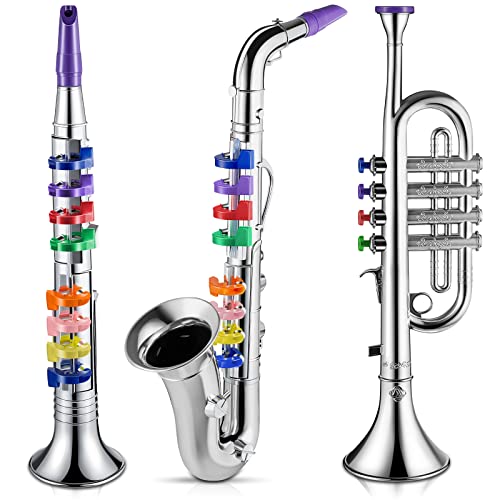
Lewtemi 3 Pcs Trumpet Saxophone Clarinet Set Silver

EastRock 32 Key Green Melodica with Case

KETAR 13 Pcs Wooden Musical Instruments with Storage Bag

Yeshone 2 Pcs Fish Guiro Wood Frog

ZHIBEIYOU 10Pcs Black Tambourine Percussion Set
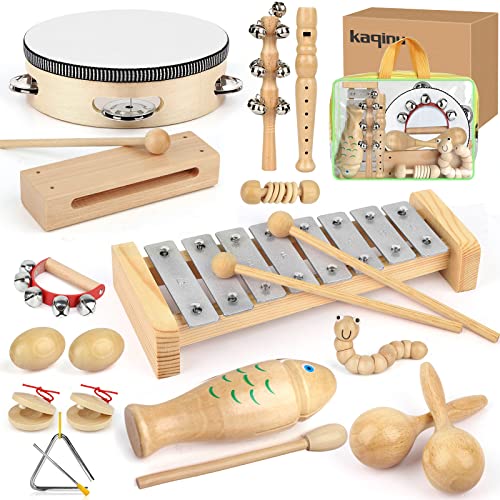
kaqinu Kids Wooden Music Percussion Toy Set 23 Pcs
More Details On Our Top Picks
A kalimba, sometimes called a thumb piano or mbira, plays by plucking steel tines with your thumbs, and it’s arguably the friendliest melodic instrument on this list. The iECO version uses a single piece of mahogany for the body, which matters because a one-piece build resonates more evenly than glued panels.
The included songbook walks you through your first tune in three steps, so total beginners can produce something recognizable within minutes. Adults and kids share this instrument comfortably since nothing about it demands hand size or strength.
Strong Points
- Mahogany body and ore steel tines give a warm, sustained tone that fills a quiet room nicely
- Three-step songbook means your first song arrives fast, which keeps motivation alive
- Tuning hammer is included, so you can maintain pitch yourself without extra purchases
- Suits kids, adults, and experienced players alike thanks to its simple layout
Things To Consider
- Wood instruments dislike humidity swings; storing it away from radiators and damp basements protects the resonance over time
- Seventeen keys limit you to a fixed scale range compared with larger 21-key models
Key Specs
Who It Suits Best
Complete beginners of any age who want a soothing, low-pressure first instrument they can learn in short sessions at home.
A Better Fit Elsewhere
Shoppers after pure rhythm rather than melody will get more mileage from the KETAR 13-piece wooden percussion set, which covers many sounds in one bag.
Where the iECO kalimba asks you to learn notes, these spoons ask nothing at all. Folk sessions have relied on the classic “clip clop” sound for generations, and this eight-inch pair with wooden handles delivers it loudly enough to cut through a room of singers.
Teachers reach for spoons because every student succeeds immediately, and that early win matters more than any spec sheet. At eight inches long they fit small hands and adult palms alike, and there’s essentially no maintenance beyond keeping them dry.
What We Like
- Traditional clip-clop tone projects well in group settings without amplification
- Zero learning curve, so even preschoolers can join a session on day one
- Wooden handles feel sturdier than bare metal spoon pairs and absorb less vibration into your grip
Worth Noting
- It’s a single rhythm voice; you won’t play melodies, so pair it with something like the EastRock melodica for fuller music-making
- Loud by design, which some households may find less charming than others do
Right Fit For
Music teachers, camp leaders, and folk-session regulars who want an instant-participation instrument anyone can pick up cold.
Where A Sibling Pick Shines
For structured note-learning instead of free rhythm, the LIEKE alto C ocarina gives you actual scales while staying just as portable.
An ocarina is a vessel flute: you blow into a mouthpiece and cover finger holes to change pitch. This twelve-hole alto C model is fully chromatic, meaning it can hit every semitone in its range, so you’re not locked into simple folk tunes the way cheaper six-hole versions often are.
Each body is straw-smoked and hand-finished, so the yellow glaze texture varies unit to unit, which gives yours a slightly individual character. The maker tunes each one professionally before shipping, and the sanding on the finger holes is smooth enough for longer practice sessions without hot spots.
Highlights
- Full chromatic range opens up real repertoire, not just beginner exercises
- Straw-smoked finish means no two pieces look identical, a nice touch for a gift
- Bundle includes a songbook, neck strap, and carry bag, so it’s travel-ready out of the box
- Professionally tuned before sale, reducing the odds you fight intonation as a newcomer
Small Caveats
- Ceramic cracks when dropped, unlike the ABS plastic Auteey recorder, so careful handling around kids is wise
- Breath control takes a few sessions to settle; expect airy notes during week one
Quick Facts
Made For
Adult beginners and teens who want a genuinely musical wind instrument that slips into a jacket pocket for commutes or trips.
Swap It Out When
Households with very young children should lean toward the kaqinu 23-piece wooden set instead, since wood survives drops far better than fired clay.
Nearly everyone’s first brush with reading music happens on a recorder, and this soprano model follows the German fingering system, where the fourth hole sits lower than on baroque instruments. That layout simplifies the F note, which is exactly why many school programs prefer it for young students.
The ABS plastic body shrugs off backpack abuse and wipes clean, a real advantage once you picture a recorder traveling between home and classroom daily. An included cleaning rod and storage bag handle hygiene, which matters more with shared or sibling use.
Positives
- Smooth internal airway makes producing a clean tone easier for small lungs
- ABS plastic construction cleans quickly under running water, ideal for classroom turnover
- Cleaning rod and bag come standard, covering the two things schools always ask for
Points To Note
- Plastic bodies trade some warmth of tone versus wooden recorders, a compromise most beginners won’t notice
- German fingering can confuse students later switching to baroque-flute fingerings
Who Should Grab It
Elementary students and their parents who need a dependable, easy-to-clean school recorder that survives daily transport.
Another Choice May Suit
Adult learners wanting a warmer, more expressive wind tone will likely prefer the LIEKE ceramic ocarina reviewed above.
This trio isn’t built for band class; it’s a toy introduction shaped like the instruments kids see at concerts. You get a four-note trumpet, a one-octave saxophone, and an octave clarinet, all finished in silver with colorful keys that invite grabbing.
The honest read is that these teach cause and effect, not embouchure. Still, toddlers who press a sax key and hear a note are building the exact curiosity that leads to real lessons later. Supervision is recommended for the youngest users since parts are small enough to pose a swallowing risk.
Bright Spots
- Three different horn shapes keep play varied across a whole afternoon
- Color-coded keys help little ones connect fingers to sounds visually
- Lightweight sizing suits toddler arms better than any real brass instrument could
Softer Spots
- Toy-grade sound quality; parents should expect cheerful noise rather than music
- Small parts mean adult supervision is necessary for children under three
- Limited note ranges cap how long the set holds interest as kids grow
Whose Shelf It Belongs On
Families with toddlers roughly ages two to five who want a playful first taste of wind instruments before committing to lessons.
Reach For A Different Pick When
Once a child shows real interest in melody, the EastRock 32-key melodica offers actual chromatic play at a similar entry cost.
A melodica is a keyboard you blow into: air passes over bronze reeds as you press piano-style keys. That hybrid design makes it the smartest bridge on this list between the Lewtemi toy horns and a full keyboard, because everything learned here transfers directly to piano fingering later.
Thirty-two keys give you two and a half octaves, enough for genuine songs rather than exercises. EastRock pairs phosphor bronze reeds with a food-grade ABS resin body, and the package includes both a long tube and a short mouthpiece so you can play seated at a table or standing.
Standout Traits
- Phosphor bronze reeds deliver a brighter, more stable tone than basic steel alternatives
- Two mouthpiece styles support both desk practice and mobile playing
- Oxford cloth case resists scratches and bumps during school commutes
- Keyboard layout builds transferable piano skills from the first week
Trade Offs
- Reed instruments need occasional moisture clearing; owners commonly report blowing excess condensation out after long sessions
- Green finish won’t suit everyone’s taste compared with the neutral silver Lewtemi set
At A Glance
Who Will Love This
Kids around eight and up, plus adults curious about keyboards, who want a portable instrument that teaches real note layouts.
Not Your Match When
Players committed to breath-driven folk tones may find the LIEKE ocarina’s ceramic voice more rewarding than the melodica’s reedy buzz.
Where the ZHIBEIYOU set leans tambourine-heavy, KETAR spreads thirteen pieces across nearly every percussion family: a tambourine, hand drum, maracas, recorder flute, guiro, castanet, hand bells, wood block, and chime bar among them. Variety is the whole point here.
That spread turns a living room into a mini ensemble, since several people can play distinct parts simultaneously. Everything is wood with a smooth finish and a minimalist look that doesn’t scream “toy,” which adults appreciate when the set lives in shared space. The storage bag keeps all thirteen pieces corralled between sessions.
Reasons To Buy
- Thirteen distinct voices let groups play real arrangements instead of one repeated sound
- All-wood construction with smooth edges holds up to years of family use
- Storage bag solves the classic problem of percussion sets scattering across the house
- Understated design blends into adult spaces better than bright plastic kits
Room For Improvement
- Wood surfaces need dry storage; prolonged dampness can warp thinner pieces like castanets
- No individual cases per piece, so smaller items can shift around inside the main bag
Details At A Glance
The Right Fit
Multi-child households, homeschool co-ops, and grandparents hosting visits who want one versatile kit everyone shares.
Consider Something Else When
Solo learners focused on melody should skip straight to the iECO kalimba, whose seventeen tuned keys offer more musical depth than any shaker.
A guiro produces its croaking rasp when you drag a ridged stick along carved notches, and this Latin percussion tradition translates beautifully into a fish-shaped wooden frog. Two complete sets arrive together, each pairing a frog with its own rhythm stick.
Having two means siblings stop negotiating turns, and spares exist if one wanders off. The carving work leaves smooth edges with no burn marks, and the solid wood body produces a surprisingly deep croak for its size. Like the MGTECH spoons, there’s no technique barrier; anyone gets a satisfying sound on the first try.
Plus Points
- Two full sets make sharing effortless between kids or friends
- Deep, resonant croak rewards slow drags as much as fast ones, inviting experimentation
- Smooth, splinter-free carving feels safe in small hands
Honest Caveats
- Single sound palette; pair it with the KETAR set for broader rhythmic variety
- Ridges collect dust in the grooves, so an occasional soft-brush clean keeps the tone crisp
Best Suited To
Gift-givers and families with two or more young children who want an inexpensive, durable rhythm toy with genuine cultural character.
Look Elsewhere When
Group leaders needing many different sounds at once will serve more people with the ZHIBEIYOU ten-piece tambourine collection.
This ten-piece black set centers on tambourines but rounds out the jingle family with wrist bells, egg shakers, sand hammers, and rhythm sticks. One large tambourine anchors the kit alongside a four-bell version, giving a leader and followers distinct roles during group play.
Church music groups, therapy sessions, and holiday gatherings are the natural habitats here; the uniform black styling reads grown-up next to the kaqinu kid set. Ten players can participate at once, which few items at this level manage.
Upsides
- Ten simultaneous players supported, rare coverage for a compact kit
- Wrist jingles free up hands for clapping or signing along
- Neutral black look suits adult settings like worship teams and community choirs
Minor Gripes
- Jingles loosen over heavy use; a periodic check and snug keeps them quiet between beats
- Egg shakers and sticks are small, so a zip pouch (not included) helps prevent losses
Who Should Grab It
Worship leaders, music therapists, and party hosts coordinating rhythm activities for mixed-age adult groups.
Where Another Pick Suits Better
Families shopping specifically for preschoolers will find safer sizing and more variety in the kaqinu 23-piece wooden collection below.
Twenty-three pieces spanning shaking, tapping, beating, and blowing make this the broadest kit on the list, and it’s engineered specifically for small children. The wood carries no paint coatings or chemical odor, and the set meets CPC and ASTM safety standards, the certifications US toy regulations rely on.
Beyond noise-making, the assortment targets fine motor skills and hand-eye coordination through grasping, shaking, and striking motions. Parents commonly report it shines at birthday parties, where a dozen kids rotate through instruments without conflict.
Reasons To Buy
- CPC and ASTM certification backs the non-toxic wood claim with third-party verification
- Twenty-three pieces keep multiple toddlers engaged simultaneously, a genuine sanity saver
- Includes a xylophone and tambourine alongside shakers for early pitch awareness
- Storage bags tame what would otherwise be a twenty-three-piece cleanup
Small Caveats
- Unfinished wood shows scuffs faster than painted toys, though owners generally view this as cosmetic
- Some smallest pieces warrant a quick sweep after play sessions around children under three
Core Details
Perfect Match For
Parents and preschool teachers buying for children roughly ages one to five who value verified safety above all else.
Skip It When
Older kids past the toy stage will outgrow this quickly; the EastRock melodica offers them real musical progression instead.
What Matters Most Before Choosing Affordable Musical Instruments
Match The Instrument To The Player’s Age
Toddlers need chunky, unbreakable pieces like the kaqinu set, while school-age kids handle recorders and melodicas with real technique. Adults starting late often thrive on kalimbas and ocarinas because progress comes fast. Buying ahead of skill level kills enthusiasm faster than any bad instrument.
Sound Quality Versus Durability
Ceramic and mahogany produce warmer tones but crack or warp under rough treatment. ABS plastic and plain hardwood survive drops, spills, and car rides. Decide honestly whether the instrument lives on a shelf or travels in a backpack, then choose materials accordingly.
What’s Actually In The Box
Accessories change the math considerably. A tuning hammer, songbook, cleaning rod, or carry bag can represent real added value, since buying them separately costs more. Compare bundles, not just headline instruments, especially for self-taught players who lack a teacher supplying extras.
Room And Neighbors
Percussion sets project loudly, which delights kids and tests apartment walls. Melodic options like the kalimba and ocarina stay conversational in volume. Shared living situations deserve a quieter default, with loud group sets reserved for classrooms, churches, and houses.
Key Considerations Across These Picks
Traps First Timers Fall Into
The biggest mistake is buying for the player you hope someone becomes rather than who they are today. A serious trumpet for a curious four-year-old wastes money, and a toy set bores a motivated ten-year-old within weeks. Skipping accessory checks is the second trap; an instrument without its cleaning rod or case becomes a chore instead of a joy.
The Case For Spending Up
Higher-tier instruments earn their price through materials and finishing: phosphor bronze reeds hold pitch longer, hand-sanded finger holes feel better hour after hour, and certified-safe woods matter enormously for toddlers. Once a learner commits past the first month, upgrading pays off in tone and durability alike.
Frequently Asked Questions
Are cheap instruments good enough for beginners?
Yes, for the first six months or so. Entry-level builds like those listed here prioritize ease of play, which matters more than premium tone while fundamentals develop.
Which instrument is easiest for a complete adult beginner?
The kalimba wins for most adults. Notes are laid out visibly, the songbook teaches a song in minutes, and volume stays neighbor-friendly.
How do I keep a wooden instrument in good shape?
Store it away from heat vents, radiators, and damp rooms, and wipe it dry after use. Stable humidity prevents the cracking and warping that ruin wood instruments.
Is a melodica a good path toward piano?
It’s a strong preparatory step. The keyboard layout matches piano fingering, so note positions and hand habits transfer directly when a full keyboard arrives.
What should I check before buying a kids’ percussion set?
Confirm safety certifications, count the pieces against advertised claims, and verify storage is included. Small parts and loose jingles deserve a supervision plan for children under three.
Closing Thoughts
Ten picks, ten different doors into music, and none of them requires a big commitment to walk through. Start with the player in front of you, match the tool to their age and temperament, and let curiosity do the rest. The right first instrument is simply the one that gets picked up again tomorrow.
