
Nothing stings like spending an evening sculpting a piece you love, only to watch hairline cracks crawl across it as it dries. The right clay makes that problem mostly disappear, whether you’re a parent stocking a craft drawer, a teacher planning a classroom project, or an adult finally trying pottery at home. This shortlist covers ten options built to stay pliable while wet and hold together as they cure, from classic terra cotta bricks to colorful foam clays and full starter kits. Each one earns its spot for a specific kind of maker, so scan the quick table first, then dig into the details below.
The Shortlist At A Glance

DAS Air-Hardening Modeling Clay Terra Cotta 1.1 lb

Prang DAS Air Hardening Clay White 1.1 lb

Activa Hearty Soft Clay White 180g

Sculpd Pottery Kit for Adults with Tools & Gloss Glaze

Pepy Premium European Air Dry Modeling Clay White 2.2 lb

BOHS Foam Clay 5 Primary Colors 1.1 lb

Exptolii Air Dry Clay 24 Colors for Kids

ReArt Air-Dry Modeling Clay White 2.2 lb
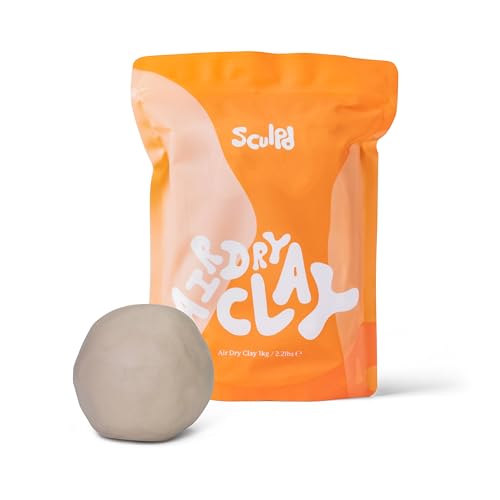
Sculpd Air Dry Clay Premium Self-Hardening 2.2 lbs

FlyFlag Air Dry Clay 100 Colors with Tools
More Details On Our Top Picks
DAS has been a classroom staple for decades, and this terra cotta brick shows why. The texture stays smooth and even straight out of the pack, so you spend your session shaping instead of fighting crumbly edges. No oven or kiln enters the picture; the clay simply firms up as air reaches it.
In practice, that matters most for anyone working at a kitchen table or a shared studio bench where firing equipment isn’t realistic. The warm terracotta shade also looks finished on its own, which suits planters, figurines, and rustic decor pieces.
Strong Points
- Air-hardens without baking, so finished pieces cure right where you leave them
- The even, fine body takes detail work well, from thumbprints to carved lines
- Terra cotta color reads as intentional decor rather than unfinished craft material
- Molds, sculpts, and forms figures easily by hand or with basic tools
Things To Consider
- Once a brick dries out, rehydrating it fully can be tricky, so wrap leftovers tightly in plastic between sessions
- One 1.1-pound block goes quickly on larger pieces like vases or planters
Who It Suits Best
Teachers, hobbyists, and decor makers who want dependable, no-fuss clay in a natural earthy tone.
Where A Sibling Pick Shines
Shoppers wanting a paintable neutral should reach for the Prang DAS white version instead, since bare white accepts acrylics more predictably than tinted terracotta.
This is the same trusted DAS formula as our top pick, just cast in clean white instead of terracotta. That single change opens up a different creative lane: painted jewelry, model-making, ornaments, and anything where color accuracy matters. A white base gives acrylics, temperas, and markers a true canvas rather than a tinted one.
Like its sibling, it hardens in open air with zero equipment, which keeps cleanup simple after a craft afternoon. For school projects and holiday decorations, the blank-slate look tends to be exactly what people want.
What We Like
- Neutral white surface shows applied paint colors accurately once cured
- No oven needed, so kids and classrooms can work safely anywhere
- Smooth consistency supports both hand modeling and tool-based detailing
Worth Noting
- White clay shows dirt and stray pigment fast, so wash hands before each session
- Smaller 1.1-pound size means frequent repurchasing for group projects
Made For
Crafters who plan to paint their finished pieces and want a reliable, affordable base clay.
Skip It When
Anyone needing serious volume for big sculptures will get better value from the Pepy 2.2-pound bar further down this list.
Miniature food artists and flower crafters have kept Hearty Soft in steady rotation for years, and the reason is weight. At 180 grams, this lightweight Japanese-style clay cures into pieces so airy they barely stress thin petals or delicate cake-deco details. The cured surface also resists crumbling, which is precisely the failure mode this whole list exists to avoid.
One honest trade-off: the 6.3-ounce pouch won’t stretch far on chunky sculptures. Treat it as a specialist material for small, refined work rather than an all-purpose brick.
Bright Spots
- Cures with minimal shrinkage, keeping tiny proportions true to your original shape
- Dried pieces can be carved, sanded, and drilled for post-cure refinement
- Accepts paints and finishes readily once hardened
- Lightweight result suits wearable items like earrings and brooches
Small Caveats
- The 180g quantity limits you to small-scale projects per purchase
- Soft, sticky-fresh texture takes a light touch until it firms slightly
Quick Facts
Right Fit For
Deco creators building miniature food, floral arrangements, and other small detailed pieces.
Another Choice May Suit
Larger sculptural work calls for the ReArt 2.2-pound block, whose earth-clay body handles bulk far better.
Most entries here sell you clay and leave the rest to guesswork. Sculpd’s kit flips that: four pounds of premium air-dry clay arrive alongside a five-piece tool set, brushes, a potter’s sponge, waterproof gloss varnish, and step-by-step guidance including video tutorials. Everything two people need for a full pottery evening fits in one box.
The gloss varnish deserves special mention because sealing is what protects dried pieces from moisture damage over time. For couples’ craft nights or anyone intimidated by starting from scratch, the included instructions remove most of the trial and error.
Reasons To Buy
- Complete setup covers sculpting, painting, and sealing in one purchase
- Four pounds of clay supports multiple plant pots, vases, or sculptures
- Waterproof gloss varnish helps finished bowls and planters handle real use
- Video tutorials shorten the learning curve for total newcomers
Points To Note
- You pay for tools and varnish too, so pure clay-per-dollar value trails plain bars
- Experienced potters may already own most of the included accessories
Who Will Love This
Adult beginners and pairs looking for a guided, everything-included introduction to home pottery.
Swap It Out When
Crafters who only want refills after trying the kit should grab the standalone Sculpd 2.2-pound bag instead.
Volume is this bar’s quiet superpower. At 2.2 pounds in a single piece, it doubles the DAS bricks above while staying soft enough to knead and shape by hand from the first minute. European-made modeling clays carry a reputation for consistent texture, and this one lives up to it in classroom settings where twenty pairs of hands need the same predictable material.
It also plays well beyond hand modeling: the body adheres to wire, wood, and cardboard armatures, opening up armature-based sculpture techniques that smaller packs discourage.
Plus Points
- Large 2.2-pound bar reduces mid-project runouts during group activities
- Adheres to wire, wood, and cardboard frames for structured builds
- Finished pieces accept acrylic, tempera, watercolor, sanding, polishing, cutting, and varnish
- Air-dries within roughly a day under normal conditions
Minor Gripes
- A single unwrapped bar demands careful storage once opened, or edges dry out
- Plain white means every colored project needs a paint pass afterward
Feature Snapshot
Who Should Grab It
Montessori educators, art teachers, and families who burn through smaller packs quickly.
Consider Something Else When
Solo hobbyists wanting finer grain for detailed figures may prefer the ReArt block’s ultra-fine texture.
Five bags, five primary colors, one sneaky lesson in color theory. BOHS packages red, yellow, blue, black, and white in equal 100-gram portions, inviting kids to mix their own oranges, greens, purples, and shades along the way. The foam-light texture feels different from earth clays: squishier, cleaner, and far less likely to leave residue on tables or sleeves.
It bonds to styrofoam, glass, and metal too, so decorated jars and foam shapes become easy weekend wins. Resealable bags keep unused portions workable, which parents will appreciate more than they expect.
Standout Traits
- Primary-color set teaches mixing and shading through hands-on play
- Self-hardens with no baking and leaves work surfaces clean
- Adheres to styrofoam, glass, and metal for mixed-media decorating
- Resealable packaging cuts waste between crafting sessions
Softer Spots
- Foam texture lacks the fine-detail capability of denser earth clays
- Five fixed colors limit projects unless mixing is part of the fun
At A Glance
Whose Shelf It Belongs On
Parents and early-years teachers who want craft time to double as a color-mixing lesson.
Reach For A Different Pick When
Kids who prefer ready-made variety over mixing will enjoy the Exptolii 24-color set more.
Twenty-four colors arriving at once changes the energy of craft time. Instead of negotiating over the one blue pot, siblings each claim their favorites and build side by side. Each piece weighs roughly 13 grams, sized for small hands and small creations like animals, charms, and fridge magnets, and sculpting tools come bundled in.
The formula is non-toxic, odor-free, and non-sticky, meeting ASTM D-4236 and CE (EN-71) standards, which answers the safety question most parents ask first. One critical note from the manufacturer: never bake this clay, as it’s designed purely to air dry over about a day.
Highlights
- 24 distinct colors spark imaginative play without any painting step
- Certified non-toxic and odor-free, suitable for children aged three and up
- Non-sticky texture keeps fingers, tables, and clothes cleaner
- Includes sculpting tools so the set works straight out of the box
Areas To Watch
- Oven-baking ruins this clay, so supervise curious helpers near kitchens
- Small 13g portions suit trinkets, not substantial sculptures
Core Details
Perfect Match For
Gift-givers and parents shopping for children three and older who love colorful, independent crafting.
Not Your Match When
Families wanting an enormous shared palette should compare the FlyFlag 100-color tub later in this list.
Grain size sounds like trivia until you try carving a face into coarse clay. ReArt uses a natural earth clay with an ultra-fine grain, which translates directly into sharper detail and smoother surfaces than budget blocks manage. Exceptional plasticity means it holds stretched, thinned forms without tearing, a quality advanced sculptors notice immediately.
Cured pieces resist crumbling and tolerate carving, sanding, and drilling, and quarter-inch-thick sections dry within roughly a day. Unlike the foam clays earlier in this lineup, this behaves like traditional pottery material, just without the kiln.
Upsides
- Ultra-fine grain captures crisp detail for faces, folds, and textures
- High plasticity supports thin, stretched forms without cracking apart
- Cured strength allows drilling and carving for added refinement
- Minimal shrinkage keeps proportions stable through drying
- Can be kiln-fired later for those who eventually access one
Honest Caveats
- Earth-clay feel is heavier and less toy-like, which some younger kids dislike
- Open portions need airtight wrapping to stay usable across weeks
Best Suited To
Intermediate and advanced hobby sculptors who prioritize surface detail over color convenience.
Look Elsewhere When
Beginners wanting guided instruction will find the Sculpd pottery kit’s tutorials and varnish more welcoming.
Most clays treat color as an afterthought; Sculpd treats it as part of the design. The natural stone-grey tone looks genuinely stylish left unpainted, giving vases and candle holders that muted ceramic aesthetic popular in modern home decor. The body itself stays soft, light, and easy to shape, with a smooth surface that takes paint beautifully when you do want color.
Two point-two pounds covers a couple of decent-sized projects for two people, positioning it neatly between the DAS bricks and the bulk Pepy bar. No oven or kiln required, naturally.
Positives
- Stone-grey finish delivers a contemporary ceramic look without any paint
- Smooth, easy-to-paint surface accommodates decorative finishes later
- Soft, lightweight handling suits beginners and relaxed weekend sessions
- 2.2-pound bag supports several medium-sized home decor pieces
Trade Offs
- Grey tone skews paint colors, so bright hues need a white primer coat first
- Sealing is recommended for functional pieces exposed to moisture
The Right Fit
Adults crafting display pieces, vases, and decor where appearance matters as much as structure.
Where Another Pick Suits Better
Classrooms needing maximum volume per dollar are better served by the Pepy 2.2-pound bar.
A hundred colors sounds excessive until a rainy Saturday arrives and four kids all want “the exact right pink.” FlyFlag’s ultra-light, extra-smooth formula comes in a rainbow spanning pastels, brights, and deep tones, with tools and tutorials tucked in so nobody stalls at square one. The softness lowers the barrier for novices while still responding well to practiced thumbs.
Beyond fun, the set quietly teaches color recognition, shape-building, and matching skills, which is why it shows up in so many learning-through-play wish lists.
Best Bits
- 100-color range removes mixing guesswork for younger children
- Ultra-light, extra-smooth texture welcomes complete beginners
- Bundled tools and tutorials make the set self-sufficient
- Supports creativity and confidence through open-ended play
Room For Improvement
- Individual portions are small, so large group builds deplete favorite colors quickly
- Opened pieces dry out fast, so reseal promptly after each session
Details At A Glance
Who Should Grab It
Families with multiple children and caregivers who want one generous set to cover months of creative play.
Another Choice May Suit
Households preferring fewer, larger color portions will find the Exptolii 24-color set easier to manage.
What Matters Most Before Choosing Air Dry Clay That Doesnt Cracks
Texture And Grain Decide Your Detail Level
Fine-grain clays such as ReArt capture sharp edges and smooth surfaces, while coarser bodies suit chunky, rustic forms. Run a fingertip test mentally against your project: miniature food demands finesse, garden planters don’t. Matching grain to ambition prevents most disappointment before the first pinch.
Weight Class Changes What You Can Build
Lightweight formulas like Activa Hearty and the foam clays excel at delicate, wearable, or wall-mounted work because cured pieces stay featherlight. Dense earth clays bring heft and durability to bowls and sculptures meant to sit on shelves. Choose based on where the finished piece will live.
Quantity Versus Convenience
Single bars from DAS and Pepy maximize clay per purchase but require careful wrapping between sessions. Kits like Sculpd cost more upfront yet bundle tools, varnish, and guidance that beginners would otherwise buy separately. Honest self-assessment of your storage habits saves money and frustration alike.
Safety Standards For Young Crafters
Clay destined for children under supervision should carry recognized compliance markings such as ASTM D-4236 or CE EN-71, as the Exptolii set does. Non-toxic labeling matters most for the under-five crowd who still explore with their mouths. Adults-only studios can prioritize performance over certifications.
Key Considerations Across These Picks
Traps First Timers Fall Into
The biggest mistake is buying a huge multipack before checking portion sizes; 100 tiny colors can mean less usable clay than one 2.2-pound bar. Second, skipping the sealant step on functional pieces like planters invites moisture damage later. Third, storing opened clay uncovered turns tomorrow’s project into today’s paperweight, so airtight containers pay for themselves.
When Paying More Pays Off
Premium pricing typically buys finer grain, better plasticity, and lower shrinkage, the trio that separates crack-free results from cracked ones. The upgrade proves worthwhile for detailed sculpture and gift-quality pieces. For rough kids’ crafts, budget foam clays perform admirably, and the difference won’t show.
Frequently Asked Questions
Why does air dry clay crack as it dries?
Cracking usually comes from drying too fast or from thick, uneven sections curing at different rates. Working thinner, adding slip to joins, and drying slowly away from direct heat keeps pieces intact.
Can I speed up drying with an oven?
Only if the manufacturer explicitly permits it, and most don’t. Heat causes internal steam pockets that lead to cracks or breakage, so patience beats shortcuts here.
How long does air dry clay take to fully cure?
Thin sections generally firm up within about 24 hours, matching the timelines listed for picks like Pepy and Exptolii. Thicker sculptures can need several days before they’re ready for sanding or painting.
Do I need to seal finished pieces?
Sealing is strongly recommended for anything exposed to moisture, such as planters or cups. A varnish like the gloss glaze included in the Sculpd kit adds a protective layer and a polished finish.
Can I revive clay that has started drying out?
Partially dried clay often revives with slow kneading and a few drops of water wrapped in damp cloth overnight. Fully hardened clay rarely returns to workable condition, which is why resealable storage matters.
Closing Thoughts
Crack-free results come down to matching the clay to the project, not chasing a single magic product. Delicate miniatures call for Activa, bold sculptures want ReArt or Pepy, and restless kids thrive with the colorful sets from Exptolii or FlyFlag. Whichever direction your next project pulls, pick the option built for it, store the leftovers well, and let the air do the rest.
