
Anyone who has spent an hour at the wheel knows the mess: clay slip on your thighs, glaze drips down your shins, and a load of laundry you didn’t plan for. A regular kitchen apron fails here because you’re seated, and fabric that hangs straight down leaves your legs exposed. The right pottery apron solves that with a split-leg design or generous coverage built around how ceramicists actually work. This list covers split-leg canvas designs from Claypron, cross-back bibs from Chef Works and FortuWrap, and budget-friendly buckle-strap options from Tosewever, so you can match protection to your studio routine.
The Shortlist At A Glance

Claypron Split Overlap Apron Oatmeal Short

Claypron Denim Split Overlap Apron

Claypron Deep Purple Split Leg Apron

Chef Works Cross-Back Bib Apron

Chef Works Cross-Back Bib Apron

KEVIN&SASA Cotton Canvas Painting Bib Apron
FortuWrap Cotton Canvas Chef Apron

Tosewever Buckle Strap Art Apron

Tosewever Buckle Strap Art Apron
More Details On Our Top Picks
This is the shorter cut of the original Claypron, running about 43.5 inches long instead of the standard length. That matters more than it sounds: at a seated wheel position, extra fabric pools on the floor and picks up trimmings. The oatmeal color hides clay dust reasonably well between washes.
The design uses two overlapping front panels, so one layer covers each leg while you’re throwing. It reads like a wrap skirt in motion, which is exactly what seated work calls for.
Strong Points
- Overlapping panels keep both legs shielded while seated at the wheel
- Shorter 43.5-inch length avoids dragging on the floor near your pedal or footrest
- Cotton canvas shrugs off wet clay slip and wipes clean before washing
- Machine washable, so post-session cleanup is a normal laundry cycle
Things To Consider
- The shorter cut offers less shin protection during standing glazing work
- Canvas holds moisture after heavy slip contact, so hang it to dry fully before storing
Key Specs
Who It Suits Best
Potters under roughly average height, or anyone whose wheel setup sits low enough that a full-length apron drags.
A Better Fit Elsewhere
Taller throwers who want maximum leg coverage should look at the Claypron Denim Split Overlap Apron instead, since its longer cut handles standing work better.
Same split-overlap concept as the oatmeal version above, but in blue denim and a fuller length. Denim brings a stiffer hand feel out of the box, and many owners report it softens nicely over the first few weeks of studio use. The darker color also does a better job disguasing clay residue between laundry days.
The overlap panel system is the whole point here. While seated, each leg gets its own fabric barrier, so leaning forward to center a lump of clay doesn’t expose your knee.
What We Like
- Denim body stands up to daily throwing without wearing thin at the lap
- Split-leg overlap keeps clothes clean through centering, pulling, and trimming
- Works beyond the wheel for painting, cooking, and garden chores
- Unisex sizing suits a shared studio shelf
Minor Gripes
- Denim takes longer to dry than lighter cotton after a heavy slip session
- Stiff until broken in, which some find restrictive during the first week
Right Fit For
Throwers logging several wheel sessions a week who want one apron to last years, not months.
Where A Sibling Pick Shines
For a lighter, faster-drying option in the same design language, the Claypron Deep Purple Split Leg Apron is the smarter call.
The deep purple colorway gives this Claypron a bit of personality without sacrificing function. Construction stays true to the family formula: cotton canvas, overlapping front panels, and a cut meant to cover you from chest to ankle whether you’re throwing, hand building, or brushing on glaze.
Compared with the denim version, this one leans slightly wider in the body, which translates to more side coverage when you reach across a ware board. Glazers tend to appreciate that extra margin.
Highlights
- Overlap design shields legs during seated throwing and standing glazing alike
- Cotton canvas blocks drips yet breathes during long warm-studio sessions
- Machine washable care keeps maintenance simple
- Distinctive purple shade stands out in a shared classroom setting
Small Caveats
- Lighter canvas weight means glaze stains may set in if left unwashed overnight
- No dedicated tool pockets, so trimming tools live on your banding wheel instead
Feature Snapshot
Made For
Ceramic students and hobbyists who split time between the wheel and the glaze table and want one apron for both.
Swap It Out When
Anyone needing rugged durability for daily production work will get more mileage from the FortuWrap Cotton Canvas Chef Apron later in this list.
Chef Works built its reputation in restaurant kitchens, and that shows in the details here. The cross-back strap system routes weight across your shoulders and back rather than hanging everything from your neck, which makes a real difference during a three-hour throwing block. Two patch pockets give tools and a sponge somewhere to live.
The trade-off against the Claypron options is structural: this is a single-panel bib, not a split-leg design. Seated potters lose some thigh coverage, though the wide bib still handles most torso splash well.
Plus Points
- Cross-back ties take neck strain out of long sessions entirely
- Two patch pockets hold rib tools, sponges, and a needle tool within reach
- Extra-wide ties stay tied and adjust easily over layers
- Restaurant-grade build tolerates frequent hot-water washing
Points To Note
- Single-panel front leaves legs exposed at a seated wheel
- Poly/cotton blend dries fast but can hold onto stubborn iron-oxide stains
Whose Shelf It Belongs On
Hand builders, sculptors, and anyone splitting studio time with cooking who values all-day comfort over leg coverage.
Consider Something Else When
Dedicated wheel throwers should step back up to the Claypron Split Overlap Apron Oatmeal Short for proper seated protection.
This listing shares the same Chef Works cross-back platform as pick four, differing mainly in available colorway. Everything that made the earlier version comfortable carries over: adjustable back ties, reinforced stitching at stress points, and a 65/35 poly-cotton weave that balances durability with easy laundering.
In practice, choosing between the two comes down to color preference and whichever variant is in stock. Functionally they’re twins, so treat this as your second chance at the same solid design.
Bright Spots
- Reinforced stress points resist tearing where straps meet the bib
- Adjustable back ties accommodate different heights without retying knots
- Poly/cotton blend resists wrinkles and launders quickly
Honest Caveats
- Same limitation as its sibling: no split-leg coverage for seated throwing
- Lighter fabric weights mean less barrier against heavy slip splatter
Best Suited To
Teachers and studio assistants who need a clean, professional-looking apron that survives constant washing cycles.
Not Your Match When
For heavier splash protection in a similar silhouette, the FortuWrap Cotton Canvas Chef Apron offers thicker material.
Marketed primarily toward painters, this unisex canvas bib translates surprisingly well to light pottery duty. The cotton canvas body handles dry clay dust and moderate slip without complaint, and the straightforward bib shape means nothing complicated to adjust or maintain.
You may find the coverage thinner than the Claypron lineup offers, particularly below the waist. For weekend hobbyists dabbling in hand building rather than committed wheel work, that compromise is often acceptable given the accessible positioning.
Reasons To Buy
- Cotton canvas construction at an entry-level commitment
- Unisex cut works for shared household use
- Doubles cleanly for painting, crafts, and baking projects
Softer Spots
- Limited lower-body protection compared with split-leg designs
- Fewer documented fit adjustments, so taller users may want to verify length first
The Right Fit
Casual crafters trying pottery classes for the first time who don’t want to invest heavily before knowing they’ll stick with it.
Another Choice May Suit
Once weekly wheel sessions become routine, upgrading to the Tosewever Buckle Strap Art Apron adds pockets and adjustability worth having.
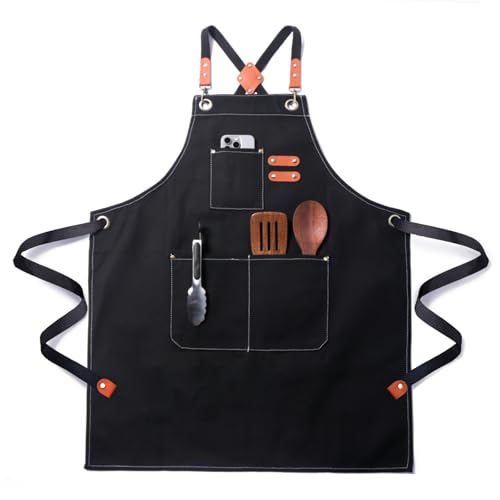
Twelve-ounce canvas is the headline number here, and it’s genuinely thick stuff, closer to workwear than kitchen linen. FortuWrap pairs that heavy fabric with leather strap accents and a cross-back fit, giving the apron a workshop-ready character that suits studios doubling as garages or sheds.
The pocket layout is generous by any standard, and owners commonly report the straps hold adjustment well once set. Against the lighter Chef Works bibs, expect noticeably more splash resistance and a slower break-in period.
Standout Traits
- 12 oz cotton canvas deflects slip, glaze, and water splatter effectively
- Leather strap details add durability at high-tension points
- Generous pocket array keeps tools organized mid-project
- Cross-back design distributes weight comfortably across shoulders
- Roomy fit layers over sweaters in cold studios
Trade Offs
- Heavy canvas means longer drying times and a warmer wear experience
- Stiff texture needs several sessions to soften
At A Glance
Who Will Love This
Production potters and multi-craft makers who want one tough apron covering woodworking, welding prep, and clay alike.
Look Elsewhere When
Warm climates and summer studios favor the breathable Claypron Deep Purple Split Leg Apron instead.
Tosewever targets home cooks, gardeners, and servers, and that broad intent shows in a design that adapts easily to art rooms. Buckle straps replace fussy tie knots, so getting a secure fit takes seconds and stays consistent between wears. Pockets line the front for brushes, tools, or a phone.
It won’t match the seated coverage of a true split-leg apron, but for painting days, glazing sessions, and general studio tidying, it covers the essentials without fuss.
Upsides
- Buckle straps make sizing quick and repeatable
- Front pockets keep small tools handy during projects
- Works across painting, baking, gardening, and light ceramics
- Accessible option for stocking a classroom or family craft corner
Areas To Watch
- Bib-only design leaves legs uncovered at a pottery wheel
- Fabric weight sits lighter than dedicated canvas workwear
Quick Facts
Who Should Grab It
Multi-hobby households wanting one adaptable apron that moves between kitchen, garden, and craft table.
Reach For A Different Pick When
Serious wheel time calls for the Claypron Denim Split Overlap Apron, whose leg panels exist precisely for seated work.
A second Tosewever variant closing out the list, sharing the buckle-strap hardware and pocket-forward layout of pick eight. The distinction comes down to styling and availability, so consider this your backup route to the same practical formula rather than a different product category.
Like its sibling, it shines in mixed-use settings. Baking morning bread, then moving to an afternoon of glaze brushing, then watering the garden: one apron handles all three without complaint, assuming your expectations around heavy clay exposure stay modest.
Positives
- Quick-adjust buckles suit households sharing one apron
- Pockets handle utensils, brushes, and small tools equally well
- Easy-care fabric suits frequent laundering
Worth Noting
- Not designed for the seated leg coverage wheel throwing demands
- Style-focused build prioritizes versatility over heavy-duty protection
Built With In Mind
Home bakers and casual artists who occasionally join a pottery class and want everyday coverage first.
Skip It When
Weekly studio members get far better value from the purpose-built Claypron Split Overlap Apron Oatmeal Short at the top of this list.
What Matters Most Before Choosing Aprons For Pottery
Split-Leg Vs. Standard Bib
The single biggest decision is whether you work seated at a wheel. Split-leg aprons use two overlapping front panels so each leg gets covered independently, which a flat bib simply cannot do from a chair. Hand builders, sculptors, and glazers can happily use a standard bib like the Chef Works models. Match the design to your primary posture, not the other way around.
Fabric Weight And Care
Cotton canvas dominates this category because it blocks wet slip while staying breathable. Heavier weaves, such as the 12 oz material on the FortuWrap, resist splatter better but dry slowly and run warm. Lighter blends launder faster but stain more readily. Whatever you choose, rinse clay residue promptly; dried slip sets into fibers and shortens the apron’s useful life.
Fit And Adjustability
Length matters most for shorter potters, since excess fabric drags on the floor and collects trimmings. Look for adjustable straps or buckles that let you dial in the fit over layered clothing in winter. Cross-back systems spread weight across the shoulders and spare your neck during long sessions, a detail your spine will thank you for.
Pockets And Practicality
A sponge pocket sounds trivial until you’re mid-throw with wet hands. Front pockets sized for ribs, needle tools, and a towel keep workflow smooth. Just avoid overloading them at the wheel, where swinging weight can catch on spinning forms.
Key Considerations Across These Picks
Traps First Timers Fall Into
The most common mistake is buying a kitchen apron for wheel work and discovering too late that seated coverage doesn’t exist. Another frequent misstep: ignoring length. Measure from chest to just above the knee while seated, then compare against listed dimensions. Skipping that check leads to either shin exposure or floor-dragging hems.
What Separates Premium From Basic
Higher-tier aprons spend their extra cost on fabric density, reinforced stitching, and hardware. Leather strap anchors and 12 oz canvas survive years of abuse that thin poly-cotton blends cannot. Casual users rarely notice the difference; anyone throwing multiple times a week will feel it within a month.
Frequently Asked Questions
Why do pottery aprons have a split leg?
A split-leg design lets fabric cover each leg separately while you sit at the wheel, so leaning forward doesn’t pull the apron off your thighs. Standard bibs hang straight and leave seated legs exposed.
Can I use a regular chef apron for pottery?
Yes, for hand building, glazing, and painting. Wheel throwing is where chef aprons fall short, because their single-panel front can’t protect seated legs from slip and clay particles.
How do I clean clay out of a canvas apron?
Let wet clay dry completely, brush off the loose material, then machine wash cold. Avoid hot water on fresh slip, since heat can set clay particles deeper into the fibers.
What length apron works best at the wheel?
Most seated potters do well with coverage reaching mid-shin while sitting. Taller users prefer full-length cuts, while shorter frames benefit from shortened versions that don’t pool on the floor.
Do I really need pockets on a pottery apron?
They’re not essential, but most studio regulars end up relying on them for sponges, ribs, and trimming tools. One deep pocket beats several shallow ones for keeping tools secure.
Closing Thoughts
Choosing among these nine comes down to honest self-assessment. Wheel throwers should start with the Claypron split-leg designs, matching length to frame and fabric to workload. Multi-craft makers get the best return from the FortuWrap’s heavy canvas, while casual hobbyists and households will find the Tosewever and KEVIN&SASA options cover plenty of ground. Whichever direction fits your studio habits, the right apron quietly pays for itself in saved clothing and fewer laundry emergencies.
