
Every painter knows the frustration of a palette that fights back: dried acrylic welded into wells, stains that never lift, or a surface that distorts the colors you’re trying to judge. The right mixing surface quietly solves all of that. This roundup covers ten artist paint palettes spanning disposable pads, clear acrylic trays, classic wood, and glazed porcelain, so you can match the tool to your medium and your cleanup tolerance. Whether you paint at a kitchen table or a dedicated studio bench, there’s a fit here.
A Side-By-Side Look

Zenacolor Paper Palette Pad, 50 Disposable Sheets

Sweaty Pony 20-Well Paint Tray Palette, 13 x 10 Inches

U.S. Art Supply Clear Oval Acrylic Painting Palette (2-Pack)

U.S. Art Supply Wood Painting Palette Set with Acrylic Tubes

Tamaki Acrylic Paint Palette Clear Oval, 2 PCS

MEEDEN Ceramic Paint Palette Mixing Tray, 10 x 6.3

Soho Urban Artist Neutral Gray Paint Palette, 11.75 x 15.75
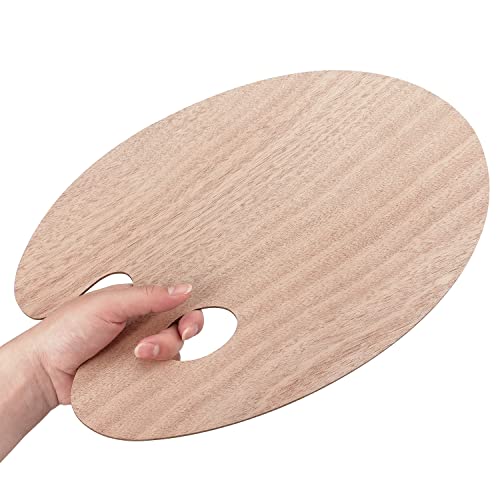
Tamaki Wooden Paint Palette Thumb Holder Tray

DUGATO 20-Well Plastic Paint Palette, 2-Pack

Hulameda Acrylic Clear Paint Palette with Thumb Hole, 2Pcs
More On The Choices That Made The List
Cleanup is where most palettes lose their charm, and this pad sidesteps the problem entirely. Each sheet carries a slick coating that keeps wet paint from soaking through, so you mix freely, then tear off the used page and toss it.
For anyone painting in a shared living space or squeezing sessions into short windows, that trade is hard to argue with. Fifty sheets at 80gsm weight give you a solid stretch of sessions before reordering, and the pad format stores flat in a drawer.
Everyday Advantages
- No scrubbing dried acrylic out of wells after a session
- The coated surface keeps paint workable instead of absorbing it
- Fits oil, acrylic, and watercolor workflows alike
- Lies flat, so it tucks into almost any storage spot
Things To Consider
- You’ll buy replacements forever, unlike a washable tray
- Sheets flex under pressure, so heavy-handed mixing takes care
Who It Suits Best
Casual and busy painters who value fast teardown over a permanent mixing surface.
Where Another Pick Suits Better
Artists who mix large volumes daily will prefer the roomier Sweaty Pony 20-well tray.
Where the Zenacolor pad trades permanence for convenience, this white plastic tray commits to reuse. Its 13 by 10 inch footprint runs slightly larger than an A4 sheet, giving you real estate for both pigment wells and open mixing space.
The layout splits twenty wells between squares and circles of two sizes, which matters more than it sounds. Small circles hold single pigments, while the larger basins handle custom blends without crowding. At roughly a third of a pound, you can hold it in one hand or park it flat on the desk.
A Few Highlights
- Twenty mixed-size wells separate pigments cleanly during complex pieces
- Light enough for handheld use yet stable on a tabletop
- Sturdy white plastic rinses clean and stands up to repeated washing
- White base shows watercolor dilutions honestly
Worth Noting
- Dried acrylic can cling to well edges unless you rinse promptly
- One tray only, so a backup means a second purchase
At A Glance
Made For
Watercolor and acrylic hobbyists who juggle many colors in a single sitting.
Consider Something Else When
Painters who want a thumb hole and handheld oval balance may like the Tamaki acrylic pair better.
This set ships two molded plastic ovals rather than one, which changes how you work. Keep one loaded with your standard palette and dedicate the second to glazes or a guest session, and a damaged tray no longer ends your painting week.
Each oval measures about 9 by 13.8 inches with seventeen wells and a polished curved thumb hole. The smooth edges suit left- and right-handed grips equally, something not every oval manages. Compared with the Sweaty Pony’s square footprint, this shape balances better against your forearm during long standing sessions.
The Good Stuff
- Two complete palettes double your working capacity
- Thumb hole gives a secure hold for easel and standing work
- Lightweight molded plastic survives drops that would crack ceramic
- Clear body lets you mix over a reference photo underneath
Trade Offs
- Seventeen wells offer less dedicated mixing area than 20-well trays
- Plastic can scratch over years of knife work
Right Fit For
Acrylic painters who alternate between table and easel and want a spare on hand.
Not Your Match When
Anyone chasing true color accuracy should look at the MEEDEN porcelain tray instead.
Not every entry here is a bare tool. This bundle pairs a 9 by 12 inch wooden palette with six tubes of acrylic paint, which makes it less a purchase and more a starting point for someone testing whether painting sticks.
The wood surface carries that traditional studio look, and many painters find warm tones easier on the eye than stark white when judging skin tones and earth colors. As a gift for a curious teenager or a first art kit for yourself, the combination removes the guesswork of buying supplies separately.
Positive Takeaways
- Palette and paints arrive together, ready for a first session
- Wood warms up color perception compared with bright white surfaces
- Compact 9 x 12 size suits lap and tabletop work
Minor Gripes
- Wood needs prompt cleaning; dried acrylic bonds stubbornly to grain
- Six tubes limit your color range until you expand the collection
- No wells, so organization depends entirely on your own habits
Who Will Love This
Complete beginners and gift-givers who want a one-box introduction to acrylic painting.
Look Elsewhere When
Experienced painters needing washable wells will get more mileage from the DUGATO twin pack.
Clarity is the whole pitch here. Once you peel the protective film from both sides, these 11.8 by 7.9 inch ovals turn nearly invisible, letting you lay them directly over a sketch or photo and match colors against what sits beneath.
Compared with the U.S. Art Supply pair earlier in this list, the Tamaki ovals run slightly narrower and skip the seventeen-well layout, favoring open mixing space instead. The smooth acrylic edges feel comfortable in hand, and the surface wipes down easily between sessions.
The Helpful Details
- High transparency supports tracing and direct color matching
- Open surface handles broad gestural mixing without well limits
- Smooth edges stay comfortable during long handheld sessions
- Two ovals cover a main palette plus a spare
Points To Note
- Remember to remove the protective film before first use
- No wells means loose pigments can drift together on a tilted surface
The Right Fit
Artists who trace references or mix over source images and want maximum visibility.
A Better Fit Elsewhere
Structured well-based mixing suits the Sweaty Pony tray’s organized layout more.
Porcelain changes the mixing experience in ways plastic cannot copy. The white-glazed surface shows pigment at its truest value, and the nonporous finish lets gouache and watercolor rewet instead of staining permanently.
The 10 by 6.3 inch tray centers a generous mixing basin surrounded by smaller reservoirs, so bulk blending and individual puddles coexist without crowding. Watercolorists who let pans dry overnight will appreciate that a soak restores the surface completely. The honest caveat is weight and fragility: this stays on the desk, and a drop onto tile ends its career.
Practical Pluses
- Glazed porcelain reveals accurate color before paint reaches paper
- Nonporous surface revives dried gouache with a little water
- Central basin plus side reservoirs organize complex sessions
- Heft keeps the tray planted while you scrub mixes
Small Caveats
- Ceramic chips or shatters if knocked off a table
- Too heavy and delicate for plein air or classroom carts
Quick Facts
Built With In Mind
Studio watercolor and gouache painters working at a fixed desk who prize color fidelity.
Swap It Out When
Traveling artists should reach for the lightweight Tamaki wooden palette instead.
Most palettes force you to judge values against a surface that lies to you. This butcher-style tray uses a neutral gray finish that reduces glare and eye strain, so midtones read accurately, which is exactly how trained painters prefer to evaluate mixes.
At 11.75 by 15.75 inches, it offers the largest open area in this lineup, closer to a shallow dish than a flat card. Dried acrylic reportedly peels away once cured, and the durable plastic shrugs off oils, inks, and craft media alike. For studio painters mixing big batches, the scale alone justifies the pick.
Strong Points
- Neutral gray surface supports honest value judgments
- Oversized area fits batch mixing for large canvases
- Resists staining across acrylics, oils, and inks
- Dried paint peels off, cutting cleanup time sharply
Room For Improvement
- The large footprint demands serious desk space
- Gray tone reads dark pigments less clearly than white surfaces do
Core Details
Whose Shelf It Belongs On
Dedicated acrylic painters producing large work who need volume mixing and value accuracy.
Another Choice May Suit
Small-desk painters will find the compact Hulameda pair far easier to store.
There’s a reason the wooden oval survived centuries of painting unchanged. This 13.7 by 9.3 inch version keeps the classic silhouette, with a thumb cutout shaped for either hand and a smooth sanded edge that sits comfortably against your forearm.
Wood also travels well. The panel slides into a backpack or tote without the chip risk that follows ceramic, making it a natural companion for sketch outings and outdoor sessions. Unlike the Zenacolor pad, though, this surface demands discipline: wipe paint away while it’s wet, because dried acrylic locks into the grain.
Real-World Strengths
- Traditional shape balances naturally during handheld painting
- Ambidextrous thumb hole works for left- and right-handers
- Lightweight panel packs easily for outdoor sessions
- Warm wood tone flatters earth and skin-tone mixing
Honest Caveats
- Needs immediate cleaning; owners commonly report stubborn dried-acrylic stains
- No wells, so runny mediums can slide toward the edge
Who Should Grab It
Plein air painters and sketch-group regulars who want a classic handheld surface that survives transit.
Reach For A Different Pick When
Studio-bound gouache painters get truer color from the MEEDEN porcelain tray.
Classrooms, family craft nights, and shared studios all share one problem: everyone wants their own tray. This twin pack answers that with two identical 10 by 13 inch palettes, each carrying twenty wells for separated pigments and custom blends.
The sturdy white plastic keeps weight low while surviving the rough handling kids and group settings deliver. Against the single Sweaty Pony tray reviewed earlier, you’re getting the same general concept doubled, which changes the math for teachers and parents. One tray dries while the other works, and neither session waits on a sink.
Where It Excels
- Two matching trays support simultaneous painters or rotating projects
- Twenty wells per tray organize multi-color compositions
- Non-toxic white plastic suits younger artists’ spaces
- Rinses quickly under a tap between uses
A Few Limitations
- Open wells let acrylic dry hard overnight if left uncleaned
- Flat rectangular shape lacks a thumb hole for handheld work
Key Specs
Perfect Match For
Teachers, parents, and workshop hosts equipping several painters at once.
Where A Sibling Pick Shines
Solo easel painters who hold their palette will prefer the U.S. Art Supply oval duo.
This set solves a sizing dilemma by shipping both answers: one 11.8 by 7.9 inch oval for full sessions and one 9.8 by 5.9 inch companion for quick studies or cramped corners. Both are clear acrylic with thumb holes and smooth finished edges.
For painters working at a small desk, dorm table, or travel kit, the smaller oval earns its place constantly. Like the Tamaki clear pair, remember to peel the protective film from both sides before the first mix, or you’ll wonder why everything looks cloudy.
Strengths Worth Knowing
- Two sizes cover detailed work and broader mixing alike
- Thumb holes secure the palette during handheld painting
- Clear acrylic wipes clean and reuses indefinitely
- Small footprint suits tight workspaces and bags
Potential Drawbacks
- Protective film must be removed on both sides before use
- Smaller oval limits how many colors you can stage at once
Best Suited To
Apartment dwellers, students, and traveling sketchers who need capable palettes in minimal space.
Skip It When
Large-format painters batching wide mixes belong with the Soho Urban Artist gray tray.
What Matters Most Before Choosing Artist Paint Palettes
Match The Surface To Your Medium
Watercolor and gouache reward nonporous surfaces like glazed porcelain, where dried paint rewets instead of staining. Acrylic punishes neglect on any absorbent material, so coated paper or smooth plastic serves you better. Oil painters traditionally favor wood, whose slight warmth aids tonal judgment. Start with your primary medium, then choose accordingly.
Cleanup Tolerance Is A Real Decision
Be honest about your habits. Disposable sheets cost money over time but erase cleanup entirely, while washable trays demand a rinse before paint cures. Many painters keep both: a pad for quick evening sketches, a durable tray for weekend studio blocks.
Size And Grip Shape Your Sessions
A 13-inch tray suits a fixed desk; anything larger crowds small apartments. Handheld painting calls for an oval with a thumb hole, balanced against your forearm. Flat rectangular trays work best laid down, freeing both hands for brushes.
Key Considerations Across These Picks
Traps First Timers Fall Into
The commonest slip is buying a beautiful wooden palette for acrylic work, then discovering dried paint bonds to the grain overnight. Another is ignoring footprint: an oversized tray on a small desk becomes clutter you stop using. Measure your workspace first, then buy.
Where The Extra Money Goes
Higher-tier options like porcelain pay for material quality that shows up in color accuracy and longevity. You’re paying for a surface that never stains and reads pigment truthfully. Casual painters rarely need that; committed ones notice the difference within weeks.
Frequently Asked Questions
Are paper palette pads suitable for oil paint?
Yes, the coated sheets hold oil paint without soaking through. Tear off and discard each sheet when the session ends.
How do I keep acrylic from drying on my palette?
Mist the surface lightly with water during long sessions and clean promptly afterward. A covered container over the tray also slows drying considerably.
Do clear palettes distort color perception?
They show mixes against whatever sits beneath, which can shift perception slightly. Placing them over white paper restores a neutral background.
Can children use these palettes safely?
The plastic well trays listed here are made from non-toxic materials and suit supervised young painters. Ceramic options are better reserved for careful adult hands.
How many wells does a beginner actually need?
Ten to twelve covers most beginner palettes comfortably. Twenty wells help mainly with complex, multi-color compositions.
Closing Thoughts
Your palette won’t make you a better painter, but the wrong one will quietly make every session harder. Match the surface to your medium, respect your cleanup habits, and size it to your actual workspace. Any of these ten will serve you well once those three boxes are ticked. Happy mixing.
