
Dried canvases leaning against a wall warp, scuff, and collect dust faster than most artists expect. A proper artwork display rack keeps finished pieces upright, separated, and visible, whether you’re working in a spare bedroom studio or setting up a booth at a weekend art fair. The nine racks below cover everything from folding travel-friendly frames to heavy beechwood storage towers on casters. Match the rack to your largest canvas size first, then to how often you actually move it around.
The Picks In Brief
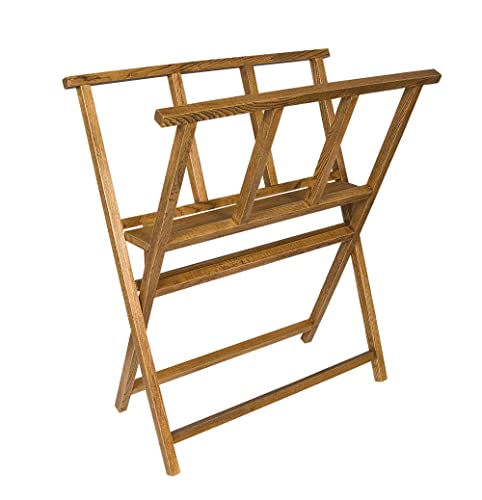
Creative Mark Folding Wood Print Rack, Walnut Finish

Falling in Art Small Canvas Print Rack

Falling in Art Medium Canvas Print Rack

MEEDEN Wood Large Print Rack with Castors

MEEDEN Art Display Print Rack with Castors

MEEDEN Art Display Print Rack, Beech Wood (Walnut)

UNZERO Canvas Storage Rack with Handle & Casters

UNZERO Art Storage & Drying Rack with Casters

DEYEGELEA Gridwall Panel Display Stand, 2’x5.5′
More On The Choices That Made The List
This walnut-finished wooden rack measures just 28 inches tall by 16 inches long by 25.5 inches wide, so it tucks into a corner of a spare-room studio without crowding anything. It holds canvases up to 24 by 36 inches, which covers the sizes most hobbyists paint on anyway.
The folding design is the real draw here. Collapse it after a session, slide it behind a door or into a closet, then reopen it when you need drying space again. Vendors at small art fairs also like it as a lightweight display stand.
Standout Benefits
- Folds down quickly, so a shared room can double as a studio without permanent clutter.
- The warm walnut tone looks presentable enough to leave out during open-studio visits.
- Handles standard 24 x 36 inch panels, the workhorse size for acrylic and oil painters.
- Doubles as book or print storage between painting sessions.
Things To Consider
- Wooden slats need occasional dusting, and damp canvases resting directly on them can leave marks over time.
- Larger stretched canvases beyond 24 x 36 inches won’t fit comfortably.
Who It Suits Best
Apartment dwellers and beginner painters who want real drying capacity that disappears when company arrives.
Where A Sibling Pick Shines
Anyone needing bigger capacity should look at the MEEDEN Wood Large Print Rack with Castors, which handles artworks up to 47 inches.
Where the Creative Mark leans on wood, this one goes light with an aluminum tube frame secured by screws rather than friction joints. The black fabric sling holds smaller pieces up to 16 x 20 inches, making it a natural fit for watercolors, prints, and photo portfolios.
Rubber feet keep it steady on hard floors without scratching them, and hand holes plus a nylon tie strap make carrying it to a market table genuinely easy. Folded flat, it fits in a car trunk alongside your other booth gear.
Useful Strengths
- Aluminum construction keeps the weight low for vendors who haul gear every weekend.
- Screw-fixed joints hold their shape better than snap-together frames over repeated setups.
- Nylon strap secures artwork inside the sling during transport.
- Rubber feet protect both the rack and polished gallery floors.
Worth Noting
- The 16 x 20 inch limit rules out most stretched canvases, so check your largest piece before committing.
- Fabric slings can sag slightly under heavier stacks, according to commonly reported owner feedback.
Made For
Printmakers, photographers, and craft-fair sellers who move their display constantly and work mostly in small formats.
Consider Something Else When
Artists displaying mid-size canvases will get more room from the Falling in Art Medium Canvas Print Rack reviewed next.
Think of this as the small model’s taller sibling. Open, it stands about 37 inches high with a footprint near 24.5 by 21.75 inches, giving you noticeably more display depth for medium paintings, posters, and portfolio boards. Folded, it compresses to roughly 42.5 by 21.75 by 3 inches deep.
That slim folded profile is the selling point. Three inches deep slides behind a sofa, under a bed, or flat against a garage wall, which matters in homes where the studio shares space with daily life. Like its sibling, all four legs wear rubber feet for grip and floor protection.
A Strong Showing
- Folds to just three inches deep, thin enough for closet-side storage.
- Taller frame accommodates larger prints than the small version handles.
- Metal build shrugs off the bumps of frequent show setup and teardown.
- Rubber-tipped legs stay put on tile and hardwood.
Trade Offs
- No wheels, so loaded moves mean lifting rather than rolling.
- Open-frame sides offer less edge protection for delicate framed pieces.
Right Fit For
Pop-up gallery exhibitors and teachers who need mid-size display volume but store everything between events.
Not Your Match When
Studios wanting a permanent, furniture-grade piece should step up to the MEEDEN Art Display Print Rack with Castors instead.
This is where the category shifts from utility gear to actual furniture. MEEDEN handcrafts the frame from European seasoned beechwood, finished with natural oil for a smooth, splinter-free surface. The generous proportions accept artworks up to 47 inches, big enough for large-format canvases and framed pieces alike.
Castors change the ownership experience completely. Instead of lifting a loaded rack, you roll it across the studio floor to chase daylight or clear floor space for a shoot. In our view, that single feature justifies the upgrade for anyone handling heavy or fragile work regularly.
The Helpful Details
- Seasoned beechwood offers strong load-bearing support for stacked canvases.
- Oil finish leaves the surface smooth, so nothing snags varnish or pastel fixative.
- Casters let you reposition a fully loaded rack without unloading it first.
- Accepts pieces up to 47 inches, covering most large-format work.
Small Caveats
- It doesn’t fold, so plan on dedicating floor space year-round.
- Oiled wood benefits from an occasional re-oiling to stay looking fresh.
At A Glance
Who Will Love This
Working painters and illustrators with a dedicated studio who handle large canvases weekly and want furniture-grade storage.
Swap It Out When
Smaller spaces are better served by the Creative Mark Folding Wood Print Rack, which folds away entirely.
Same beechwood pedigree as the large MEEDEN above, but tuned for tighter footprints. The frame runs about 28 by 16 by 31 inches, and the base centers on a non-slip rubber mat roughly eight inches wide, which grips the floor far better than bare wood legs ever would.
That mat is more than a stability trick. It cushions the bottom edges of leaning canvases and stops the whole unit from creeping when you roll it, a detail shop owners appreciate on polished retail floors. You may find the narrower width ideal for lining several units along a gallery wall.
Strengths Worth Knowing
- Wide non-slip rubber mat anchors the rack and protects artwork edges.
- Compact 28 x 16 inch footprint suits narrow walls and corner placements.
- Handcrafted beechwood with oil finish reads as furniture, not equipment.
- Castors allow quiet repositioning during business hours.
Points To Note
- Fixed assembly means no flat storage between seasons.
- Smaller capacity than the large MEEDEN model for oversized works.
The Right Fit
Boutique galleries, framing shops, and home studios that want a handsome, mobile display without sacrificing much floor area.
Look Elsewhere When
Vendors who tear down weekly will find the folding Falling in Art Medium Canvas Print Rack far easier to stow.
Of the three MEEDEN racks here, this walnut-toned version is the one you’d happily place in a client-facing lobby. The European seasoned beechwood carries a rich oil finish with visible grain, sanded smooth so no burr catches a frame’s backing paper. Its footprint sits around 27 by 21 inches.
Functionally it mirrors its siblings: solid load-bearing frame, caster mobility, and room for prints, panels, posters, and stretched canvases. The difference is presentation. Darker wood recedes visually, letting colorful artwork take center stage, something worth considering for curated retail displays.
Key Advantages
- Deep walnut oil finish complements both modern and traditional interiors.
- Smooth, burr-free surfaces keep frames and mats unscathed.
- Handles a broad mix of media, from posters to thick stretcher bars.
- Rolls easily for rearranging seasonal displays.
Softer Spots
- Dark finishes show dust more readily, so wipe-downs become part of the routine.
- Non-folding design demands a permanent spot.
Perfect Match For
Interior designers, gallery owners, and artists whose studio doubles as a showroom space.
Another Choice May Suit
Shoppers prioritizing raw capacity over looks may prefer the UNZERO Art Storage & Drying Rack with Casters covered below.
Most print racks force your collection to fit their slots. This UNZERO flips that logic with removable 0.8-inch diameter vertical wooden rods you can reposition or pull out entirely, adjusting spacing to match canvas thickness. Pieces from 15 to 57 inches fit, and pairing two racks extends coverage to 75-inch works.
A carry handle plus caster wheels round out a genuinely practical package. Beech construction supports a substantial load, and the open rod layout lets wet paintings air-dry on all sides, unlike enclosed shelf designs.
The Practical Payoff
- Adjustable, removable rods customize spacing for thin panels or chunky stretchers.
- Wide 15 to 57 inch range covers nearly every common canvas size.
- Rods can link multiple racks for extra-large collaborative pieces.
- Handle-and-caster combo makes solo moves manageable even when loaded.
Minor Gripes
- Loose rods can wander if not seated firmly, so check them after moving the unit.
- Assembly takes some time compared with ready-to-use folding racks.
Built With In Mind
Mixed-media artists and art teachers juggling everything from small panels to poster-size student work.
Skip It When
Anyone wanting zero setup should grab the pre-assembled-style Creative Mark Folding Wood Print Rack instead.
This is the big sibling in the UNZERO pair, built for canvases from 27 to 57 inches and a higher weight rating on its premium beech frame. Link two units together and you can organize works stretching to 140 inches, which covers mural-scale panels few home racks can touch.
The same adjustable 0.8-inch rod system carries over, along with the handle and caster wheels. Production painters who batch dozens of pieces at once are the obvious audience here; the honest read is that casual hobbyists simply won’t fill it.
Positive Takeaways
- High-capacity beech build suits dense stacks of large canvases.
- Two-rack linking reaches 140-inch combined artwork coverage.
- Adjustable rods still let you tune spacing per piece.
- Wheels and handle keep heavy loads movable by one person.
Areas To Watch
- Large footprint needs a dedicated studio corner.
- Overkill for anyone working below 27 inches regularly.
Quick Facts
Who Should Grab It
Full-time painters, muralists, and busy classroom studios processing large batches of big canvases.
Reach For A Different Pick When
Artists with modest output will find the smaller UNZERO Canvas Storage Rack with Handle & Casters a better-sized match.
Gridwall is the wire-mesh panel system retail stores use everywhere, and this freestanding 2-by-5.5-foot unit brings that flexibility to artists. Ten included hooks hang matted prints, tote bags, jewelry cards, or small framed pieces, turning one panel into a mixed merchandise wall.
The triangle base is the smart bit. It spreads weight across three points for stability while keeping the stand easy to shift around a booth. Compared with the sling-style racks earlier in this list, it displays items face-out rather than stacked, which draws more eyes at crowded craft fairs.
The Value In It
- Ten hooks create instant face-out merchandising for prints and small goods.
- Triangle base balances stability with quick repositioning.
- Heavy-duty gridwall steel stands up to years of show circuits.
- Works equally well as permanent retail fixtures between events.
Honest Caveats
- Wire mesh can scratch delicate frame finishes, so padded hooks help.
- Not designed for stacking wet canvases; it’s a hanging system only.
Whose Shelf It Belongs On
Craft-fair sellers and boutique owners who display a mix of flat art and small products side by side.
A Better Fit Elsewhere
Painters needing to rest canvases horizontally will prefer the UNZERO Art Storage & Drying Rack with Casters.
What Matters Most Before Choosing Artwork Display Racks
Start With Your Largest Piece
Measure your biggest canvas, frame, or panel before anything else. A rack rated for 16 x 20 inch prints will frustrate you within a month if you paint 36-inch landscapes. Add an inch or two of breathing room so thick stretcher bars and chunky frames sit comfortably.
Portability Versus Permanence
Folding racks suit vendors, teachers, and anyone whose studio doubles as a living space. Fixed beechwood units with casters reward dedicated studios with better capacity and a furniture-grade look. Decide honestly how often you’ll break the rack down, because that answer eliminates half the field immediately.
Material And Floor Protection
Aluminum keeps things light for travel; seasoned beechwood carries heavier loads and ages gracefully. Rubber feet or mats matter more than they sound, protecting both hardwood floors and the bottom edges of leaning artwork. Oiled wood needs occasional maintenance, while metal frames mostly just need dusting.
Capacity And Growth
Think about next year, not just today. Adjustable-rod systems and linkable racks give you room to grow, while fixed-slot designs lock you into current sizes. Studios producing work steadily almost always outgrow their first rack, so building in headroom saves a second purchase later.
Key Considerations Across These Picks
Traps First Timers Fall Into
The most common mistake is buying for the artwork you own today rather than the work you’ll make next season. Shoppers also overlook folded dimensions, then discover a “portable” rack won’t fit their car trunk. Skipping the floor-type check is another classic; slick casters on polished concrete behave very differently than on studio carpet.
What Separates Premium From Basic
Higher-tier racks spend their budget on seasoned hardwood, smoother finishing, and hardware that survives hundreds of setup cycles. Casters, non-slip mats, and adjustable components cost manufacturers more but pay you back in daily convenience. Paying up makes sense once art-making becomes routine rather than occasional.
Frequently Asked Questions
Can a print rack double as a drying rack?
Yes, most open-frame designs let air circulate around leaning canvases. Just avoid resting wet oil paint directly against wood slats until the surface has skinned over.
How much weight do these racks typically hold?
It varies widely by material and design. Aluminum travel racks handle lighter stacks, while beechwood models with wide bases support substantially heavier loads, so check each listing’s stated capacity.
Do I need casters?
For any rack holding more than a few canvases, wheels save your back. Rolling a loaded unit beats lifting it, especially across a studio several times a week.
Will a display rack damage my frames?
Quality racks use rubber feet, smooth oiled wood, or coated wire to prevent scratches. Adding felt pads or cloth strips at contact points adds cheap insurance for valuable framed pieces.
Are folding racks sturdy enough for art fairs?
Screw-fixed aluminum and well-built wooden folders handle typical show use fine. Avoid overloading them, and anchor taller units away from gusty outdoor entrances.
Wrap Up
The right artwork display rack comes down to three honest questions: how big your work gets, how often you move it, and whether the rack lives in view. Folding aluminum suits traveling exhibitors, beechwood on casters rewards committed studios, and gridwall serves mixed-merchandise sellers. Measure first, buy once, and your canvases will finally stop leaning against the wall.
