
Good materials make or break a basket. Whether you’re repairing a sagging wicker chair seat or starting your first coil basket, the right reed, rush, or cord saves hours of frustration and wasted coils. This roundup covers ten solid options across flat reed, round cane, fibre rush, seagrass, and coiling cord, matched to different skill levels and project types.
The Essentials At A Glance

Commonwealth Basket 12FC Flat Reed 1/2-Inch Coil

Biggun 459ft Wicker Repair Kit with Tangle-Free Reel
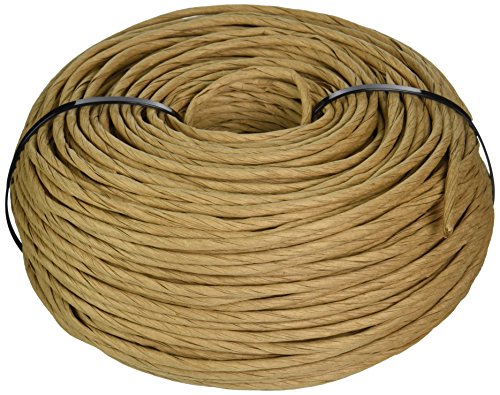
Commonwealth Basket Fibre Rush 5/32-Inch 2-Pound Coil

Basket Round Reed #4 2.5mm 1-Pound Coil

VFULIE 2.75mm Round Rattan Reed 1-Pound

VFULIE 3mm Round Rattan Reed 1-Pound

Coiling Cord, 1/4 Inch, 50 Feet

Weavemaster Flat Reed 1/4-Inch Smoked 1-Pound Coil

#1 Twisted Seagrass 3mm-3.5mm 14oz Coil

Round Reed for Basket & Wicker Weaving, #2
More Details On Our Top Picks
Half-inch flat reed is the classic teaching material, and this one-pound coil from a long-established supplier gives you roughly 185 feet of it. The wider strands hide uneven tension well, which matters a lot when your first few rows look more suggestion than structure.
In practice, flat reed like this works as the weaver strands that pass over and under the upright spokes of a basket. It also handles simple chair-seat patterns. Because each strand is wide, you cover ground fast, so small projects come together in an afternoon.
Positive Points
- The 1/2-inch width builds visible progress quickly, which keeps beginners motivated through early mistakes.
- About 185 feet per pound means one coil comfortably covers several small baskets or a modest seat repair.
- Flat profile lies flush against spokes, giving finished work a tidy, even surface.
Things To Consider
- Natural reed needs soaking before use, and leftover damp strands should be dried fully before storage to prevent mildew.
- One fixed width limits you compared with multi-size options further down this list.
Who It Suits Best
New weavers working on their first baskets or anyone tackling a straightforward chair-seat refresh.
Where Another Pick Suits Better
For finer detail work, the VFULIE 2.75mm round rattan reed offers slimmer strands that suit tighter weaves better.
Sun-faded patio chairs are where most people meet wicker repair, and this kit is built around that job. Instead of loose bundled strands that knot themselves the moment you look away, the material arrives wound on a reel, so you pull off exactly what the repair needs and store the rest without a fight.
The strand itself is upgraded polyethylene rather than natural cane, which changes the ownership picture considerably. You get about 120 feet of 0.3-inch-wide rattan-style strip per section, tough enough for outdoor furniture yet pliable enough to weave by hand without pre-soaking.
What Stands Out
- Reel packaging eliminates tangles and lets you cut precise lengths mid-project instead of wrestling a bundle.
- Polyethylene construction resists wrinkles and abrasion, a real advantage on furniture that lives outside.
- No soaking step required, unlike natural reed, which shortens setup time noticeably.
- Generous total length covers multiple chair repairs from one purchase.
Worth Noting
- Synthetic material has a slightly different feel and sheen than traditional cane, so patched areas may not blend seamlessly into older natural-wicker pieces.
- Color matching against sun-bleached existing weave can take some trial and error.
Key Specs
Made For
Homeowners patching outdoor wicker furniture who want low-maintenance synthetic material.
Consider Something Else When
Traditional basket makers after authentic natural cane will prefer the Weavemaster round reed at number ten.
Fibre rush is paper-based cordage that mimics traditional rush seating, and this two-pound coil carries roughly 210 feet of the 5/32-inch size. That extra weight over standard one-pound coils is the quiet selling point here, since chair seats are hungry for material and running short halfway through a pattern is genuinely annoying.
Beyond seating, rush pulls double duty as weavers, stakes, handles, and trim in basket work. One spool therefore serves several roles in a home workshop, which is why it earns a place next to dedicated reeds like the Commonwealth flat reed above rather than replacing them.
Strong Points
- The two-pound quantity supports larger chair-seat jobs without a mid-project reorder.
- Twisted paper construction takes dye and stain well, so you can tint it to match antique furniture.
- Consistent 5/32-inch gauge keeps woven rows even across a full seat.
Minor Gripes
- Paper fiber softens with moisture, so finished pieces belong indoors away from humidity.
- Some weavers report occasional joins within the twist that need trimming out.
Right Fit For
Furniture restorers and intermediate weavers wanting one versatile spool for seats, handles, and trim.
Look Elsewhere When
Outdoor projects call for something weatherproof, and the Biggun polyethylene kit handles exposure far better.
This coil sits at the slim end of round reed sizing, and that slimness is its whole personality. At 2.5mm, the bamboo cane suits tight twill patterns, small decorative baskets, and detailed Easter-style work where thicker strands would look clumsy.
The milling is even and smooth along the length, which reduces the friction and snagging that plague cheaper cane. Flexibility matters here too: round reed this narrow bends sharply around corners with less risk of cracking, though soaking is still wise for the tightest turns.
Bright Spots
- Smooth, uniformly milled surface glides through dense weaves without catching.
- Strong bend tolerance lowers breakage when forming tight curves and rims.
- Small diameter suits miniatures, ornaments, and fine twill work that wider reeds cannot manage.
- Natural bamboo tone stains nicely for custom finishes.
Softer Spots
- Thin strands offer little structural strength, so they work poorly as load-bearing spokes.
- Like all natural cane, it must be soaked and fully dried before storage.
- Only one size per coil, so multi-diameter projects need separate purchases.
Quick Facts
Best Suited To
Hobbyists making small decorative baskets and anyone practicing detailed twill techniques.
Swap It Out When
Structural frames and sturdy handles need thicker stock, where the VFULIE 3mm reed performs better.
Between the slim #4 bamboo coil and the beefier 3mm version below, this 2.75mm rattan strand occupies useful middle ground. It stays fine enough for detailed weaving yet carries slightly more body, making it a reasonable single-coil answer for mixed projects.
Rattan rather than bamboo forms the core here, and the difference shows in how the strand behaves after soaking. Owners commonly report it takes shape smoothly and holds curves without fighting back, thanks to even milling along the full length. For a kitchen-table weaver juggling baskets of assorted sizes, that versatility counts for a lot.
Points In Its Favor
- Mid-range diameter balances finesse with enough strength for light structural duty.
- Evenly milled rattan surface minimizes friction during long weaving sessions.
- Good bendability reduces snapped strands when shaping rounded basket bottoms.
Areas To Watch
- As with any natural reed, inconsistent moisture during soaking can cause uneven swelling, so plan soak times carefully.
- Single-size coil means pairing purchases for complex designs.
Who Will Love This
Intermediate weavers who want one dependable strand size covering both decorative and semi-structural work.
Another Choice May Suit
Total beginners may find the wider half-inch Commonwealth flat reed easier to control while learning tension.
Same maker, same quality milling, just a step thicker than the 2.75mm coil reviewed earlier. That extra half-millimeter shifts this reed toward rim wrapping, handle binding, and stake work, where added bulk reads as deliberate design rather than clumsiness.
Flexibility remains the headline claim, and it holds up in the scenarios that matter: bending a rim around a rectangular basket corner without splitting, or lashing a handle joint tightly. Compared with the slimmer sibling, expect fewer broken ends but slightly coarser visual texture in fine weaves.
The Good Stuff
- Thicker cross-section brings real strength to rims, handles, and stakes.
- Smooth, consistent milling keeps wrapped bindings neat and uniform.
- High bend tolerance cuts down cracked ends during sharp corner work.
- Natural rattan accepts stain for matched repairs on older pieces.
Trade Offs
- Too chunky for delicate twill or miniature work, where the 2.75mm version fits better.
- Requires thorough soaking and slow drying, a routine commitment every natural-reed owner signs up for.
Who Should Grab It
Weavers building structural elements, especially those finishing baskets with wrapped rims and bound handles.
Not Your Match When
Coil-style sculptural work calls for a core cord instead, which the Craft County option at number seven provides.
Coiling is a different discipline from spoke-and-weave basketry. Instead of interlacing stiff strands, you wrap soft material around a central core, spiraling outward. This quarter-inch cord exists purely to be that core, and 50 feet of it supports a respectable bowl or sculptural piece.
The fun starts once you add the outer layer. Yarn, jute, hemp, fabric strips, anything flexible wraps over the cord as you stitch each spiral to the last. That makes this less a finished-material purchase and more a foundation for whatever color story you have in mind, from wedding decor to patio accents.
Useful Highlights
- Quarter-inch diameter gives wraps enough surface to grip without bulky stitching gaps.
- Plays well with yarn, jute, hemp, and scrap fabric, opening huge creative range.
- Fifty feet suits medium bowls, trivets, and freeform sculptures in one go.
Honest Caveats
- You supply the wrapping material separately, so budget for yarn or cord on top.
- Hand coiling is slow going, and large pieces demand patience many newcomers underestimate.
Feature Snapshot
The Right Fit
Creative crafters drawn to colorful coiled bowls and fiber sculpture rather than traditional woven baskets.
Reach For A Different Pick When
Classic spoke weaving is your goal, and the Commonwealth flat reed at number one matches that tradition better.
Variety is this listing’s whole argument. Five widths from 1/4 inch up to 3/4 inch, two colorways, natural and smoked, all sold by the pound. The smoked finish shown here delivers a warm brown tone straight from the package, skipping the staining step entirely for rustic-looking work.
At the 1/4-inch size, a coil stretches to roughly 370 feet, the longest yield of any flat reed here including the Commonwealth coil at number one. Strands run three to ten feet apiece, so long seat-weaving passes need fewer joins. Chair caning projects eat material, and that yield translates directly into savings.
A Strong Showing
- Five width options let you match reed to nearly any restoration pattern.
- Smoked coloring removes a finishing step and hides dirt on frequently handled seats.
- Up to 370 feet per coil at the narrowest size stretches a single pound a very long way.
- Longer individual strands reduce splice points in seat work.
Details To Watch
- Smoked tone varies somewhat between batches, so buy the full amount for one project at once.
- Narrow 1/4-inch strands demand steadier tension than beginner-friendly wider widths.
At A Glance
Whose Shelf It Belongs On
Restoration enthusiasts re-caning chair seats who want authentic reed with period-appropriate darkened tones.
Where A Sibling Pick Shines
Round-profile repairs match better with the Weavemaster round reed coil closing out this list.
Seagrass occupies a niche of its own: a twisted grass rope that resembles rush but ages differently, shifting from green toward a mellow tan as months pass. That patina is precisely why some restorers seek it out for vintage-style chair seats and rustic baskets.
The 14-ounce coil holds roughly a pound of 3mm to 3.5mm rope. Plan quantities honestly, since a large chair seat consumes around three pounds, meaning one coil covers smaller seats or accent work. Compared with the paper fibre rush at number three, seagrass feels firmer and wears a more organic texture.
The Helpful Details
- Natural aging to tan gives finished pieces character no stain quite replicates.
- Twisted construction grips tightly when wrapped around chair rails.
- Works equally well for basketry accents and full seat weaving.
Small Caveats
- Large seats need about three pounds, so a single 14-ounce coil rarely suffices alone.
- Initial green hue surprises some weavers expecting a finished tan color immediately.
- Natural grass can carry slight scent until it airs out fully.
Built With In Mind
Rustic decor fans and chair-seat restorers chasing an aged, organic look in smaller projects.
Skip It When
You need predictable, uniform color right away, since the Commonwealth fibre rush delivers consistency from day one.
Repair work lives and dies by diameter matching, and this listing solves that problem with nine numbered sizes spanning 1.75mm (#2) up to 7.5mm (#10). Whatever wicker piece sits in your garage, there’s likely a gauge here that blends into the original weave.
The #2 size shown is the finest of the range, suited to delicate wicker and fine basketry. Yields scale inversely with thickness, so thinner sizes run dramatically longer per pound, with #2 stretching past a thousand feet according to published figures. Strand lengths vary from three to ten feet within each coil.
Everyday Advantages
- Nine diameter choices make near-invisible repairs possible on mismatched old wicker.
- Fine #2 gauge suits intricate weaving where thicker reeds would overwhelm the pattern.
- Very high footage per pound at small sizes stretches one coil across many fixes.
Points To Note
- Choosing the correct size sight unseen takes care, so measure your existing reed first.
- Standard soaking-and-drying upkeep applies, as with every natural reed in this guide.
Core Details
Perfect Match For
DIY repairers restoring heirloom wicker furniture who need exact diameter matches across many projects.
A Better Fit Elsewhere
Larger structural builds benefit from the heftier VFULIE 3mm reed, which handles stress better than this fine gauge.
What Matters Most Before Choosing Basket Weaving Materials
Match Material To Project Type
Flat reed builds classic woven baskets and chair seats quickly, while round reed handles frames, rims, and repairs. Fibre rush and seagrass lean toward seating restoration, and coiling cord serves sculptural work. Start by naming the finished object, then choose accordingly.
Size And Yield Per Pound
Diameter determines both appearance and strength. Narrow strands suit detail; wide ones build fast and forgive uneven tension. Check approximate footage per coil too, because a pound of 1/4-inch flat reed yields far more than a pound of thick #10 round reed.
Natural Versus Synthetic
Natural reed and rush deliver authentic texture but require soaking before use and careful drying afterward. Polyethylene options skip that ritual and shrug off patio weather, at the cost of a slightly modern sheen. Your storage space and climate should weigh into the decision.
Quantity Planning
Measure your project before ordering. Chair seats are material-hungry, often needing several pounds, while a small decorative basket may use only ounces. Buying the entire amount from one batch keeps color consistent throughout.
Key Considerations Across These Picks
Wrong Turns To Avoid
The most common mistake is guessing strand size instead of measuring the original reed on a repair piece, which leaves you with a coil that visibly clashes. Another frequent slip: buying one pound for a full chair seat when the job realistically demands three. Order generously from a single batch.
What The Higher Tier Buys
Pricier listings generally justify themselves through selection and consistency: more diameter choices, longer per-pound yields, and cleaner milling with fewer brittle spots. For one-off hobby baskets, basic coils serve fine. For ongoing restoration work, the upgrade pays for itself in fewer mismatches and less waste.
Frequently Asked Questions
Do I need to soak reed before weaving?
Yes, natural reed becomes pliable only after soaking in warm water. Synthetic polyethylene strands can typically be woven dry.
How much material does a chair seat require?
A large seat commonly consumes around three pounds of rush or seagrass. Smaller seats need proportionally less.
What’s the difference between flat and round reed?
Flat reed is ribbon-shaped and used mainly for weavers and seat surfaces. Round reed is cylindrical and better for spokes, rims, and structural elements.
Can I stain or dye these materials?
Yes, natural reed, cane, and paper fibre rush all accept water-based stains and dyes well. Test on a spare strand first.
How should leftover reed be stored?
Let damp strands dry completely, then keep coils in a cool, dry spot away from direct sunlight. Properly stored reed lasts years.
Closing Thoughts
Every project on your list probably maps to one of these ten coils. Beginners get the friendliest start with wide flat reed, restorers will gravitate toward the multi-size round reed and smoked flat options, and creative types have the coiling cord waiting. Measure first, order enough for the whole job, and enjoy the quiet satisfaction of weaving something by hand.
