
Learning to sew on a machine that fights you is the fastest way to quit. The right starter model does the opposite: it threads easily, keeps tension steady, and grows with your skills instead of capping them. This roundup sorts seven beginner-friendly computerized machines by who they actually serve, from casual menders to quilting hopefuls, so you can match the machine to the projects you already have in mind.
The Main Contenders

Brother XM3700 Sewing Machine with 37 Stitches
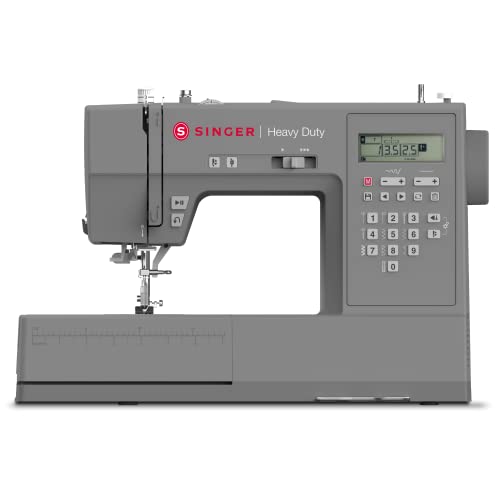
SINGER 6700C Heavy Duty Computerized Machine

Janome JW8100 Computerized Sewing Machine

Brother CP100X Computerized Sewing and Quilting Machine

Brother CS7205 Computerized Machine, White

Brother FB1757X Mechanical Sewing Machine

Janome Sewing Machine, White
A Deeper Look At The Lineup
Thirty-seven stitches sounds modest next to some rivals here, and that restraint is the point. A newcomer hemming pajama pants or piecing a first quilt top rarely needs four hundred options; they need a machine that starts predictably every session.
The XM3700 covers garment construction, decorative work, heirloom stitching, and quilting basics, which gives you room to grow without paying for features you won’t touch this year. An onboard storage compartment keeps the five included presser feet close at hand instead of scattered in a drawer.
The Helpful Details
- Five presser feet ship in the box: zigzag, zipper, blind stitch, buttonhole, and button sewing, so common tasks need no extra shopping trip.
- The stitch count stays manageable, meaning you’ll actually learn what each setting does rather than scrolling menus forever.
- Built-in accessory storage keeps bobbins and feet organized between sessions.
- Handles everything from mending to simple quilting, one machine covering several hobbies.
Worth Noting
- Lacks the heavy-duty motor and metal frame of pricier picks, so dense denim layers may test its patience over long sessions.
At A Glance
Who It Suits Best
Total beginners who want a capable, uncomplicated first machine for garments, repairs, and light quilting at home.
Where A Sibling Pick Shines
Shoppers wanting far more stitch variety and heavier fabric capacity should look at the SINGER 6700C instead.
Where the Brother XM3700 keeps things lean, the SINGER HD6700C goes the other direction entirely. Four hundred eleven stitch applications span basic utility, stretch, and decorative work, plus a lettering font for monogramming, which is the kind of range that carries you from first lessons into serious garment making.
Heavy-duty framing matters most when you push through canvas tote bags or multiple denim layers, scenarios where lighter machines commonly stall. In our view, this is the pick for a learner who already knows they’ll stick with sewing long term and wants headroom built in.
Where It Delivers
- 411 stitch applications mean you’re unlikely to outgrow the machine’s creative range for years.
- Stretch stitches handle knits properly, a real advantage for anyone sewing t-shirts or activewear.
- An included accessory kit rounds out the setup without separate purchases.
- Lettering font opens up monogrammed gifts and personalized home décor projects.
- Heavy-duty build suits thick fabrics that stall lighter machines.
Trade Offs
- The sheer menu depth can overwhelm someone still learning bobbin basics; expect a slower first week.
- More features generally mean more surface area to clean and maintain around the feed dogs and bobbin case.
Key Specs
Made For
Committed beginners and returning sewists planning garment construction, home décor, and monogramming on a durable frame.
Reach For A Different Pick When
Anyone wanting a gentler, cheaper entry point will be happier with the simpler Brother XM3700.
The JW8100 reads like a checklist of conveniences new sewists don’t know to ask for until they’ve struggled without them. A built-in needle threader saves eyesight and temper alike, while the auto-declutch bobbin winder stops the winder automatically so you can’t overfill a bobbin.
Seven millimeters of stitch width gives decorative lines extra presence, and the backlit LCD screen makes navigation straightforward even in a dim corner of a craft room. Owners commonly report the hard cover earns its keep by keeping dust off the machine between weekend projects.
Useful Strengths
- Automatic needle threader removes the fiddliest step in every sewing session.
- Hard cover and extension table arrive included, protecting the machine and enlarging your work surface for larger projects.
- Twenty-two accessories cover a wide spread of techniques without add-on costs.
- Auto-declutch bobbin winding prevents the overfilled-bobbin jams beginners often cause.
Small Caveats
- With 100 stitches and seven buttonhole styles, there’s more to explore than a true novice may absorb immediately.
Right Fit For
Sewists with a permanent craft corner who value convenience features and a protected, fully kitted setup.
Consider Something Else When
Quilters prioritizing a dedicated wide table and speed control will find the Brother CP100X a closer match.
Quilting changes the physical demands on a machine: bulky layered sandwiches need throat space, and long seams reward steady speed control. The CP100X answers both with a large wide table attachment and adjustable sewing speed, so you can slow down around intricate points instead of riding the pedal.
The threading path comes printed with easy-to-follow diagrams right on the body, and the one-step automatic needle threader handles the eye of the needle for you. Compared with the Janome JW8100, this Brother leans harder toward quilting ergonomics than general-purpose polish.
Advantages To Know
- The wide table supports bulky quilt layers that would otherwise drag off a standard bed.
- Adjustable speed control helps you sew precise curves and corners at your own pace.
- Quick-Set bobbin system drops in without hunting for thread tails, cutting setup time noticeably.
- On-threading-path diagrams make rethreading after a break nearly foolproof for newcomers.
Points To Note
- The wide table adds bulk, so storage in a small apartment closet takes a bit more planning.
Quick Facts
Who Will Love This
New quilters and sewists tackling large projects who want speed control and generous workspace from their first machine.
Not Your Match When
Menders focused purely on clothing repairs get better value from the budget-conscious Janome white model further down.
Personalization is this machine’s party trick. Alongside 142 utility, quilting, and decorative stitches, the CS7205 includes a lettering font with 55 alphanumeric characters, enough for basic monogramming on towels, bags, and kids’ gear without buying an embroidery unit.
Eight one-step auto-size buttonhole styles handle everything from dress shirts to outerwear, sizing themselves to the button so you don’t measure by hand. Eleven sewing feet and a wide table round out a package aimed at people whose project list refuses to sit still.
Strong Points
- The lettering font turns ordinary gifts into personalized ones, a genuine money-saver for craft fair sellers.
- Eight automatic buttonhole styles remove the guesswork that makes buttonholes intimidating for beginners.
- A flip chart displays every built-in stitch at a glance, so selection stays quick even mid-project.
- Eleven presser feet cover zippers, blind hems, and quilting techniques without extra purchases.
Honest Caveats
- The feature list runs deep enough that keeping the manual nearby for the first month is realistic, not a flaw.
Feature Snapshot
Best Suited To
Crafters selling handmade goods or gifting frequently, who want monogramming and variety in one machine.
A Better Fit Elsewhere
Anyone craving maximum stitch depth should compare the SINGER 6700C’s 411 applications before deciding.
Not everyone wants a screen on their sewing machine, and the FB1757X respects that. As a mechanical model it skips menus entirely: seventeen stitches are chosen with a dial, which means fewer things to misconfigure and less to troubleshoot when something goes wrong.
The free arm swings out for sewing cuffs and sleeves, an LED lamp brightens the needle area for evening sessions, and a reverse button locks seams at both ends. It’s a straightforward tool, and for many households that simplicity is exactly the appeal.
The Value In It
- Dial-based stitch selection means nothing to learn beyond the machine itself.
- LED lighting keeps the needle area visible during late-night mending sessions.
- The free arm makes tubular items like sleeves and pant hems genuinely easy.
- Reverse reinforcement secures seam ends, extending the life of repaired clothing.
Things To Consider
- The 4-step buttonhole requires manual engagement at each stage, slower than the automatic systems on the CP100X or CS7205.
- No computerized memory or lettering, so personalization projects aren’t on the table.
Core Details
Built With In Mind
Practical menders and dial-preference sewists who want dependable straight-line sewing without digital complexity.
Skip It When
Decorative stitchers and monogrammers will hit its ceiling fast and should step up to the Brother CS7205.
This compact Janome measures roughly sixteen inches wide, twelve tall, and seven deep, small enough to live on a shelf or tuck into a dorm closet between uses. Despite the footprint, it carries thirty built-in stitches spanning utility, stretch, and decorative options.
The honest read is that this machine trades expansion potential for portability and predictability. Alterations, curtain hems, and simple crafts fall comfortably inside its range; elaborate quilting or heavy upholstery would be a stretch. For a spare bedroom studio or a student’s desk, that trade makes sense.
Practical Advantages
- Thirty stitches give real variety for a machine this size, covering knits via stretch options.
- The compact dimensions suit shared living spaces where a dedicated sewing room isn’t possible.
- Everyday predictability builds confidence, moving you from alterations to creative projects without fighting the equipment.
Minor Gripes
- The smaller body offers less workspace for bulky projects, so large quilts will feel cramped compared with the CP100X’s wide table.
The Right Fit
Apartment dwellers, students, and occasional menders who need capable sewing in a genuinely small footprint.
Swap It Out When
Anyone planning regular quilting sessions should choose the Brother CP100X for its expansive work surface instead.
What Matters Most Before Choosing Beginner Computerized Sewing Machines
Match The Machine To Your Projects
Start with what you’ll actually sew in the first six months. Garment makers benefit from stretch stitches and buttonhole automation, while quilters need a wide table and adjustable speed control above all else. A mender fixing hems weekly needs none of that and shouldn’t pay for it.
Count The Included Accessories Carefully
Presser feet, extension tables, and covers add real cost if bought separately. The Janome JW8100 ships with 22 accessories and a hard cover, while the Brother CS7205 includes 11 feet. Comparing bundle contents against your project list often settles a close decision faster than any spec sheet.
Decide Between Computerized And Mechanical Controls
Computerized models store stitch settings and offer lettering fonts, but they add menus to learn. Mechanical machines like the Brother FB1757X trade those extras for dial simplicity and fewer failure points. Neither approach is wrong; it depends on how much technology you want between you and the fabric.
Think About Where The Machine Lives
Footprint and storage matter more than most first-time shoppers expect. A 16-inch-wide compact Janome fits a bookshelf; a quilting rig with a wide table demands a semi-permanent spot. Measure your space before falling for a feature list.
Key Considerations Across These Picks
Traps First Timers Fall Into
The classic mistake is buying maximum stitch count for a minimum-stitch lifestyle. Four hundred applications mean nothing when you only ever sew straight seams, yet you’ll pay and maintain for them regardless. Another common slip: ignoring accessory bundles entirely, then spending extra on feet and tables the first month.
Why Top Tier Costs More
Higher-tier machines spend money on motors, frames, and automation. Automatic needle threaders, drop-in bobbins, and speed control all reduce friction per session, and that compounds over hundreds of hours. Pay up when you sew weekly; stay basic when the machine comes out monthly.
Frequently Asked Questions
How many stitches does a beginner really need?
Between 20 and 40 covers almost every starter project, from hems to basic decoration. Extra stitches matter mainly for quilting, crafting, or monogramming ambitions.
Are computerized sewing machines harder to learn than mechanical ones?
Slightly, because menus replace dials, but features like automatic needle threaders offset that quickly. Most newcomers adapt within a few sessions.
Do these machines handle denim and canvas?
Lightweight computerized models manage single layers of denim, though repeated thick-seam work favors heavy-duty builds. The SINGER 6700C is the strongest option here for dense fabrics.
Is an automatic needle threader worth prioritizing?
For most beginners, yes, since threading is the most frustrating daily step. Models like the Janome JW8100 and Brother CP100X include it built in.
Can a beginner machine grow with my skills?
Machines with 100-plus stitches, lettering fonts, and wide tables typically support years of progression. Simpler models remain useful as reliable backup or travel units later.
Closing Thoughts
The right choice comes down to honesty about your habits. Casual menders thrive on the compact Janome or the dial-driven FB1757X, committed learners should weigh the JW8100 or CS7205, and quilting dreams point straight at the CP100X. Whatever you decide, pick the machine matching the projects already on your list, and the rest tends to take care of itself.
