
Starting out in machine embroidery usually means one of two problems: a machine so basic it frustrates you within a week, or one so complex you never get past the manual. The right beginner model threads that needle, literally. This list covers seven machines built for first-time stitchers, from compact hobby units to a ten-needle workhorse for anyone eyeing a small side business. Each pick below fits a different starting point, whether that’s monogramming towels at the kitchen table or personalizing hats for friends.
The Shortlist At A Glance

Poolin EOC06 Computerized Embroidery Machine (7″ Touchscreen)

Poolin EOC05 Embroidery Machine for Beginners

Smartstitch S-1001 10-Needle Embroidery Machine
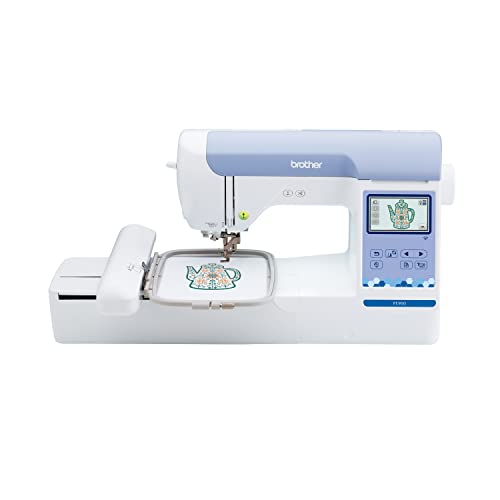
Brother PE900 Wireless Embroidery Machine
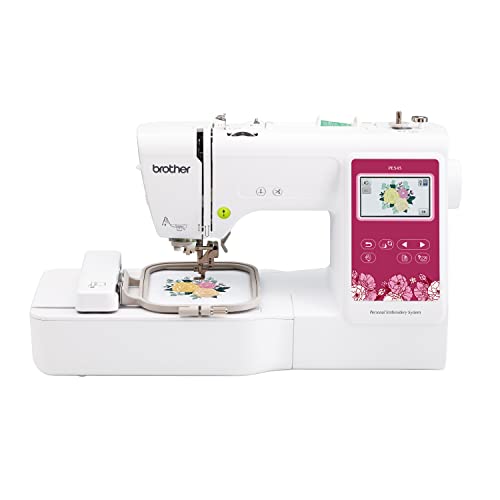
Brother PE545 Wireless Embroidery Machine 4×4 Hoop

Brother Skitch Single-Needle Embroidery Machine Bluetooth

Brother SE2000 Sewing and Embroidery Machine Computerized
A Deeper Look At The Lineup
The EOC06 gives you three hoop sizes to grow into: an 11 by 7.9 inch field for jacket backs, a 7.9 by 7.9 inch middle option, and a 5.5 by 5.5 inch frame for small logos. That flexibility matters more than it sounds, because most beginners outgrow a single fixed hoop within months.
Design transfer works two ways, over wireless or through USB, so you can pull files from a computer or a flash drive depending on your setup. The 7-inch touchscreen handles editing on the machine itself, which saves a lot of back-and-forth at the desk.
Useful Strengths
- Three included hoop sizes cover everything from patches to back-of-jacket lettering without extra purchases.
- 200 built-in designs mean you can start stitching the day the box opens, no design software required.
- Wireless transfer keeps your laptop free for other tasks during long runs.
- The large touchscreen makes resizing and repositioning feel intuitive rather than fiddly.
Things To Consider
- This is an embroidery-only unit, so garment construction still needs a separate sewing machine.
- Owners commonly report a learning curve around hooping fabric taut enough to avoid puckering on stretchy knits.
Key Specs
Who It Suits Best
Hobbyists who already know they’ll stick with embroidery and want hoop versatility from day one.
Where A Sibling Pick Shines
Total newcomers who want hand-holding should look at the Poolin EOC05 instead, since it bundles a starter kit and a simpler footprint.
Where the EOC06 chases flexibility, the EOC05 chases simplicity. Its 4 by 9.25 inch embroidery field is sized for shirts, hoodies, bags, and gifts, which covers what most first-timers actually make. Nothing here overwhelms; the whole point is a gentle on-ramp.
The package includes two hoops and a starter kit, so thread, stabilizer basics, and the first project materials arrive together. In practice that removes the most common stall point for new stitchers: realizing mid-setup that a supply is missing.
Practical Advantages
- The bundled starter kit gets your first project going without a second shopping trip.
- Two hoops let you switch between narrow placements like sleeves and wider chest areas.
- WiFi and USB both handle file transfers, matching however your workspace is arranged.
- The 7-inch touchscreen keeps navigation visual rather than button-memorization heavy.
Worth Noting
- The narrower 4-inch width limits large single-piece designs compared with the EOC06’s 11-inch field.
- Like its sibling, this is embroidery-only, so plan on a separate machine for general sewing tasks.
Feature Snapshot
Right Fit For
Complete beginners working from a spare room or kitchen table who want every essential in one box.
Look Elsewhere When
Crafters planning oversized designs will find more room in the Poolin EOC06’s 11 by 7.9 inch maximum field.
Most machines on this list stop at one needle, meaning you rethread by hand for every color change. The Smartstitch S-1001 carries ten needles and changes colors automatically, which transforms multi-color logos from an hour of babysitting into a mostly hands-off run. At up to 1,200 stitches per minute, it also finishes jobs several times faster than hobby units.
Despite commercial ambitions, the body stays compact and relatively light, and the 9.5 by 14.2 inch field handles flat goods, caps, and tees. Laser positioning helps you place designs accurately, a genuine time-saver when aligning left-chest logos.
Standout Benefits
- Ten needles with automatic color change eliminate constant rethreading during multi-color work.
- Auto thread trimming and thread break detection reduce wasted material and ruined pieces.
- The self-lubrication system cuts down routine maintenance chores.
- Newly added physical buttons give quick access to common functions alongside the touchscreen.
Trade Offs
- The feature depth assumes some willingness to learn commercial-style workflows, which can intimidate absolute first-timers.
- Its size and setup demand more dedicated space than the compact Brother options later in this list.
Quick Facts
Who Will Love This
Semi-pro stitchers turning out personalized hats and shirts for customers who need speed and unattended color changes.
Skip It When
Weekend hobbyists making occasional gifts will find the Poolin EOC05 far easier to live with day to day.
Brother’s PE900 sits comfortably between the compact PE545 and the pricier combo machines, offering a 5 by 7 inch embroidery field. That size handles quilt blocks, tote fronts, and most garment placements without feeling cramped, yet the machine itself stays apartment-friendly.
Wireless connectivity lets you send designs straight from compatible sources, and Brother’s interface has a reputation for being among the easiest to learn in the category. For households where several people might share the machine, that low friction counts for a lot.
Bright Spots
- The 5 by 7 inch field covers the majority of everyday projects in one hoop.
- WLAN transfer skips cables entirely once your network is set up.
- Built-in designs plus import capability give room to grow past starter patterns.
- Brother’s menu structure is widely reported as approachable even for complete novices.
Small Caveats
- Embroidery-only design means quilting and garment sewing require another machine.
- You may find the single-needle workflow slow on dense, multi-color designs compared with the Smartstitch S-1001.
The Right Fit
Home crafters who want a dependable middle ground of hoop size and simplicity without commercial complexity.
Reach For A Different Pick When
Shoppers needing sewing functions in the same chassis should step up to the Brother SE2000 instead.
The PE545 is the smallest commitment on this list, built around a 4 by 4 inch hoop. That’s plenty for monograms, kids’ clothing accents, patches, and small logos, which honestly describes a huge share of beginner projects. Compared with the PE900 above, you trade hoop size for a lighter machine and a simpler decision.
Inside, you get 135 built-in designs, ten frame patterns, and ten font styles for lettering and monogramming. Wireless transfer brings your own files in without cables, and the LCD display keeps navigation straightforward.
What It Does Well
- 135 built-in designs plus ten fonts cover monogramming and lettering immediately.
- The 4 by 4 inch hoop suits small placements like cuffs, collars, and pockets.
- Wireless design transfer modernizes the workflow without added complexity.
- A compact body stores easily in closets or on shelves between sessions.
Points To Keep In Mind
- Large designs need splitting software or a bigger-hoop machine, a real constraint for ambitious plans.
- Thread tension on lightweight fabrics may take a few practice runs to dial in, based on commonly reported owner experience.
At A Glance
Built With In Mind
First-time embroiderers in small homes testing the hobby before investing in a larger machine.
Swap It Out When
Quilters and garment makers wanting a 5 by 7 inch field should choose the Brother PE900 for the extra coverage.
The Skitch takes a different path than every other pick here: it leans on Brother’s Artspira mobile app as its creative engine. You design on your phone, pair over Bluetooth, and send the finished pattern straight to the machine. No USB sticks, no desktop software, no PC required at all.
That phone-first flow suits creators who already sketch, edit photos, and manage everything from a handset. The honest trade-off is dependency: the app is required to drive the machine, so people who prefer standalone controls or big physical screens may find the workflow less comfortable than the Poolin models’ onboard touchscreens.
Why It Works Well
- Bluetooth pairing sends designs from the Artspira app without any USB step.
- Creating and editing on a phone feels natural for app-comfortable users.
- Single-needle simplicity keeps threading and maintenance minimal.
Honest Caveats
- The Artspira app is required to operate the machine, which adds a dependency some owners dislike.
- No large onboard screen means less direct control at the machine itself than the EOC06 offers.
Whose Shelf It Belongs On
Younger crafters and social-media creators who design on their phones and want a cable-free studio.
Another Choice May Suit
Anyone preferring hands-on machine controls will be happier with the Brother PE545’s built-in LCD and design library.
Every other embroidery-only pick here needs a sewing machine as a partner. The SE2000 ends that split, combining 241 built-in sewing stitches with 193 embroidery designs in one computerized chassis. You can construct a tote bag and then monogram it without changing machines.
A large color LCD touchscreen previews designs and edits in full color before you start, and the Artspira app adds downloadable designs on top. For a household with one craft corner and two interests, this consolidation is hard to argue with.
Everyday Advantages
- 241 sewing stitches handle construction, mending, and decorative seaming alongside embroidery.
- 193 built-in embroidery designs provide immediate creative range.
- The color touchscreen shows edits before stitching, reducing mistakes on expensive fabric.
- Artspira access adds extra designs to expand the library over time.
Potential Drawbacks
- Switching between sewing and embroidery modes involves swapping parts, which adds setup time per session.
- Combined machines typically cost more than dedicated embroidery-only starters like the PE545.
Core Details
Perfect Match For
Sewists who want one machine covering garment construction and embroidery in a shared craft space.
Where Another Pick Suits Better
Pure embroidery focus with a lower entry cost points squarely at the Poolin EOC05 for beginners.
What Matters Most Before Choosing Beginner Embroidery Machines
Hoop Size Decides Your Projects
The embroidery area defines what you can stitch in one pass. A 4 by 4 inch hoop covers monograms and pocket logos, while an 11 by 7.9 inch field handles jacket backs and large tote panels. Measure the items you actually plan to decorate before committing, because upgrading hoops later often costs more than choosing correctly upfront.
Connectivity Shapes Your Workflow
USB, WiFi, and Bluetooth each move designs differently. USB suits offline workspaces, wireless fits shared home networks, and app-driven machines like the Skitch serve phone-first creators. Match the transfer method to how you already work rather than fighting a new habit.
Single Needle Versus Multi-Needle
Single-needle machines require manual rethreading at every color change, which is fine for occasional projects and tedious for production runs. Ten-needle models such as the Smartstitch S-1001 change colors automatically, a difference that compounds quickly on multi-color logos.
Dedicated Versus Combo Machines
Embroidery-only units maximize value for stitchers who already own a sewing machine. Combination models like the SE2000 consolidate both functions, saving space and money for households starting from zero.
Key Considerations Across These Picks
Traps First Timers Fall Into
The most common mistake is buying more machine than the hobby justifies, then letting it gather dust. A second trap is ignoring hoop size until the first oversized design fails to fit. Check the embroidery field against your real project list before ordering anything.
What Separates Premium From Basic
Higher-tier machines buy automation: automatic thread trimming, color changes, breakage detection, and self-lubrication. Those features matter most once you’re producing regularly. Casual users rarely recoup the premium, while anyone selling finished pieces usually finds the time savings pay for themselves.
Frequently Asked Questions
Do I need a separate sewing machine for embroidery?
Yes, unless you choose a combination model. All the embroidery-only picks here, including the Poolin EOC05 and Brother PE900, cannot perform general sewing tasks.
How difficult are these machines for a true beginner?
Modern interfaces have lowered the barrier considerably. Touchscreen menus, built-in designs, and bundled starter kits mean most newcomers complete a first project within their initial sessions.
Can I use my own custom designs?
Every machine here accepts imported files through USB, wireless transfer, or the Artspira app. Built-in libraries simply give you something to stitch while learning the software side.
Is a ten-needle machine overkill for home use?
For occasional gifting, yes. Once you’re running multi-color orders regularly, automatic color changes save substantial time and frustration.
How much space do these machines need?
Compact models like the PE545 fit on a standard desk or shelf. Commercial-oriented units such as the Smartstitch S-1001 benefit from a dedicated table with room for hooping and thread storage.
Closing Remarks
Choosing your first embroidery machine comes down to honest self-assessment. Casual crafters should start small with the PE545 or EOC05, growing hobbyists get the most mileage from the EOC06 or PE900, and anyone chasing production speed belongs with the Smartstitch. Whichever direction fits, the machines above all share one trait: they make those first wobbly stitches genuinely enjoyable. Pick the one matching your space and ambition, then start stitching.
