
Starting soprano sax is a humbling experience. The straight horn punishes sloppy air support, and the wrong accessories can make your first months feel like a fight instead of a hobby. This roundup gathers seven products that ease that climb: a songbook to keep practice fun, two very different entry instruments, three reed options across skill levels, and a pair of mouthpieces at opposite ends of the budget range. Each entry below explains who it fits, where it falls short, and what to compare it against before you commit.
The Choices Worth Comparing

First 50 Songs You Should Play on the Sax

Yamaha YVS-100 Venova Casual Wind Instrument with Case

Vandoren SR203 Soprano Sax Traditional Reeds Strength 3

Rico Organic Soprano Saxophone Reeds, Strength 1.5
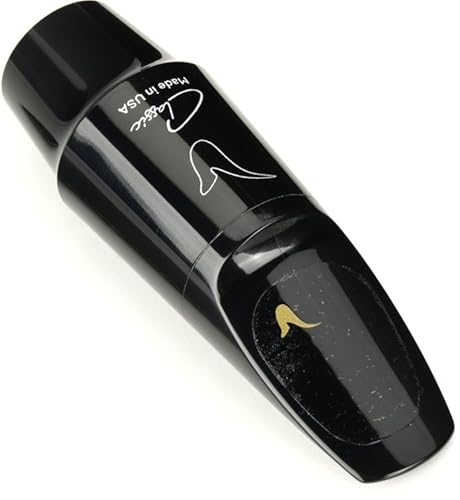
BetterSax Classic Alto Saxophone Mouthpiece Made in the USA

Jiayouy Soprano Sax Mouthpiece with Ligature and Cap

Yamaha Soprano Saxophone (YDS-120)
More Details On Our Top Picks
The fastest way to quit an instrument is practicing scales alone for six months. Hal Leonard’s songbook attacks that problem directly, handing new saxophonists fifty recognizable tunes arranged at a playable level. It sits in the arts and photography category, but its real job is motivation.
Because it’s a digital title, delivery happens instantly and you can read it on any device you already own. That matters more than it sounds: propping a tablet on a music stand beats shuffling paper pages mid-practice, and scheduling it as a gift with a personal message works well for a student’s birthday.
Useful Strengths
- Fifty-song variety keeps early practice sessions from feeling like drills
- Digital format means instant access on tablets, phones, or e-readers
- Gifting options with scheduled delivery and a personal note make it an easy present for a starting student
Things To Consider
- Screen-based reading during practice can be awkward in dim rooms or outdoors, so some players still print favorite pages
Who Will Love This
First-year soprano or alto students who need real songs, not exercises, to stay engaged through the awkward early weeks.
A Better Fit Elsewhere
Players wanting a physical first instrument rather than sheet music should look at the Yamaha YVS-100 Venova below.
The Venova is Yamaha’s answer to a strange gap in the market: something easier than a saxophone but richer than a recorder. It uses a standard soprano sax mouthpiece and reed, so your embouchure, the lip and jaw position that shapes tone, develops properly from day one. The fingerings, though, mimic a simple open-hole recorder rather than a full sax key system.
In practice, that split design suits weekend players, campers, and anyone curious about reed instruments without committing to a two-thousand-dollar horn. The white plastic body shrugs off humidity and bumps that would rattle a brass instrument, and the included case makes tossing it into a backpack realistic. Compared with the digital YDS-120 later in this list, it’s purely acoustic, which some will see as charm and others as limitation.
Benefits That Matter
- Standard soprano sax mouthpiece builds transferable embouchure skills
- Recorder-style fingering keeps the learning curve gentle for newcomers
- Lightweight, durable body travels well to parks, beaches, and vacations
- Included case protects the instrument between sessions
Small Caveats
- No full sax keywork means advanced techniques learned here won’t map one-to-one onto a real horn
- Reed care still applies: owners commonly report needing to dry the mouthpiece after each session to keep it hygienic
At A Glance
Right Fit For
Casual hobbyists, travelers, and curious adults who want sax-like tone without sax-level complexity or cost.
Where A Sibling Pick Shines
Students committed to joining a concert or jazz band should skip ahead to the Yamaha YDS-120, whose key layout matches an acoustic saxophone exactly.
Reeds are consumables, and choosing them well changes how your horn feels every single day. Vandoren’s Traditional line has been the reference cut for decades, and this box of ten at strength 3 targets players whose embouchure has firmed up past the beginner stage. The cane is cut to respond quickly across the full range, including soft attacks on high notes that cheaper reeds tend to squawk.
That flexibility shows up in real playing as cleaner large interval leaps, both smooth legato runs and sharp staccato jumps, while keeping body and clarity in the tone. Compare that with the Rico strength 1.5 pack below: the Rico forgives weak air support, while the Vandoren rewards it with a fuller sound. Strength 3 is genuinely too stiff for most first-month players, so treat this as a second-year purchase.
Key Advantages
- Responsive in every register, including quiet high-note entries
- Handles both legato and staccato phrasing without losing tonal richness
- Ten-reed box spreads cost across months of regular playing
- A long-established standard cut, so replacements behave predictably
Points To Note
- Strength 3 demands developed breath support; newer players may find notes hard to start
- Natural cane varies reed to reed, so rotating several at once is the usual maintenance habit
Quick Facts
Made For
Intermediate students and returning players on soprano sax who have outgrown soft starter reeds and want fuller tone.
Swap It Out When
Brand-new players struggling to make any sound should start with the Rico Organic strength 1.5 reeds instead.
Most beginner frustration traces back to a reed that’s too stiff. Rico’s strength 1.5 cut exists precisely to remove that obstacle: the thin profile vibrates easily, so even a player with untrained air support can produce a steady tone within the first week. Teachers have recommended this educational line for decades, which tells you how settled its reputation is.
The organic angle adds a practical benefit beyond marketing. Every stage of cultivation and manufacturing follows strict organic guidelines, and D’Addario’s digital manufacturing process keeps consistency unusually tight from reed to reed. In a three-pack, that consistency matters: you’re less likely to hit a dud mid-week than with traditionally sorted budget cane. Against the Vandoren strength 3 above, you trade tonal depth for playability, which is exactly the right trade in month one.
Strong Points
- Easy response helps total beginners get a sound immediately
- Digital manufacturing delivers tight reed-to-reed consistency
- Organically grown and processed cane appeals to ingredient-conscious families
- Long-standing teacher endorsement for student use
Honest Caveats
- Thin cut limits dynamic range; expect to upgrade within a year of steady progress
- Three-pack runs out faster than a ten-box, so frequent players reorder often
Feature Snapshot
Who It Suits Best
Complete beginners, young students, and anyone rebuilding after a long break who needs the easiest possible start.
Reach For A Different Pick When
Players past their first year with solid breath control will get more from the Vandoren SR203 Traditional reeds.
A bad mouthpiece can stall a student’s progress more than any other single part. BetterSax built the Classic specifically to prevent that: the facing, the curved surface where the reed sits, is hand-finished in the USA so each piece plays predictably rather than lottery-style. The design encourages proper embouchure formation instead of letting students compensate with bad habits.
Note the honest catch: this is an alto mouthpiece, not soprano. It earns its place here because band programs overwhelmingly start students on alto, and concert, jazz, and marching band players are exactly who it targets. Reed-friendly tuning means common student reeds seat without fuss. Compared with the Jiayouy kit below, you’re paying for precision finishing and a designer’s reputation rather than a bundle of extras.
Everyday Wins
- Hand-finished facing gives consistent response piece to piece
- Design guides beginners toward correct embouchure from the start
- Works comfortably with standard student reeds
- Suits concert, jazz, and marching band contexts alike
Worth Noting
- Alto sizing won’t fit a soprano sax, so confirm your horn type before ordering
- Ligature and cap may need separate purchase depending on what’s included with your horn
Best Suited To
Middle and high school students in school band programs who need a dependable upgrade over generic stock mouthpieces.
Another Choice May Suit
Soprano players wanting a complete cheap setup with ligature and reed included should pick the Jiayouy mouthpiece kit instead.
Everyone needs a spare. Mouthpieces get dropped, ligature screws vanish into carpet, and a dead backup can end a rehearsal. Jiayouy’s kit covers the whole assembly in one purchase: a plastic soprano mouthpiece around three inches long, a golden-plated metal ligature to clamp the reed, a plastic cap to keep the tip clean, and even one starter reed.
The finish is smooth and the processing quality is respectable for the price bracket, with owners generally reporting a serviceable, pleasant tone. Set expectations accordingly: this is a functional spare or a first setup for a cautious shopper, not a tone-shaping upgrade like the hand-finished BetterSax Classic. At roughly 7.5 by 3 centimeters assembled, it fits standard soprano necks without modification.
Real Benefits
- Complete kit includes mouthpiece, ligature, cap, and a reed
- Plastic body is light and resistant to denting damage
- Cap keeps the tip protected between playing sessions
- Smooth finish seats reeds evenly
Less Ideal Details
- Tone and intonation fall short of premium hand-finished pieces, particularly in the upper register
- Plastic surfaces can wear at the table over years of heavy use, a commonly reported issue at this price point
Core Details
Who Should Grab It
Budget-conscious students and gigging players who want a reliable backup soprano setup stashed in the case.
Not Your Match When
Players chasing noticeably better tone should invest in the BetterSax Classic’s hand-finished facing instead.
Practicing a saxophone in an apartment is a neighbor-relations problem as much as a musical one. Yamaha’s YDS-120 solves it with a headphone output, letting you play at midnight through earbuds while the person next door hears nothing. Under the hood sit 73 voices, 56 of them saxophone sounds, plus onboard effects and a 15-step volume adjustment.
Critically, the key layout matches an acoustic saxophone, so technique transfers directly when you move to brass. Power comes from four AAA batteries or USB, and USB micro-B MIDI plus an AUX input round out the ports for computer recording or backing tracks. The black body and keys look properly instrumental, and the specially designed mouthpiece needs no reed, which quietly removes an ongoing supply cost. Against the acoustic Venova earlier in this list, you pay more but gain silence, versatility, and zero reed maintenance.
Points In Its Favor
- Headphone output enables silent late-night practice
- 73 voices with effects cover saxophone tones and beyond
- Acoustic-matching key layout keeps skills transferable
- Runs on AAA batteries or USB for flexible power
- Reedless mouthpiece eliminates recurring reed purchases
Trade Offs To Consider
- Digital feel differs from brass resonance, which some traditionalists dislike
- Electronic components mean eventual battery and port care that acoustic horns never demand
Technical Highlights
The Right Fit
Apartment dwellers, night owls, and tech-comfortable learners who value silent practice over acoustic tradition.
Look Elsewhere When
Players wanting an affordable acoustic travel instrument will prefer the simpler Yamaha YVS-100 Venova.
What Matters Most Before Choosing Beginner Soprano Saxophones
Match The Tool To Your Stage
Total beginners need low resistance above all else. Soft reeds around strength 1.5 and forgiving mouthpieces let you build embouchure without strain, while strength 3 cane and precision facings belong to players with a year or more of consistent practice behind them.
Decide Acoustic Versus Digital Early
The Venova and YDS-120 represent opposite philosophies. Acoustic instruments teach breath-driven tone honestly but demand volume tolerance from everyone nearby. Digital horns trade some traditional feel for headphone practice, effects, and no reed costs. Your living situation usually answers this question for you.
Budget For Consumables, Not Just Gear
Reeds wear out, and mouthpieces get lost. Factoring a rotation of three to ten reeds plus a spare mouthpiece into your first-year spend prevents the frustrating week where a cracked reed ends practice entirely.
Think About Where You’ll Actually Play
Commuters and travelers favor compact, durable bodies with cases. School band students need gear matching their section’s conventions. Apartment players lean digital. Honest self-assessment here saves returns later.
Key Considerations Across These Picks
Traps First Timers Fall Into
The most common mistake is buying stiff reeds because an advanced player recommended them. Another is assuming every mouthpiece fits every horn; alto pieces don’t mount on sopranos. Check sizing labels twice before checkout.
When Paying More Pays Off
Higher-tier spending buys hand-finishing, tighter consistency, and features like silent practice. Those upgrades matter most after month six, once basic technique exists to appreciate them. Before then, simple and forgiving wins.
Frequently Asked Questions
Is the soprano sax harder to learn than the alto?
Yes, somewhat. Its smaller bore and straight body demand steadier air support and more precise intonation, which is why many teachers start students on alto first.
Do I need different reeds for soprano sax?
You do. Soprano reeds are cut smaller than alto or tenor reeds, so always confirm the packaging says soprano specifically.
Can the Yamaha Venova replace a real saxophone?
For casual playing, largely yes. For band programs or serious study, its simplified keywork eventually becomes a ceiling worth moving past.
How long does a reed last?
With rotation and careful drying, a reed typically serves one to four weeks of daily practice. Playing habits and humidity affect that span considerably.
Is a digital saxophone good for complete beginners?
It can be. The YDS-120’s acoustic-matching keys build transferable technique, and silent practice removes the embarrassment factor that stops many first-timers.
Closing Thoughts
Building a soprano setup is less about one perfect purchase and more about matching each piece to your current stage. Start forgiving, upgrade deliberately, and keep a spare in the case. Whichever combination you land on from this list, the important part is simply playing regularly. Progress follows the calendar, not the price tag.
