
Learning the tin whistle costs less than a night out and rewards you faster than almost any instrument. Six holes, one breath, and you’re playing real Irish jigs within your first week. The catch is that cheap whistles can sound shrill or feel flimsy enough to discourage a new player entirely. This roundup sorts through seven options, from classic brass penny whistles to a novelty slide whistle, so your first instrument actually makes you want to keep practicing.
An Overview Of The Picks

Sondery Brass Irish Tin Whistle Key of D
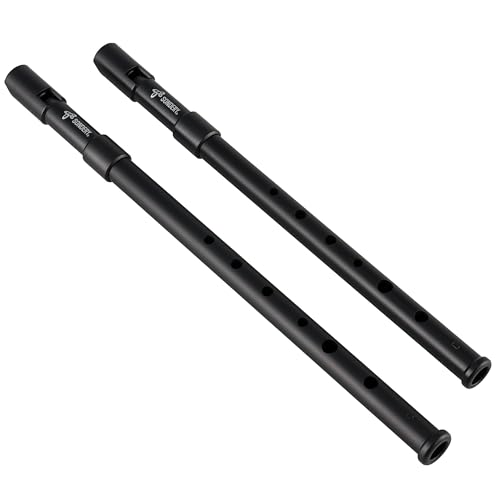
Sondery Irish Tin Whistle Set C and D Keys

JKQAGD 2 Sports Whistles with Lanyard

Clarke Sweetone Tinwhistle in D (Black)

Waltons Pink Whistle Tube Key of D

Waltons Blue Whistle Tube Key of D

Schylling Large Slide Whistle
The Strengths Of Each Pick
A brass body gives this Sondery a brighter, more cutting voice than plastic rivals, which matters when you’re playing along with guitars or fiddles. The key of D is the standard for Irish sessions, so nearly every tutorial book and YouTube lesson assumes it.
The polished finish looks sharper than its price suggests, and brass tends to warm slightly with handling over months of use. For most new players, that combination of tone and durability is exactly what keeps practice going past week three.
Real Benefits
- Brass construction delivers a bright, projecting sound that cuts through group playing.
- Key of D matches the vast majority of traditional Irish sheet music and tutorials.
- Polished finish resists tarnish better than bare metal and wipes clean with a soft cloth.
- Lightweight enough to play comfortably during long practice sessions without hand fatigue.
Things To Consider
- Brass conducts cold, so the whistle feels chilly to the lips at the start of winter practice.
- You may find the bright voice a bit piercing in small rooms; softer blowing tames it.
Who Will Love This
Total newcomers who want an affordable metal whistle tuned to the standard session key.
Where A Sibling Pick Shines
Players who want two keys at once should look at the Sondery C-and-D set instead.
Where the single Sondery above covers only D, this pair adds a C whistle, opening up tunes written in the key of C without awkward cross-fingering. Both bodies are ABS plastic, a tough polymer that survives drops, pocket rides, and humid kitchens far better than thin metal.
The manufacturer describes the tone as wood-like, and owners commonly report a warmer character than typical budget plastic whistles. Having both keys means you can follow along with more songbooks from day one, which is a genuine motivator early on.
Reasons It Performs
- Two keys (C and D) cover a wider range of folk repertoire than any single whistle here.
- ABS plastic shrugs off moisture and rough handling, ideal for backpacks and travel.
- Wood-toned voicing gives a mellower sound than many entry-level plastic models.
Small Caveats
- Plastic won’t develop the tonal warmth that brass gains with age and use.
- Carrying two whistles means keeping track of two mouthpieces, a minor hassle for some.
Right Fit For
Learners following varied songbooks who want both common keys covered in one purchase.
Swap It Out When
Pure traditional Irish players should stick with the Clarke Sweetone’s conical bore instead.
Honest note up front: these aren’t musical instruments. They’re pealess-style signal whistles built for coaches, referees, hikers, and emergency kits, sold as a two-pack with soft lanyards included.
The plastic bodies produce a loud, sharp blast designed to carry across a field or trail, not to hold a melody. Anyone organizing youth sports, walking remote paths, or stocking a family emergency bag gets real utility here, especially with a spare always on hand.
Where It Excels
- Two whistles per pack means one lives in your gear bag while the other stays home.
- Included lanyards keep the whistle around your neck during games or hikes.
- Sharp, carrying blast suits noisy outdoor environments like courts and trails.
Points To Note
- No musical range whatsoever; it signals, it doesn’t play tunes.
- The volume is intense indoors, so young children may find it startling.
Who Should Grab It
Coaches, referees, and outdoor enthusiasts needing reliable signaling rather than music.
Another Choice May Suit
Anyone after actual melody should pick the Waltons Blue Whistle Tube instead.
Clarke has made tin whistles in England since the Victorian era, and the Sweetone, introduced in 1996, was their first conical-bore design paired with a molded plastic mouthpiece. Conical bore means the tube gradually narrows toward the end, which smooths the transition between notes compared with straight-tube designs.
That tapered shape is why teachers so often recommend this model: notes speak cleanly even when your breath control is still shaky. The black finish looks understated next to the colorful Waltons tubes, and the ABS-blend mouthpiece stays comfortable during hour-long practice stints.
What Helps Most
- Conical bore design produces smoother note transitions than straight-bore budget whistles.
- Molded ABS PC mouthpiece feels comfortable against the lips during long sessions.
- Backed by a maker with over 150 years of whistle-building history.
- Handmade in the U.K. using quality raw materials, according to the manufacturer.
Worth Noting
- Only available here in D, so C-key repertoire needs a second instrument.
- Some players report the tone leans sweet rather than loud in large session groups.
Key Specs
Made For
Beginners who want a teacher-approved instrument they won’t outgrow in a month.
Not Your Match When
Gifting to a child who’d love the playful Waltons Pink Whistle Tube more.
This all-pink whistle solves a problem most brands ignore: getting kids excited before the first note. The solid brass body wears a pink coating with a matching mouthpiece, and it ships inside a decorative tube that doubles as storage.
Waltons includes a six-language instruction booklet covering first steps, which is genuinely useful for a child learning without a teacher nearby. Tone-wise, expect the sweet, light voice typical of coated brass whistles rather than the punchier sound of the bare-metal Sondery.
The Helpful Details
- Instruction booklet in six languages walks true beginners through starting out.
- Coated brass body combines durability with a fun, gift-ready appearance.
- Tube packaging doubles as protective storage between practice sessions.
Less Ideal Details
- Coated finishes can chip over years of heavy pocket carry, based on owner reports.
- The playful styling may not appeal to adult players wanting a traditional look.
Whose Shelf It Belongs On
Young learners and gift-givers who want an inviting first instrument with guidance included.
Reach For A Different Pick When
Adults prioritizing refined tone will prefer the Clarke Sweetone’s conical bore design.
The blue sibling of the pink Waltons shares the same solid brass body and matching mouthpiece, just dressed in a color that reads slightly more grown-up. Tuned to D, it handles the full spread of traditional Celtic repertoire.
Owners frequently describe the voice as sweet and mellow, the classic penny-whistle character heard on countless Irish recordings. Like its pink twin, it arrives in a tube that protects the whistle between practices, though the instruction booklet is bundled with the pink version specifically.
Benefits That Matter
- Key of D covers the standard tuning for traditional Celtic and folk tunes.
- Solid brass body delivers the mellow, sweet melody tin whistles are known for.
- Tube packaging keeps the instrument protected in a drawer or backpack.
Trade Offs
- Coated finish requires gentle handling to stay looking fresh long term.
- Unlike the pink version, no beginner booklet is highlighted for this colorway.
Who It Suits Best
Teens and adults starting Irish music who want classic tone with a touch of personality.
Consider Something Else When
Players needing both C and D keys should choose the Sondery two-whistle set instead.
Every list needs a wildcard, and this 11.5-inch slide whistle is it. Instead of finger holes, a metal plunger slides in and out, gliding the pitch smoothly from low to high, the sound effect behind countless cartoon gags.
Schylling builds it with quality construction so the slide moves evenly without catching, and the manufacturer highlights its use for imitating birds, making funny sounds, or adding quirky tracks to videos. It teaches pitch and breath control in a way that feels like pure play, which makes it a sneaky-good first instrument for very young children.
Advantages To Know
- Metal slide produces smooth, even pitch glides from low to high notes.
- Large 11.5-inch body is easy for small hands to grip and operate.
- Doubles as a party prop, bird-call toy, or video sound-effect tool.
Factors To Consider
- No fixed notes, so it can’t play melodies from songbooks or tutorials.
- The sliding mechanism needs occasional care to stay moving freely.
The Right Fit
Families with young kids who want musical play rather than formal lessons.
Look Elsewhere When
Anyone learning actual Irish tunes should start with the Clarke Sweetone instead.
What Matters Most Before Choosing Beginner Tin Whistles
Key And Tuning
The key of D dominates Irish and folk music, so it’s the safest first choice and what most tutorials assume. A C whistle unlocks different repertoire but works best as a second purchase once fingering feels natural.
Body Material
Brass offers brightness and a traditional feel, while ABS plastic wins on durability and resistance to moisture from breath. Coated brass splits the difference, adding color at the cost of a finish that needs gentler treatment over the years.
Bore Shape And Tone
A conical bore, where the tube narrows toward the foot, produces smoother note-to-note transitions that forgive shaky beginner breath control. Straight bores tend to sound louder and rawer, which some players prefer in group settings.
Included Learning Support
Booklets, tubes, and starter guides matter enormously for self-taught players, especially children. An instrument that arrives with first steps spelled out removes the biggest early hurdle: knowing what to do after unboxing.
Key Considerations Across These Picks
Traps First Timers Fall Into
The most common mistake is buying the cheapest whistle available, then quitting because it sounds shrill or leaks air. Another frequent slip is ignoring the key: a C-only whistle leaves you unable to follow most Irish tutorial material. Check what’s actually included before ordering, since some bundles ship with learning aids and others don’t.
Where The Extra Money Goes
Pricier whistles typically spend it on bore precision, better mouthpiece molding, and materials that age well. That translates into cleaner high notes and fewer squeaky surprises during practice. For a committed learner, spending a little more upfront usually beats replacing a frustrating starter twice.
Frequently Asked Questions
Is the key of D really necessary for a first whistle?
Yes, for most learners. The overwhelming majority of Irish and folk tutorials, songbooks, and session tunes assume a D whistle.
How long does it take to learn basic tunes?
Simple melodies often come together within a few days of short daily practice. Fluency with ornamentation takes months, but early progress is fast compared with most instruments.
Do plastic whistles sound worse than brass ones?
Not necessarily worse, just different. Plastic tends toward a softer, more forgiving tone, while brass projects brighter and cuts through ensembles.
How do I clean a tin whistle?
Wipe the exterior with a soft dry cloth after playing, and let moisture evaporate before storing it. Avoid running water through the mouthpiece, which can affect the fipple block.
Can children learn on a full-size whistle?
Most can, though small hands may find six-hole spacing stretchy at first. Slide whistles offer a playful alternative for very young players building breath control.
Closing Thoughts
Your first whistle should invite practice, not fight you. The Clarke Sweetone remains the safest all-around start thanks to its forgiving conical bore, while the Sondery set rewards players planning ahead with two keys. Colorful Waltons tubes make excellent gifts, and the Schylling slide whistle turns music into play for the youngest hands. Pick the one matching your goals, give it ten minutes a day, and those first jigs arrive sooner than you’d expect.
