
Starting violin is equal parts excitement and confusion. The instrument you choose shapes how practice feels in week one and month six, so a poorly set-up fiddle can quietly kill motivation before real progress begins. This roundup covers seven outfits that arrive with the essentials included, from bows and rosin to tuners and cases, so you can open the box and start playing instead of shopping twice. Each entry below breaks down who it suits, where it falls short, and which alternative might serve you better.
A Quick View Of The Lineup
Bunnel Pupil Violin Outfit 4/4 Full Size

Vangoa 4/4 Full Size Black Acoustic Violin
Pyle 3/4 Size Beginner Violin Starter Kit
Pyle 3/4 Acoustic Violin Set with Hard Case

Bunnel Premier Violin Clearance Outfit 4/4

PHOENIX Violin 4/4 Full Size Kit with Rosewood Bow

PHOENIX Violin 4/4 Solid Wood Set
The Details Behind The Selections
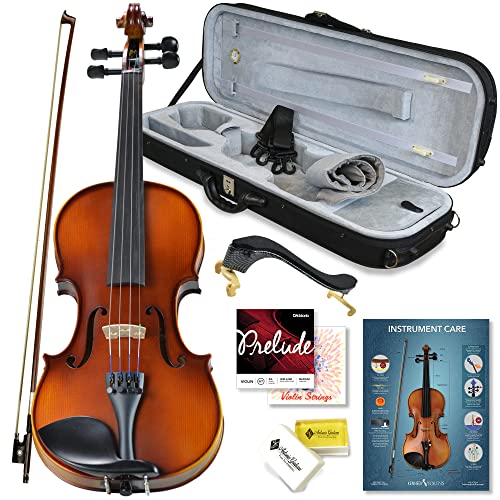
The Bunnel Pupil comes from Kennedy Violins, a shop that specializes in stringed instruments rather than general electronics, and that focus shows in the outfit’s composition. Solid maple body with ebony fittings puts it a step above laminate starter kits, and ebony matters here because it resists wear from fingers far better than dyed hardwood.
In daily use, that translates to a fingerboard that stays smooth through months of scales and a tailpiece area that holds up to frequent tuning. The bundled Giuliani Brazilwood bow and rosin mean your first session needs nothing extra beyond a shoulder rest preference.
What Helps Most
- Solid maple construction gives better resonance than plywood student bodies, so tone develops alongside your technique.
- Ebony fittings resist grooving under fingertip pressure, keeping intonation consistent as calluses form.
- The complete outfit includes a quality Brazilwood bow and rosin, so nothing blocks a first practice session.
- A dedicated carrying case protects the instrument between lessons and school runs.
- Kennedy Violins’ support team answers stringed-instrument questions, useful when tuning feels mysterious.
Things To Consider
- New strings stretch for the first week or two, so expect frequent retuning until they settle.
- The included bow will eventually deserve an upgrade once your bowing technique matures.
Key Specs
Who It Suits Best
Committed beginners planning weekly lessons who want an instrument that won’t need replacing within the year.
Where A Sibling Pick Shines
Casual experimenters on a tighter budget may prefer the Pyle 3/4 Size Beginner Violin Starter Kit, which costs less while covering the same basics.
Most starter violins look identical, all amber varnish and dark fittings, so the Vangoa’s black finish stands out immediately on a music stand or stage. Underneath the paint sits a spruce top, the tonewood standard for violin soundboards, tuned toward a clear, bright voice.
Adult learners who want an instrument that reads modern rather than traditional tend to gravitate here. The finely cut tuning pegs turn smoothly, which matters more than most newcomers realize; sticky pegs are a common frustration during early practice when you adjust pitch constantly.
What Makes Sense
- The black finish hides fingerprints and scuffs better than glossy varnish, handy for shared households.
- Spruce top delivers a balanced, projecting tone suited to both quiet practice and small performances.
- Precisely fitted pegs make tuning less of a wrestling match during those first months.
- Kit format means case, bow, and rosin arrive together, ready for a first lesson.
Small Caveats
- Dark finishes show dust and rosin buildup more visibly, so keep a cleaning cloth nearby after sessions.
- Tone character leans bright, which some players find thin compared with warmer solid-maple bodies like the Bunnel Pupil.
Made For
Teen and adult starters who value appearance as much as sound and want a full-size instrument that doesn’t look borrowed from a school closet.
Swap It Out When
Players prioritizing traditional tonewood depth over looks should reach for the PHOENIX Violin 4/4 Solid Wood Set instead.
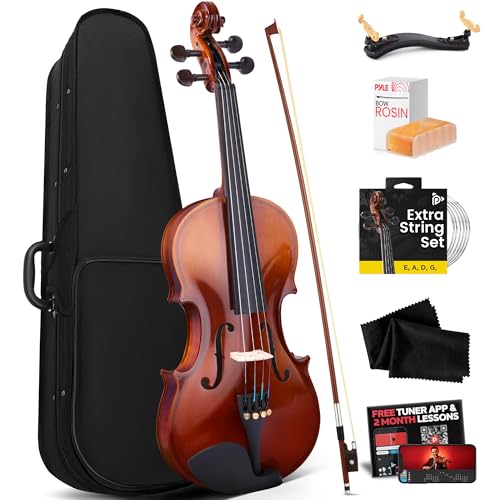
Three-quarter size violins suit players whose arm span hasn’t reached full-size territory yet, typically younger students around nine to twelve years old. This Pyle kit acknowledges that reality by packing everything a growing player needs: travel case, bow, spare strings, digital tuner, shoulder rest, and cleaning cloth.
The body uses plywood with flame veneer over top, back, and sides, finished mostly glossy. That construction keeps weight low, which young shoulders appreciate during thirty-minute practice blocks. A carbon fiber tailpiece adds durability where cheap plastic often cracks.
Advantages To Know
- The digital tuner removes guesswork from pitch, letting kids self-check before parents intervene.
- Lightweight plywood body reduces neck and shoulder strain for smaller frames.
- Carbon fiber tailpiece survives drops and humidity swings better than basic plastic parts.
- Spare strings in the box save an emergency trip when one snaps mid-week.
Points To Note
- Veneer-over-plywood construction won’t project or mature tonally like the solid maple Bunnel Pupil.
- Dyed hardwood fingerboard can show wear faster than genuine ebony under heavy practice schedules.
- Owners commonly report budget bridges need careful fitting or adjustment by a teacher or shop.
Feature Snapshot
Right Fit For
Families buying a first serious instrument for a child still growing into full size, especially where budget flexibility matters.
Another Choice May Suit
Students already at full arm length get more longevity from the Bunnel Pupil Violin Outfit 4/4 Full Size.
This second Pyle entry targets the same three-quarter-size crowd but shifts the emphasis toward guided learning. Alongside the hard case, bow, rosin, and spare strings, the package includes a mobile app tuner and two months of lesson content aimed at kids and adults teaching themselves.
Structurally it mirrors its sibling above: plywood body with flame veneer, ebonized pegs, carbon fiber tailpiece, and a foamed triangle case. The difference is direction. Where the earlier kit assumes a teacher is involved, this one builds the teacher into the box, which changes who should consider it.
What Pays Off
- Two months of structured lessons give self-starters a roadmap instead of scattered video searches.
- The app-based tuner lives on a phone you already carry to practice rooms and lessons.
- Hard shell case handles bus rides and school lockers better than soft bags.
- Professionally set up out of the box, per the manufacturer, reducing first-day frustration.
Worth Bearing In Mind
- Lesson access terms can change, so confirm current availability before counting on them long term.
- Same veneered plywood body as the cheaper Pyle kit, so tonal ceiling stays modest.
- Self-teaching violin is genuinely hard; the app helps but doesn’t replace periodic in-person feedback.
Who Will Love This
Independent learners without a local instructor who want structure bundled directly with their first instrument.
Reach For A Different Pick When
Students with a private teacher already lined up get better raw value from the Pyle 3/4 Size Beginner Violin Starter Kit.
Clearance instruments raise eyebrows until you read why this one carries the label: a slight cosmetic defect that, per Kennedy Violins, has no effect on playability or sound. The honest read is that a scratch on varnish means nothing to your ears but plenty to your wallet.
You get the same solid maple body and ebony fittings philosophy as the Bunnel Pupil reviewed earlier, wrapped in the Premier tier with a carrying case and bonus accessories. For shoppers who care about tone over showroom looks, this is arguably the smartest buy on the list.
Points In Its Favor
- Solid maple and ebony construction matches instruments costing considerably more elsewhere.
- The cosmetic-only defect leaves sound and playability untouched, per the seller’s own framing.
- Full outfit arrives with case and accessories, matching the completeness of the Pupil model.
- Kennedy Violins’ instrument-focused support remains available for setup questions.
Details To Watch
- The specific cosmetic flaw varies unit to unit, so expectations about appearance should stay flexible.
- Clearance stock isn’t always restocked consistently, which complicates replacement or matching later.
Quick Facts
Whose Shelf It Belongs On
Pragmatic adults and teens who’d rather invest savings in lessons than in unblemished varnish.
Not Your Match When
Gift-givers who need flawless presentation should choose the standard Bunnel Pupil Violin Outfit 4/4 Full Size instead.
Where the Vangoa wins on looks, this PHOENIX kit wins on thoughtfulness. The bridge comes pre-installed, strings pre-adjusted, and the bow pre-rosined, meaning day one starts with playing rather than assembly. Anyone who has wrestled with fitting a bridge for the first time knows exactly how much friction that removes.
The spec sheet reads like someone asked actual beginners what they struggle with. Fingerboard stickers guide left-hand placement, a mute tames volume for apartment practice, and two rosins plus spare strings and bridge cover the common early failures.
Where It Delivers
- Pre-fitted bridge and adjusted strings mean playable within minutes of unboxing.
- Fingerboard stickers give visual pitch references while muscle memory develops.
- Included mute keeps neighbors tolerant during evening practice in shared buildings.
- Spruce top with maple back and sides follows the classic tonewood formula for balanced sound.
- Ebony fingerboard, pegs, and chin rest hold up to steady daily use.
Practical Considerations
- Stickers leave mild adhesive residue on the fingerboard over time; clean gently when removing them.
- Beginner-oriented setup favors ease over refined tone, so advanced ears may notice the ceiling sooner.
Product At A Glance
Who Should Grab It
Adult beginners practicing in apartments who want every obstacle between box and first note removed.
Consider Something Else When
Players with a teacher handling setup may find the simpler Vangoa 4/4 Full Size Black Acoustic Violin covers the need at less fuss.
This is the list’s step-up option, built from alpine spruce and maple selected in the tradition associated with classic Italian workshops. The maker specifies knot-free, repair-free wood with straight, even grain, attributes that matter because grain consistency influences how vibrations travel through the body.
Two bows ship in the box, an ironwood octagonal stick and a rosewood stick, letting you feel how different woods shape response. Compared with the beginner-focused PHOENIX kit above, this set trades training wheels for material quality, suiting players past the sticker-and-mute stage.
What Stands Out
- Alpine spruce and maple with vetted grain offer tonal headroom cheaper kits can’t match.
- Hand workmanship throughout reflects attention beyond mass-production tolerances.
- Two distinct bows let advancing players compare response characteristics side by side.
- Spare strings, bridge, dual rosins, tuner, mute, and case round out a genuinely complete package.
Trade Offs To Consider
- Higher cost only pays off for players committed enough to hear the difference.
- Fine-grain spruce responds to humidity swings, so indoor storage away from radiators and damp basements matters.
- No fingerboard stickers or other scaffolding, assuming you’ve moved past that stage.
Technical Reference
Best Suited To
Adults returning to violin or fast-progressing students who want an instrument that lasts into intermediate repertoire.
Look Elsewhere When
Absolute first-timers unsure about sticking with the instrument will waste its potential; start with the PHOENIX Violin 4/4 Full Size Kit with Rosewood Bow.
What Matters Most Before Choosing Beginner Violins
Size Comes Before Everything Else
A violin that doesn’t fit your arm makes correct posture impossible, and bad posture compounds into pain and stalled progress. Measure from neck to palm with the arm extended; most children under eleven need fractional sizes like the 3/4 options from Pyle, while teens and adults typically take 4/4. When in doubt, ask a teacher to check fit before ordering.
Solid Wood Beats Laminate Over Time
Plywood bodies with veneer, like the Pyle kits, keep costs down and weight light, which serves young students fine. Solid maple and spruce bodies, found in the Kennedy and PHOENIX models, resonate more fully and improve as the wood settles. The trade-off is price and slightly more sensitivity to humidity.
Setup Quality Determines Day One
A poorly seated bridge, loose pegs, or unrosined bow can make even a good instrument feel broken. Kits advertising pre-installed bridges and adjusted strings, such as the PHOENIX entries, remove that risk. Otherwise, budget a visit to a local shop for a setup check.
Accessories Add Up Fast
Tuner, shoulder rest, rosin, spare strings, and a sturdy case are non-negotiable within the first month. Bundled outfits usually beat piecing these together separately on total spend.
Key Considerations Across These Picks
Traps First Timers Fall Into
The most common mistake is buying full size for a child who still needs a fraction, then wondering why posture collapses. Another is skipping the tuner; ear-training takes months, and an out-of-tune instrument teaches wrong pitch daily. Finally, don’t judge an outfit by accessories alone, since a weak body can’t be upgraded later.
Why Top Tier Costs More
Premium models spend their budget where it counts: aged, evenly grained tonewood, hand-fitted pegs, and better bows. Those inputs yield richer projection and longer usable life. Paying up makes sense once practice is routine; before that, a mid-tier solid-wood outfit covers the same ground.
Frequently Asked Questions
What size violin does an adult beginner need?
Nearly all adults play 4/4 full size. Only very small-framed players benefit from fractional sizes, so measure arm length before committing.
How long before a beginner violin sounds good?
Expect scratchy tone for the first few weeks while bow control develops. Consistent daily practice typically produces recognizable melodies within two to three months.
Do I need to rosin a new bow?
Yes, new bows ship with bare hair that won’t grip strings. Most outfits include rosin; draw it across the hair several passes before playing.
Are cheap beginner violins worth it?
Entry-level kits work well for testing commitment and for young students. Players past the six-month mark generally benefit from stepping up to solid-wood construction.
How often should I replace violin strings?
Practice-level players typically change strings every six to twelve months. Replace sooner if tone turns dull or winding shows fraying near the bridge.
Closing Thoughts
Every instrument here solves the same core problem differently: getting a real violin into your hands without a second shopping trip. Match the size to your body first, then weigh solid wood against budget honestly. The Bunnel Pupil remains the safest all-around starting point, while the clearance Premier rewards pragmatic shoppers. Whichever you choose, the first month of daily practice will tell you more than any spec sheet ever could.
