
Black epoxy coatings earn their reputation the hard way: on tractor fenders, engine brackets, and garage floors that see salt, fuel, and weather year after year. The seven options below cover the whole range, from single aerosol cans to a two-gallon casting resin, so you can match the product to the job instead of forcing one can to do everything. Restorers, weekend mechanics, and crafters all have a fit here.
A Fast Comparison Of The Options

VHT SP652 All-Weather Epoxy Paint Satin Black

VHT Epoxy All Weather Paint Gloss Black 11 oz

VHT SP650-6PK All-Weather Epoxy Paint Gloss Black 6-Pack

VHT SP652-6PK All-Weather Epoxy Paint Satin Black 6-Pack

Rust-Oleum Farm & Implement Gloss Black Paint
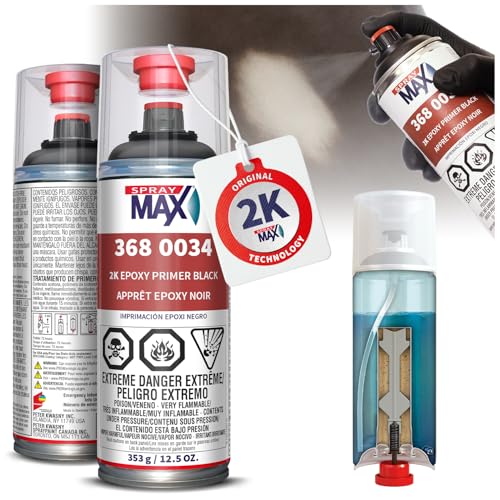
SprayMax 2K Epoxy Primer Black 12.5 oz

SPRESIN SRC Epox-It 80 Black Epoxy Resin 1 Gallon
A Closer Look At Each Pick
This 11-ounce aerosol skips the primer stage entirely, which cuts a full step out of any bracket or caliper refresh. The satin sheen hides surface imperfections better than gloss, a real advantage on cast parts that never looked factory-smooth anyway.
For anyone refreshing suspension components or engine bay hardware, the appeal is speed. One can covers small parts with room to spare, and the epoxy film is built to shrug off road salt and cleaning chemicals once cured.
Practical Advantages
- No separate primer needed, so prep time drops noticeably on small jobs.
- Epoxy formulation resists rust, corrosion, and salt exposure over seasons of driving.
- Satin black reads clean on engine components where gloss would highlight flaws.
- Aerosol format means no compressor, gun, or cleanup beyond the nozzle.
Things To Consider
- An 11-ounce can goes fast; larger panels may need two or more cans.
- Surface prep still matters, degreasing thoroughly is widely reported as the difference between a lasting coat and early peeling.
Key Specs
Who It Suits Best
Home mechanics touching up brackets, housings, and under-hood hardware in short weekend sessions.
Where A Sibling Pick Shines
The VHT SP650-6PK gloss version suits anyone wanting a shinier showroom look across multiple parts at once.
Same chemistry as the SP652 above, different personality. Where the satin version plays it understated, this gloss black aims for that deep, wet-looking finish you associate with a professional booth job.
It works best on smooth, well-prepped surfaces such as valve covers, wheels, and bicycle frames, since gloss magnifies anything underneath. In most garages, a single can handles a handful of small parts comfortably.
The Value In It
- Gloss finish delivers a baked-enamel appearance straight from an aerosol can.
- Chemical and corrosion resistance holds up around fuel, oil, and winter roads.
- Single-can sizing keeps casual touch-up projects inexpensive.
Minor Gripes
- Gloss shows dust nibs and fingerprints during application, so a clean workspace matters.
- Coverage per can is modest; budget accordingly before starting.
Made For
Detail-oriented owners refinishing visible components where a mirror-like black finish is the goal.
Swap It Out When
Rough castings and textured parts suit the VHT SP652 satin version better, since its flatter sheen forgives imperfect surfaces.
Six cans of the gloss formula change the math entirely. A full restoration, say wheels, brackets, and a dozen small parts, stops being a rationing exercise, and batch consistency improves because every part comes from the same production run.
The trade-off is commitment. Unopened aerosols have a shelf life, so this pack rewards people with a genuine project list rather than one fender to fix.
What Makes Sense
- Bulk quantity supports multi-day restorations without mid-project store runs.
- Same no-primer epoxy system as the single can, just scaled up.
- Color matching stays consistent across every part in the build.
- Per-can cost typically drops versus buying singles one at a time.
Potential Sticking Points
- Storage matters, cans should live in a temperature-stable spot away from freezing.
- Overkill for a single small repair; leftover cans may sit unused.
Feature Snapshot
Right Fit For
Restorers working through engines, frames, or several vehicles who know they will burn through six cans.
Consider Something Else When
Occasional users should grab the single VHT Epoxy All Weather Paint gloss can instead and skip the surplus.
This is the bulk version of the satin SP652 that opened the list, and it targets a specific kind of project: the ones with lots of unglamorous metal. Control arms, exhaust shields, trailer hitches, and tool cart frames all benefit from a durable matte-black coat that does not demand show-car prep.
You may find the satin finish especially forgiving outdoors, where gloss tends to telegraph every swirl mark under sunlight.
A Few Highlights
- Six cans handle chassis-level workloads, from suspension parts to yard equipment.
- Satin sheen conceals minor surface texture on older, pitted metal.
- Consistent color across the pack keeps mixed batches of parts uniform.
Softer Spots
- Aerosol propellant runs out before paint on heavy coats, thin layers work better anyway.
- Not the choice for high-gloss cosmetic pieces.
Who Will Love This
DIYers rebuilding project cars, trailers, or workshop gear where durability beats shine.
Another Choice May Suit
Anyone chasing a glossy finish in bulk quantities fits the VHT SP650-6PK gloss pack more naturally.
Tractors, mowers, and implement frames live a rougher life than anything in a garage, and this coating was built for exactly that abuse. Rust-Oleum formulated it to resist chipping from gravel, brush, and vibration while holding its color through seasons of sun and rain.
Owners commonly report good results brushing or spraying it onto cleaned, rust-stripped steel, and the gloss black matches the look of major equipment brands closely enough for honest restorations.
The Case For It
- Chip resistance stands up to flying debris on working land.
- Rust-preventive formula protects bare steel on aging machinery.
- Color retention keeps restored equipment looking fresh season after season.
- Suits tractors, trailers, mowers, and general farm implements alike.
Points To Note
- Thorough rust removal beforehand is essential; coating over loose scale shortens the life of any paint.
- Drying and recoat windows are slower than fast-flash aerosols, plan the day around them.
At A Glance
Whose Shelf It Belongs On
Property owners and hobby farmers restoring tractors, mowers, and tow-behind gear that works outdoors year-round.
Reach For A Different Pick When
Automotive engine-bay parts call for the heat-and-chemical focus of the VHT SP652 instead.
Here’s the technical one. A 2K coating mixes two components, resin and hardener, inside the can when activated, producing shop-grade adhesion that single-component paints cannot match. This black epoxy primer bonds to steel, aluminum, and galvanized metal, then seals the surface as a foundation for topcoat.
It dries dust-free in roughly 15 minutes and sands within hours, which keeps a refinishing schedule moving. For panel work on cars and motorcycles, that combination of speed and corrosion protection is hard to argue with.
What Helps Most
- Two-component chemistry delivers professional-grade bonding strength.
- Corrosion protection on bare steel, aluminum, and galvanized surfaces.
- Dust-dry in about 15 minutes, sandable within hours for fast workflows.
- Variable nozzle gives controlled, even spray patterns without a compressor.
Details To Watch
- Once activated, the can has limited working time, only mix what the session needs.
- It’s a primer, not a final finish, a topcoat goes over it.
- Costs more per ounce than conventional aerosols, which is fair given the chemistry.
Core Details
Who Should Grab It
Serious DIY bodywork enthusiasts and small shops wanting booth-quality adhesion without mixing guns.
Not Your Match When
Quick cosmetic touch-ups need nothing more than the VHT SP652 single can at a friendlier effort level.
A completely different animal from the sprays above: this is a pourable, pre-colored casting resin, not a paint. The pigment is already in the bottle, so there’s no dye-mixing guesswork, and it cures to an opaque, ultra-glossy jet black that suits river tables, bar tops, jewelry, and art casts.
The 1:1 mix ratio keeps measuring simple, which matters enormously for first-timers. Self-leveling behavior helps the resin find its own flat surface, though a level workbench still earns its keep.
Why It Works Well
- Pre-colored formula cures to pure opaque black with no added pigment.
- Simple 1:1 ratio by volume makes measuring forgiving for beginners.
- Self-leveling pour reduces bubbles and uneven coats on flat projects.
- UV and scratch resistance helps finished tabletops hold their depth.
- One gallon covers substantial pours like countertops or large art pieces.
Worth Bearing In Mind
- Cure times run longer than spray paint, projects need patience and undisturbed space.
- Room temperature affects viscosity and bubble release, cold workshops slow everything down.
Feature Rundown
The Right Fit
Crafters and woodworkers pouring black river tables, bar tops, or resin jewelry, including complete beginners.
Look Elsewhere When
Metal restoration work belongs with the Rust-Oleum Farm & Implement coating, not a casting resin.
What Matters Before Choosing Black Epoxy Paints
Match The Format To The Job
Aerosols win on convenience and small parts, while brushable liquids cover big surfaces economically. Pourable resins occupy their own world entirely, built for thickness and casting rather than thin films. Decide the surface area and shape first, then pick the delivery method.
Surface Prep Decides Everything
Epoxy adheres tenaciously to clean, degreased, lightly abraded metal and poorly to anything else. Rust scale, oil films, and old wax are the usual culprits behind peeling coats. Budget as much time for prep as for painting, and the finish will outlast expectations.
Know Your Environment
Garage interiors, outdoor farm equipment, and engine bays each stress a coating differently. Heat cycles favor formulations rated for elevated temperatures, while sun-exposed gear needs strong UV and fade resistance. Reading the intended-use notes on each product saves a costly redo.
Finish Choice Is Functional
Gloss looks sharp but magnifies flaws, satin hides them, and matte reads utilitarian. Cast aluminum and rough weldments almost always look better in lower sheens, while smooth sheet metal carries gloss beautifully.
Key Considerations Across These Picks
Traps First Timers Fall Into
The most common mistake is buying one can for a job that clearly needs three, then stretching coats too thin to compensate. Another frequent slip is skipping degreasing because the part “looks clean.” Both shortcuts show up within weeks as dull patches or lifting edges.
When Paying More Pays Off
Two-component systems like the SprayMax cost more because the chemistry genuinely performs at a higher level, stronger bond, better corrosion sealing. For structural or long-exposure work, that premium pays for itself. For a bicycle frame touch-up, it doesn’t, and a standard aerosol is the smarter spend.
Frequently Asked Questions
Do black epoxy paints really need no primer?
Several products here, notably the VHT line, are formulated as one-step coatings that bond directly to prepared metal. Thorough cleaning and scuffing remain essential regardless.
How long do epoxy coatings take to fully cure?
Dust-dry happens quickly, often within minutes to an hour depending on the product. Full chemical cure typically takes several days, so handle parts gently until then.
Can I use these paints on plastic surfaces?
The products covered here are engineered primarily for metal substrates like steel, aluminum, and galvanized surfaces. Always check the label for substrate compatibility before committing.
What’s the difference between epoxy paint and epoxy resin?
Paint forms a thin protective film on a surface, while resin is poured thick and cures into a solid cast layer. They solve entirely different problems despite sharing a chemistry family.
How should I store leftover epoxy products?
Keep aerosols upright in a temperature-stable space away from freezing and direct heat. Two-component resins should be sealed tightly, since moisture exposure degrades uncured material.
Bottom Line
Every option here solves a specific problem well. Grab the VHT singles for quick touch-ups, the six-packs for full restorations, the Rust-Oleum for outdoor equipment, the SprayMax for serious bodywork, and the SPRESIN resin for pouring projects. Match the product to the surface and the prep, and any of these will serve you for years.
