
Muslin looks simple, but choosing the wrong bolt can derail a whole project. Quilters need a stable base layer, garment sewists want fabric that drapes predictably, and crafters usually just want enough yardage to cut without anxiety. This roundup sorts six widely stocked cotton muslins by width, weight, and finish so you can match the bolt to the job instead of guessing at checkout. Bleached versions give you a clean white surface for dyeing or visible linings, while unbleached options keep a natural beige tone that suits rustic decor and toiles. Each entry below notes where it shines and where it falls short, based on manufacturer specs and patterns commonly reported by sewing households.
A Quick View Of The Lineup
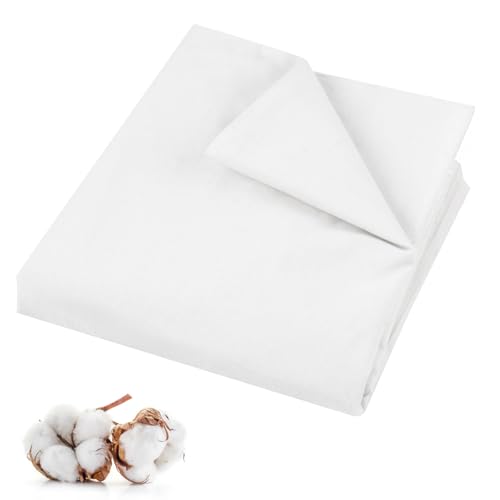
PEASUG 100% Cotton Muslin Fabric 59 Inch x 2 Yards

Kaufman American Made Muslin Bleach White by the Yard

Tegeme 10 Yards x 63 Inch Cotton Muslin Fabric Unbleached

Tegeme 10 Yards x 63 Inch Cotton Muslin Fabric Bleached White

ARKBAODAN 5 Yards 100% Cotton Unbleached Muslin Fabric 63 Inch

FIVEIZERO 100% Cotton Muslin Fabric by the Yard 59in x 1yd
A Closer Look At Each Pick
This white cotton muslin arrives as a 59-inch-wide, 2-yard cut, which is enough material for tote bags, pillow covers, or a couple of practice garments without committing to a ten-yard roll. The bleached finish gives you a clean surface that takes fabric paint and embroidery transfers well.
The extra width matters more than it sounds. Compared with narrower quilting muslins like the Kaufman bolt below, those five additional inches let you squeeze pattern pieces side by side and waste less cloth on narrow cuts.
Everyday Perks
- Full 100% cotton construction means it presses flat and holds a crease while you sew.
- The 59-inch span fits most apparel pattern layouts with fewer seams.
- A soft hand and good airflow make finished pieces comfortable against skin.
- Two yards is a sensible trial size before scaling up to bulk rolls.
Things To Consider
- Orders above one quantity may ship as separate packs rather than one continuous length, so plan seams accordingly.
- Like most lightweight muslins, expect some shrinkage on the first wash; pre-washing is a smart habit here.
Who Will Love This
Casual crafters and weekend sewists who want a modest amount of clean white cotton for small projects.
A Better Fit Elsewhere
Quilters chasing a proven mill-standard base should look at the Kaufman American Made Muslin instead.
Robert Kaufman has supplied quilt shops for decades, and this bleach-white muslin reflects that pedigree. It comes off a 44-inch bolt, cut continuously to whatever yardage you order, which keeps grain lines true across long pieces.
Sewists typically reach for it three ways: as a quilt backing or lining, as an underlining inside garments, and as cheap toile fabric for fitting a bodice before cutting expensive fashion cloth. The care routine is forgiving too, machine wash cold and tumble dry low, so test garments survive repeated fittings.
What Pays Off
- Continuous cut-to-order yardage avoids mid-project joins.
- American-milled consistency gives predictable weave and shrinkage behavior.
- Versatile enough for quilting, linings, and practice apparel in one bolt.
- Simple cold-wash care keeps fitted toiles usable through many sessions.
Points To Note
- The 44-inch width runs narrower than the 59 to 63-inch bolts elsewhere on this list, so wide backings need piecing.
- You order by quantity of yards, so double-check your unit count before checkout.
Key Specs
Right Fit For
Intermediate quilters and garment fitters who value mill-consistent cotton over raw yardage volume.
Where A Sibling Pick Shines
Anyone needing wide, continuous lengths for backdrops will get more from the Tegeme 10-yard bleached roll.
Ten continuous yards at 63 inches wide is serious real estate. Photo backdrops, table runners for events, draft stoppers, mock-up garments: one roll covers all of them, and the natural beige tone suits farmhouse-style decor without any dye work.
The cloth balances light drape with enough body to hold shape, a combination that makes cutting and sewing straightforward even for newer stitchers. In most households, a roll this size lasts through several seasons of projects.
Everyday Advantages
- Roughly 360 by 63 inches supports repeated use across many separate projects.
- Smooth cotton surface takes markers, stamps, and embroidery hoops cleanly.
- Hand or machine washing both work, with air drying recommended.
- Unbleached tone hides dust better than bright white in craft-room settings.
Honest Caveats
- Drying guidance suggests low tumble heat only, pulled out slightly damp, so plan drying time around that.
- Natural flecks can appear in unbleached cloth; that’s normal character, not damage.
- The beige shade won’t suit projects needing pure white.
At A Glance
Made For
Home decorators, event crafters, and teachers who burn through yardage regularly and want one roll to cover it.
Swap It Out When
Pure-white cloth is non-negotiable, in which case the Tegeme bleached version next up is the same roll in white.
Same generous footprint as the unbleached Tegeme roll above, but processed to a bright white. That single change opens different doors: tie-dye sessions, ghost decorations, curtain linings, and any project where color accuracy starts from a neutral base.
The weave carries a light drape with mild stiffness, so it hangs acceptably as temporary decor yet still feeds through a sewing machine without fuss. For classroom settings, white also photographs better than beige when kids display finished work.
What Makes Sense
- Bleached white base accepts dyes and paints with predictable results.
- 63-inch width handles tablecloths and backdrop panels in one piece.
- Soft cotton touch works for apparel linings and reusable bags.
- Ten-yard supply supports group projects and repeat crafts.
Less Ideal Details
- White shows stains fast, so reusable kitchen or art-smock uses demand frequent laundering.
- No explicit care instructions appear in the listing, so treat it gently: cool wash, low heat, based on standard cotton muslin practice.
Who Should Grab It
Dyers, theater prop makers, and party planners who need large volumes of neutral white cloth on hand.
Consider Something Else When
A single yard is all your project needs; the FIVEIZERO cut near the end of this list wastes far less.
This bolt splits the difference between the PEASUG starter cut and Tegeme’s ten-yard monster: five yards at 63 inches, mechanically finished rather than chemically treated. That finishing choice matters for embroiderers, since less residual processing generally means a more honest cotton surface under needle and hoop.
The medium-to-light weight drapes softly but keeps enough structure for tote bodies and cushion fronts. One honest note from the maker itself: tiny cotton-seed flecks show in the natural cloth, which some owners find charmingly rustic and others find distracting on pale projects.
Everyday Wins
- Mechanical finishing skips chemical treatment, appealing to natural-fiber purists.
- Five yards covers several mid-size projects or one large draping job.
- Smooth finish with a natural light drape suits garment mock-ups well.
Small Limitations
- Visible seed flecks are inherent to unfinished natural muslin, not a defect, but they won’t suit every aesthetic.
- Unbleached beige limits use where a crisp white ground is required.
Feature Snapshot
Who It Suits Best
Embroidery hobbyists and slow-sewing enthusiasts who prefer minimally processed natural cotton.
Not Your Match When
Volume users cutting dozens of items will exhaust five yards quickly; step up to the Tegeme 10-yard unbleached roll.
Learning to sew means making mistakes, and mistakes are cheaper on one yard than on ten. This FIVEIZERO cut gives first-timers a 59-inch-wide, single-yard piece of bleached white cotton, sized exactly for practice seams, sampler embroidery, or a small zip pouch.
The brand positions this as a medium-weight calico-style cloth, and the bleaching process can thin the fabric slightly compared with its unbleached sibling, something worth knowing before you commit to a structural project. For straight-line practice and hoop work, though, that trade-off barely registers.
Real Benefits
- Single-yard format keeps experimentation affordable.
- Wide 59-inch cut accommodates small garment pattern pieces.
- Bright white ground makes stitching errors easy to spot and correct.
- Works across quilting, embroidery, and craft applications from one purchase.
Worth Bearing In Mind
- Bleaching may reduce thickness slightly, so very heavy-duty uses deserve a sturdier bolt.
- One yard runs out fast; most makers reorder within a couple of projects.
Quick Facts
The Right Fit
Complete beginners building confidence, plus experienced makers who only need a small swatch for testing.
Reach For A Different Pick When
Your project list includes curtains or backdrops; the ARKBAODAN five-yard roll offers far more working room.
What Matters Most Before Choosing Bleached Muslin Fabrics
Width Decides Your Waste
Narrow 44-inch bolts, like the Kaufman, match standard quilting patterns but force piecing on wide panels. Bolts at 59 to 63 inches fit tablecloths, backdrops, and garment layouts in single cuts. Measure your largest planned project first, then buy width accordingly.
Weight And Finish Shape The Outcome
Muslin ranges from airy sheers to sturdy mediums. Light weights drape beautifully for backdrops but sag in tote bags. Finishing matters too: mechanically finished cloth keeps natural seed flecks, while chemically bleached bolts run smoother and whiter, sometimes at a slight cost in thickness.
Buy For Your Actual Volume
Single yards suit samplers and trials. Five yards handle a season of hobby projects. Ten-yard rolls make sense for classrooms, events, or anyone who sews weekly. Overbuying leads to dusty stash; underbuying leads to mismatched reorders.
Care Expectations Come First
Most cotton muslin shrinks on its first wash, so pre-washing before cutting is standard practice among experienced sewists. Cool water and low heat keep fibers happy, and air drying extends the life of lighter weaves.
Key Considerations Across These Picks
Traps First Timers Fall Into
The most common slip is ignoring width and ordering a narrow bolt for a wide project. Another frequent miss: assuming multiple quantity orders arrive as one continuous length. Some sellers ship separate packs, which forces seams you didn’t plan. Read the cut details before checkout.
What The Higher Tier Buys
Mill-branded muslin costs more because the weave runs consistent, shrinkage behaves predictably, and grain stays square across the bolt. Budget rolls trade that consistency for sheer volume. Fitting garments or heirloom quilts justify the premium; disposable decor does not.
Frequently Asked Questions
Does bleached muslin shrink after washing?
Yes, cotton muslin typically shrinks somewhat on its first wash. Pre-washing and drying the fabric before cutting is the reliable habit.
Can I dye bleached muslin at home?
Absolutely, and its plain white cotton base absorbs fiber-reactive dyes evenly. Wash it first to remove any finishing residue.
Is unbleached muslin weaker than bleached?
No, strength depends mostly on weave density rather than bleaching. Some bleached cloths run slightly thinner due to processing.
What is muslin used for besides sewing?
Backdrops, cheesecloth-style straining wraps, dust covers, gift wrap, and embroidery foundations are all common household roles.
How do I stop muslin from fraying?
Finish raw edges with a zigzag stitch, pinking shears, or a French seam. Muslin frays readily, so edge treatment pays off.
Closing Thoughts
Matching the bolt to the project solves most muslin frustration before the scissors ever come out. Small trial cuts like the FIVEIZERO build skills cheaply, mill-grade Kaufman cloth anchors serious quilting, and the Tegeme rolls feed high-volume craft seasons. Start with your widest planned project and your realistic yearly usage, and the right pick becomes obvious. Happy sewing.
