
A lost pet is every owner’s nightmare, and a legible tag on the collar is the fastest way home. This roundup covers both sides of that problem: ready-made bone tags you can engrave today, and silicone molds that let you cast your own resin tags at home. Crafters making keychains for a craft stall will find options here too, alongside multi-cavity kits that churn out a dozen shapes in one pour. Whatever your skill level, one of these seven belongs in your cart.
The Lineup, Simplified

GoTags Stainless Steel Bone Dog Tag with Paw Print

AMZTOART 3pc Dog Bone Resin Silicone Molds with Key Rings
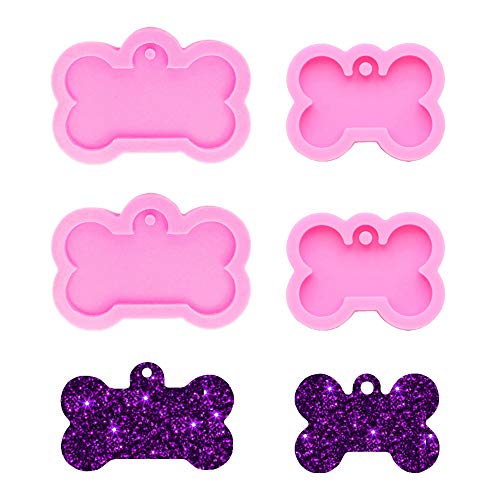
Nifocc Dog Bone Shaped Silicone Molds, 4 PCS Pink

Actvty Pet Tag Resin Mold Silicone with 15Pcs Keychains

Konrisa Pet Tag Resin Molds with 15Pcs Keychains
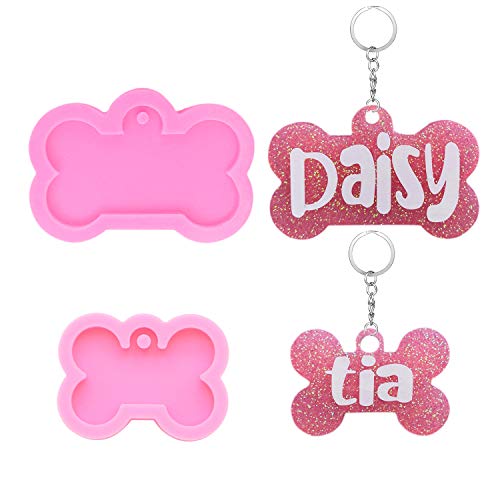
muyulin Dog Bone Shape Keychain Resin Molds (2 Pcs)
KAKABUQU 30 Pcs Bone Shape Aluminium Pet ID Tags 38MM
A Closer Look At Each Pick
Stainless steel changes the ownership math on a dog tag. Aluminum blanks like the KAKABUQU set later in this list dent and fade over years of collar jingle, while steel shrugs off mud, surf, and rough play. The mirror-finish face also gives laser engraving a crisp canvas, so the paw print outline stays readable at a glance.
Personalization runs up to five lines: one on the front, four on the back. That’s enough room for a name, two phone numbers, and an address line, which matters most once your dog slips a fence. Two sizes cover the household too, a 1.3-inch plate for medium and large dogs and a 1-inch version for cats and small breeds.
What Helps Most
- Steel construction resists bending where thinner metal tags commonly warp within months of daily wear.
- Laser engraving sits scratch- and rub-resistant, keeping contact details legible through years of collar friction.
- Five customizable text lines mean you can list multiple contacts instead of gambling on a single number.
- Two size options fit everything from a Chihuahua to a Labrador without looking oversized.
- The polished surface wipes clean with a damp cloth, no special care routine required.
Honest Caveats
- Engraving depth on polished steel can read faintly in direct glare; owners sometimes angle the tag or add a silencer.
- You’ll pay more than blank bulk tags since personalization and steel cost extra up front.
Who It Suits Best
Owners of strong, active dogs who destroy lighter tags and need contact info that survives the abuse.
A Better Fit Elsewhere
Shoppers wanting dozens of identical blanks for hand engraving should look at the KAKABUQU 30-piece aluminium set instead.
Some kits overwhelm a first pour with forty cavities and a drawer of hardware. This one keeps things narrow: three glossy bone-shaped silicone molds and ten key rings with chains, nothing else. That focus makes it a gentle entry point for anyone curious about epoxy casting without committing to a full production setup.
The shiny cavity finish matters more than newcomers expect, because it determines how much sanding your cured pieces need. A high-gloss mold typically releases pieces that look polished straight out of the silicone. Note that resin itself isn’t included, so budget for a small epoxy starter bottle alongside this purchase.
The Helpful Details
- Three matching bone molds let you batch-cast a few tags in one session rather than waiting between pours.
- Ten included key rings with chains turn finished bones into usable gifts immediately, no extra shopping trip.
- The low piece count keeps cleanup and storage simple for occasional crafters.
Points To Keep In Mind
- Resin isn’t part of the package, a common surprise for first-time shoppers scanning the listing photos.
- Manual manufacturing means cavity dimensions can drift by a millimeter or so from the pictured reference.
Made For
Weekend hobbyists testing whether resin crafting clicks before investing in larger multi-cavity kits.
Consider Something Else When
Volume matters more than simplicity; the Actvty kit’s 22-cavity sheet suits anyone producing tags in batches.
The smart detail here is scale variety: two large bones and two small ones in a single pink set. Small cavities suit cat tags and delicate pendants, while the large pair handles chunkier dog tags or decorative pieces. Compare that to the AMZTOART trio, which locks you into one bone format across all three molds.
The silicone is soft but firm enough to hold its shape under poured epoxy, which reduces warping over repeated use. Flexibility helps demolding too; a gentle push from the base usually pops a cured bone free without prying tools. Glitter, dried flowers, and tiny trinkets all suspend well in these shallow cavities.
What Earns Its Place
- Mixed sizing covers pets big and small from one affordable purchase.
- Flexible, deformation-resistant silicone survives repeated casting sessions when cleaned gently.
- Shallow bone geometry accepts embedments like petals and glitter without trapping bubbles in deep corners.
- Four molds mean fewer staggered pours when filling an order or gift list.
Small Limitations
- No key rings or chains ship with the molds, so finished tags need separate hardware before they’re wearable.
- The pink colorway won’t suit everyone’s craft-room aesthetic, minor as that sounds.
Right Fit For
Newcomers to resin work who want forgiving, varied molds without hardware they may not yet know how to attach.
Not Your Match When
You’re after a complete kit; Konrisa bundles its 22-cavity sheet with keychains and link rings out of the box.
Twenty-two cavities on one silicone sheet is the headline number, spanning bones, cat heads, and other pet-tag shapes. One mixed pour fills the whole sheet, which is exactly how craft-stall sellers think. The bundle rounds out with fifteen key rings on chains plus thirty link rings, so assembly hardware never becomes the bottleneck.
Shape variety is the real advantage over single-format sets like the Nifocc pink molds. A customer with three pets wants three different silhouettes, and this sheet delivers them from a single purchase. The smooth cavity surfaces are designed for easy release, meaning less post-cure sanding on each finished charm.
What Works In Its Favor
- A 22-cavity layout mixes bone, cat, and other tag shapes for one-pour variety across a whole product line.
- Fifteen keychain rings plus thirty link rings cover assembly for roughly two full sheets of finished tags.
- Flexible silicone with a smooth finish releases cleanly and tolerates repeated use.
- Works equally well for personal pet tags and small-batch selling.
Things To Weigh Up
- A full-sheet pour consumes noticeably more mixed resin per session than smaller molds, so plan quantities carefully.
- With many cavities, leveling the sheet flat during cure is essential; a tilted table yields uneven tags.
Best Suited To
Makers producing pet tags in volume, whether for a market stall or a multi-pet household.
Look Elsewhere When
Storage space is tight; the muyulin two-mold set takes up a fraction of the drawer room.
On paper, this looks a lot like the Actvty kit: one 22-cavity sheet, fifteen chained key rings, thirty link rings. The difference worth noting is the silicone grade, described as food-grade material that resists tearing and holds its shape pour after pour. Food-grade silicone also cleans up easily under warm water, handy once glitter and pigment residue build up.
In practice, that material spec translates to a longer working life for frequent casters. The cavity mix spans dog-bone, cat, and collar-tag silhouettes, giving you design range for both pets and pendant jewelry. For anyone running a regular crafting schedule, the sturdier silicone is the argument here over cheaper sheets.
Real-World Strengths
- Food-grade silicone flexes without deforming, holding crisp edges across many casting cycles.
- 22 distinct cavities cover bones, cats, and classic tag shapes in one pour.
- Complete hardware bundle means finished pieces become sellable or giftable same-day.
- Smooth interior surfaces reduce the polishing work between demold and done.
- Warm-water cleaning handles pigment residue without degrading the material.
Worth Bearing In Mind
- Small cavities demand steady pouring; overflow between neighboring shapes is the most commonly reported frustration.
- Beginners may find 22 simultaneous casts ambitious for a first attempt.
Who Will Love This
Regular crafters who want durable silicone and full hardware support for an ongoing tag-making routine.
Another Choice May Suit
Occasional makers doing a handful of pours a year will find the AMZTOART three-mold set easier to justify.
Apartment dwellers know the problem: craft supplies colonize every drawer. This two-mold bone set measures around 2 by 1.2 inches per cavity, small enough to live in a pencil case between projects. The food-grade silicone is flexible, reusable, and rinses clean, which suits sporadic crafters who hate maintenance rituals.
Don’t mistake compact for limited. The bone shape works for dog tags, cat tags, keychains, and pendant charms alike, and the small cavity size actually produces tags light enough for toy breeds and kittens. Against the bulky Actvty sheet, this is the minimalist counterpoint: fewer shapes, far less shelf space.
Key Advantages
- Tiny overall footprint stores anywhere, ideal for shared living spaces and travel craft kits.
- Food-grade silicone cleans easily and stands up to repeated pours without losing flexibility.
- Compact bone size yields lightweight tags suited to small cats and toy-breed dogs.
Where It May Fall Short
- Only two cavities per session, so batch production for markets will feel slow compared to the Konrisa sheet.
- No keychain hardware ships in the box; budget separately for rings and chains.
Perfect Match For
Crafters in small homes who pour occasionally and prize tidy storage over production capacity.
Skip It When
You need output speed; the Actvty 22-cavity sheet fills an entire order in a single pour.
Not everyone wants to cast resin. These 30 blank aluminium bones, each roughly 38 by 25 mm and double-sided, skip the curing stage entirely and go straight to engraving. Each tag arrives with its own key ring, so a shelter volunteer or engraving-hobbyist can finish and attach a whole litter’s worth of IDs in an afternoon.
The hardened alloy resists rust and corrosion, though it’s still softer metal than the GoTags stainless plate at the top of this list. That trade-off shows up over years: aluminum stays affordable in bulk but scuffs sooner on rough-and-tumble dogs. Hand stamping works well on these blanks, which is why they’re popular with DIY engravers.
What It Does Well
- Thirty pre-cut blanks with matching rings handle multi-pet households, litters, or rescue intake days in one buy.
- Hardened aluminium alloy resists rust and corrosion for dependable outdoor wear.
- Double-sided surfaces double your available engraving space for names, numbers, and addresses.
- The standard 38 mm bone size accepts both machine engraving and manual stamping.
Details To Watch
- Aluminium scratches and fades faster than steel under heavy daily wear, so expect replacement cycles on rough dogs.
- Blanks arrive unengraved; you’ll need access to an engraver or stamping tools before these become functional IDs.
The Right Fit
Rescue groups, breeders, and hand-engraving hobbyists who need many consistent blanks at once.
Where Another Pick Suits Better
A single family dog facing years of hard play is better served by the GoTags stainless steel tag’s tougher build.
What Matters Most Before Choosing Bone Shape Tag Resins
Material Decides Longevity
Silicone hardness determines how crisply your cured resin holds edges, and food-grade formulations resist tearing through dozens of pours. On the finished-tag side, stainless steel outlasts aluminium by a wide margin for active dogs. Match the material to how often the item faces wear, not just the sticker appeal.
Cavity Count Versus Commitment
A 22-cavity sheet like the Actvty or Konrisa models pays off only if you cast regularly. Two or three single-shape molds suit occasional hobbyists better, because unused cavities just collect dust. Honest self-assessment here saves money and drawer space.
Hardware Inclusion Adds Real Value
Key rings, chains, and link rings seem trivial until your cured tags sit unusable in a bowl. Bundled hardware turns a mold purchase into a finished-product pipeline. Kits without rings cost less up front but quietly add a second order to your cart.
Size Fit For The Actual Pet
Tag dimensions matter differently for a Maine Coon versus a Great Dane. Small cavities around 1 inch suit cats and toy breeds, while larger bones carry more engraved information for big dogs. Measure an existing collar tag before ordering anything.
Key Considerations Across These Picks
Traps First Timers Fall Into
The most common slip is assuming resin comes bundled with the molds; several kits here exclude it, including the AMZTOART set. Another frequent miss is ignoring cavity dimensions until the finished tag dwarfs a kitten’s neck. Check listed measurements against a current tag before committing.
When Paying More Pays Off
Higher-tier kits justify their cost through food-grade silicone, larger cavity counts, and included hardware. Frequent crafters recoup that premium quickly in time saved per batch. Occasional makers rarely will, so match spend to expected usage frequency honestly.
Frequently Asked Questions
Do these resin molds include the epoxy itself?
No, silicone molds in this category ship without resin. You’ll need a separate epoxy starter kit to begin casting.
Can I put a resin tag directly on my dog’s collar?
You can, though resin is more brittle than metal under constant chewing. Most owners attach resin tags to harnesses or use them as backup IDs.
How many pours can a silicone mold survive?
Quality food-grade silicone typically handles dozens of casts with gentle handling and warm-water cleaning. Cheaper sheets may deform sooner under repeated hot-resin pours.
Are the aluminium blanks suitable for hand stamping?
Yes, hardened aluminium at roughly 1 mm thickness accepts metal stamps well. A standard lowercase letter stamp set works on the double-sided surfaces.
What size tag fits a cat?
Cavities around 1 inch, like the GoTags small option or muyulin’s compact bones, suit most cats. Anything larger tends to snag or weigh down a breakaway collar.
Bottom Line
Your pick depends on which side of the craft table you stand on. Active-dog owners should lean toward the GoTags steel tag for durability that lasts years. Volume crafters get the most mileage from the Actvty or Konrisa multi-cavity kits, while beginners can start cheap with the Nifocc or AMZTOART molds. Whichever route you take, measure first, then enjoy making something personal for a pet who deserves a safe trip home.
