
Bongos reward you the moment your hands land on them, which is why they end up in drum circles, classrooms, and living rooms everywhere. The catch is that the market spans everything from travel-proof synthetic shells to hand-carved hardwood, and the wrong choice can mean a drum that drifts out of tune or feels harsh under your fingers. This guide walks through seven options that cover beginners, kids, gigging players, and anyone chasing a different kind of hand-drum sound entirely. Each one earns its place on build quality, tuning stability, or sheer playability.
The Picks In Brief

Meinl Percussion Bongo Drums 6.5″, 7.5″

Meinl HDJ1-M Mahogany Djembe 10″

Remo KD-5400-01 Kids Percussion Bongo Drum

Kelisiting Handpan Drum 22″ D Minor Kurd (Gold)
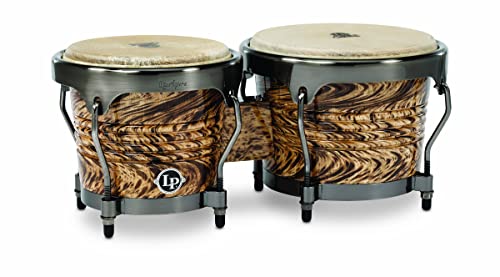
LP Aspire Bongos Havana Café LPA601-HC

Pyle PBND10 Birch Wood Bongo Drums Set

Meinl Percussion Bongo Drums 6.75″, 8″
The Picks, Examined More Closely
Most wooden bongos sulk when humidity swings, and that’s exactly where this Meinl pair separates itself from the pack. The thick synthetic shells shrug off weather and knocks, so tossing them in a car trunk before a beach jam or park session is a non-event.
The 6.5-inch and 7.5-inch buffalo skin heads bring warmth and dynamic range that pure synthetics usually flatten out. Four 8 mm lugs per drum plus an included wrench means quick pitch tweaks between songs, which matters more than most new players expect.
Positive Takeaways
- Synthetic shells resist cracking and warping through seasonal humidity changes
- Natural buffalo heads give warm, expressive tones with real dynamic feel under the hands
- Four tuning lugs per drum allow precise pitch control without removing hardware
- Included wrench lives in your gig bag, not a drawer somewhere
Things To Consider
- Skin heads still need occasional re-tensioning after big temperature shifts, something owners commonly report
- Traditionalists who prefer all-wood resonance may find the shell character slightly flatter
Key Specs
Built With In Mind
Street performers, campfire players, and anyone whose instrument lives in a car rather than a climate-controlled room.
A Better Fit Elsewhere
Players wanting bigger, deeper shells for seated Latin-style playing will get more from the LP Aspire LPA601-HC further down this list.
A djembe is the cousin that plays well with bongos, and this one makes a smart companion piece if your household is catching the hand-drum bug. Strike the center of the goat skin head and you get a deep bass; brush toward the edge and bright slaps ring out. That two-zone response means satisfying sound within minutes of unboxing.
The shell is carved from a single piece of mahogany rather than glued staves, which supports both resonance and long-term structural integrity. Rope tuning, where braided cords pull vertical tension across the head, holds pitch reliably once set correctly.
Real Benefits
- Clear bass and slap zones make basic technique click almost immediately
- One-piece carved mahogany body delivers fuller projection than segmented shells
- Rope tuning system keeps the head tensioned without metal hardware to rattle loose
- Attractive enough to leave on display between sessions
Small Caveats
- Rope tuning takes longer to adjust than lug-based systems like the Meinl bongos above
- Wood shells need sensible storage away from damp basements or hot attics
Feature Snapshot
Right Fit For
Complete newcomers, drum circle regulars, and teachers who want an instrument students can sound good on during lesson one.
Swap It Out When
Anyone set specifically on paired high-low bongo voicing should head straight for the Pyle PBND10 instead.
Adult-sized bongos frustrate small hands, and small hands are exactly what Remo designed around here. The 5-inch and 6-inch heads sit close together at a height children can actually reach while seated, and the Rain Forest fabric wrap gives it a playful look kids tend to gravitate toward.
Remo builds its kid line with the same synthetic head technology found on professional percussion, which translates to heads that hold tune and survive enthusiastic treatment. In classrooms and playrooms alike, that durability is the whole point.
The Upside
- Compact 5″ and 6″ sizing suits young children’s arm span and finger strength
- Synthetic heads stand up to daily classroom and playroom use
- Fabric-wrapped shell wipes clean far more easily than bare wood
- Proper high-low pitch pairing teaches real bongo technique early
Points To Note
- Teens and adults will find the reach cramped within weeks
- Volume is modest compared to full-size pairs, fine indoors but easily buried outdoors
Who Will Love This
Parents and early-childhood educators introducing rhythm to roughly ages three through eight.
Reach For A Different Pick When
Older siblings ready for a serious first pair will get years more use from the Meinl Journey Series reviewed above.
This pick stretches the list beyond traditional bongos on purpose. A handpan is a tuned steel dome where each note area produces its own pitch, and the D minor Kurd scale used here means every combination of notes sounds musical. There’s no wrong chord, no tuning wrench, nothing to learn before sounding pleasant.
The 22-inch shell uses roughly 1.2 mm steel shaped through heat treatment, and the ten-note layout spans A3 through C5. For evening wind-down sessions or ambient recording work, few instruments deliver this much atmosphere per tap.
What Pays Off
- Fixed D minor scale guarantees consonant melodies without music theory knowledge
- Ten distinct note fields offer genuine melodic range, not just rhythm
- Steel construction needs no head replacement or re-tuning over time
- Striking tone works beautifully for meditation, yoga spaces, and solo practice
Worth Bearing In Mind
- Steel surfaces can dent from hard impacts, so padded cases matter for transport
- It’s a different instrument entirely, not a substitute for bongo technique
Quick Facts
Made For
Sound healers, meditators, and hobbyists who want melody first and rhythm second.
Another Choice May Suit
Players committed to Afro-Cuban patterns and slap articulation belong with the LP Aspire below, not here.
Latin Percussion has anchored this category for decades, and the Aspire line carries that pedigree into accessible territory. The 6.75-inch and 8-inch shells run larger than the standard beginner sizing, which pushes the lower drum into genuinely resonant bass territory. Compared with the Meinl Journey Series, these lean warmer and rounder thanks to rawhide heads.
EZ curve rims soften the edge under your palms, a detail your wrists will appreciate across hour-long practice blocks. Brushed nickel hardware and the Havana Café finish look sharp on stage, too.
Features That Help
- Oversized 8″ hembra produces fuller low-end punch than typical entry pairs
- Rawhide heads respond with authentic Afro-Cuban tonal color
- Curved rim profile reduces palm fatigue during extended playing
- 9/32″ tuning lugs accept standard adjustment without exotic tools
Trade-Offs To Consider
- Rawhide heads are more sensitive to humidity than synthetic alternatives
- Larger shells add weight for players hauling gear by hand
Core Details
Who Should Grab It
Intermediate students and gigging musicians who’ve outgrown toy-adjacent sizing and want authentic Latin tone.
Where A Sibling Pick Shines
Total beginners watching their budget will find the Pyle PBND10 covers the same fundamentals for less.
Entry-level bongos usually cut corners on the heads, and that shortcut kills the sound. Pyle skips it: the PBND10 ships with natural animal hide skins stretched over hand-crafted birch shells, giving you the crisp attack and clear tone that plastic-headed starter kits lack. At 6.5 inches and 7.5 inches, the sizing matches conventional beginner dimensions.
Chrome hardware and a included tuning key round out a package aimed squarely at first-time players. You won’t mistake it for a boutique instrument, but for bedroom practice and casual jams it does the honest work.
Useful Highlights
- Natural hide heads deliver sharper articulation than synthetic starter heads
- Birch shells keep weight down for easy carrying to lessons or friends’ houses
- Tunable design grows with your ear as preferences develop
- Included key means setup happens the day it arrives
A Few Limitations
- Hide heads commonly need re-tightening during the first weeks of break-in
- Hardware finish shows wear faster than brushed-nickel rivals like the LP Aspire
- Projection suits home use better than loud ensemble settings
Best Suited To
Curious beginners, students on a tight budget, and households testing whether the habit sticks.
Consider Something Else When
Players planning frequent gigs should stretch for the LP Aspire LPA601-HC, whose rims and hardware hold up to constant transport.
Where the Journey Series earlier in this list chases portability, this Meinl Headliner pair chases staying power. Rubber wood shells keep the weight manageable while absorbing heavy-handed playing, and the hand-selected buffalo heads are known among owners for holding tension longer than cheaper skins. Traditional rims frame both drums with a classic look.
The 6.75-inch and 8-inch sizing splits the difference between compact starters and full stage pairs, which makes it a comfortable long-term home for developing players. In our view, that balance is its quiet strength.
Useful Touches
- Buffalo heads stay in tune through regular weekly playing sessions
- Lightweight rubber wood shells survive aggressive strikes without splitting
- Traditional rims suit players who prefer classic bongo ergonomics
- Acoustic projection carries well in group settings
Less Ideal Details
- Wood shells demand drier storage than the synthetic Journey Series
- No tuning wrench inclusion mentioned, so check what arrives in the box
The Details
Whose Shelf It Belongs On
Regular practicers and drum circle regulars who want one pair to last years, not months.
Not Your Match When
Outdoor and all-weather players should stick with the synthetic-shell Meinl Journey Series from pick one.
What Matters Most Before Choosing Bongo Drums
Shell Material Sets The Ceiling
Wood shells, typically birch, mahogany, or rubber wood, project warmth and depth that suits indoor playing and recording. Synthetic shells trade some of that richness for near-immunity to humidity, which matters enormously in garages, cars, and coastal climates. Match the material to where the drums will actually live, not where they’ll look best online.
Heads Decide Your Tone And Your Chores
Animal hide heads, whether goat, buffalo, or rawhide, respond with expressive dynamics but stretch with temperature swings and need periodic retensioning. Synthetic heads stay put but sound slightly flatter. Daily players often prefer hide despite the upkeep; occasional players usually don’t miss it.
Size Dictates Comfort
Standard adult pairs run 6.5 to 7.5 inches, with upgraded models stretching to 8 inches for deeper bass. Children under nine do better with dedicated kid sizing like Remo’s 5-to-6-inch pairing. Larger shells also mean more weight, worth weighing against how often you carry them.
Tuning Hardware Shapes Daily Life
Lug-based tuning adjusts in seconds with a wrench; rope systems look traditional and hold tension well but take patience. Frequent tinkerers should favor lugs, while set-and-forget players can go either way comfortably.
Key Considerations Across These Picks
Traps First Timers Fall Into
The most common slip is buying adult-sized bongos for a young child, then wondering why enthusiasm fades within a week. Another frequent misstep is choosing hide heads for a humid basement or porch, where they’ll loosen constantly. Measure the player’s hands and honestly assess your storage conditions before committing.
Where The Extra Money Goes
Higher-tier pairs spend it on shell density, hand-selected skins, and refined rim geometry. Those details translate directly into longer tuning stability and less wrist fatigue, differences you notice most after the six-month mark. Casual players rarely feel the gap; weekly players feel it every session.
Frequently Asked Questions
Are bongos hard to learn for adults?
No, basic patterns come quickly since there’s no stick technique involved. Developing fast, clean slap tones takes consistent practice over months.
Can kids play full-size bongos?
Children under about nine usually struggle with the reach and spacing of adult pairs. Kid-specific models with smaller heads fit their arms far better.
How often do bongo heads need tuning?
New hide heads typically settle during the first few weeks and need frequent touch-ups. After break-in, monthly checks under normal indoor conditions usually suffice.
Do synthetic-head bongos sound bad?
They sound slightly less warm than hide but remain perfectly musical. Their stability in humid or outdoor environments often outweighs the tonal trade-off.
Is a handpan a good alternative to bongos?
A handpan serves melodic, meditative playing rather than rhythmic Afro-Cuban patterns. They complement each other nicely but aren’t interchangeable.
Closing Thoughts
Every drum on this list solves a different problem, and the right answer depends less on price than on where and how often you’ll play. Humid climates point toward synthetic shells, growing students toward oversized pairs, and restless hands toward something melodic like a handpan. Start honest about your habits, choose accordingly, and any of these seven will keep your hands busy for years.
