
A quilt border does more than frame your blocks. It sets the tone, hides slight size mismatches between rows, and turns a good top into a finished piece worth draping over a couch. The trouble is that most quilters discover mid-project that their binding or border fabric clashes, frays, or runs short.
This roundup covers seven options that solve those problems from different angles: a wide batik yardage for statement borders, three jelly rolls for scrappy strip borders, three satin binding tapes in bold colors, and one bulk strip bundle for practice and patchwork. Each entry below breaks down what works, what doesn’t, and who should reach for it first.
The Picks In Brief

Singer Batik Collection Cotton Fabric 42-Inch 2-Yard Precut

LUMANSUO 40P Cotton Jelly Roll Strips, Colorful Flower

LENAILIN Peaceful Winter Jelly Roll Fabric
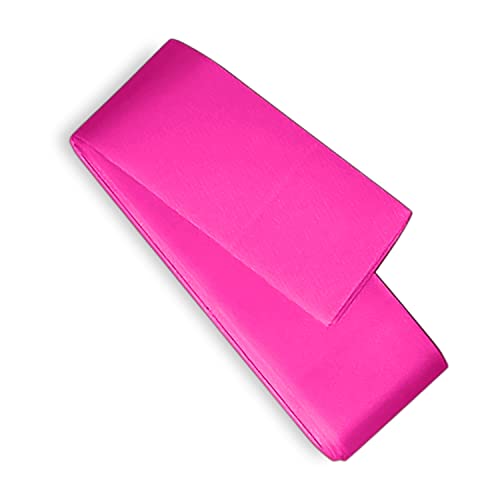
Lakesstory Bright Pink Satin Binding Tape 2″ x 4 3/4 Yards

Lakesstory Canary Yellow Satin Binding Tape 2″ x 4 3/4 Yards

Lakesstory Hot Pink Satin Binding Tape 2″ x 4 3/4 Yards

SmoothNovelty 160 Pcs Precut Quilting Roll (Cute Style)
A Deeper Look At The Lineup
A batik is fabric dyed by hand using wax-resist techniques, which gives every print subtle color variation you won’t find in mass-printed cottons. This Singer cut arrives as a two-yard precut at 42 inches wide, generous enough to run a full border around a throw-size quilt without piecing seams.
The green-and-purple flower motif reads well against both light sashing and dark backgrounds, so it earns its place as a border rather than a filler print. Compared with the jelly rolls further down this list, this is the pick for a single, uninterrupted framing band.
Where It Delivers
- The 42-inch width means fewer joins along long border runs, saving measuring time.
- Two continuous yards cover most lap-quilt perimeters in one clean cut.
- Handmade batik patterning adds depth that flat commercial prints can’t match.
- 100% cotton content behaves predictably under pressing and machine quilting.
- Suits apparel projects too, so leftovers become scarves or tote accents.
Things To Consider
- One print only, so scrappy-quilt fans may want the LUMANSUO roll instead.
- Batiks are densely woven; some sewists report they benefit from a slightly longer stitch length.
Key Specs
Who It Suits Best
Confident beginners and intermediate quilters finishing a floral or garden-themed quilt who want one striking, continuous border fabric.
Where Another Pick Suits Better
Anyone building a multicolor scrappy border will get far more variety from the LUMANSUO 40-strip jelly roll covered next.
Jelly rolls are bundles of pre-cut strips, usually 2.5 inches wide, that skip the rotary-cutting stage entirely. LUMANSUO packs 40 strips here, built around 20 assorted floral prints with two pieces of each design, so paired strips make symmetrical borders or matching corner squares.
For a piano-key or braid-style border, the strip format is hard to beat: sew end to end, press, attach. Where the Singer batik gives you one bold voice, this roll hands you a whole chorus of florals that coordinate straight out of the package.
The Good Stuff
- Duplicate prints let you mirror motifs on opposite sides of a quilt for balance.
- 44-inch strip length reaches across most quilt widths without splicing.
- Pre-cut edges reduce waste compared with trimming yardage yourself.
- Floral assortment doubles as raw material for small bags and mug rugs.
Worth Noting
- Strip widths can vary slightly between cuts; squaring before sewing keeps seams true.
- You depend on the manufacturer’s print selection rather than choosing fabrics individually.
At A Glance
Made For
Scrappy-quilt enthusiasts and weekend sewists who want coordinated variety without spending an afternoon at the cutting mat.
Look Elsewhere When
Winter-themed projects call for the LENAILIN Peaceful Winter roll instead, whose palette stays deliberately cool and seasonal.
Where the LUMANSUO roll chases bright florals, LENAILIN curates toward a calmer brief. The Peaceful Winter collection arranges its 40 strips around 20 wintry floral designs, two of each, so holiday table runners and gift quilts come out looking intentional rather than random.
Each strip measures the familiar 2.5 by 44 inches in soft 100% cotton. That consistency matters when a pattern calls for exact strip counts; you can follow published jelly-roll instructions without adjusting anything.
Strong Points
- Curated cold-season palette removes guesswork from holiday color matching.
- Forty strips give a queen-size border project real coverage.
- Soft hand feel makes finished pieces comfortable against skin.
- Duplicated prints support orderly, repeated border patterns.
Trade Offs
- The seasonal theme limits year-round usefulness compared with the all-season LUMANSUO set.
- Delicate winter tones may show seam shadows more than busy prints do; press carefully.
Right Fit For
Gift-makers and seasonal decorators producing Christmas quilts, advent runners, or cozy cabin-style throws during colder months.
Not Your Match When
Bright, playful projects belong with the SmoothNovelty bulk bundle later in this list, which leans cute and colorful.
This is where the list shifts from border yardage to binding tape, the folded ribbon that wraps a quilt’s raw outer edge. Single-fold construction means the tape arrives creased and ready; you sandwich the edge inside and stitch once through all layers.
Lakesstory’s version uses glossy 100% polyester satin, two inches unfolded, in a saturated bright pink that pops against white baby blankets and pastel flannel. Nearly five yards handles a crib quilt perimeter with room to spare.
Reasons It Performs
- Pre-folded creases save the fussy ironing stage of homemade bias binding.
- Polyester satin resists fraying, so cut ends stay tidy during application.
- The sheen elevates simple flannel blankets into giftable finishes.
- Flexible drape follows curved corners without puckering badly.
Minor Gripes
- Satin shows pin marks; clip or baste instead for the cleanest result.
- Five yards falls short of large bed quilts, so measure before committing.
Quick Facts
Who Will Love This
Nursery-sewing hobbyists finishing baby blankets who want a polished, shiny edge without cutting bias strips themselves.
A Better Fit Elsewhere
Projects needing a softer, sunnier accent may suit the canary yellow sibling tape reviewed right after this one.
Same tape construction as the bright pink Lakesstory above, same 2-inch width and 4 3/4-yard length, but the color story changes completely. Canary yellow brings warmth to gray nursery palettes and makes a cheerful contrast line on navy or charcoal quilt backs.
In practice, this shade earns steady use beyond quilts too: costume trims, drawstring bags, and school craft projects all benefit from a glossy yellow edge. It’s the sort of spool that rarely sits idle in a sewing basket.
Positive Points
- High-visibility yellow frames dark fabrics with crisp contrast.
- Identical pre-folded handling to its pink sibling means no new technique to learn.
- Polyester base tolerates machine washing in kids’ items.
- Versatile enough for garments, costumes, and general craft edging.
Small Caveats
- Bright yellows can read casual; formal heirloom quilts deserve a subtler binding.
- Light satin surfaces tend to attract lint, so store the roll bagged.
The Right Fit
Parents and teachers sewing children’s items who want durable, washable trim in an upbeat color.
Skip It When
Your palette runs hot and bold already; the hot pink Lakesstory tape below delivers more punch for those schemes.
The third member of the Lakesstory trio pushes saturation further. Hot pink sits between the softer bright pink and the sunny canary yellow, landing on tween bedroom quilts, dancewear hems, and anything that wants energy along its edge.
Construction matches the other two: single-fold satin, two inches wide, roughly four and three-quarter yards per spool. Owners commonly report the gloss holds up through repeated machine cycles, which matters for items that get washed weekly.
Features That Help
- Bold pigment stays vivid wash after wash on polyester satin.
- Smooth flexibility lets the tape curve around rounded blanket corners.
- Matches popular kids’ bedding colors for coordinated room decor.
- Ready-folded edges cut binding prep time to nearly zero.
Honest Caveats
- Intense pink limits pairing options with muted or vintage-style quilt tops.
- Satin can shift under the presser foot; slow your stitching speed on curves.
Core Details
Built With In Mind
Teen-room decorators and garment sewists adding a loud, confident finish to quilts, hoodies, and costume pieces.
Another Choice May Suit
Subtler nursery work calls for the bright pink version earlier in the list, which tempers the intensity a notch.
Quantity is this bundle’s whole argument. Four rolls hold 160 precut strips, each about 2.44 by 39.3 inches, which translates into serious mileage for braided rugs, rag quilts, and classroom craft sessions where fabric disappears fast.
The Cute Style assortment mixes classic and Japanese-inspired prints, giving scrappy borders a charming mismatched rhythm. Compared with the 40-strip LUMANSUO roll, you trade curated coordination for sheer volume and lower cost per strip.
Notable Gains
- 160 strips keep large group projects stocked without reordering.
- Slightly narrower 2.44-inch width suits rag-rug and mini-patchwork formats.
- Four separate rolls make dividing materials among students simple.
- Low commitment price point suits skill-building practice.
Points To Note
- Print selection is assorted, so specific color requests aren’t possible.
- Strip lengths near 39 inches fall short of the 44-inch standard on wider quilts.
- Cotton weight varies between rolls in bulk assortments, per common owner feedback.
Feature Snapshot
Whose Shelf It Belongs On
Teachers, camp counselors, and beginner quilters practicing technique who need abundant low-stakes material.
Where A Sibling Pick Shines
Finished heirloom borders deserve the tighter quality control of the Singer batik yardage at the top of this list.
What Matters Most Before Choosing Border Fabrics For Quilting
Match The Fiber To The Project
Cotton remains the default for quilt tops because it presses crisply and shrinks predictably alongside batting. Polyester satin, like the Lakesstory tapes, belongs on edges and trims rather than pieced bodies, since it behaves differently under heat. Mixing them deliberately, cotton body plus satin edge, gives you the best of both materials.
Measure Before You Order
Walk the actual perimeter of your quilt top with a tape measure, then add overlap for corners and joining seams. A throw quilt often needs more binding than a five-yard spool provides, while crib projects finish with slack. Running short mid-border is the most preventable frustration in quilting.
Think In Palettes, Not Prints
A border succeeds when it repeats a color already living inside your blocks. Pull threads from your center fabric and match them against candidate borders under daylight, not lamp light. Busy prints calm a chaotic quilt; solid-reading fabrics give noisy tops somewhere to rest.
Weigh Pre-Cuts Against Yardage
Precut strips save hours and guarantee straight edges, which beginners genuinely appreciate. Continuous yardage offers unbroken borders and full control over cut width. Your skill level and deadline should decide, not habit.
Key Considerations Across These Picks
Traps First Timers Fall Into
The classic error is buying on looks alone and ignoring fiber content, then watching a polyester trim pucker against cotton blocks under the iron. Another frequent slip is skipping the perimeter measurement and guessing at yardage. Pre-wash cottons too; skipping that step invites uneven shrinkage after the first wash.
When Paying More Pays Off
Higher-tier fabrics earn their cost through consistent weave density, colorfast dye lots, and accurate cutting. The Singer batik costs more per yard than bulk strips, yet its handmade depth and reliable 42-inch width justify the spend on heirloom work. Practice pieces and classroom crafts tell the opposite story, where volume wins.
Frequently Asked Questions
How much border fabric does a typical quilt require?
Measure all four sides, add roughly 10 percent for corners and seams, then convert to yards. A lap quilt commonly needs two to three yards of 42-inch-wide fabric.
Can satin binding go through a washing machine?
Yes, polyester satin tolerates normal machine cycles well. Wash finished items gently and air-dry when possible to preserve the glossy surface longest.
Are jelly roll strips always the same size?
Most follow the 2.5 by 44 inch convention, though budget bundles occasionally run narrower or shorter. Check the listed dimensions before following a published pattern.
Should I pre-wash precut strips?
Many quilters skip it to avoid fraying the raw edges, relying on a finished-wash instead. For mixed-fiber projects, pre-washing cotton yardage separately remains the safer route.
What’s the difference between single-fold and double-fold binding?
Single-fold tape has one pressed crease and suits lightweight edges. Double-fold wraps the edge twice for extra durability on items that see heavy use.
Bottom Line
Border work rewards a little planning more than a big budget. Pick the Singer batik when one dramatic frame will carry the quilt, grab a jelly roll for scrappy variety, and let the Lakesstory satin tapes handle edges that deserve shine. Whatever you choose, measure first and match fibers thoughtfully, and your finished border will look deliberate rather than patched together.
