
Epoxy punishes sloppy tools. A cheap bristle brush sheds hairs into a curing pour, and a foam applicator dissolves into mush halfway through your second coat. The right brush keeps your resin surface glass-smooth and your cleanup painless.
This roundup covers seven options across the full range of resin work: silicone kits you can reuse for years, disposable chip brushes for one-shot jobs, precision applicators for detail work, and even dry brushes that double as texture tools for epoxy art. Match the tool to the job and you’ll waste less resin, less time, and less patience.
How The Shortlist Stacks Up
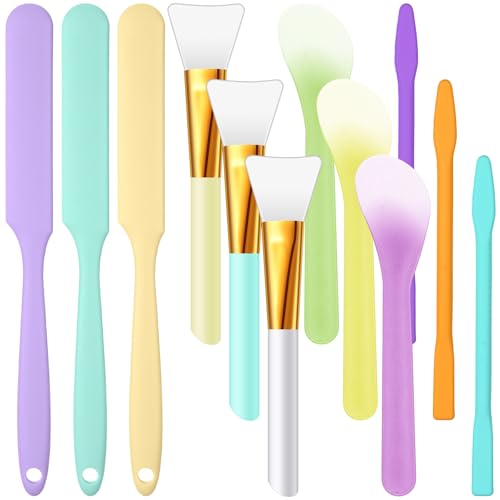
Patelai Silicone Stir Sticks & Epoxy Brushes Kit

Pro Grade 1″ Chip Brushes, Disposable Paint Brushes, 36 Pack

Bates- Chip Paint Brushes, 6 Pack, 1″, 2″, 3″, Synthetic Bristles

Sili Glue Brush Kit with Micro Wood Glue Applicator Brushes

QfwdfcTrenz 7PCS Silicone Resin Brush Applicator Kit (Pink)

QfwdfcTrenz 7PCS Silicone Resin Brush Applicator Kit (Purple)

GETHPEN Drybrush Paint Brush Set, 5 Sizes
Meet The Standout Selections
Epoxy work involves four distinct motions: mixing, spreading, scraping, and cleaning up drips. Most people cobble together random tools for each step, then lose half of them in a drawer. This Patelai kit handles all four with twelve silicone pieces, so everything lives together and nothing gets sacrificed to cured resin.
The multicolor design is more useful than it sounds. Assign one color to resin, another to paint or glue, and cross-contamination stops being a worry. Compared to the disposable chip brushes later on this list, these cost more upfront but survive hundreds of sessions.
The Value In It
- Four tool types in one purchase: stirring rods, brushes, spoons, and scrapers cover an entire pour session.
- Silicone construction means cured epoxy peels off instead of ruining the tool.
- The long 24 cm scrapers reach deep into mixing cups where shorter tools can’t.
- Color-coded pieces let you dedicate tools per material, which protects delicate finishes from stray pigments.
- Washing takes seconds under warm water between uses.
Things To Consider
- Silicone holds a slight memory of thick resins, so a quick wipe before storage keeps tips clean.
- Fewer pieces than some dedicated sets, since each type comes in threes rather than dozens.
Key Specs
Who It Suits Best
Regular hobby resin crafters who pour weekly and want one reusable kit instead of a drawer of ruined disposables.
A Better Fit Elsewhere
Anyone doing occasional single pours will burn through the Pro Grade chip brush pack more economically, since there’s no washing involved at all.
Chip brushes are the honest workhorses of epoxy sealing: natural bristles, a bare wooden handle, and no pretense of being cleaned afterward. You spread a seal coat on raw wood, let it cure, and toss the brush. Thirty-six of them means a year of weekend projects without ever scrubbing a ferrule.
The one-inch width suits edge sealing and touch-up work better than broad tabletop pours, where you’d want something wider. The hanging hole in each handle is a small touch that helps when brushes dry between coats.
Everyday Advantages
- No cleanup whatsoever, which matters most with fast-curing resins that harden on bristles in minutes.
- Natural filaments lay coatings smoothly on stain samples and furniture touch-ups.
- The bulk pack keeps spares in the workshop, garage, and car kit simultaneously.
- Lightweight polar handles feel comfortable during longer sealing passes.
Small Caveats
- Adhesive-set natural bristles can shed a hair or two into wet resin, so keep tweezers nearby during pours.
- Single width limits this pack to narrow work compared to the Bates set’s three sizes.
Whose Shelf It Belongs On
Woodworkers and DIYers running frequent short sealing jobs who’d rather discard a brush than wash one.
Swap It Out When
You need multiple widths for varied project surfaces; the Bates six-pack below covers 1, 2, and 3 inch tasks in one purchase.
Where the Pro Grade pack commits to a single width, Bates splits its six brushes across 1, 2, and 3 inches. That flexibility maps directly onto real epoxy projects: the narrow brush cuts in around mold edges, the middle size coats charcuterie boards, and the wide one flows resin across a table top in fewer passes.
Synthetic bristles behave differently from the Pro Grade’s natural filaments. They hold their shape better with water-based finishes and tend to shed less, though some users find natural bristle slightly smoother with oil-based stains. Wooden handles give a firmer grip than bare chip-bristle sticks.
The Upside
- Three widths eliminate the guesswork of matching brush to surface area.
- Synthetic filaments deliver even coverage with paints, stains, and resin sealers alike.
- Sturdy wooden handles offer better control than throwaway stick handles during detail passes.
- Six brushes mean dedicated tools per finish type without constant rinsing between colors.
Points To Note
- Cured epoxy still ruins synthetic bristles, so clean immediately after each pour or accept the loss.
- Only two brushes per size, which runs thin on back-to-back multi-coat weekends.
The Right Fit
DIYers juggling mixed-scale projects, from jewelry molds to furniture tops, who want one versatile set rather than several single-purpose packs.
Where A Sibling Pick Shines
Strictly disposable workflows suit the Pro Grade 36-pack better, since its lower commitment per brush fits high-volume, toss-after-use habits.
Not every epoxy job is a flood coat. Inlay repairs, crack filling, and domed bezels demand pinpoint placement, and a standard brush smears adhesive everywhere except where you want it. This Sili kit answers with a three-piece silicone setup plus micro tips sized for fine lines and tight corners.
It borrows the reusability advantage of the Patelai kit but trades breadth for precision. Woodworkers gluing joints will get just as much mileage here as resin artists doing detailed fills, which makes it a rare crossover tool in this category.
The Good Stuff
- Multiple interchangeable tips switch between broad spreading and needle-fine placement.
- Silicone heads release dried adhesive cleanly, so the kit outlasts dozens of bristle brushes.
- Micro applicators reach hairline cracks and recessed details that wider brushes overshoot.
- Clean application means less sanding afterward, saving real finishing time.
Less Ideal Details
- Small tip capacity slows down large-surface coating; this is a precision instrument, not a coverage tool.
- Tiny components are easy to misplace, so a small parts tray during use pays off.
Feature Rundown
Best Suited To
Woodworkers and resin repair enthusiasts whose work centers on precise adhesive placement inside joints, cracks, and small cavities.
Reach For A Different Pick When
Broad surface coating is the goal; the Bates synthetic set moves far more resin per stroke across tabletops and boards.
This pink seven-piece set blurs the line between crafting studio and makeup bag, and that’s deliberate. TPR brush heads flex gently against surfaces, which suits both UV resin detailing on jewelry and cream products applied by hand. The aluminum ferrules and PS handles give it a more finished feel than typical craft-store brushes.
For epoxy artists doing petri dishes, geode work, or layered UV resin pendants, the soft heads move viscous liquid without scratching earlier layers. The compact footprint also travels well to craft fairs and workshops, assuming you don’t mind the distinctly beauty-counter aesthetic.
A Few Strong Suits
- TPR heads flex smoothly over layered resin without gouging previous pours.
- Seven pieces provide enough variety to dedicate brushes per pigment or medium.
- Aluminum tubes and PS handles hold up to repeated washing better than all-plastic rivals.
- Doubles as a face mask or cream product applicator for dual-purpose owners.
Details To Watch
- Heads are geared toward light detail work; thick two-part epoxy floods overwhelm them quickly.
- The beauty-oriented styling may look out of place in a woodshop setting.
Who Should Grab It
UV resin jewelry makers and mixed-media creators working at desk scale who value soft, controlled application over raw coverage.
Consider Something Else When
Your focus is miniature painting texture rather than resin flow; the GETHPEN dry brush set serves that niche far better.
Functionally identical to the pink version above, this purple variant exists for one reason: choice. Same seven TPR-headed brushes, same aluminum ferrules, same PS handles, same gentle application suited to UV resin and cream products. Some crafters simply match tools to their workspace palette, and there’s no shame in that.
The practical difference shows up in households with two resin artists. One person claims purple, the other takes pink, and nobody’s brushes wander between desks. That separation also prevents pigment cross-contamination between different resin color schemes.
Advantages To Know
- Identical durable build to the pink kit, with TPR heads that resist tearing during repeated flexing.
- Lightweight and compact enough to slip into a tote for classes and craft meetups.
- A distinct color keeps personal tools separate in shared creative spaces.
Worth Bearing In Mind
- Buying both colors doubles cost for duplicate function, so most solo crafters need only one variant.
- Same limitation as its sibling: built for fine resin work, not heavy flood coats.
Made For
Mobile crafters and shared-studio artists who want a portable, washable silicone kit in a color they’ll actually enjoy using.
Not Your Match When
Full-size epoxy pours dominate your workflow; the Patelai twelve-piece kit brings larger scrapers and stir rods built for that volume.
Dry brushing is a technique, not a cleanup method: you load a nearly paint-free brush and sweep it across raised surfaces so pigment catches only the high points. Miniature painters live by this move, and GETHPEN builds five dome-tipped brushes specifically for it, with soft goat hair that stays springy under pressure.
In epoxy-adjacent work, these shine for adding weathering effects, metallic highlights, and textured layers onto sealed resin or painted bases. The rust-proof ferrules matter more than they sound, since hobby brushes often die from ferrule corrosion after wet-palette sessions.
Benefits That Matter
- Dome-shaped tips concentrate pigment on raised edges for controlled highlight passes.
- Dense goat hair holds a semi-stiff spring that survives thousands of stippling strokes.
- Five sizes scale from tiny figure details up to terrain and base pieces.
- Rust-resistant ferrules extend usable life well past budget hobby brushes.
Potential Sticking Points
- Goat hair needs gentler cleaning than synthetics; hot water or harsh soap splays the tips permanently.
- Purpose-built for dry technique, so expect poor results loading them wet with resin.
Quick Facts
Right Fit For
Miniature painters, model builders, and diorama artists adding highlights and weathering to finished or resin-sealed surfaces.
Another Choice May Suit
Smooth resin application calls for the QfwdfcTrenz silicone kits instead, whose flexible heads glide rather than stipple.
What Matters Most Before Choosing Brushes For Epoxy
Match The Tool To The Pour Stage
Epoxy projects run through stages, and each stage favors different equipment. Mixing demands stir sticks and scrapers with long reach. Seal coats and flood coats want wide bristle or silicone coverage. Detail fills need micro applicators. Buying a single tool for all three stages usually ends in frustration.
Silicone Versus Bristle Trade Offs
Silicone tools peel clean after curing and last for years, which rewards frequent crafters. Natural and synthetic bristle brushes cost less upfront and often lay a smoother final coat, but cured resin kills them permanently. Your pouring frequency should decide this more than anything else.
Shedding Risk And Surface Finish
Loose bristles trapped under curing resin become permanent flaws you’ll sand or pour over. Adhesive-set natural bristles carry modest shedding risk, while silicone eliminates it entirely. For show-piece tabletops, that difference alone justifies the reusable option.
Scale Of Your Typical Work
Coaster makers and jewelry artists work in centimeters; table builders work in feet. Small-format work benefits from precision tips and flexible heads, while large pours need wide brushes and long scrapers. Honest sizing of your usual project prevents buying tools that never leave the package.
Key Considerations Across These Picks
Traps First Timers Fall Into
New resin crafters often buy one premium brush expecting it to handle mixing, coating, and cleanup alike. It won’t. Another common slip is ignoring cleanup timing: even silicone tools get harder to strip once resin gels, so rinse within minutes of finishing.
The Case For Spending Up
Higher-tier kits earn their cost through durability and completeness. A twelve-piece silicone set costs more than a chip brush pack but replaces dozens of disposables over a year. Frequent creators recoup that gap fast; occasional users may not.
Frequently Asked Questions
Can regular paint brushes be used for epoxy?
Yes, though treated as disposable. Cured resin stiffens bristles beyond recovery, so plan to discard them after each pour.
How do you clean silicone epoxy brushes?
Wipe excess resin away, then wash with warm soapy water before the resin fully cures. Fully hardened epoxy typically peels off flexible silicone in sheets.
Do chip brushes shed into resin?
Occasionally, yes. Loose natural bristles can release during long strokes, so many crafters keep tweezers handy to pluck stray hairs from wet pours.
What brush works best for UV resin jewelry?
Soft silicone applicator heads excel here because they move viscous resin gently without scratching prior layers. Flexible TPR-style tips suit small molds and bezels particularly well.
Are expensive brushes worth it for hobby resin work?
For weekly crafters, reusable silicone kits pay for themselves against disposables within months. Sporadic hobbyists usually get equal results from inexpensive chip brushes.
Closing Thoughts
Your epoxy results trace directly back to the tools touching the resin. Reusable silicone kits like the Patelai reward steady hobbyists, chip brush packs serve one-and-done sealing jobs, and precision applicators handle the fine detail work that separates good pieces from great ones. Start with the tool matching your most common pour stage, add the others as your projects grow, and let the work itself tell you what belongs on the bench next.
