
Cutting in along ceilings, baseboards, and trim is where most paint jobs go wrong. A sloppy edge stands out from across the room, and touch-ups cost you an afternoon. The six tools below solve that problem at different price points and skill levels, from tiny detail brushes to a wheeled pad painter that does the guiding for you.
A Quick View Of The Lineup

Bates Trim Paint Brush Set (3 Sizes)

Wooster Q3211-2 Shortcut Angle Sash Paintbrush
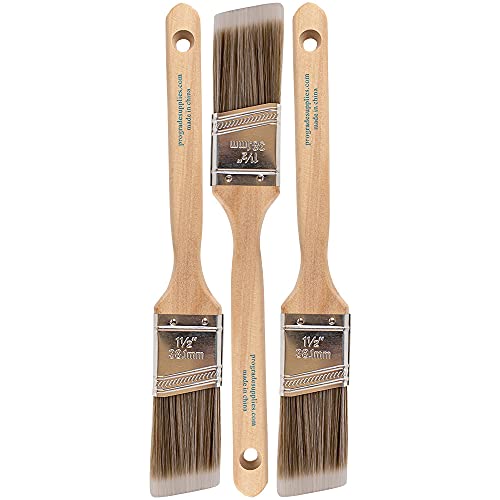
Pro Grade Angled Paint Brushes, 1.5 Inch, 3 Pc

ROLLINGDOG Trim Edging Paint Brush 2PC

BANCOO RSL43 Paint Edge Trimmer with 2 Pads

Bates- Paint Brushes, 6 Pack Angle Brushes
Taking A Closer Look At The Options
Small brushes earn their keep where big ones fail. This three-piece set spans roughly 5/8 inch to 1 inch of width, which puts narrow window mullions, hinge plates, and chair-rail detail within clean reach. The tapered bristle tips are what matter here: they hold a crisp line instead of splaying paint onto the wall.
Compared with the larger Wooster pick later in this list, these trade coverage for control. That’s the right trade for furniture refinishing, cabinet touch-ups, and any job where a mistake costs more than time.
Strong Points
- Three graduated widths let you match brush size to the trim piece instead of forcing one tool everywhere
- Fine-tipped filaments lay paint smoothly, so fewer visible strokes show up on glossy trim enamel
- Comfortable grip handles help during longer sessions, like repainting every door in a hallway
A Few Limitations
- Narrow heads make slow work of long baseboards; owners commonly report switching to a wider brush for those runs
The Right Fit
Suited to careful DIYers tackling cabinetry, furniture, and intricate trim where precision beats speed.
Where A Sibling Pick Shines
For full-wall cutting in, the Bates 6-pack angle set covers far more area per pass.
An angle sash brush is the classic cut-in tool, meaning its bristles slope diagonally so the tip paints the line while the body stays off the adjoining surface. Wooster’s Shortcut takes that idea further with a stubby handle and a flexible purple Shergrip grip that bends slightly under thumb pressure. In tight corners near ceilings or inside closet jambs, that short profile gives your hand room to maneuver where a full-length handle would bump the wall.
The synthetic filament blend works across all paints and water-based stains, and the brass-plated steel ferrule resists rust through repeated washouts. You get three brushes per pack, enough to dedicate one per color on a multi-room project.
The Case For It
- Flexible rubberized grip reduces hand fatigue during long ceiling lines
- Synthetic blend suits latex, oil-based coatings, and water-based stains without swapping tools
- Three-pack pricing makes spares affordable, so a dried-out brush never stalls a job day
Things To Consider
- The short handle trades leverage for compactness; some painters find long, open stretches slower
- Synthetic filaments need prompt rinsing or paint hardens near the ferrule
Feature Snapshot
Who Will Love This
Renters and homeowners who repaint rooms regularly and want a proven professional pattern.
Another Choice May Suit
Detail-focused painters working small hardware and moldings will get more use from the Bates trim set above.
Where the Wooster favors tight quarters, this Pro Grade trio optimizes for pace. Each brush carries a thick synthetic filament blend that loads up more paint per dip, which means fewer trips back to the can along a long wall-to-ceiling seam. The angled tip thins toward the point, giving you a precise edge despite the generous 1.5-inch width.
Wooden comfort-grip handles round out the design, and the set is rated for interior and exterior work alike. For a first apartment repaint or a whole-house refresh on a budget, this is the sensible middle path.
The Helpful Details
- Dense filament blend holds extra paint, cutting reload stops noticeably on long edges
- Tapered tips sharpen the cut-in line even at a wider 1.5-inch footprint
- Suitable inside and out, so one set handles fences, shutters, and interior trim
Points To Note
- Wooden handles can swell slightly after soaking; wipe them dry rather than leaving brushes standing in water
- All three brushes share one width, so very narrow details still need a smaller tool
Key Specs
Right Fit For
Budget-minded DIYers painting full rooms who want dependable edges without premium-brush spending.
Swap It Out When
Anyone needing multiple widths should step down the list to the Bates 6-pack angle assortment.
Most edging brushes are rectangles. ROLLINGDOG breaks the mold with two shaped heads: a four-sided square block around 22mm per side, and a three-sided triangle closer to 24mm. Those geometry choices sound gimmicky until you’re painting crown molding returns or stair-stringer corners, where rotating the head presents a fresh flat face without reloading.
Each head uses solid round tapered filament that converges to an angular tip, and the seamless aluminum ferrules shed less paint than crimped designs tend to. Short ergonomic rubber-gripped handles include a hanging hole apiece, which keeps drying brushes organized between coats.
A Favorable Mix
- Two distinct head shapes cover both broad trim faces and sharp internal corners
- Solid round tapered filament holds a chiseled edge for cleaner cut-ins
- Seamless aluminum ferrule construction cleans out easily and resists paint buildup
- Hang holes simplify storage and drip-drying after cleanup
Small Caveats
- Compact heads suit detail work; wide-open wall seams go faster with the Pro Grade 1.5-inch brushes
- Unfamiliar shapes take a coat or two before your wrist learns the rotation habit
Quick Facts
Made For
Hobbyists and finish-work fans who enjoy molding, wainscoting, and furniture projects with lots of angles.
Look Elsewhere When
Speed-driven painters facing acres of straight wall edge will prefer the BANCOO pad trimmer next.
This one isn’t a brush at all. It’s a pad applicator with guide wheels that ride along the ceiling, baseboard, or door casing while the pad lays paint beside them. The wheels act like training wheels for your cut-in line, keeping it straight even if your brush technique never improved past year one.
BANCOO refined the wheel mounting so it stays attached during use, a common failure point on cheaper edgers. The handle rotates universally, left to right and up and down, letting you hold a natural wrist angle whether trimming above a doorway or along the floor. Two replacement pads come included.
Bright Spots
- Guide wheels produce sharp lines along ceilings, baseboards, windows, doors, and moldings with minimal practice
- Reinforced wheel mount addresses the detachment problem widely reported on budget edgers
- Rotating universal handle adapts to awkward angles without contorting your arm
- Spare pads extend usable life before any refill purchase
Worth Noting
- Pads need thorough rinsing right after each session or dried paint ruins the nap
- Curved or irregular trim defeats the wheels; brushes handle those better
Details At A Glance
Who Should Grab It
First-time painters and anyone with long, straight edges and little patience for brushwork.
Not Your Match When
Detailed molding and corner work call for the ROLLINGDOG shaped-head pair reviewed earlier.
Six brushes sounds excessive until a project demands it. This Bates assortment spans 1, 1.5, and 2 inches, all with angled edges, so a single kit handles cutting in walls, coating baseboards, and touching up window frames without rinsing mid-task to swap widths. Every angled edge serves the same purpose described earlier with the Wooster: the sloped tip paints the boundary while the body keeps clear of adjacent surfaces.
The wooden handles feel traditional in the hand, and the bristle stock takes latex paints, varnishes, and stains alike. Compared with the three-piece trim set from the same brand, this pack skews larger and broader, making the two genuinely complementary rather than redundant.
Where It Helps
- Three widths across six pieces mean a clean spare is always dry when you need it
- Angled tips reach tight corners and cut in cleanly along ceilings and trim
- Works with paints, varnishes, and stains, covering furniture and wall tasks in one kit
Trade Offs
- No brush narrower than 1 inch, so fine hardware detail still requires the smaller Bates trim trio
- Wooden handles need drying after washing to avoid loosening over time
Who It Suits Best
Homeowners furnishing their first complete toolkit for whole-room repaints and seasonal touch-ups.
Skip It When
Painters wanting one high-end daily driver may find the Wooster Shortcut more satisfying per stroke.
What Matters Most Before Choosing Brushes For Paint Edges
Match The Width To The Job
Narrow brushes under 1 inch give you control but crawl along long seams. Wider heads cover ground quickly yet demand steadier hands. Most households land comfortably with a 1.5-inch angled brush as the default, adding smaller sizes only for detail-heavy trim.
Filament Type And Your Paint
Synthetic filaments, usually nylon or polyester blends, pair well with water-based latex paints because they don’t absorb water and lose shape. Natural bristle suits oil-based products. Buying against that grain leads to limp bristles and streaky edges within minutes.
Handle Shape Changes Everything
Short, rubbery grips shine in closets, stairwells, and above-door reaches where swing room is scarce. Full-length wooden handles offer leverage on open walls. Consider where your worst edges actually live before committing.
Brushes Versus Pad Edgers
Wheeled pad tools trade finesse for consistency on straight runs. They excel on ceilings and baseboards but struggle around curves, and pads need immediate cleaning. Many painters keep both: a pad for the long haul, a brush for everything else.
Key Considerations Across These Picks
Mistakes Worth Dodging
The classic error is buying one do-everything brush and fighting it on every surface. Another is skipping the filament check, then wondering why latex paint turned natural bristles to noodles. Read the compatibility note before checkout, not after the first washout.
The Upgrade Payoff
Higher-tier brushes justify cost through denser filament loading, better-shaped tips, and ferrules that survive dozens of cleanings. Over years of weekend projects, a quality brush that keeps its edge costs less per use than replacing bargain brushes each season.
Frequently Asked Questions
What size brush works best for cutting in edges?
A 1.5-inch angled sash brush handles most wall-to-ceiling and wall-to-trim lines. Drop to 1 inch or smaller for window mullions and narrow moldings.
Can I use the same brush for latex and oil-based paint?
Synthetic-filament brushes tolerate both, though they perform best with water-based products. Dedicated natural-bristle brushes remain preferable for oil-based coatings.
How do I keep a sharp edge on my brush?
Rinse promptly after each session and reshape the tip while damp, then hang or store it flat. Letting paint cure near the ferrule permanently stiffens the line.
Are paint edger pads easier than brushes?
For long straight runs, yes, the guide wheels do the steering for you. Curves, corners, and textured trim still belong to a brush.
How many brushes does a typical room need?
Two is practical: one for cutting in, one for detail or backup. Multi-color projects benefit from a third so you’re not rinsing between shades.
Wrap Up
Sharp edges come from matching the tool to the task, not from a steadier hand alone. Start with a versatile angled set like the Bates 6-pack, add the BANCOO pad trimmer for long ceiling runs, and keep something small on hand for hardware-level detail. Whichever direction fits your next project, each option here earns its place for a specific kind of painter. Choose the one that matches your walls, not someone else’s checklist.
