
Baseboard work punishes the wrong brush. Too wide and you slop paint onto the carpet, too stiff and the finish goes streaky along the shoe molding. This roundup sorts seven options by width, bristle behavior, and price tier so you can match the tool to the room you’re repainting this weekend.
A Side-By-Side Look

Bates- Trim Paint Brush, 3 pcs

Coltree Flat & Angle Paintbrushes for Wall & Trim, 5 Pcs

Genixart Double Thick Chip Paint Brush, 3 Inch
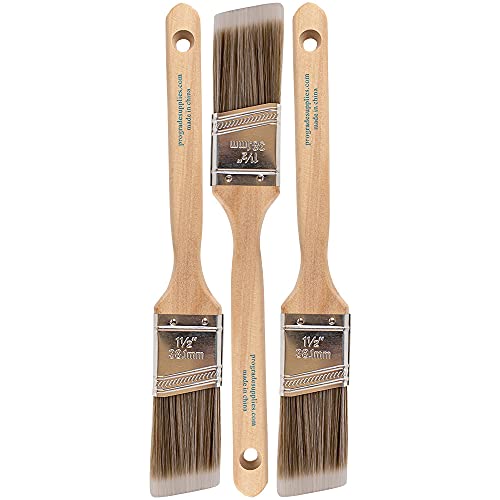
Pro Grade Angled Paint Brushes, 1.5 Inch, 3 Pc

Zibra Square Detail Paint Brush, 1-inch

ROLLINGDOG Trim Edging Paint Brush, 2PC

Pro Grade Angle Paint Brush, 2.5 Inch, 12 Pack
The Details Behind The Selections
Trim painting lives or dies on brush width, and this Bates set hands you all three of the useful ones: 5/8 inch for hairline gaps, 3/4 inch for standard casing, and a full inch where the run opens up. That progression matters when you’re working baseboards that meet door frames, since one brush rarely fits every transition.
Each brush carries finely tapered ends meant to lay paint smooth instead of leaving ridges, which is what separates trim work from slapping color on a wall. Grips are shaped for longer sessions, so your hand won’t cramp halfway down a hallway.
A Few Highlights
- Three graduated widths cover nearly every baseboard profile without switching tools mid-stroke
- Fine-tipped bristles help you feather edges cleanly against flooring
- Comfortable handles reduce fatigue during long detail passes
- A single purchase replaces buying individual trim brushes piecemeal
Things To Consider
- Small heads mean slow coverage on long, straight runs; owners commonly report these shine on detail rather than speed
Key Specs
Who It Suits Best
DIYers tackling detailed trim, casings, and touch-up work who value precision over raw coverage speed.
Where A Sibling Pick Shines
For faster wall-and-trim coverage in the same session, the Coltree 5-piece set gives you wider flat and angle options.
Where the Bates trio stays small and surgical, this Coltree kit stretches from a 1-inch flat up to a 2.5-inch angle, letting one purchase handle the entire repaint cycle: cut-in, field, then trim. Five brushes also means a clean spare while the first one dries after washing.
The thick bristle load holds noticeably more paint per dip, so you spend fewer trips back to the tray. Compatibility spans oil-based and water-based formulas plus stains, which matters if you’re refreshing stained baseboards alongside painted walls.
The Case For It
- Five sizes, including three angle profiles, suit everything from edging to broad panels
- Dense bristles carry more paint, cutting reload stops roughly in half on long runs
- Works with both oil and latex products, so no separate brush stash needed
- Soft filaments resist shedding, keeping stray hairs out of your finish
Worth Noting
- Larger heads feel clumsy inside very narrow reveals; the Zibra below handles those better
- Thick bristle packs need thorough cleaning after latex use or they stiffen between coats
At A Glance
Made For
Homeowners repainting whole rooms who want one versatile kit rather than separate trim-only brushes.
Another Choice May Suit
Detail-focused painters working only baseboards may prefer the smaller Bates three-piece set for tighter control.
Chip brushes exist to be used hard and tossed, and this Genixart version embraces that role at 3 inches wide with a double-thick bristle body. The extra density soaks up stain and varnish generously, which is why painters reach for chip brushes on fences, limewash, masonry, and paste work before anything delicate.
On baseboards specifically, treat it as your rough-coat tool: laying stain on bare wood or primer on scuffed surfaces where a pristine finish isn’t the goal yet. Once the fine topcoat stage arrives, switch to one of the precision picks above.
Advantages To Know
- Double-thick bristle mass absorbs heavy loads of stain or varnish in one dip
- Wide 3-inch face speeds up large, forgiving surfaces
- Low cost makes disposal after messy solvent jobs painless
- Doubles as a paste, limewash, or masonry applicator around the house
Small Caveats
- Chip-bristle construction commonly sheds slightly during first use, so expect minor picking-out on visible finishes
- Not designed for crisp cut-in lines against finished flooring
Right Fit For
Weekend painters staining raw baseboards or prepping surfaces who want a cheap, expendable applicator.
Reach For A Different Pick When
Final-coat precision matters most, the Pro Grade 1.5-inch angled set delivers far cleaner edges.
An angle sash brush is the classic baseboard tool for good reason: the slanted tip lets you steer a clean line right up against carpet or tile without masking tape everywhere. Pro Grade sells this exact profile in a three-pack at 1.5 inches, the sweet-spot width for typical residential trim.
The synthetic filament blend runs thick through the belly and tapers thin at the tip, holding a solid paint charge while still snapping to a point. Wooden comfort-grip handles keep your wrist neutral during overhead or floor-level passes, both common in baseboard work.
Benefits That Matter
- Angled tips track straight lines along baseboards with minimal bleed onto floors
- Thick synthetic blend loads heavily, reducing streaks and reload frequency
- Wooden comfort grips ease strain during crouched, extended sessions
- Three identical brushes let one dry while the next coat goes on
Points To Note
- Single-size pack means no narrower option for tight inside corners
- Synthetic filaments can splay over time if brushes sit loaded in paint between passes
Quick Facts
Who Will Love This
Serious DIYers and landlords doing repeated cut-in work who want pro-style tools without pro-store prices.
Skip It When
You need bulk volume for a full-house job, the 12-pack version of the same Pro Grade brush below costs less per unit.
Most trim brushes end in a chisel point; this Zibra takes a different route with a square-cut, four-sided head at just 1 inch. Each flat side acts like its own straightedge, which is how it pulls razor-sharp lines along window trim, narrow molding, and furniture edges where a conventional angle brush wanders.
Zibra builds these with an aluminum-reinforced construction aimed at longevity, and the bristles tolerate every paint and stain type you’re likely to run. Compared with the Pro Grade angled set reviewed earlier, this one trades coverage width for line quality, and that’s a fair trade on ornate or narrow profiles.
Where It Excels
- Square four-sided tip produces crisp, long lines on narrow trim and windows
- Compatible with all paint and stain formulations
- Aluminum-backed build resists the wear cheaper detail brushes suffer
- Doubles as an artist-quality tool for murals and furniture refinishing
Honest Caveats
- At 1 inch wide, covering long baseboard runs becomes tedious; pair it with a wider partner brush
- The square edge needs careful rinsing and reshaping after use or the crisp profile degrades
Product Snapshot
The Right Fit
Craft-minded painters finishing window casings, chair rails, and furniture who prize line sharpness above speed.
A Better Fit Elsewhere
Speed-focused painters covering miles of plain baseboard will get more done with the ROLLINGDOG two-piece edging kit.
ROLLINGDOG approaches trim brushes like industrial designers rather than traditionalists. Both pieces here use seamless aluminum ferrules and stubby rubber-gripped handles sized for close, controlled strokes, the kind of grip you want when kneeling along a baseboard with your nose a foot from the wood.
The pair splits into a square four-sided head (22mm sides) and a triangular three-sided head (24mm sides), both built from solid round-tapered filament that converges to an angular tip. That geometry gives you two distinct edge personalities: the square for straight runs, the triangle for corners and transitions. Hanging holes in each handle make drying storage simple.
A Strong Showing
- Two complementary head shapes cover straight edging and corner work in one kit
- Round-tapered filaments come to a fine angular point for controlled lines
- Rubberized short handles give a secure, fatigue-friendly grip near the floor
- Seamless ferrules eliminate the snag points cheaper glued brushes develop
Trade Offs
- Compact heads move little paint per pass, so large rooms take longer than with the Pro Grade 12-pack
Whose Shelf It Belongs On
Detail-oriented renters and apartment dwellers doing careful edging in smaller spaces, one room at a time.
Swap It Out When
Whole-home repaints call for volume, the Pro Grade 2.5-inch 12-pack keeps a fresh brush always within reach.
This is the bulk-buy version of the Pro Grade philosophy: twelve 2.5-inch angle brushes built for cutting in walls against trim, the step that precedes baseboard painting on almost every job. The wider face covers more linear footage per stroke than the 1.5-inch trio earlier in this list, at the cost of some finesse in tight spots.
Same thick synthetic filament blend, same wooden comfort-grip handles, same thinner-tipped precision at the leading edge. With a dozen on hand, you can dedicate brushes to specific colors or rooms and never pause mid-project waiting for a rinse to dry.
The Helpful Details
- Twelve brushes support multi-room projects without cleanup bottlenecks
- 2.5-inch angled profile speeds up wall-to-trim cut-in lines considerably
- High-capacity filaments mean fewer streaks and fewer tray trips
- Comfort-grip wooden handles stay comfortable across full working days
Potential Drawbacks
- One size only; you’ll still need a narrow detail brush for inside corners and tight reveals
- Storage space for a dozen brushes is real, plan a drawer or bin before ordering
The Numbers That Matter
Built With In Mind
Contractors, flippers, and ambitious homeowners repainting several rooms who burn through brushes regularly.
Consider Something Else When
Your project is a single bathroom refresh, the three-pack Pro Grade 1.5-inch set avoids leftover surplus.
What Actually Matters Before You Buy
Width Beats Everything Else
Baseboard height and adjacent flooring decide your ideal brush width. Standard 3-to-5-inch baseboards pair well with 1.5-inch angle sashes, while slim modern profiles call for 5/8-inch or 1-inch heads. Buying one size for every situation is the fastest route to sloppy edges.
Filament Type And Paint Formula
Synthetic filaments suit water-based latex, the default for interior trim today, because natural bristle swells and softens in water. Oil-based enamels and stains forgive either type. Match the filament to your can’s label and the brush will release paint evenly instead of dragging.
Grip And Working Posture
Baseboard work happens low, often on your knees, so handle shape affects endurance more than most shoppers expect. Longer handles give leverage from a standing lean; short rubberized grips reward close-up control. Choose based on how you physically work, not on looks.
Disposable Versus Keepable
Chip brushes earn their place on messy prep and stain jobs where cleanup costs more than the tool. Quality synthetics justify their upkeep on finish coats. Most well-stocked kits contain at least one of each.
Key Considerations Across These Picks
Mistakes Worth Dodging
The classic error is buying a single do-it-all width and forcing it into every gap. The second is skipping brush care: dried latex ruins filaments permanently, so rinse immediately after each session. Also resist grabbing the cheapest option for finish coats, shedding bristles embedded in gloss enamel are miserable to fix.
When Paying More Pays Off
Higher-tier brushes invest in denser filament blends, reinforced ferrules, and shaped handles. Those upgrades translate directly into fewer streaks, sharper lines, and longer service life. For one weekend room, budget sets suffice; for recurring projects, the durable options repay themselves quickly.
Frequently Asked Questions
What size brush works best on standard baseboards?
A 1.5-inch angled sash brush handles most residential baseboards cleanly. Narrower 5/8-inch or 1-inch heads take over for slim profiles and tight corners.
Should I use an angled or flat brush for trim?
Angled brushes steer a straighter line against floors and adjacent walls, which reduces bleed. Flat brushes suit broad, open trim faces and stain application.
How do I clean a brush after using latex paint?
Rinse in warm water with mild soap until the water runs clear, then reshape the bristles and hang or lay flat to dry. Prompt cleaning prevents permanent stiffness.
Are cheap chip brushes ever worth using?
Yes, for staining raw wood, applying paste, or priming rough surfaces where the brush will be discarded afterward. Reserve quality brushes for visible finish coats.
How many brushes does a whole-house repaint need?
Plan on at least two or three so one can dry while another works, ideally one width per trim profile. Bulk packs like the Pro Grade 12-count remove the bottleneck entirely.
Wrap Up
Baseboards reward the right width in the right hand, and there’s no single answer for every home. Start with the Bates trio for detail work, add the Pro Grade angled set for serious cut-ins, and keep a Genixart chip brush around for messy prep. Match the tool to the room, clean it promptly, and your trim lines will show the difference.
