
Painting a door sounds easy until you see every lap mark in afternoon light. The right brush is what separates a flat, even coat from a streaky weekend of touch-ups, whether you’re refreshing an entry door, refinishing interior panels, or cutting in around hinges. This roundup covers seven options built for trim and door work, from budget multi-packs to a compact sash brush pros reach for. Each section breaks down where a brush earns its keep, where it falls short, and who should actually buy it.
The Lineup, Simplified

Bates Trim Paint Brush Set, 3 pcs

Coltree Flat & Angle Paintbrushes, 5 Pcs

Pro Grade 3 Inch Angled Paint Brush, 2 Pack

Genixart Double Thick Chip Paint Brush, 3 Inch

Wooster Q3211-2 Shortcut Angle Sash Paintbrush
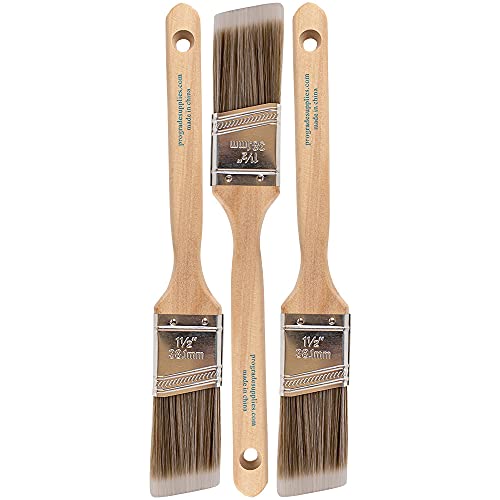
Pro Grade 1.5 Inch Angled Paint Brushes, 3 Pc

ROLLINGDOG Trim Edging Paint Brush, 2PC
The Details Behind The Selections
A door is full of awkward spots: hinge recesses, panel bevels, that narrow strip beside the jamb. Bates addresses all three with graduated widths, roughly 5/8 inch, 3/4 inch, and 1 inch, so you always have a bristle footprint matched to the gap you’re filling.
The tapered tips are the real draw here. Fine points let paint settle into corners without flooding adjacent surfaces, which matters most on paneled six-panel doors where sloppy lines show immediately.
Reasons It Performs
- Three distinct widths cover everything from screw heads to stile edges without swapping tools mid-stroke.
- Tapered bristle ends help you lay a clean line along raised panel borders.
- Comfortable grip handles make longer sessions on multiple doors less tiring.
Things To Consider
- Narrow brushes load little paint per dip, so large flat faces will feel slow compared to a wider option like the Pro Grade 3-inch below.
- Owners commonly report rinsing these thoroughly after water-based coats to keep tips from stiffening between uses.
Who It Suits Best
A first-time painter tackling one or two interior doors who wants affordable precision rather than coverage speed.
A Better Fit Elsewhere
Repainting a whole hallway of doors goes faster with the Coltree five-piece set, whose wider flats handle broad stiles and rails.
Where the Bates set specializes, Coltree generalizes. Five brushes span 1-inch flat through 2.5-inch angle, giving you both the broad flats for door faces and the angled sashes for cutting in where a door meets casing. One kit can plausibly finish a door and its frame in a single session.
The thick bristle body holds a generous paint load, meaning fewer trips back to the can and a wetter edge that levels out before it skins over. That’s the difference between a smooth coat and visible lap lines on a sunlit front door.
Standout Benefits
- Five sizes, including three angles, let you match brush to task instead of forcing one tool everywhere.
- Dense filaments carry more paint per stroke, cutting down on dips and streaks across wide rails.
- Works with oil and water-based paints plus stains, so one set serves several projects.
- Soft bristles resist shedding, sparing you the annoyance of picking hairs out of drying enamel.
Worth Bearing In Mind
- Five brushes mean five cleanups after each session, a chore some owners find tedious after a long day of painting.
At A Glance
Right Fit For
DIYers repainting several doors and their surrounding trim in one project who want a single purchase to do it all.
Where Another Pick Suits Better
Detail obsessives working tight panel grooves may prefer the ROLLINGDOG edging pair later in this list, whose sculpted heads track corners more precisely.
Flat slab-style doors reward width. Three inches of angled bristle lays down a full rail-to-rail pass in fewer strokes than anything else here, and the two-pack means a backup stays dry while the first brush rests between coats. The wooden comfort-grip handle keeps fatigue down during long vertical work on entry doors.
Unlike the smaller Bates set, this is a coverage tool first. The synthetic filament blend loads heavily and its thinned-out tips still let you feather edges when needed.
Features That Help
- The 3-inch head cuts painting time on large flat surfaces dramatically compared to 1-inch trim brushes.
- Thick synthetic filaments hold more paint, reducing streaks and reload trips.
- Tapered tips give enough precision for careful edge work despite the wide body.
- Two brushes let you alternate while one dries, handy with fast-curing enamels.
Small Caveats
- Three inches is clumsy inside narrow panel reveals, so pair it with something slimmer for recessed designs.
- Synthetic bristles can splay over time with harsh cleaning; owners report gentle soap-and-water rinses extend usable life.
Quick Facts
Best Suited To
Anyone refinishing flush or paneled front doors quickly who values coverage speed over fine detailing.
Consider Something Else When
Tight interior closets and bifold doors are better served by the Wooster Shortcut, whose stubby handle fits cramped frames.
This one plays a different game entirely. Chip brushes are meant to be used hard and tossed, which makes them the sensible choice for messy jobs like staining an exterior door, applying limewash, or spreading paste and varnish where cleanup would ruin a good brush anyway. The double-thick bristle body soaks up a lot of product in one dip.
Think of it as the disposable glove of your paint kit: cheap enough not to mourn, capable enough for the rough stuff. Compared to the Pro Grade above, expect a rougher finish and zero pretense at precision.
Notable Gains
- Double-thick bristles absorb heavy loads of stain or varnish, speeding up coarse surface work.
- Low cost removes the anxiety of ruining a nice brush on sticky oil finishes.
- Versatile across varnish, masonry coatings, limewash, and paste applications beyond doors.
Points To Note
- Expect some bristle loss on first use; a quick flex and shake before starting keeps stray hairs off your door.
- Not built for crisp cut-in lines, so keep a finer brush nearby for edges.
- Single-brush packaging means reordering for bigger jobs, unlike the multipacks elsewhere here.
Whose Shelf It Belongs On
Weekend refinishers staining shed doors, fences, or garage doors who’d rather toss a brush than scrub one.
Look Elsewhere When
For smooth interior enamel work, the Coltree set delivers a far cleaner finish worth the extra care.
The shortcut name tells the story: a shortened handle that puts your hand close to the bristles. On door work that translates to unusual control around hinges, latches, and the tight reveal where a door sits in its frame. Wooster is a legacy brand in this space, and the Q3211 shows why pros keep one clipped to a belt.
You get three brushes per pack, all 2-inch angle sashes with a flexible purple Shergrip handle and a brass-plated steel ferrule holding the bristles in place.
The Good Stuff
- Stubby handle offers fingertip-level steering in tight jambs and around hardware.
- Shergrip material stays comfortable and flexible during long overhead or crouched work.
- Synthetic blend suits all paints and water-based stains, from latex to enamel.
- Brass-plated steel ferrule resists rust better than plain tin once brushes get washed repeatedly.
Trade Offs
- The short handle sacrifices reach, so tall door tops call for a stepladder position change more often.
Feature Snapshot
Perfect Match For
Detail-minded painters doing interior doors in occupied homes where precision matters more than raw speed.
Not Your Match When
Large blank door faces go much faster with the wider Pro Grade 3-inch angled brush reviewed earlier.
If the 3-inch Pro Grade is the coverage specialist, this 1.5-inch sibling is the precision partner. The narrower angled profile is the classic cut-in size: wide enough to move along a door edge briskly, slim enough to hold a line against painted casing without masking tape drama. Three brushes in the pack cover interior and exterior work alike.
Build matches its bigger brother, with the same wooden comfort-grip handle and thick synthetic filaments tapering to finer tips for touch-up work.
Bright Spots
- The 1.5-inch angle traces clean boundaries between door color and frame color.
- Same heavy-load synthetic blend as the 3-inch version, so finish quality stays consistent across the family.
- Wooden comfort-grip handles stay secure in hand even during slow, careful edge passes.
- Three-pack pricing makes replacing worn brushes painless over a season of projects.
Honest Caveats
- One width only; owners often end up adding a wider flat for door faces anyway.
- Synthetic tips can flatten with aggressive solvent soaking, so stick to recommended cleaning methods.
Core Details
Built With In Mind
Rental refreshers and serial DIY painters who spend more time cutting edges than filling faces.
Another Choice May Suit
First-timers wanting multiple sizes in one box will get more flexibility from the Bates three-piece starter set.
Nothing else in this list looks like the ROLLINGDOG pair. Instead of traditional flat profiles, you get sculpted heads: a four-sided square block with 22mm faces and a three-sided triangular head at 24mm per side, both machined from solid round tapered filament that converges to an angular point. The geometry lets you roll the brush to present a fresh edge without reloading.
Ergonomic rubber-gripped short handles, each with a hanging hole for storage, round out a package clearly designed by people who hate fatigued hands.
The Value In It
- Multi-sided heads offer several working edges per dip, extending painting time between reloads.
- Solid round tapered filament comes to a sharp point, ideal for razor-straight cut-ins on door casings.
- Seamless aluminum ferrules eliminate the crevice where paint usually crusts and sheds.
- Rubberized short handles with hanging holes store neatly and reduce grip strain.
Room For Improvement
- The unconventional shape takes a session or two to master, so results improve with practice.
- Two specialized brushes won’t replace a general flat; pair them with the Coltree set for full coverage.
Key Specs
The Right Fit
Picky painters chasing showroom-sharp lines on paneled doors and detailed millwork.
Reach For A Different Pick When
Broad, simple door slabs are quicker work for the Genixart 3-inch chip brush at a fraction of the fuss.
What Actually Matters Before You Buy
Bristle Type Comes First
Synthetic filaments handle modern water-based paints best because they don’t swell or soften in water the way natural bristle does. Natural hair still has fans for oil enamels, but most door projects today use latex or hybrid enamel, making synthetics the safer default. Match the filament to your paint before worrying about brand names.
Width Should Follow the Job
A 3-inch brush empties a flat door face in minutes but turns clumsy inside panel grooves. Narrow brushes under 1 inch trace hardware and recesses beautifully yet crawl across open areas. Most door projects genuinely need two widths, which is why half the products here ship as sets rather than singles.
Handle Length Changes Control
Standard-length handles give leverage for long vertical strokes, while stubby designs like the Wooster Shortcut trade reach for fingertip precision around hinges. Consider where your hands actually sit while painting a hung door versus one laid flat on sawhorses.
Care Decides Longevity
A good synthetic brush survives dozens of projects with prompt warm-water rinses and proper reshaping. Letting paint dry in the ferrule, the metal band binding the bristles, is the fastest way to ruin any brush on this list regardless of price.
Key Considerations Across These Picks
Mistakes Worth Dodging
The most common slip is buying one brush for an entire door project, then fighting it in spots it was never shaped for. Grab a set or pair a wide flat with a narrow angle instead. Second mistake: skipping bristle prep. Flexing new brushes and removing loose hairs before the first dip prevents fuzzy finishes.
Where The Extra Money Goes
Pricier brushes buy denser filament packing, seamless ferrules, and ergonomic handles. Those upgrades translate directly into fewer streaks, less shedding, and less hand fatigue on multi-door jobs. For a single closet door, budget picks do fine; for a whole house of doors, premium construction pays itself back in saved hours.
Frequently Asked Questions
What size brush works best for painting doors?
A 2 to 3-inch angled brush covers flat faces efficiently. Keep a 1 to 1.5-inch angle handy for panel grooves and edges.
Should I paint a door on or off its hinges?
Removing the door and laying it flat gives the smoothest finish and easiest access. Painting in place works too, just use a shorter brush around the hinges.
Do I need different brushes for latex and oil paint?
Synthetic bristles handle both, though they excel with water-based paints. Dedicated natural bristle remains popular for traditional oil enamels.
How do I stop brush marks on a door?
Load the brush well, work in long light strokes, and maintain a wet edge so each pass blends into the last. Quality filaments that release paint evenly help considerably.
How should I clean brushes after painting?
Rinse synthetics in warm soapy water until clear, reshape the tip, and hang or lay flat to dry. Never let paint cure inside the ferrule.
Bottom Line
Your door deserves a brush matched to its shape, not a single compromise tool. Pairing a wide angled brush for faces with a narrow one for edges covers nearly every scenario here, and the sets from Coltree and Pro Grade make that pairing effortless. Start with the job in front of you, match the width and filament to it, and the finish will follow.
