
Staining a deck by hand is slow work, and the wrong brush makes it slower. A wide, stain-hungry applicator can cut a weekend job down to an afternoon, while a narrow chip brush handles the rails and corners a big block brush can’t reach. This list covers both ends of that spectrum, from pole-ready seven-inch blocks to disposable chip brushes. Whether your deck is fresh cedar or weathered pressure-treated pine, one of these seven will match the job.
An Overview Of The Picks

Foxtrot Deck Stain Brush 7-Inch

Genixart Double Thick Chip Paint Brush 3 Inch

Precision Defined 7-Inch Limewash Deck Stain Brush


Mitclear Deck Stain Brush Applicator 59IN

Bates- Deck Stain Brush Applicator 7.5 Inch
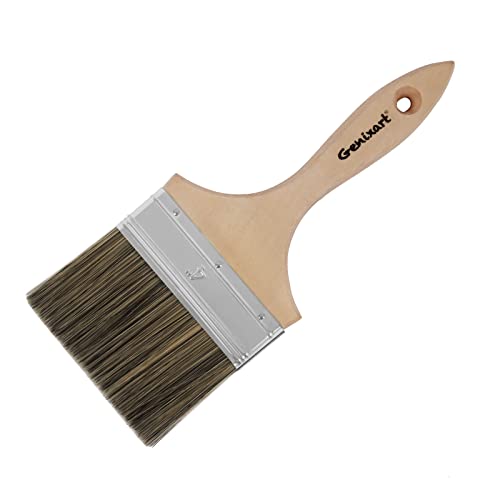
Genixart Double Thick Chip Paint Brush 4 Inch
The Strengths Of Each Pick
A seven-inch block brush covers ground fast, and this one screws onto any standard extension pole so you can stain floorboards standing up instead of crawling on your knees. That single design choice matters most on a large deck, where bending over for hours is what turns a Saturday project into a Sunday one.
The wide head suits open boards, and it also works on concrete and limewash finishes, so it earns its keep beyond a single season. Compared to the Magimate below, its block is slimmer at roughly half the thickness, which trades some stain capacity for lighter handling overhead.
The Helpful Details
- Screws onto standard extension poles, saving your back on long floor runs
- Seven-inch width lays down fast, even passes across full boards
- Handles stains, sealers, and limewash, not just one coating type
- Works on wood and concrete surfaces alike
- Lightweight block stays manageable through a full afternoon session
Things To Consider
- Narrow gaps between boards still need a smaller detail brush alongside it
- Thorough cleaning after oil-based stain takes patience if you plan to reuse it
Who It Suits Best
DIYers tackling full deck floors who want pole-mounted speed without buying a separate applicator system.
Where A Sibling Pick Shines
For tighter corners and handrails, the Precision Defined limewash brush offers denser bristles that reach awkward spots more cleanly.
Chip brushes are the workhorses nobody praises and everybody uses. This three-inch version carries a double-thick bristle pack, meaning more filament packed into the ferrule, which holds noticeably more stain per dip than a standard single-thick chip brush.
Treat it as a consumable rather than a keeper. It suits fence pickets, stair stringers, and cut ends where cleanup isn’t worth the effort, and owners commonly report tossing it after oil-based jobs. Against the Foxtrot block above, it’s the opposite philosophy: cheap enough to discard, small enough for edges.
Reasons It Performs
- Double-thick filament holds extra stain, cutting reload trips
- Three-inch flat profile fits fence slats and board edges
- Inexpensive enough to use once and bin without guilt
- Versatile across varnish, masonry coatings, and paste products too
Small Caveats
- Bristle shedding is a known trait of economy chip brushes, so expect occasional strays in the finish
- Not built for repeated washing and reuse
- Too narrow for efficient coverage of large deck floors
Quick Facts
Right Fit For
Fence painters and budget-conscious DIYers who need a reliable edge brush they won’t cry over discarding.
Skip It When
You’re coating a full deck floor; the Mitclear applicator’s seven-inch head and long handle will finish the job far faster.
This is the brush you want in hand when the easy part of the deck is done. Its super-dense bristle pack soaks up a heavy load of stain or sealer and releases it evenly, which matters most on vertical faces like handrails where drips ruin the look. The name says limewash, but it handles paints and penetrating sealers just as well.
Where the Foxtrot excels on flat floors, this one earns its badge on the fiddly stuff: baluster bases, riser undersides, and inside corners. You may find the dense block slightly heavier in hand than thinner applicators, though most users consider that fair payment for the coverage it delivers per stroke.
Points In Its Favor
- Exceptionally thick bristles hold a heavy stain load per dip
- Reaches corners, rails, and deck undersides finer tools miss
- Universal across paints, stains, and sealers
- Delivers a thick, consistent coat in fewer passes
Points To Note
- Dense block adds some weight during overhead rail work
- Extension pole sold separately, unlike the Mitclear kit
Made For
Detail-focused refinishers who’ve already got a floor applicator and now need precision on rails, corners, and vertical grain.
Another Choice May Suit
First-timers wanting everything in one box should look at the Mitclear kit, which pairs a similar block with its own telescopic handle.
Two inches thick is serious bulk for a stain brush, and that’s exactly the point here. The interlocked synthetic filaments hold a huge charge of brightener, sealer, or stain, letting you flood weathered boards in fewer dips than any slim block can manage. Think of it as a sponge on a stick.
The threaded handle accepts an extension pole or even a broom handle, which keeps you upright while working floors and low walls. Compared to the Foxtrot’s lighter block, this one sacrifices agility for raw carrying capacity, a trade that pays off on thirsty old wood.
Useful Highlights
- Seven-by-two-inch block holds a massive coating charge
- Interlocked filaments spread stain evenly without streaking
- Threaded socket fits extension poles or broom handles
- Handles brighteners and sealers, not just stain
Trade-Offs To Consider
- Heavy when fully loaded, tiring for overhead or extended sessions
- Synthetic filament needs prompt cleaning or it stiffens permanently
At A Glance
Who Should Grab It
Owners of older, dried-out decks whose boards drink stain and demand a high-capacity applicator.
Reach For A Different Pick When
Your priority is light handling on fresh wood; the Foxtrot 7-inch gives you pole compatibility with less weight.
Everything arrives in the box: a seven-inch block brush plus a five-section stainless steel handle that telescopes to 59 inches. No hunting for a compatible pole, no improvising with a broom. For anyone who dreads kneeling on hot boards all day, that’s the whole pitch, and it’s a good one.
The kit also includes a three-inch companion brush for spindles and narrow trim, covering both halves of a typical staining day. Unlike the Precision Defined pick, which assumes you own a pole, this set stands alone. The trade-off is that the included handle tops out shorter than some dedicated extension poles.
What It Does Well
- Five-section stainless pole reaches 59 inches total
- Includes both a 7-inch block and a 3-inch detail brush
- Stand-up posture eliminates knee and back strain
- Complete kit works straight out of the packaging
Honest Caveats
- Maximum reach falls short of longer aftermarket poles
- Multi-section joints need checking for wobble before each use
Feature Snapshot
The Right Fit
Homeowners furnishing their first full staining setup who want one purchase to cover floors and trim alike.
Consider Something Else When
You already own quality poles; the standalone Bates brush pairs with existing gear and adds a cleaning comb.
Half an inch wider than most blocks in this list, the Bates squeezes out a little extra coverage per pass across decks and fences. Its premium synthetic bristles retain more stain than natural fiber equivalents, spreading smoothly and consistently stroke after stroke.
The thoughtful bit is the bundled cleaning comb, a small tool that rakes dried coating out of the filament and extends the brush’s usable life considerably. Repeat stainers know how much gunk builds up along the block edge, so that inclusion is genuinely useful rather than filler.
Useful Touches
- 7.5-inch width adds coverage beyond standard 7-inch blocks
- Synthetic bristles hold and release stain consistently
- Included cleaning comb simplifies post-job maintenance
- Threaded base accepts extension poles for stand-up work
Potential Drawbacks
- Comb helps but doesn’t replace prompt washing after oil-based products
- Pole not included with the brush itself
Core Details
Whose Shelf It Belongs On
Weekend refinishers who stain every year or two and value a tool that cleans up well and lasts several seasons.
Swap It Out When
You want the whole rig in one delivery; the Mitclear kit bundles its own telescopic handle and detail brush.
The bigger sibling of the three-inch Genixart earlier in this list adds a full inch of width, bringing it to four inches across. That extra span narrows the gap between disposable convenience and genuine coverage speed, making it a sensible middle step for lattice panels, gate frames, and fence rails.
Like its sibling, it’s double thick, so the filament pack holds a satisfying charge of varnish, masonry coating, or paste product. The honest read: it’s still a chip brush, so treat it as semi-disposable and keep expectations about bristle longevity modest. For the price of entry, few tools do detail-plus-coverage this flexibly.
Notable Upsides
- Four-inch width balances speed with control
- Double-thick pack loads plenty of coating per dip
- Low cost makes multi-brush projects painless
- Doubles for limewash, paste, and masonry applications
Less Ideal Details
- Sheds occasional bristles into wet finish, a common chip-brush trait
- Not designed for washing and reuse
The Key Facts
Built With In Mind
Cost-conscious DIYers batching small staining jobs across fences, gates, and lattice who’d rather replace than clean.
Look Elsewhere When
Main-floor coverage is the goal; the Magimate’s two-inch-thick block moves stain across decking far more quickly.
What Matters Most Before Choosing Brushes For Staining Deck
Width Versus Control
A wider brush covers flat decking fastest, and seven inches has become the practical ceiling before handling gets clumsy. Narrower heads earn their place on rails, spindles, and board gaps where overflow onto neighboring boards creates blotches. Most successful deck days use both: a block brush for floors, a three-to-four-inch brush for everything else.
Bristle Type And Coating Match
Synthetic filaments suit water-based stains and sealers because they don’t absorb water and swell. Natural bristles traditionally pair with oil-based products. Interlocked or double-thick packs hold more coating per dip, which directly cuts reload trips, the hidden time cost of any staining project.
Handle Options And Posture
Kneeling on deck boards for hours is miserable and avoidable. Threaded sockets that accept extension poles, or kits shipping with telescopic handles, let you stain standing up. Check thread compatibility before assuming your existing pole will fit.
Reusable Or Disposable
Quality block brushes justify cleaning time across multiple seasons, especially with a comb to strip dried residue. Chip brushes flip that equation: cheap enough to toss after sticky oil-based jobs, sparing you solvent cleanup entirely.
Key Considerations Across These Picks
Traps First Timers Fall Into
The classic error is buying one brush for the entire job. A seven-inch block leaves rails and corners looking ragged, and a lone chip brush turns a floor into a week-long ordeal. Pair widths instead. Second trap: skipping the cleaning step on reusable synthetics, which stiffens bristles permanently within days.
What Separates Premium From Basic
Higher-tier applicators spend their extra cost on filament density and block construction. Denser packs carry more stain per dip and release it more evenly, halving reload stops on a large deck. Bundled extras like cleaning combs or included poles add real value. Casual annual users can skip the upgrade; anyone refinishing 500 square feet or more will feel the difference by mid-morning.
Frequently Asked Questions
What size brush works best for staining a deck?
A seven-inch block brush covers floorboards efficiently, paired with a three-inch brush for rails and gaps. That combination handles nearly every residential deck layout.
Can I attach these brushes to any extension pole?
Most threaded-block models fit standard threaded extension poles. Verify thread compatibility on the listing before purchasing, since a few designs vary.
How do I clean a stain brush after use?
Water-based coatings rinse out with warm water and dish soap; oil-based ones need mineral spirits followed by soap. A cleaning comb removes dried buildup near the ferrule.
Are cheap chip brushes worth using for stain?
Yes, for edges, fences, and touch-ups where disposal beats cleanup. Expect occasional bristle shedding and plan around it on visible surfaces.
How long does a quality deck stain brush last?
With thorough cleaning and dry storage, a synthetic block brush commonly serves several seasons of annual restaining before filament wear shows.
Closing Remarks
Match the brush to the surface and the job shrinks dramatically. Block brushes like the Foxtrot and Magimate own the floors, the Precision Defined handles the fiddly parts, and the Genixart chips cover edges without cleanup guilt. Pick the pairing that fits your deck’s size, then let the right tool do the repetitive work.
