
A scuffed baseboard or a chipped door frame doesn’t need a full repaint, just the right tool and ten minutes of patience. That’s where dedicated brushes for touch up paint earn their keep: they hold enough paint to cover a flaw without flooding the surrounding surface. This roundup covers seven options spanning traditional trim brushes, fillable pens, and micro applicators, so you can match the tool to the damage instead of fighting it with a brush that’s too big or too stiff.
The Choices Worth Comparing

Bates- Trim Paint Brush, 3 pcs (5/8”, 3/4”, 1”)

TRUGFONE Touch Up Paint Pen 9Pcs Set 6ML
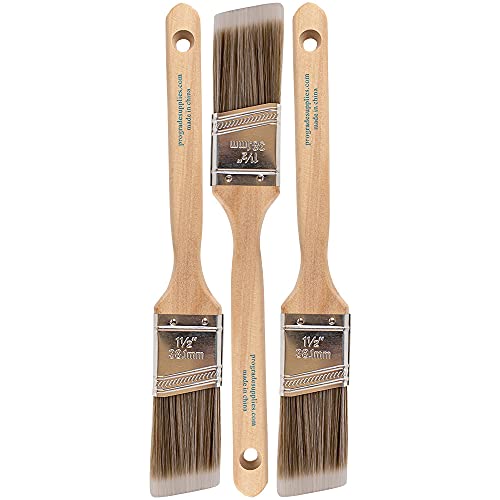
Pro Grade Angled Paint Brushes 1.5 Inch, 3 Pc

GACDR Slant Lining Fitch Trim Brushes Pack of 6

YULOFMVE Fillable Touch Up Paint Pen 3 Pcs

YULOFMVE Fillable Touch Up Pen, 3 Brush Tips
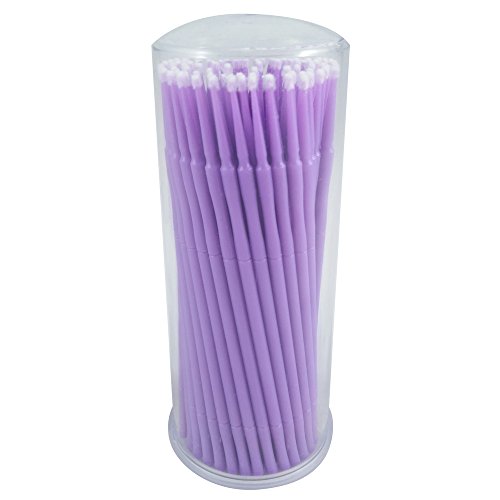
ATLIN Touch Up Paint Brushes 100 Pack 1.5mm
More Details On Our Top Picks
Most touch-up jobs fail because the brush is either too wide to stay inside the line or too narrow to finish quickly. Bates sidesteps both problems by shipping three widths in one pack: a 5/8-inch for hairline scuffs, a 3/4-inch for door edges, and a full inch for wider trim runs. You can work a whole room without swapping tools mid-stroke.
The finely tapered bristle ends are what matter here. They lay paint down smoothly along window mullions and cabinet rails, which is exactly where a coarse brush leaves ridges. Handles are shaped for a comfortable grip, so longer sessions along a staircase railing won’t cramp your hand.
Useful Highlights
- Three graduated sizes cover everything from nail holes to wide baseboards in one purchase.
- Tapered bristle tips help you stay inside the line on trim and molding.
- Ergonomic grips reduce hand fatigue during extended detailing sessions.
- Small heads rinse clean fast, so cleanup takes seconds rather than minutes.
Things To Consider
- These are small-capacity brushes, so big wall patches will feel slow compared with a standard 1.5-inch angled brush.
- Owners commonly report synthetic tips stiffen when paint dries in the ferrule, so wash them promptly after each session.
At A Glance
Who It Suits Best
Renters and homeowners who handle frequent small repairs on trim, doors, and cabinets and want one dependable set rather than a drawer of mismatched brushes.
Where Another Pick Suits Better
For automotive stone chips, the ATLIN 1.5mm micro brushes give you far finer control than any household trim brush can manage.
Where the Bates set is a classic brush, this TRUGFONE kit trades bristles for pens. Each barrel holds 6ml of your own paint and dispenses it through a built-in tip, so there’s no dipping, no dripping down the handle, and no splatter on the skirting you just cleaned. Nine pieces in the set mean you can dedicate separate pens to different rooms or colors.
In practice this format shines on vertical surfaces. Wall scuffs behind doorknobs, marks on stair risers, and chips on window frames all tend to sit where a loaded brush wants to run. A pen lets you meter out tiny amounts right at the flaw. Furniture, cabinets, and wood flooring benefit the same way.
Useful Touches
- Refillable barrels accept your own matched paint for an exact color blend.
- No-drip dispensing keeps surrounding surfaces clean during spot repairs.
- Nine-piece quantity suits multi-room households or several color schemes.
- Works on walls, cabinets, windows, furniture, and floorboards alike.
Worth Noting
- Pen tips demand thinner, well-mixed paint; thick or old paint can clog the nib, so strain leftovers before filling.
- Sealed pens need proper cleaning between fills or dried residue builds up around the tip over time.
Made For
Busy households doing quick cosmetic fixes on walls and trim who value cleanliness and speed over traditional brush feel.
A Better Fit Elsewhere
Wide trim repainting calls for the Pro Grade 1.5-inch angled brushes, which carry far more paint per pass than any 6ml pen.
Step up from the Bates trio and you get real carrying capacity. These 1.5-inch angled brushes use a dense synthetic filament blend that loads more paint per dip, cutting the number of trips back to the can roughly in half on larger patches. An angled sash profile means the thin edge does the precise work while the body moves volume.
This is the pick for touch-ups that aren’t so small anymore: a repainted door face, a patched section of exterior siding, or a full window casing. Wooden comfort-grip handles keep control steady, and the tapered filament ends help the finish go down with fewer visible streaks. Interior and exterior paints both suit these filaments.
Well-Handled Touches
- Thick synthetic blend holds generous paint loads for faster coverage.
- Angled tip gives cleaner lines along trim edges and corners.
- Wooden comfort handles stay secure even with wet hands.
- Suitable for interior and exterior projects, adding versatility.
Trade Offs
- At 1.5 inches wide, these overshoot pinhole chips and nail holes where a smaller head wins.
- Synthetic filaments can splay if left soaking in water, so hang them to dry after washing.
Key Specs
Right Fit For
DIYers tackling medium repair jobs, from repainted doors to exterior trim, who want fewer dips and quicker passes.
Consider Something Else When
Sharp interior corner cut-ins call for the GACDR slant fitch set, whose smaller angled heads trace tighter lines than a 1.5-inch sash.
A lining fitch is a small, firm-bristled brush traditionally used for crisp detail lines, and GACDR leans into that heritage. The six-pack includes two each of 0.5, 0.75, and 1 inch, all with slanted, micro-tipped synthetic bristles engineered for control. Against the Pro Grade’s coverage-first design, this set is precision-first: it’s built to draw a boundary, not flood a wall.
You’ll notice the difference most at ceilings, inside corners, and where two colors meet. The firm tips resist splaying under pressure, and the bristles hold paint well enough to lay a smooth, streak-free bead along the line. Having duplicates of each size also means a dedicated brush per color, which saves tedious rinsing mid-project.
Benefits That Matter
- Slanted micro-tips produce sharp cut-in lines at corners and edges.
- Firm bristles maintain their shape under steady pressure.
- Two of each size lets you assign one brush per color.
- Six-piece quantity covers a full project plus spares.
- Good paint retention supports smooth, even strokes.
Points To Note
- Small heads make broad touch-up areas slow going; pair them with a wider brush for volume work.
- Fine tips need gentle cleaning, since scrubbing the bristles against a sink bottom bends them out of line.
Quick Facts
Who Will Love This
Detail-oriented painters cutting in ceilings, corners, and color boundaries who care more about line quality than speed.
Look Elsewhere When
Quick no-mess wall fixes favor the TRUGFONE pen set, which avoids brushwork entirely on shallow scuffs.
The honest limitation of most touch-up pens is that you’re stuck with whatever flow the nib gives you. YULOFMVE answers that with press-to-control output: squeeze lightly and the soft brush tip releases a measured amount of paint, so a shallow scuff gets a whisper while a deeper chip gets a fuller coat. Three syringes come included for drawing paint straight from your own can.
That last part matters more than anything else here. Because you fill the barrels yourself, the repaired spot blends into the original finish instead of sitting a shade off like pre-filled store pens often do. Walls, trim, ceilings, and doors are all fair game, and the soft tips leave no brush marks behind.
Noteworthy Benefits
- Press-to-control flow lets you dial in exactly how much paint each flaw needs.
- Self-filled barrels deliver a true color match from your existing paint supply.
- Soft brush tips apply smoothly without leaving visible brush strokes.
- Narrow profile reaches tight spots where rollers can’t fit.
A Few Limitations
- Filling via syringe takes a couple of minutes of prep, so this isn’t a grab-and-go option.
- Tips should be flushed after use; dried paint inside the nib is the most common complaint among pen users.
Perfect Match For
Homeowners holding leftover paint from a recent remodel who want invisible repairs in the exact original shade.
Skip It When
You need varied tip shapes for mixed chip sizes, the upgraded three-tip version later in this list handles that better.
Think of this as the previous YULOFMVE pen with its main weakness addressed. Instead of a single tip style, the upgraded kit ships round, wide, and fine brush heads, so a pinpoint nail hole, a long scuff line, and a quarter-sized chip each get the right applicator. The same press-to-control mechanism carries over, giving you metered output regardless of which tip is mounted.
Refillability stays central. The barrels reuse again and again with your own paint, which trims waste compared with repeatedly buying disposable brushes and rollers. One thing worth weighing: managing three loose tips adds a little organization overhead, so keeping them in the original packaging between uses helps.
What Stands Out
- Three tip profiles (round, wide, fine) match different damage types precisely.
- Press-to-control dispensing prevents over-application on delicate spots.
- Reusable barrels reduce waste versus single-use applicators.
- Handles walls, trim, ceilings, and doors with equal ease.
Minor Gripes
- Three separate tips mean more parts to clean and track after each session.
- Very thick paints may still resist smooth flow through the finer tip without thinning.
Core Details
Built With In Mind
Households facing a mix of chip sizes across several rooms who want one adaptable kit instead of separate tools per job.
Swap It Out When
Automotive paint chips need finer points than any household pen offers, which is ATLIN’s territory.
Everything before this point targets house paint. ATLIN plays a different game entirely: 1.5mm micro applicators designed for automotive paint chip repair and hobby detail work. Each brush has a fine point small enough to fill a stone chip on a hood without touching surrounding clearcoat, something no 5/8-inch trim brush can honestly claim.
The disposable format changes how you work, too. Automotive touch-up paint hardens fast, and cleaning solvent out of a good brush after every chip is miserable. With a hundred in the pack, you use one, toss it, and move on. Model builders, gunsmiths, and craft hobbyists put these to similar use on small, exacting applications.
What Makes Sense
- 1.5mm tips place paint inside tiny chips with minimal spread.
- Disposable design eliminates cleanup after solvent-based automotive paints.
- 100-piece supply lasts years of occasional chip repairs.
- Versatile enough for hobbies, models, and crafts beyond cars.
Honest Caveats
- Single-use format generates more waste than a reusable brush, a trade-off worth accepting consciously.
- Micro tips carry almost no paint, so larger scratches need many dips and patient layering.
Feature Snapshot
The Right Fit
Car owners patching road chips and hobbyists needing pinpoint application on small, detailed surfaces.
Reach For A Different Pick When
Interior wall and trim repairs belong with the Bates three-piece set, sized for household paint rather than automotive work.
Choosing Between These Brushes Without Guesswork
Match The Tool To The Damage
Start by sizing up your flaws honestly. Hairline scuffs and nail holes want a pen or a sub-inch brush, while a repainted door section needs the paint-carrying width of a 1.5-inch angled sash. Buying one tool for every job usually means the big brush smears small fixes and the small brush crawls through large ones.
Surface type matters nearly as much. Vertical walls punish overloaded brushes with drips, which is why pen formats have become popular there. Trim and molding reward a firm, angled tip that holds its line.
Bristle Type And Build Quality
Synthetic filaments dominate this category for good reason: they work with both latex and oil-based paints and clean up with soap and water. Firmness matters too, soft tips feather nicely on flat walls but wander on sharp edges. Check that handles feel balanced in your grip, since touch-up work often happens overhead or at awkward angles.
Refillable Versus Disposable
Fillable pens cost more upfront but pay off across repeated use with your own matched paint. Disposable micro brushes flip that equation, trading waste for zero cleanup, which matters most with fast-curing automotive paint. Your choice comes down to how often you’ll reach for the tool.
Key Considerations Across These Picks
Traps First Timers Fall Into
The most common mistake is buying a single brush size and forcing it onto every repair. A close second is skipping the rinse: dried paint in a ferrule ruins a brush permanently, and pen nibs clog the same way. Strain old paint before filling any refillable barrel.
The Case For Spending Up
Higher-tier kits add features that directly affect results: multiple tip geometries, press-controlled flow, or duplicate brushes for separate colors. Those extras save time on every future repair. Occasional users can happily stick with a basic three-pack and lose nothing important.
Frequently Asked Questions
Can I use regular house paint in a touch-up pen?
Yes, fillable pens are designed for your own matched paint. Thin very thick paint slightly and strain out lumps so the nib flows cleanly.
What size brush works best for baseboard scuffs?
A 5/8-inch or 3/4-inch brush gives you control without excess paint. Anything wider tends to overlap onto adjacent surfaces.
How do I keep touch-up brushes from getting stiff?
Wash them immediately after use and hang them to dry rather than resting them on their bristles. Prompt cleaning matters more than any special soap.
Are disposable micro brushes worth it for car chips?
They suit automotive paint well because solvents cure quickly and cleanup is impractical. The throwaway format keeps each application fresh and precise.
Do angled brushes really improve cut-in lines?
The slanted profile puts only the tip’s edge against the boundary, which sharpens the line noticeably. Practice and a light hand contribute just as much.
Wrap Up
Your best match depends on what you’re repairing most often. The Bates trio handles everyday trim work with sensible versatility, the GACDR set rewards detail-focused painters, and the YULOFMVE pens bring genuine color-matching convenience indoors. Car owners should head straight for the ATLIN hundred-pack. Whichever direction fits your walls, doors, or fenders, picking the right size now saves a lot of frustration later.
