
Applying water based polyurethane sounds easy until you drag a cheap brush through a tabletop and watch bubbles and streaks dry right into the grain. Anyone finishing cabinets, trim, furniture, or floors knows the brush matters as much as the finish itself. The right filaments lay the coat thin and smooth; the wrong ones shed hairs into your work and leave lap marks that sanding can barely fix. This roundup sorts six solid options by real job type, so you can match a brush to the piece in front of you instead of guessing at the hardware aisle.
A Fast Comparison Of The Options

Coltree Paint Brushes Set – 5 Pcs Flat & Angle Paintbrushes

Pro Grade 3 Inch Angled Paint Brush, Trim & Stain, 2 Pack

Genixart Double Thick Chip Paint Brush, Wood Stain Brush, 3 Inch
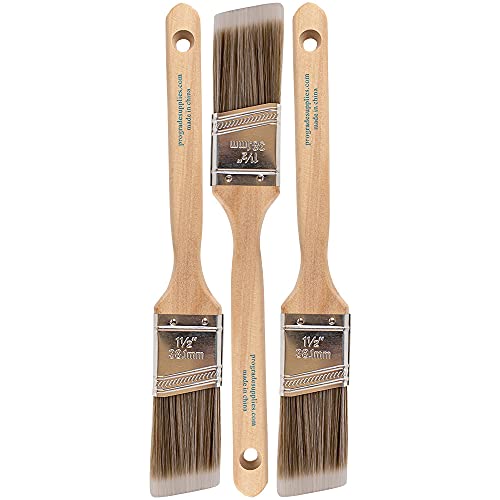
Pro Grade Angled Paint Brushes, 1.5 Inch Paint Brush Set, 3 Pc

Minwax 427310008 Polycrylic Wood Stain Brush, 1.5”, White
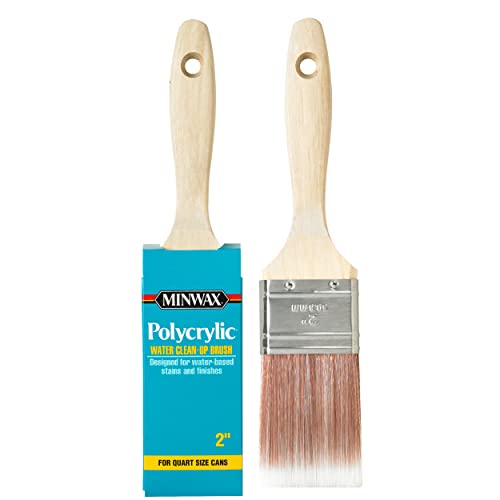
Minwax 427320008 Polycrylic Wood Stain Brush, 2”, White
More On The Choices That Made The List
Most finishing jobs need two widths, not one, and this Coltree set covers both bases with five brushes: a 1-inch and 2-inch flat alongside 1.5-, 2-, and 2.5-inch angled profiles. That spread means you can seal a narrow chair rail with the small flat, then move to door panels without swapping brands mid-project.
The thick bristle load holds plenty of water based polyurethane per dip, which cuts down on trips back to the can and helps each stroke stay wet enough to self-level. Because the set is rated for both oil and water based coatings, it doubles as your stain brush too, a nice consolidation for a crowded utility drawer.
Positive Points
- Five distinct widths cover everything from spindles to wide drawer fronts in one purchase
- Dense bristle capacity means fewer reloads and a more even film build per pass
- Soft filaments resist shedding, so stray hairs are less likely to bake into a clear coat
- Compatible with oil and water based paints, stains, and polyurethane alike
Things To Consider
- Cleaning five brushes after every coat session takes real sink time; many owners dedicate one brush per finish to avoid it
- Angled tips take a few practice strokes before beginners get crisp cut lines
Key Specs
Who It Suits Best
DIYers tackling a full room of trim and cabinetry who want one coordinated set instead of singles.
Where Another Pick Suits Better
Anyone finishing a single heirloom table will get finer results from the Minwax 427310008 Polycrylic brush, which is built specifically for clear coats.
Where the Coltree set spreads its bets across five sizes, this Pro Grade pair goes all-in on one idea: a full 3-inch angled head for covering ground fast. On hardwood floors or big plywood panels, that width turns a two-hour sealing job into something closer to forty minutes.
A thick synthetic filament blend loads heavily, and the tapered tips sharpen up edges well enough for touch-up passes along baseboards. The wooden handles carry a comfort grip shape that reduces hand fatigue during long floor sessions, which matters more than most shoppers expect until they have done a whole room on their knees. Two brushes in the pack also gives you a spare while one dries between coats.
Positive Takeaways
- Three-inch angled head lays down wide, fast passes on floors and large panels
- Tapered filament tips hold a sharp line along trim edges and corners
- Dense blend carries more coating per dip, cutting reload frequency noticeably
- Contoured wood handles ease wrist strain during extended overhead or kneeling work
- Two-pack spacing lets one brush rest and clean while the other keeps working
Worth Noting
- At 3 inches wide, this head is clumsy on narrow spindles and inside small drawers; the Pro Grade 1.5-inch trio below fits those spots better
Right Fit For
Homeowners refinishing floors, stair treads, or broad furniture surfaces who value coverage speed over fine detail.
Reach For A Different Pick When
Fine cabinet face-frames call for the Minwax 2-inch Polycrylic brush, whose softer nylon-polyester blend leaves a smoother clear-coat texture.
Chip brushes occupy their own corner of the finishing world: inexpensive enough to toss after a messy job, yet genuinely useful for rough surfaces. This Genixart version runs double thick, meaning the bristle block is packed denser than a standard chip brush, so it carries more limewash, varnish, or paste per stroke.
On a weathered fence or a masonry wall where the surface will chew up any brush you own, throwing away a worn-out chip brush beats scrubbing a premium tool clean. The 3-inch flat profile moves quickly across boards, and the design suits varnishing, pasting, and limewash applications as readily as staining. Think of it as the work glove of this list, not the dress watch.
What It Does Well
- Double-thick bristle block holds heavy coatings like limewash and paste without constant reloading
- Wide 3-inch flat face covers fence boards and masonry at a brisk pace
- Low replacement cost makes harsh or one-off projects painless
Small Caveats
- Owners commonly report minor bristle drop on first use, so a quick pre-use flex and tap is worth doing
- The finish quality falls short of what a dedicated polyurethane brush achieves on visible furniture
- Being designed as disposable, expect a shorter service life than the Pro Grade options here
Feature Rundown
Whose Shelf It Belongs On
Fence painters, concrete sealer users, and anyone who would rather bin a brush than baby one.
Swap It Out When
Visible interior woodwork deserves the Coltree five-piece set, whose softer filaments leave far fewer streaks in a clear topcoat.
This trio answers a simple question: what does the 3-inch Pro Grade above look like scaled down for detail work? Same synthetic filament blend, same contoured wooden grip, just narrowed to 1.5 inches so the angled tip slips cleanly into corners, sash divisions, and trim reveals.
Three identical brushes may sound redundant until you are mid-project with a wet coat drying; having a clean spare ready changes the rhythm of the day. The thinner tips at the filament ends give newcomers a forgiving line to follow, and the dense blend still holds enough water based polyurethane to avoid the streaky, starved look that comes from constantly re-dipping. Interior and exterior rated, they transition from window casings to porch railings without complaint.
Everyday Perks
- Angled 1.5-inch heads track trim lines and inside corners with confidence
- Thick filament load keeps strokes wetter, reducing visible overlap marks
- Comfort-grip wooden handles stay steady during slow, careful edging
Honest Caveats
- One size only; large flat areas still demand the wider 3-inch sibling from this brand
- Synthetic filaments need prompt soap-and-water cleaning after water based finishes or tips stiffen over time
Quick Facts
Built With In Mind
First-time finishers working window trim, doors, and touch-ups who want an easy-to-control brush with room to grow.
Skip It When
Deck and fence staining calls for the Genixart chip brush, since rough exterior timber will ruin fine tapered tips quickly.
Minwax builds this brush around its own Polycrylic protective finish, and that pairing shows in the details. The bristles combine nylon and polyester, a mix chosen because it stays soft and releases clear coatings evenly rather than dragging them into ridges. On a stained tabletop, that difference reads as glass-smooth instead of orange-peel textured.
The 1.5-inch width targets chairs, cabinet doors, picture frames, and other pieces where control outranks coverage. Soft application is the operative phrase here; the brush flexes gently against the grain, laying a thin, level film, which is exactly what water based polyurethane wants. In our view, this is the closest thing on this list to a specialist tool, and it behaves like one.
Well-Handled Touches
- Nylon-polyester bristle blend stays supple and releases clear finish in an even sheet
- Soft flexing action promotes smooth, streak-light films on visible wood surfaces
- Designed specifically for stains and protective clear coats, not general wall paint
- Compact 1.5-inch head reaches chair backs, rails, and frame details cleanly
- Brand-matched to Minwax Polycrylic for predictable, consistent results
Points To Keep In Mind
- Single-brush purchase; a second one helps when applying multiple coats back to back
- Gentle bristles reward careful cleaning; dried Polyurethane left in the ferrule shortens brush life considerably
The Right Fit
Furniture refinishers and cabinet painters chasing a flawless clear coat on pieces people will touch and see up close.
A Better Fit Elsewhere
Larger horizontal surfaces like desktops and doors suit the 2-inch Minwax 427320008, its wider sibling reviewed next.
The half-inch jump from the 1.5-inch Minwax above sounds trivial until you are sealing a full dining table, where every extra half inch compounds across dozens of passes. This 2-inch version keeps the same nylon-polyester bristle construction and soft application feel, adding modest speed without surrendering much precision.
Doors, bench tops, and shelving fall squarely in its comfort zone. The synthetic blend resists the stiffness that ruins cheaper brushes after a few water based finishes, assuming you rinse it promptly, and owners commonly report it holding its shape well across repeated projects. You may find it slightly less nimble inside tight corner blocks than its smaller sibling, but on open grain-facing surfaces, that trade rarely registers.
What Pays Off
- Two-inch width speeds up tabletops, doors, and shelves versus narrower heads
- Nylon-polyester filaments deliver the same smooth, even release as the smaller Minwax
- Soft bristle action minimizes brush marks in glossy clear coats
Trade Offs
- Less suited to intricate spindle and corner work than the 1.5-inch model
Core Details
Perfect Match For
Hobbyist woodworkers sealing furniture and millwork who want professional-feel results without pro-shop prices.
Consider Something Else When
Broad floor refinishing calls for the Pro Grade 3-inch angled pair, which covers far more area per stroke.
What Matters Most Before Choosing Your Polyurethane Brush
Bristle Material Decides Everything
Water based polyurethane demands synthetic filaments. Natural bristles absorb water, swell, and go limp, leaving streaks and loose hairs behind. Nylon and polyester blends, like the ones Minwax uses, stay firm and release the finish in a smooth sheet. Polyester leans stiffer for heavier coats; nylon stays softer for fine furniture work.
Width Should Follow The Surface
Match the brush to the board, roughly. Spindles and trim reveals live happily with 1 to 1.5 inches. Doors, tabletops, and shelving benefit from 2 inches. Floors and fences justify 3 inches. Oversizing costs you control; undersizing costs you hours.
Angle Versus Flat Profiles
Angled tips trace trim lines, corners, and sashes with less bleed onto adjacent surfaces. Flat heads shine on broad, open faces where straight passes rule. Many finishers keep one of each within reach, which is exactly why multi-size sets earn their place.
Disposable Or Keepable?
Rough exterior lumber chews bristles regardless of price, so a low-cost chip brush makes sense there. Visible interior pieces deserve a brush you clean and reuse. Spending more per brush pays back in fewer coats and less sanding between them.
Key Considerations Across These Picks
Traps First Timers Fall Into
The classic error is buying one all-purpose brush for every job, then wondering why cabinet doors show brush marks. A second slip is skipping the rinse: water based polyurethane hardens in the ferrule fast, and a stiffened brush never recovers its edge. Flex new chip brushes before first use, too.
The Upgrade Payoff
Higher-tier brushes cost more because of filament engineering, not marketing. Denser blends hold more finish per dip, tapered tips sharpen cut lines, and softer nylon mixes flatten out brush marks. On a dining table everyone touches, that upgrade shows. On a backyard fence, it does not.
Frequently Asked Questions
Can I use any paint brush for water based polyurethane?
Synthetic bristle brushes work best because natural bristles swell in water based products. A dedicated finishing brush will also leave noticeably fewer streaks and bubbles.
How do I clean a brush after using polyurethane?
Wash promptly in warm soapy water, working the cleaner through to the ferrule. Rinse until the water runs clear, reshape the tips, and hang or lay flat to dry.
What size brush works best for trim work?
A 1.5-inch angled brush gives most people the best balance of control and coverage on trim. Narrower 1-inch flats help with very tight moldings and spindles.
Why does my finish show brush marks and bubbles?
Overworking the coat or using a stiff, overloaded brush drags the finish and whips in air. Apply thin coats with light strokes and a soft synthetic brush, letting each layer self-level.
Are chip brushes acceptable for polyurethane?
They function on rough or hidden surfaces like fence boards, though shedding is common. Visible furniture deserves a higher-quality synthetic brush instead.
Closing Remarks
Your best choice comes down to the surface in front of you. Whole-room projects favor the Coltree set, floors and big panels suit the Pro Grade 3-inch pair, rough outdoor work belongs to the Genixart chip brush, and fine furniture rewards either Minwax Polycrylic brush. Match the tool to the task and your clear coats will thank you. Happy finishing.
