
A good brush pen turns shaky handwriting into something you’re proud to post or frame, and it does it without ink pots or cleanup. The catch is that the category has exploded, and picking blind often means a tip that frays in a week or ink that ghosts through thin paper. This roundup sorts seven well-regarded options by who they actually serve, from first-time letterers to sketchbook regulars.
The Essentials At A Glance

Pentel SES15C-6STA Brush Touch Sign Pen Set of 6

Kuretake Bimoji Brush Pen 5-Piece Set
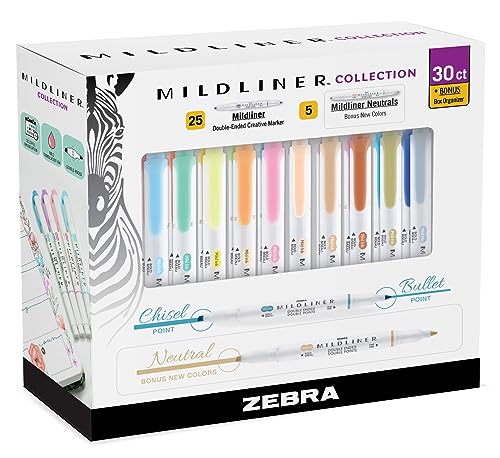
Zebra Pen Mildliner Double-Ended Highlighter Set of 30

KINGART PRO 445-48 Dual Twin-Tip Brush Pens

Tombow Fudenosuke Brush Pen Soft Tip GCD-112 Pack of 3

IVSUN 128 Colors Dual Tip Watercolor Markers with Bag

Tombow Fudenosuke Brush Pen 6-Pack Hard & Soft Tips
Taking A Closer Look At The Options
This set reads like a sign pen that learned a few brush tricks. The flexible tip bends enough to give your strokes a tapered, calligraphic character without demanding real brush control, which makes it a low-pressure way into the hobby.
In practice, you’ll reach for these on greeting cards, envelope addressing, and margin notes where a plain ballpoint feels flat. The water-based dye ink keeps colors bright on standard paper, and six shades cover most everyday messaging needs.
Strengths Worth Knowing
- The forgiving tip rewards light pressure, so early attempts still look intentional rather than messy.
- Six distinct colors mean one purchase covers cards, labels, and planner accents.
- Water-based dye ink stays vivid and rinses concerns down to ordinary pen care.
- A slim barrel suits long note-taking sessions better than chunky marker bodies.
Small Caveats
- Owners commonly report the tip loses some snap after months of daily use, so heavy-handed writers may wear it faster.
- Line variation is modest compared with dedicated fude pens like the Tombow Fudenosuke below.
Quick Facts
Made For
First-time letterers and card writers who want brush character without a steep technique curve.
Where A Sibling Pick Shines
Artists chasing dramatic thick-to-thin contrast will get more from the Tombow Fudenosuke Soft Tip pack.
Kuretake built this Japanese-made set around one idea: give you five tip sizes so you can learn how line weight changes a composition. Extra fine through large covers everything from tiny captions to bold headline strokes.
The rubberized grips matter more than they sound. During a hour-long calligraphy drill session, a slippery barrel is what cramps your hand, and this design resists that. Styling nods to traditional bamboo brushes, which gives the pens a studio feel on the desk.
A Few Strong Suits
- Five graduated tip sizes let you practice stroke scaling without buying separate pens later.
- Rubber grip sections reduce slipping during extended practice, a genuine comfort win.
- The fine-tip variant handles detailed illustration work alongside lettering drills.
Points To Note
- All five pens share black ink, so color-focused projects need a different set entirely.
- Cap storage for five loose pens takes more drawer space than a single multi-pack sleeve.
Who Should Grab It
Calligraphy students and brush-lettering learners who want to explore tip sizes before committing to a style.
Skip It When
Colorful journal spreads are the goal, since the KINGART PRO 48-color set fills that role far better.
Technically highlighters rather than true brush pens, the Mildliners earn their spot here because journaling communities treat them as essential companions. Each pen pairs a broad chisel end with a fine bullet tip, and thirty pastel-plus-neutral shades make color-coding almost addictive.
The standout attribute is the no-bleed formulation. On thin Bible pages or cheap notebook stock, most markers ghost through; owners consistently report these stay put. Quick-drying behavior also means less smudging when you highlight over printed text in a hurry.
What Makes Sense
- Thirty coordinated pastel and neutral tones support elaborate spread layouts without clashing.
- Dual ends switch between wide highlighting and precise underlining mid-sentence.
- No-bleed, quick-dry ink makes them safe choices for thin pages and layered notes.
- The included pouch keeps all thirty organized instead of rattling loose in a bag.
Things To Consider
- Fine tips are bullet-shaped rather than brush-shaped, so expressive lettering strokes are off the table here.
- Soft pastel shades can look washed out on dark or coated paper stocks.
Core Details
Right Fit For
Students, Bible journalers, and planner decorators building color-coded systems on thin paper.
Another Choice May Suit
Illustrators needing actual flexible brush tips will find the IVSUN dual-tip set far more capable.
Where the Kuretake set goes deep on tip sizes, KINGART goes wide on color. Forty-eight shades, each carrying a brush tip on one end and a fine liner on the other, turn this into a compact art kit rather than a single-purpose lettering tool.
The practical touches add up. Color names printed on each barrel save guesswork when matching an existing page, and the anti-roll caps keep pens from wandering off a slanted desk. Water-based, odorless ink also makes long coloring sessions easier on the nose than solvent-based markers.
What Works In Its Favor
- Forty-eight rich shades give blending and shading options the smaller sets simply lack.
- Flipping between brush and fine ends means outlining and filling happen with one tool.
- Acid-free, non-toxic ink suits scrapbooks and keepsakes meant to last.
- Air-tight color-coded caps protect tips from drying out between uses.
Less Ideal Details
- With forty-eight barrels to store, you’ll want a dedicated cup or case from day one.
- Some users find lighter shades run fainter than the saturated core colors.
Spec Overview
Whose Shelf It Belongs On
Bullet-journal enthusiasts and hobby illustrators who value palette breadth over single-color depth.
Consider Something Else When
Lettering purists focused purely on black script will prefer the precision of the Tombow Fudenosuke packs.
Ask experienced letterers which pen taught them thick-and-thin contrast, and Fudenosuke comes up constantly. The soft tip responds directly to pressure: press harder for medium strokes, ease off for extra-fine hairlines. That responsiveness is what makes modern calligraphy look alive.
A three-pack matters because practice volume eats tips. Daily drills on rough paper gradually dull any nib, so having spares on hand keeps your progress uninterrupted. Black-only ink keeps the focus squarely on form, which is exactly what skill-building demands.
Key Advantages
- Pressure-sensitive tip produces extra-fine through medium lines from a single pen.
- Firm-yet-flexible balance holds crisp edges on upstrokes and downstrokes alike.
- Three pens extend usable life for high-volume practice routines.
- Consistent black flow supports clean scan-ready lettering work.
Worth Bearing In Mind
- Single-color format limits finished-piece work until you pair it with colored sets.
- The soft tip asks for a lighter touch than beginners expect, so expect a short adjustment period.
Built With In Mind
Hand-lettering students and intermediate calligraphers drilling stroke contrast every day.
Swap It Out When
Detail-heavy sketch artists may favor the mixed hard-and-soft Tombow 6-pack reviewed just below.
At 128 colors, this is the largest palette in the lineup, and the included storage bag signals its intent as a portable art kit. Each pen carries a 0.4mm fine tip for outlines plus a softer brush end rated around 1 to 2mm for fills and shading.
Adult coloring books are the obvious home turf here. Intricate line work benefits from the fine end’s precision, while larger regions fill quickly with the brush side. Compared against the KINGART 48-shade set, you trade some per-pen refinement for sheer range, a trade many casual colorists happily accept.
A Few Highlights
- 128 shades cover skin tones, florals, landscapes, and gradients without mixing.
- The 0.4mm fine tip handles intricate coloring-book linework cleanly.
- Brush end speeds up shading and large-area fills dramatically.
- Carry bag keeps the full collection sorted and travel-ready.
Potential Drawbacks
- Brush tips at this price tier commonly soften faster with heavy daily pressure.
- Storing 128 pens takes real shelf space even with the bag.
Feature Snapshot
Who Will Love This
Adult coloring enthusiasts and hobby painters who want maximum shade variety in one organized kit.
Look Elsewhere When
Minimalists after two reliable black pens should stick with the Tombow Fudenosuke trio above.
This pack answers the question every Fudenosuke owner eventually asks: hard tip or soft? You get three of each, letting you match nib personality to task. The hard GCD-111 holds a sharper edge for precision drawing and small sketch notes, while the soft GCD-112 flexes for expressive lettering.
For working illustrators, that duality removes compromise from the pencil case. Six pens also stretch further between replacements than the three-pack, and the balanced assortment travels well to workshops or client meetings where both styles come up.
Well-Handled Touches
- Hard and soft variants in one purchase eliminate guesswork about tip preference.
- Hard tips keep crisp points for technical linework and small-format sketching.
- Six-pen supply suits professionals who burn through nibs on deadline work.
- Compact black format slips into any pencil pouch without bulk.
The Fine Print
- Monochrome only, so finished color pieces still require a companion set.
- Cap-on storage matters here; tips left uncapped overnight dry out, as with most fiber-tip pens.
Essential Details
Best Suited To
Working illustrators, sketch-note takers, and gift-givers shopping for a serious artist.
Reach For A Different Pick When
Beginners testing whether lettering sticks may find the cheaper Pentel six-color set an easier entry point.
Factors To Consider When Choosing Brush Pens
Tip Firmness Shapes Everything
Firm tips hold sharp edges and suit detail work; soft tips flex under pressure and create dramatic thick-to-thin strokes. Beginners usually progress faster starting firm, then graduating to soft once basic control settles in. Match the tip to your dominant project type before anything else.
Ink Behavior Decides Where You Can Write
Water-based dye inks flow brightly but can feather on absorbent paper. No-bleed formulations, like Zebra’s Mildliner line, open up thin Bible pages and budget notebooks. Always consider the paper you actually own rather than the paper you wish you owned.
Single Color Versus Palette Breadth
Black-only sets build skill fastest because they remove distraction. Multi-color sets serve finished pieces, journals, and coloring books. Many people eventually own both, one for drills and one for display work, and buying order depends on which habit comes first.
Set Size And Storage Reality
Six pens fit a drawer; 128 do not. Larger collections demand cases, cups, or shelf space, and caps must seal tightly to prevent dried-out tips. Honest assessment of your desk space saves frustration later.
Key Considerations Across These Picks
Traps First Timers Fall Into
The most common mistake is buying a huge color set before learning basic stroke control, then abandoning it when letters look wobbly. Start smaller, master pressure, expand later. Another trap: ignoring cap quality, since a loose seal quietly ruins an otherwise great pen within weeks.
What Separates Premium From Basic
Higher-tier pens justify cost through tip consistency and ink flow stability, the two attributes that determine whether your tenth letter matches your first. Japanese-made options such as Kuretake and Tombow invest heavily there. Casual users may never notice; anyone practicing daily will feel it immediately.
Frequently Asked Questions
Are brush pens suitable for complete beginners?
Yes, and firm-tip models are the gentlest starting point. They forgive uneven pressure while you build muscle memory.
Do brush pens bleed through notebook paper?
It depends on the ink formulation. No-bleed options like the Zebra Mildliners perform well even on thin pages.
How long does a brush pen tip last?
Heavy daily use typically wears a tip over several months. Rotating between multiple pens extends each one’s life considerably.
Can brush pens be used for adult coloring books?
Absolutely, especially dual-tip designs pairing a fine liner with a broader fill end. Intricate linework favors the fine tip.
What’s the difference between hard and soft brush tips?
Hard tips maintain a sharp point for controlled, precise lines. Soft tips flex under pressure, producing variable-width calligraphic strokes.
Closing Remarks
Your best choice comes down to honest self-assessment: skill level, paper stock, and how much color your projects actually need. Start narrow with a quality black pen, add a palette once the fundamentals click, and store everything capped. Whichever option fits your desk today, the right tool makes practice something you look forward to rather than a chore.
