
Cutting in is the part of painting that separates a clean room from a sloppy one, and the brush you hold makes most of the difference. Whether you’re edging along baseboards, framing doorways, or working around outlets, the right angled tip keeps paint off trim without tape. This list covers seven options built for that job, from fine detail sash brushes to bulk packs for whole-room repaints.
The Essentials At A Glance

Bates- Trim Paint Brush Set, 3 pcs

Zibra Precision Detail Cut In Brush 2-inch

Pro Grade 3 Inch Angled Paint Brush, 2 Pack

Genixart Double Thick Chip Paint Brush 3 Inch

Wooster Q3211-2 Shortcut Angle Sash Paintbrush 2-Inch
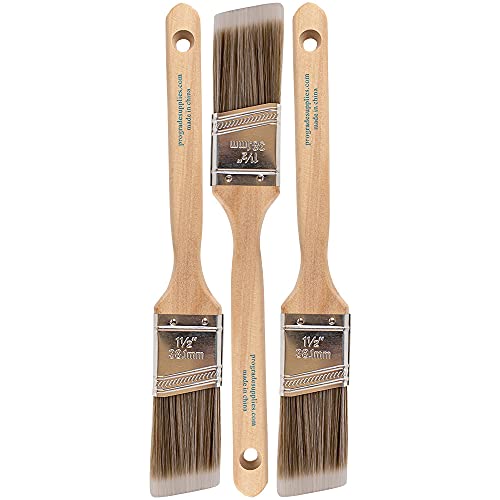
Pro Grade Angled Paint Brushes 1.5 Inch, 3 Pc

Pro Grade 2.5 Inch Angle Paint Brush, 12 Pack
A Breakdown Of The Leading Choices
Most cutting-in brushes are one size fits all, which is exactly why so many corners end up looking rushed. This set sidesteps that problem by giving you 5/8″, 3/4″, and 1″ widths, each sized for a different level of detail work around the house.
The narrowest brush handles hinge cutouts and window muntins, while the inch-wide option covers baseboard tops at a steadier pace. Handles are shaped for a comfortable grip, which matters once you’ve been crouched along a wall for an hour.
Where It Excels
- Three widths cover detail work from hardware to baseboards without buying separately
- Fine-tipped bristles help you hold a line where a wider brush would smear
- Comfortable grip handles reduce hand fatigue during long touch-up sessions
- Small footprint stores easily in a toolbox or utility drawer
A Few Limitations
- Narrow heads mean slower progress on long, straight runs of wall edge
- Owners commonly report rinsing these thoroughly after latex use to keep tips from stiffening
Who Will Love This
Detail-focused DIYers tackling window frames, cabinets, and intricate trim will get the most out of this trio.
Swap It Out When
For broad wall-to-ceiling lines, the Pro Grade 2.5 Inch Angle Paint Brush 12 Pack moves paint far faster per pass.
Zibra built this one around a single idea: a precision-tipped angle that lays down a controlled line next to trim, doorways, and outlets. Where the Bates set above wins on versatility, this single 2-inch brush leans into accuracy on furniture-grade surfaces.
It’s rated for all paint and stain types, so switching between latex walls and oil-based furniture finishes doesn’t require a second tool. For anyone refinishing a dresser or casing a doorway, that flexibility saves a trip back to the store.
What Pays Off
- Precision tip gives noticeably finer control when painting crisp lines against adjacent surfaces
- Works with all paint and stain types, from latex walls to furniture finishes
- Smooth, easy paint release means fewer visible brush marks on flat panels
- Reaches awkward areas like wall outlets and hard-to-access corners cleanly
Things To Consider
- You only get one brush here, so a backup is smart mid-project while one dries or gets cleaned
- Fine synthetic tips demand prompt cleaning; dried paint near the ferrule shortens brush life considerably
Made For
Furniture refinishers and careful DIYers who prioritize line quality over raw speed will appreciate this brush most.
Reach For A Different Pick When
Cutting in an entire room’s ceiling line goes faster with the Pro Grade 1.5 Inch set’s three-brush rotation approach.
A 3-inch head is about as wide as cutting-in brushes get, and that width changes the math on big jobs. Each pass covers more edge, so long runs of crown molding or fence rail go quicker than they would with the Zibra’s 2-inch profile.
The thick synthetic filament blend holds a heavier load of paint per dip, which translates into fewer trips to the can and less streaking across the finish. Wooden comfort-grip handles keep the extra weight manageable through a full afternoon of work.
Positive Points
- Thick filament blend carries more paint, cutting reload trips roughly in half versus thin-brush designs
- Tapered tips sharpen the line enough for trim and touch-up work despite the wide head
- Two-pack setup lets one brush rest in cleaner while the other keeps working
- Wooden handles offer a solid, comfortable grip for extended sessions
Points To Note
- Three inches is simply too much brush for outlet boxes and tight interior corners
- Some owners find the wide head drips if over-loaded, so wiping excess on the can rim helps
Right Fit For
Homeowners staining decks or edging large exterior trim runs benefit most from this pair.
Consider Something Else When
Intricate indoor detailing calls for the Bates Trim Paint Brush Set’s narrower 5/8″ and 3/4″ heads instead.
Chip brushes occupy their own niche: inexpensive, disposable, and surprisingly capable with stains and sealers. This Genixart version doubles up on bristle thickness, so the 3-inch flat head soaks up varnish, limewash, or paste and releases it evenly across rough fence boards.
Treating it as semi-disposable changes how you work. No agonizing over cleanup after a sticky oil-based stain session; use it, finish the job, move on. That trade-off suits weekend fence projects better than heirloom furniture work.
Practical Advantages
- Double-thick bristles hold a generous load of stain or varnish for faster coverage on porous wood
- Economical enough to treat as disposable after messy oil-based jobs
- Versatile flat head handles masonry coating, limewash, paste, and general varnishing
- Three-inch width spans fence pickets and rails efficiently
Honest Caveats
- Not designed for razor-sharp cut-in lines against finished trim
- Loose bristle shedding is a common chip-brush complaint; picking stray fibers off wet stain is part of the deal
Key Specs
Whose Shelf It Belongs On
Fence painters and weekend stain-and-seal projects fit this brush’s throwaway-friendly character perfectly.
Another Choice May Suit
Clean interior wall edges deserve the Pro Grade 3 Inch Angled Brush’s tapered synthetic filaments instead.
The Shortcut’s stubby handle looks odd until you try painting inside a cabinet box or behind a toilet tank. That shortened grip lets your knuckles clear obstacles a full-length handle would smack into, which is precisely why cabinet painters reach for this design.
Underneath sits a serious brush: a flexible purple Shergrip handle, brass-plated steel ferrule, and a synthetic blend rated for all paints plus water-based stains. Getting three in one pack means one for walls, one for trim, one resting in solvent.
Strengths Worth Knowing
- Compact Shergrip handle maneuvers easily in tight spaces where standard handles won’t fit
- Synthetic blend works with all paints and water-based stains alike
- Brass-plated steel ferrule resists rust through repeated washouts
- Three-pack quantity supports rotating brushes during multi-coat projects
- Wooster’s established build quality shows in consistent bristle retention
Trade Offs
- The short handle sacrifices leverage on high ceilings and long overhead reaches
- Two inches covers less ground per stroke than the Pro Grade 3-inch options on this list
Feature Rundown
The Right Fit
Cabinet refinishers and anyone working in bathrooms, closets, or stairwells will find this design hard to replace.
Look Elsewhere When
Open-wall cut-in work favors the Pro Grade 12 Pack’s longer handles and wider 2.5-inch sweep.
One and a half inches sits right in the sweet spot for most indoor cut-in work: narrow enough for door casings, wide enough to make progress along a ceiling line. Compared with the Wooster Shortcut reviewed earlier, these use conventional-length wooden handles, trading tight-space access for leverage on open walls.
The same thick synthetic blend appears here as in Pro Grade’s larger packs, holding plenty of paint and tapering to a thinner tip for precision. Interior and exterior ratings mean one set covers both seasonal touch-ups and spring repaints.
Noteworthy Benefits
- 1.5-inch angle balances speed and precision for typical residential trim lines
- Dense filament blend loads more paint, reducing streaks in the finished surface
- Three brushes support a wet-brush rotation during two-coat jobs
- Suited to both interior rooms and exterior siding or shutter work
Small Caveats
- Standard-length handles still bump inside deep cabinets and closets
- Wooden handles need thorough drying before storage to prevent handle swelling over time
Who Should Grab It
Rental refreshers and first-time painters covering mixed interior and exterior trim get strong everyday value here.
Where A Sibling Pick Shines
Larger-scale repaints justify stepping up to the Pro Grade 2.5 Inch 12 Pack’s bigger heads and bulk supply.
Twelve identical 2.5-inch angle brushes sounds excessive until you’re four rooms into a repaint and every spare brush is already loaded or drying. Contractors think this way for good reason: dedicated brushes per color and per day beat constant washing every time.
Each brush carries the familiar Pro Grade recipe, dense synthetic filaments, tapered tips, and a wooden comfort-grip handle. The 2.5-inch width splits the difference between the nimble 1.5-inch set and the broad 3-inch pair earlier in this list, making it a sensible default for wall-to-trim transitions.
What Stands Out
- Bulk supply eliminates cleanup downtime across multi-room or multi-day projects
- Thick filament blend holds heavy paint loads with fewer streaks
- 2.5-inch angled head handles walls and trim with equal confidence
- Tapered tips retain enough precision for touch-up detail
Worth Bearing In Mind
- Storage space matters; a dozen brushes need a drawer or bucket to stay organized
- Overkill for a single accent wall, where one quality brush serves better
Quick Facts
Built With In Mind
Landlords, flippers, and busy DIYers repainting several rooms will burn through this supply happily.
Skip It When
Single-room touch-up work calls for the Zibra Precision Detail Brush’s focused, single-brush approach instead.
Choosing Your Cutting-In Brush Without Guesswork
Bristle Material Comes First
Synthetic filaments dominate modern cut-in work because they hold their shape with water-based latex, the paint most homes use today. Natural bristle soaks up water and goes limp, so reserve those thoughts for oil-based stains. Match the material to your paint and half your problems disappear.
Width Dictates Speed Versus Control
Narrow brushes under one inch trace hinges and sashes but crawl along long walls. Wider heads past three inches fly down straight runs yet fumble in corners. Most households land comfortably between 1.5 and 2.5 inches, which explains why so many picks on this list cluster there.
Handle Length Shapes Where You Can Work
Full-length handles give leverage overhead, while stubby designs like Wooster’s Shortcut slip behind toilets and into cabinet boxes. Think honestly about your rooms: deep closets and vanities reward short handles, open great rooms never notice the difference.
Packs Beat Singles for Real Projects
Two coats mean waiting, and waiting means either washing a brush repeatedly or rotating spares. Multi-packs cost little more upfront and save real time on anything beyond a single accent wall.
Key Considerations Across These Picks
Traps First Timers Fall Into
Grabbing one all-purpose brush for every task is the classic error; a 3-inch head cannot cut a clean line at an outlet box. Skipping prompt cleanup ranks second, since dried latex ruins synthetic tips permanently. Rinse brushes immediately, reshape the bristles, and hang them to dry.
What Separates Premium From Basic
Higher-tier brushes spend money on filament density, ferrule metal, and handle ergonomics. Dense blends carry more paint per dip and shed fewer fibers onto wet walls, while plated ferrules survive years of washing. Paying up pays off for frequent painters; occasional users get perfectly fine results from budget sets.
Frequently Asked Questions
What size brush works best for cutting in?
A 2 to 2.5 inch angled brush handles most wall and ceiling lines well. Narrower sizes suit trim details, while 3-inch heads cover long exterior runs quickly.
Do I need an angled brush to cut in?
An angled sash brush makes the job noticeably easier because the tapered corner follows trim lines naturally. Flat brushes work but demand more wrist control.
How do I clean a paint brush after latex paint?
Rinse immediately in warm water, work soap through the bristles, then reshape and dry horizontally or hanging. Waiting even an hour lets paint begin curing near the ferrule.
Can one brush handle both latex and oil-based products?
Synthetic brushes like the Zibra tolerate both, though cleaning requirements differ. Solvent cleanup for oils adds effort, so dedicated brushes per paint type simplify life.
Why buy a multi-pack instead of one good brush?
Multi-packs let you rotate brushes between coats and dedicate one per color, eliminating mid-project washing. For anything beyond a single room, the time saved outweighs the modest extra cost.
Wrap Up
Your best match depends on the rooms ahead of you. Tight detailing points toward the Bates trio or the Wooster Shortcut, whole-house repaints favor the Pro Grade 12 pack, and fence season belongs to the Genixart. Whichever direction your project pulls, any brush on this list will hold its line better than whatever’s crusted shut in your garage. Pick the width that matches your walls and start cutting.
