
A serger is the machine that turns homemade garments into things that look store-bought. It trims the seam allowance while it stitches, wrapping threads around the raw edge so knit fabric stops curling and woven fabric stops fraying in the wash. The problem is that many first-time shoppers assume a good one costs as much as a mid-range sewing machine.
It doesn’t have to. The seven machines below all sit at accessible price points yet cover the features that matter most: multiple thread options, differential feed for stretchy knits, and threading systems you can actually manage without a tutorial video open on your phone. Some lean heavy-duty, some stay compact, and a couple come from brands with decades of overlock heritage. Match the machine to what you sew most often, and any of these will earn its spot on your table.
A Snapshot Of The Selections
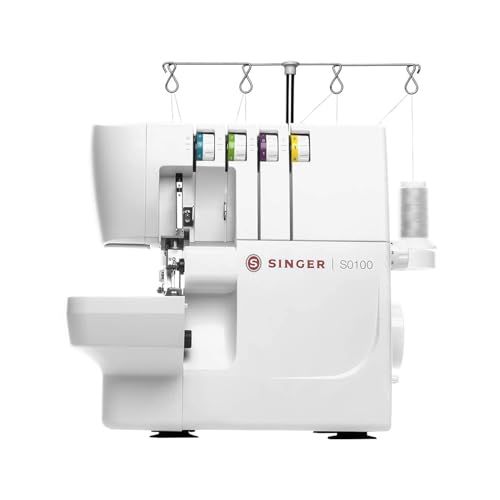
SINGER S0100 High Speed Serger Overlock Machine

Brother ST4031HD Serger, Strong & Tough Overlock Machine

JUKI MO644D Portable Serger (White)
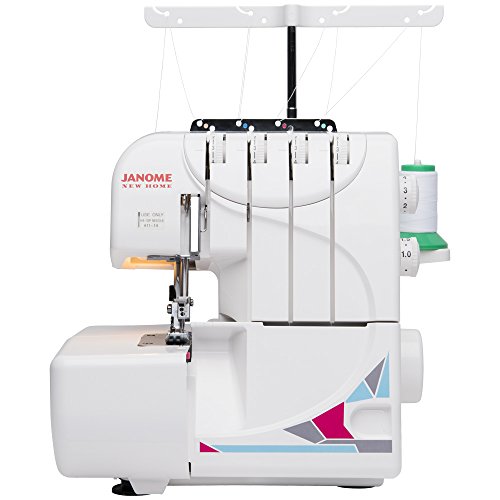
Janome MOD-8933 Serger with Lay-In Threading

Juki MO-50E 3 or 4 Thread Serger

FEIYUE FY505 Serger Overlock Machine

SINGER S14-78 Serger Overlock Machine (White)
A Breakdown Of The Leading Choices
Threading is where most people quit their first serger, and SINGER sidesteps that wall by shipping this one already threaded. You unbox it, plug it in, and start practicing hems within minutes instead of spending an evening chasing loops through tension discs.
The 2-3-4 thread capability covers the stitch types a growing sewist actually needs: two-thread rolled edges on napkins, three-thread finishes on wovens, and four-thread seams with stretch built in for knits. For a household machine handling fleece blankets or kids’ clothes, that range goes a long way.
What Stands Out
- Arrives pre-threaded, so day one is about sewing rather than troubleshooting
- Three thread configurations let you match the stitch to delicate or bulky fabric
- High-speed motor shortens finishing time on long hem runs
- Optional protection plans add accidental-damage coverage with no repair fees
Things To Consider
- Once you rethread after a break, expect a learning curve; owners commonly suggest photographing the factory threading paths first
- Accessory bundle is lighter than some rivals, so specialty feet may be separate purchases
Who Should Grab It
Absolute beginners who want a brand-name entry point and would rather practice stitching than study a manual.
Where A Sibling Pick Shines
Sewists planning frequent denim or canvas work will get more longevity from the Brother ST4031HD and its metal frame.
Most budget sergers flinch at eight layers of denim. This one doesn’t, thanks to an internal metal frame that keeps everything aligned under load, plus a cutting blade made from extra-hard carbon steel that shears dense fabric cleanly instead of chewing it. The “Strong & Tough” name reads like marketing until you look at those two details side by side.
Speed is the other headline: up to 1,300 stitches per minute means a batch of tote bags or a stack of mending gets done in one sitting rather than spread across a week. Three accessory feet ship in the box, and the large extension table gives wide projects somewhere to rest.
What Works In Its Favor
- Durable metal frame resists vibration and holds stitch quality through thick seams
- Carbon steel blade delivers smoother cut edges than standard alloys
- Fast maximum speed suits production-style sewing sessions
- Included extension table stabilizes bulky or oversized work
- Three accessory feet expand stitch options without extra spending
Potential Sticking Points
- Its footprint is larger than compact models like the Janome MOD-8933, so measure your table first
- Blade replacement is part of normal upkeep; dull blades are the most commonly reported cause of ragged cuts
Feature Rundown
Right Fit For
Confident home sewists who regularly push through denim, canvas, upholstery scraps, or multi-layer hems.
Swap It Out When
Apartment dwellers with limited surface space will find the smaller Janome MOD-8933 easier to live with.
Juki builds industrial machines for garment factories, and that DNA shows here. The MO644D uses a dedicated drive mechanism for its knife system, meaning the cutter gets its own power path rather than borrowing from the needle bar. In practice, that translates to consistent trimming even when the fabric fights back.
Differential feed deserves a quick definition: it’s a second set of feed dogs whose speed you can adjust relative to the main dogs, which prevents wavy seams on jersey and stretching on lightweight sheers. Combined with color-coded threading and a breakaway looper adjustment, it’s the pick for anyone moving beyond basic craft projects into real garment construction. Max speed reaches 1,500 stitches per minute, the fastest figure in this lineup.
The Practical Payoff
- Dedicated knife drive keeps cutting force steady on light-to-medium fabrics
- Adjustable differential feed tames curling knits and puckered sheers
- Automatic rolled hem converts quickly for decorative edges
- Color-coded threading paths reduce setup errors considerably
Small Caveats
- Handles light to medium weights only; heavyweight layers belong with the Brother ST4031HD
- Lay-in tensions take patience the first few times, per widely reported owner feedback
Quick Facts
Made For
Intermediate garment sewers who want industrial-brand reliability without leaving budget territory.
Another Choice May Suit
True beginners still learning thread tension basics may prefer the gentler onboarding of the pre-threaded SINGER S0100.
Not everyone has a dedicated sewing room. The MOD-8933 is built for the spare corner of a dining room or a shared craft closet, packing 3- and 4-thread conversion plus differential feed into a body that stores easily between sessions. Janome positions it squarely at developing fashion enthusiasts, and the feature list backs that framing.
Lay-in threading is the friendliest system here: instead of feeding thread down through tension discs, you lay it into a channel and snap a cover shut. Color-coding across the paths makes the whole process closer to following a diagram than performing surgery. Denim, knits, and hemmed projects are all within reach once you’re comfortable.
The Upside
- Compact footprint fits crowded tables and small apartments
- Lay-in threading with color-coded guides simplifies rethreading dramatically
- Differential feed handles knit projects without waviness
- Converts between 3- and 4-thread stitches for versatile finishing
Worth Bearing In Mind
- Two-thread options aren’t offered, so ultra-light rolled hems mean looking at the JUKI MO644D instead
- Cover the machine between uses; dust buildup in looper areas is a common maintenance complaint among serger owners generally
Who Will Love This
Hobbyists working from a shared or small space who still want genuine garment-making capability.
Consider Something Else When
Anyone prioritizing raw cutting power over size should step up to the Juki MO-50E later in this list.
Juki distilled its industrial know-how into the MO-50E at an economy price, and the detail work shows. The standout convenience is an automatic lower looper threader, the single hardest thread path on any serger handled by air pressure or a simple mechanical assist depending on generation. Either way, it removes the step that frustrates people most.
The calibrated knife adjustment is another quiet luxury: you can dial blade position precisely rather than eyeballing it, which matters for narrow seam allowances. A retractable upper knife lets you sew without cutting, useful for decorative flatlocking. Compared with the MO644D earlier, this model trades some speed headroom for easier everyday threading.
Where It Excels
- Automatic lower looper threader eliminates the trickiest setup step
- Calibrated knife adjustment allows precise, repeatable trim widths
- Built-in rolled hem expands finishing options on finer fabrics
- Adjustable differential feed keeps stretchy material smooth
Points To Note
- No 2-thread mode, limiting ultra-delicate decorative work
- Tension dials need periodic checks; loose looper tension is the most frequently mentioned fix-it issue in owner discussions
Core Details
Best Suited To
Sewists who value tidy, repeatable setups and finish a steady stream of knit garments each month.
Reach For A Different Pick When
Shoppers wanting maximum stitch-per-minute throughput should compare against the JUKI MO644D above.
This is the value play of the group. FEIYUE isn’t a household name in North American sewing circles, but the FY505 brings a genuinely sturdy metal frame and full 2/3/4 thread flexibility to a price bracket usually occupied by plastic-bodied machines. For a cautious first purchase, that combination is hard to argue with.
The metal construction matters more than it sounds. Sergers vibrate at speed, and lighter chassis units tend to wander across the table and drift out of tune sooner. Owners of framed machines typically report steadier stitch formation over years of use. You give up some refinement, there’s no automatic threader or calibrated knife here, but the fundamentals are present and honest.
What Pays Off
- Metal frame construction supports long-term stability and durability
- Full 2/3/4 thread range covers seams, hems, and decorative edges
- Handles varied fabric thicknesses across different project types
- Accessible pricing leaves budget room for thread cones and fabric
Some Limits To Know
- Threading is fully manual; expect slower setup than the Juki MO-50E’s assisted looper
- Fewer included accessories than the Brother ST4031HD bundles
The Right Fit
Budget-conscious beginners testing whether serging becomes a lasting habit before investing further.
Look Elsewhere When
Those who dread manual threading will be happier with the SINGER S0100, which arrives pre-threaded.
Where the S0100 targets absolute newcomers, the S14-78 is Singer’s pitch to the generalist: one machine for garment construction, home décor, and everything in between. The 2-3-4 stitch capability mirrors its sibling, giving you seam strength, edge finishes, and rolled hems across a wide fabric range.
You may find it hits a sweet spot for mixed-project households. Quilting cotton one weekend, jersey tees the next, curtain panels after that; nothing about the spec sheet forces a compromise in any direction. It lacks the headline specs of the Brother or Juki entries, yet the balanced profile is exactly why it rounds out this list well.
Notable Upsides
- Three thread configurations suit garments and décor alike
- Rolled-hem capability adds polish to napkins, scarves, and sheers
- Broad fabric compatibility reduces project limitations
- Optional coverage plans include drop and spill protection with fee-free claims
Details To Watch
- Extension table and premium accessories aren’t bundled, unlike the Brother ST4031HD
- Lint accumulates fast in sergers generally; regular brushing near the loopers keeps stitches even
Essential Details
Whose Shelf It Belongs On
Versatile home sewists juggling apparel, gifts, and household projects without specializing in any one.
Not Your Match When
Knit-heavy wardrobes benefit more from the dedicated differential-feed tuning on the JUKI MO644D.
What Matters Most Before Choosing Budget Serger Sewing Machines
Thread Count And Stitch Flexibility
Four threads create a strong, stretchable seam for knitwear; two and three threads handle edge finishing, rolled hems, and decorative work. A 2/3/4 machine covers nearly every home project, so treat anything less as a compromise unless you only ever finish woven fabric.
Differential Feed
This dual-speed feed system is the difference between flat jersey seams and wavy ones. Any machine lacking adjustable differential feed will fight you on stretch fabrics, which rules it out for garment sewing in most cases.
Threading System Design
Sergers use three to four thread paths, and rethreading is routine, not occasional. Lay-in tensions, color-coded guides, and looper threaders each shave minutes off setup. Pre-threaded delivery helps once, but daily usability comes from the guides themselves.
Frame Construction And Cutting Quality
Metal frames dampen vibration and hold alignment through heavy seams, while carbon steel or well-supported knives keep trimmed edges clean. These two attributes predict how a machine behaves five years from now better than almost anything else on the spec sheet.
Key Considerations Across These Picks
Traps First Timers Fall Into
The classic mistake is buying purely on price and discovering the threading system makes the machine a shelf ornament. Another common misstep: skipping the differential feed check, then wondering why knit hems ripple. Read the threading layout before committing, and match the fabric types you actually sew to the machine’s stated range.
Where The Extra Money Goes
Step-up models buy you speed, metal frames, assisted threading, and calibrated cutting. Casual users finishing a few projects a season won’t feel those gaps much. Weekly garment sewers will, because faster setup and steadier cutting compound across dozens of sessions. Spend up only when frequency justifies it.
Frequently Asked Questions
Do I still need a regular sewing machine alongside a serger?
Yes. A serger finishes edges and constructs seams but can’t do topstitching, zippers, buttonholes, or precision straight stitching. Most garment sewists run both side by side.
How difficult is threading a budget serger really?
It takes most new owners several patient sessions to get comfortable. Color-coded paths, lay-in tensions, and looper threaders shorten the curve considerably compared with older designs.
Can these machines handle denim and heavy canvas?
Some can. Metal-framed models like the Brother ST4031HD are built for layered heavy fabrics, while lighter machines specify light-to-medium weight ranges and should stay within them.
What is differential feed and why does it matter?
It’s an independently adjustable set of feed dogs that stretches or gathers fabric slightly as it feeds. That control prevents wavy seams on knits and puckering on fine sheers.
How much maintenance does a serger need?
Brush lint from the looper area and knife zone after major projects, oil where the manual directs, and replace dull blades promptly. Ten minutes of care preserves stitch quality for years.
Bottom Line
Every machine here earns its price tag differently. Start with the SINGER S0100 for the gentlest introduction, choose the Brother ST4031HD for heavy fabrics, and pick the JUKI MO644D if stitch quality tops your list. Small-space sewists fit the Janome MOD-8933, thread-averse users get relief from the Juki MO-50E, and tight budgets are well served by the FEIYUE FY505 or the balanced SINGER S14-78. Match the machine to your fabric habits and you’ll be glad you added a serger to the table.
