
The right ink changes everything about how your lettering looks on the page. A watery formula feathers into the paper fibers, a thick one skips on every downstroke, and a poorly matched ink can gum up a fountain pen you paid good money for. This roundup covers seven bottles that suit very different hands: fountain pen users, dip-pen calligraphers, brush painters working in the East Asian tradition, and anyone chasing metallic shimmer on dark stock.
Top Picks Comparison
A Closer Look At The Lineup

Pelikan 4001 Bottled Ink Dark Green 30ml
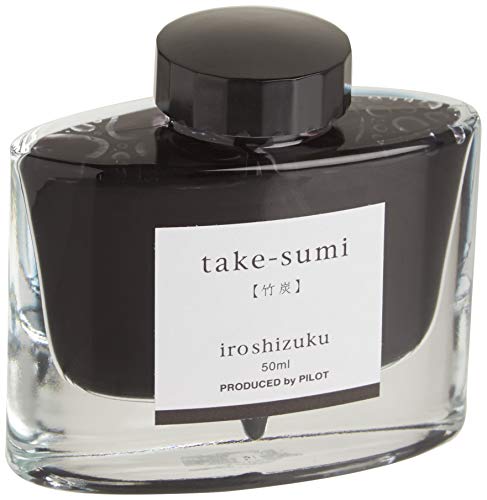
PILOT Iroshizuku Take-Sumi Fountain Pen Ink 50ml

Higgins Black Eternal Ink 2.5 Oz Bottle

Pelikan Brilliant Black Bottled Ink 30ml

Kuretake Gold MICA Ink 60ml Metallic

Moon Palace Sumi Ink 180ml

Easyou Redstar Liquid Chinese Calligraphy Ink 180ml
The Picks, Examined More Closely
A deep green that reads almost teal in broad nibs, this Pelikan formula has been around long enough to prove itself in thousands of pens. The bottle itself is the clever part: tip it on its side and the built-in reservoir funnels the last milliliters toward the filling hole, so nothing goes to waste.
Daily writers benefit most here. The flow stays even through long note-taking sessions, and the formulation is gentle enough for converters and plunger mechanisms from many brands, not just Pelikan’s own.
Where It Delivers
- Tips sideways to fill cleanly, even when the bottle is nearly empty
- Consistent line definition without feathering on decent paper
- Kind to nibs and internal seals, which matters for vintage pens
- Made in Germany with a long-established recipe
Things To Consider
- The 30ml volume runs out quickly for heavy writers
- Green is a bold choice for formal correspondence
Key Specs
Who Will Love This
Fountain pen enthusiasts who want a dependable colored ink for daily journaling rather than a one-off novelty shade.
Where A Sibling Pick Shines
For classic black work, the Pelikan Brilliant Black 30ml covers the same ground in a more conservative tone.
Take-Sumi takes its name from bamboo charcoal, and the color lives up to it: a soft, smoky black rather than a flat office black. On wetter nibs you’ll notice subtle gray shading at stroke edges, which gives handwritten pages a quiet depth the Higgins Black Eternal below can’t match.
This sits at the top of Pilot’s ink range, and the 50ml glass bottle reflects that positioning. It suits people who write for pleasure, whether that’s evening journaling or letters worth keeping.
What Earns Its Place
- Charcoal-black tone with visible character instead of flat darkness
- Refined Japanese formulation known for smooth, lubricated flow
- Larger 50ml volume than the standard entry-level bottles here
- Beautifully presented bottle that makes a genuine gift option
Small Caveats
- Priced above everyday inks, so casual users may not notice the difference
- The wide bottle mouth needs a careful hand when filling slim converters
Best Suited To
Writers upgrading from basic cartridges who want their daily pages to look considered rather than routine.
Another Choice May Suit
Budget-conscious students get nearly the same reliability from the Pelikan 4001 Dark Green at a friendlier outlay.
Higgins has been mixing inks since the 1880s, and Black Eternal is the studio workhorse of that history. It handles dip pens, brushes, and technical work alike, drying fast to a matte finish that reproduces well under a scanner or copier.
Calligraphy practice sessions are where this earns its keep. You can fill a reservoir again and again without worrying about cost, and the matte sheen photographs cleanly for portfolio shots.
Useful Touches
- Works across dip pens, brushes, and fountain-style tools
- Fast-drying matte surface keeps smudging to a minimum
- Reproduces clearly, handy for scanned lettering work
- Generous 2.5 oz supply for frequent practice
Points To Note
- Not waterproof, so finished pieces need dry, protected storage
- Some users find the flow slightly thinner than premium blacks
- Keep the cap tight; exposed bottles can thicken over months
Feature Snapshot
Right Fit For
Beginners and practicing calligraphers who burn through ink learning scripts and want an affordable, forgiving bottle.
Swap It Out When
Brush painters wanting traditional tonal layering will prefer the Moon Palace Sumi Ink instead.
Where Take-Sumi leans artistic, this Pelikan black leans practical. It’s the ink you keep filled in a workhorse pen for meeting notes, forms, and signatures, with crisp line definition and no surprises.
Like its green sibling earlier in this list, the bottle tips on its side to expose a filling reservoir, a small design touch that saves real frustration near the bottom of the bottle. Office and school use is the obvious home for it.
Well-Handled Touches
- Clean, even black suited to professional documents
- Gentle on converters and plunger fills across brands
- Sideways-tip bottle design minimizes wasted ink
Less Ideal Details
- Little shading or character for expressive writing
- 30ml goes fast in a daily-carry pen
Made For
Students and professionals who want one trustworthy black ink they never have to think about.
Not Your Match When
Lettering artists chasing visual depth should step up to the PILOT Iroshizuku Take-Sumi for its shaded charcoal tone.
Mica particles, tiny mineral flakes suspended in the liquid, are what make this gold actually sparkle instead of just looking yellow. Kuretake builds them into a rich, water-based pigment ink that holds its shine on both light and dark papers, which is rarer than it sounds.
Card makers and envelope artists get the most from it. A single pass with a dip pen or brush over black cardstock produces lettering that reads as gilded, no foil needed.
Everyday Wins
- Genuine metallic shimmer visible on dark-colored stock
- Thick consistency loads brushes and dip nibs evenly
- Doubles as paint for illustration and outlining
- Large 60ml bottle outlasts typical craft-season demand
Things To Weigh
- Needs stirring between uses as mica settles in the bottle
- Too heavy for most fountain pens; stick to dips and brushes
Quick Facts
Whose Shelf It Belongs On
Hand-lettering hobbyists decorating invitations, holiday cards, and gift tags where a little gleam does the heavy lifting.
Reach For A Different Pick When
Everyday document writing calls for the Pelikan Brilliant Black instead; metallic ink has no place on a form.
Sumi ink, the traditional black medium of East Asian brush calligraphy, rewards practice with tonal range: dilute it slightly and grays appear alongside the deepest blacks. Moon Palace comes in a substantial 180ml pour, sized for people who fill sheet after sheet during practice.
Compared with the Easyou Redstar further down, this one favors generous volume and approachability over artisan pedigree, which makes it a sensible starting point for weekend brush painters.
The Practical Payoff
- Large 180ml supply supports long practice sessions
- Deep, saturated black straight from the bottle
- Suitable for both brush painting and calligraphy drills
Factors To Consider
- Pour only what you need; leftover ink in the dish dries out
- Less refined layering than traditionally milled sticks
Core Details
Who Should Grab It
Newcomers to Chinese or Japanese brush work who want plenty of ink on hand while building control.
Look Elsewhere When
Advanced practitioners seeking layered luster on xuan paper will get more from the Easyou Redstar 180ml.
Xuan paper, the absorbent rice paper used in Chinese brush art, demands an ink that sinks in gracefully rather than sitting on top. This Redstar liquid ink, made from oil soot by a long-established Anhui mill, is formulated exactly for that: it absorbs deeply and shows distinct tonal layers as it dries.
There’s even a faint traditional fragrance to it, a detail serious practitioners tend to appreciate. Against the Moon Palace bottle, this trades some volume-for-money polish for noticeably richer black luster.
Benefits That Matter
- Oil-soot base yields a bright, deep black with natural luster
- Absorbs into xuan paper with vivid tonal separation
- Ready to use, no ink stick and stone grinding involved
- Subtle pleasant scent characteristic of traditional mills
Details To Watch
- Seal tightly after use; liquid sumi can develop skin at the neck
- Tuned for absorbent xuan paper, less predictable on smooth Western stock
Specification Snapshot
Who It Suits Best
Dedicated students of traditional Chinese calligraphy who’ve moved past starter supplies and want authentic results.
Consider Something Else When
Casual beginners testing the waters save money with the Moon Palace Sumi Ink while they learn brush pressure.
What Matters Most Before Choosing Calligraphy Inks
Match The Ink To Your Tool
Fountain pens need free-flowing, gently formulated inks like the two Pelikan bottles or the Pilot Iroshizuku. Thick pigment and mica inks belong in dip pens and brushes, where clogging isn’t a risk. Putting craft ink inside a converter is the fastest way to ruin a good nib.
Think About Paper First
Absorbent xuan paper drinks liquid sumi beautifully but turns thin fountain pen inks blurry. Smooth, sized stationery does the opposite. Buy your paper and ink as a pair, not separately.
Waterproof Or Not
Non-waterproof inks like Higgins Black Eternal scan and reproduce cleanly but smear if dampened. For anything displayed near moisture, check resistance claims before committing artwork.
Key Considerations Across These Picks
Traps First Timers Fall Into
The most common slip is buying one “all-purpose” bottle and forcing it into every tool. Another is ignoring bottle size: a 30ml bottle empties fast in a daily pen, while 180ml of sumi overwhelms someone practicing twice a month. Match volume to actual usage.
Where The Extra Money Goes
Premium inks like Take-Sumi spend more on pigment refinement, flow consistency, and presentation. That shows up as shading, smoother nib glide, and bottles you’re happy to leave on a desk. Casual note-takers won’t feel the difference; expressive writers will.
Frequently Asked Questions
Can I use sumi ink in a fountain pen?
Generally no. Its density and particle content can clog feeds and converters. Stick to dedicated fountain pen inks.
Why does my gold ink stop sparkling?
Mica particles settle at the bottom between uses. Gently stir or roll the bottle before each session.
Is bottled ink better than cartridges?
Bottles offer far more color choice and lower long-term cost. Cartridges win on portability and spill-free refills.
How should I store opened ink bottles?
Keep caps tight, store upright away from direct sunlight, and avoid temperature swings. Most inks last years stored this way.
What ink works on dark paper?
Metallic pigment inks like the Kuretake Gold MICA are designed for it. Standard dye inks disappear against dark surfaces.
Closing Remarks
Your best bottle depends on the tool in your hand and the paper on your desk. Fountain pen users should start with Pelikan or Pilot, dip-pen learners with Higgins, and brush painters with either sumi option depending on ambition. Pick the one that matches how you actually write, and let the lettering do the rest.
