
Whether you’re stretching your first landscape or hunting for a finished piece that finally fills that bare living-room wall, this list covers both sides of the canvas world: blank surfaces to paint on and ready-to-hang artwork to live with. Each entry below was chosen for a specific kind of painter or decorator, from studio-grade linen panels to budget-friendly multi-packs that survive a kids’ craft afternoon.
The Choices Worth Comparing

KINGART Stretched White Canvas Set 24×36 Inch 2-Pack

VIYYIEA Vintage Framed Landscape Canvas Wall Art 24×36 Inch

ESRICH Stretched Canvas 24×36 Inch 2 Pack
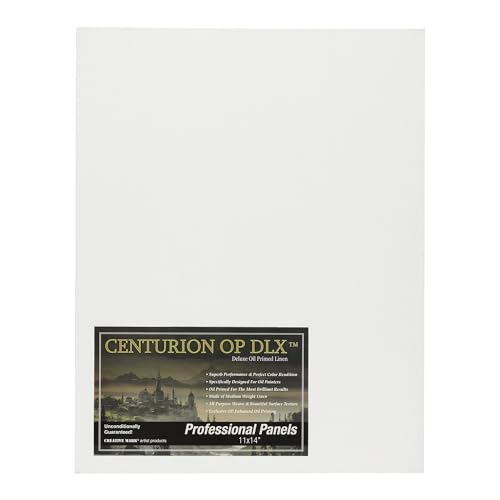
Centurion Deluxe Oil Primed Linen Canvas Panels 11×14 Inch 3 Pack

ESRICH Canvas Boards 12 Pack Mixed Sizes

ArtSkills Stretched Canvas 16×20 2-Pack

Goldfoilart Flower Canvas Wall Art Gold Foil 32 x 32 Inch
The Picks, Examined More Closely
A 24×36-inch canvas is where small sketches grow into actual statements, and this KINGART pair gives you two of them straight out of the box. The surface is 100% cotton with a medium grain, triple primed in gesso, which is the white coating that seals the fibers and keeps oil paint from soaking through over time.
The frame uses pine stretcher bars with a tight stretch and back-stapled corners, so you get a clean edge if you plan to leave the painting unframed. For anyone working large on a wall mural, an abstract pour, or a commissioned piece, that combination of scale and prep saves real hours.
Everyday Wins
- Triple gesso priming means you can start painting immediately without extra prep coats.
- The acid-free cotton surface helps finished oils age without yellowing underneath.
- Back-stapled edges give a tidy gallery look when hung without a frame.
- Handles acrylic, oil, pouring media, and mixed media without swapping surfaces.
Things To Consider
- At this size, store canvases flat or upright against a wall; leaning at odd angles can stress the stretch.
- Large-format shipping occasionally arrives with minor corner dings, so inspect on arrival.
Key Specs
Made For
Intermediate painters and mixed-media artists who want big walls filled without priming their own canvas.
Where A Sibling Pick Shines
Hobbyists who find 24×36 intimidating will get more mileage from the ESRICH 12-pack’s smaller boards for daily practice.
This one skips the blank-canvas stage entirely: a framed 24×36 print styled after antique European oil landscapes, all misty hills and shadowed trees in muted earth tones. It lands well above a sofa or console table, where its width does the visual heavy lifting.
The soft neutral palette is the quiet strength here. In most farmhouse, cottage, or modern-neutral interiors, tones like these blend instead of shouting, which matters when you already have patterned textiles competing for attention. Because it arrives framed and ready to hang, there’s no framing bill waiting after checkout, a real difference from stretched blanks like the KINGART set above.
Bright Spots
- Arrives framed, so hanging takes minutes rather than a trip to a framer.
- Muted earth palette coordinates easily with farmhouse and transitional decor.
- The 24×36 footprint anchors large walls without needing a gallery arrangement.
Worth Noting
- It’s a printed reproduction with painted styling, not an original oil, so texture is visual rather than physical.
- Dust the framed surface gently with a dry cloth; moisture near the frame joints can cause swelling over time.
Who Should Grab It
Renters and homeowners furnishing a living room or bedroom fast, especially anyone chasing a calm, vintage countryside mood.
Swap It Out When
For bolder color in a bathroom or bedroom, the Goldfoilart floral piece later in this list delivers more contrast than this quiet landscape.
Same large format as the KINGART opener, different mission. This ESRICH pair targets volume: two 24×36 blanks aimed at practice runs, classroom sessions, and paint-and-sip style group evenings where a ruined canvas shouldn’t sting.
The cotton surface comes pre-primed and acid-free, compatible with oil, acrylic, watercolor, tempera, and gouache. That breadth makes it a sensible shared supply for households where one person oils and another doodles in gouache. You may find the priming slightly thinner than premium brands, which is the usual trade-off at this tier, though a quick extra gesso coat fixes that cheaply.
Everyday Perks
- Two large canvases keep group events and practice series stocked in one order.
- Pre-primed, acid-free cotton accepts five different paint types without fuss.
- Low commitment per board encourages experimental, loose work.
Small Caveats
- Frame tension and corner finish sit a notch below studio-grade stretched options.
- Boards this size need dedicated flat storage between sessions.
The Right Fit
Students, hobby groups, and casual painters who want big surfaces without studio pricing.
Reach For A Different Pick When
Commissioned or archival oil work deserves the Centurion linen panels reviewed next, not a value-tier cotton blank.
Linen is the traditionalist’s choice for oil painting: stronger fibers, a finer weave, and a reputation for outlasting cotton by decades. Centurion’s Deluxe panels mount medium-weight linen onto rigid MDF board, so unlike the stretched canvases earlier in this list, there’s no flex under brush pressure and no risk of the panel warping in storage.
The oil priming is the headline. Painting directly onto an oil ground gives oils their intended bite and glide, something acrylic-primed cotton can’t quite replicate. Plein air painters also love rigid panels because they slide into a pochade box far more safely than a floppy stretched canvas.
The Upside
- True oil priming suits oil and alkyd techniques at a professional level.
- Acid-free, archival construction supports long-term longevity for commissioned work.
- Rigid 1/8-inch MDF backing travels well and never sags under brushwork.
- Medium texture balances detail control with visible tooth.
Points To Note
- Oil grounds are designed for oils; acrylic adhesion on this surface is not its purpose.
- The 11×14 size won’t satisfy anyone chasing large statement walls.
Feature Rundown
Built With In Mind
Serious oil painters producing gallery, commissioned, or plein air work that needs to last.
Consider Something Else When
Beginners still learning color mixing will burn through money faster here; the ArtSkills 16×20 pair is the friendlier starting point.
Twelve boards across four sizes, from 4×4 inch squares up to 8×10, cover nearly every small-format need a household can throw at them. Kids get the little squares, adults take the 8x10s, and nobody argues over supplies.
These are rigid panels rather than stretched frames, which means they’re light, stackable, and easy for small hands to manage. The pure cotton faces arrive pre-primed and accept acrylic, oil, gouache, and tempera alike. Compared with the single-size ESRICH pack earlier, this set trades canvas area for sheer variety, and for classrooms or family craft shelves, variety usually wins.
The Practical Payoff
- Four sizes suit everything from mini studies to framed shelf art.
- Twelve boards mean a failed experiment costs almost nothing emotionally.
- Rigid panels store flat in a drawer, no easel or wall space required.
- Primed cotton handles four common paint types for mixed-age use.
A Few Limitations
- No size exceeds 8×10, so ambitious compositions need the larger picks here.
- Panel edges are unfinished, so most pieces will want a frame before display.
Quick Facts
Whose Shelf It Belongs On
Teachers, parents, and sketchbook-style artists who cycle through small studies weekly.
Not Your Match When
Anyone wanting a hangable large piece should jump back to the KINGART 24×36 set instead.
There’s a reason 16×20 became the default beginner size: it’s big enough to practice composition honestly, small enough to finish in one sitting. ArtSkills sells exactly that, as a framed pair, aimed squarely at first-time painters and casual paint-night crowds.
The brand built its name on accessible craft supplies, and this set keeps that spirit. Standard acrylics and oils go down fine on the pre-stretched surface, and because both canvases match, you can paint one subject twice and compare progress, which is a surprisingly effective learning trick.
Notable Upsides
- Pre-stretched and ready to paint, zero setup for newcomers.
- Two matching boards support side-by-side practice of the same subject.
- Standard 16×20 sizing fits widely available off-the-shelf frames.
Practical Considerations
- Spec depth beyond size and count is sparse, so treat it as a basic utility surface rather than a premium one.
- Keep finished pieces away from damp walls; stretched cotton can loosen slightly in humidity.
Right Fit For
Complete beginners, teens, and anyone hosting a relaxed group painting night at home.
Another Choice May Suit
Growing artists ready for finer materials should step up to the Centurion linen panels once basics feel comfortable.
A square 32×32 abstract floral with genuine hand-applied embellishment sets this apart from flat prints. An artist adds textured, hand-painted accents over the reproduction, then gold foil lifts the highlights, so the piece catches light differently through the day in a way ordinary prints simply don’t.
Gallery-wrapped on wooden bars with hooks included, it hangs without a separate frame, and the square shape suits spots where rectangles feel awkward: above a bed, a vanity, or a bathroom towel bar. The design is licensed through PI Creative Art, worth knowing since licensed florals tend to hold up better stylistically than anonymous clip-art prints.
Strengths Worth Knowing
- Hand-applied texture and gold foil give dimensional, light-catching depth.
- Gallery wrap plus mounted hooks means assembly and hanging take minutes.
- The square format fills awkward wall zones standard prints can’t.
- Licensed artwork adds credibility to the design itself.
Details To Watch
- Gold foil finishes deserve gentle dusting only; abrasive cloths can dull the shine.
- Its bold metallic character overwhelms very quiet, minimalist rooms.
Product Snapshot
Perfect Match For
Decorators wanting a glamorous focal point for bedrooms, bathrooms, or dressing areas.
Look Elsewhere When
Rustic or farmhouse rooms will sit better with the VIYYIEA vintage landscape reviewed earlier in the lineup.
What Matters Most Before Choosing Canvas Oil Paintings
Surface And Support
Cotton canvas is affordable and forgiving, which is why every beginner set on this list uses it. Linen, like Centurion’s panels, costs more but resists expansion and contraction better, a real advantage for oil paintings meant to last decades. Match the material to how long you expect the piece to matter.
Format: Panel Or Stretched
Stretched canvases flex slightly and suit large expressive work. Rigid panels stay dead flat, travel safely, and slip into standard frames, making them smarter for studies, small formats, and wet oil paint carried home from outdoor sessions.
Priming And Paint Compatibility
Gesso priming suits acrylics and general use; true oil priming rewards oil painters with better glide and adhesion. Buying a pre-primed surface saves hours, but check that the priming matches your medium before committing to a full pack.
Size Relative To Your Wall Or Skill
Oversized canvases overwhelm small rooms and beginner confidence alike. Start around 16×20 while learning composition, then scale up to 24×36 or larger once your brushwork earns the space.
Key Considerations Across These Picks
Traps First Timers Fall Into
The classic mistake is buying huge canvases first. A 24×36 blank feels inspiring until you face it with a half-mixed palette. Another common slip: pairing watercolors with heavily sized canvas, which beads badly. Read compatibility notes before checkout, and start one size smaller than your ambition suggests.
What Separates Premium From Basic
Higher-tier surfaces spend money where you can’t see it: tighter linen weaves, oil-based grounds, acid-free cores, and sturdier stretcher bars. Those details show up years later as flat, crack-free paintings. Pay up for archival work; save on practice stock without guilt.
Frequently Asked Questions
Are canvas oil paintings always handmade?
No. Many wall-art canvases are high-quality prints, sometimes enhanced with hand-applied texture or foil, like the Goldfoilart piece here. True originals are usually labeled as hand-painted or original works.
Can acrylic paint be used on oil-primed canvas?
Generally no, since acrylic struggles to adhere to oil grounds long-term. Stick to oils or alkyds on oil-primed surfaces such as the Centurion panels.
What size canvas should a beginner start with?
Most teachers recommend 11×14 to 16×20 inches. That range is large enough to practice real composition yet small enough to finish in a session.
Do stretched canvases come ready to paint?
Yes, pre-stretched and pre-primed options like the KINGART and ArtSkills sets need no preparation. You can apply paint the moment they’re unpacked.
How should finished canvas paintings be stored?
Store them upright or flat in a dry, temperature-stable room, separated by acid-free paper. Avoid humid basements and attics, where canvas tension and coatings suffer.
Closing Remarks
Blank surfaces and finished art serve different moods, and this list deliberately covers both. Pick the KINGART or ESRICH sets to build skills, the Centurion panels to protect serious work, and the VIYYIEA or Goldfoilart pieces when the wall itself is the project. Whichever direction fits your week ahead, matching the surface to the job is what turns a good idea into something worth hanging.
