
Cardboard projects live or die by the adhesive holding them together. Whether you’re building a school diorama, shipping prototypes, or assembling moving-day boxes that won’t split at the seams, the wrong glue means warped paper, soggy flutes, or joints that pop open overnight. This roundup sorts seven widely available adhesives into clear roles so you can match one to your project without guessing.
A Snapshot Of The Selections

Aleene’s All Purpose Tacky Glue, 8-Ounce, Clear
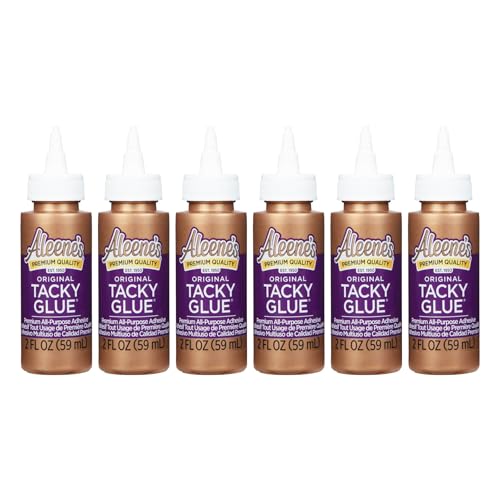
Aleene’s Original Tacky Glue 6-Pack

LOOCTOT Super Glue with Brush Applicator & Nozzle 20g

Scotch Quick-Drying Tacky Glue, 2 oz

Scotch Permanent Glue Sticks (2-Pack)
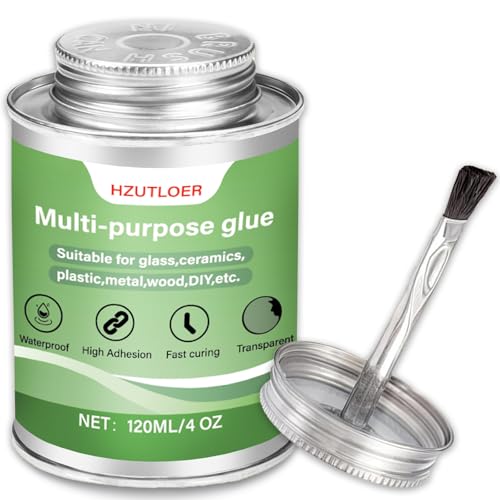
Hzutloer Multi-Purpose Super Glue with Brush, 120ML

Craft County All-Purpose Tacky Glue
Why These Options Stand Out
Tacky glue gets its name from a thick, grabby consistency that holds pieces in place before drying, and this clear 8-ounce version leans into that strength across an unusually wide material list. Fabric, burlap, wood, glass, ceramic, styrofoam, most plastics, and yes, cardboard all fall within its range, which makes it a single-bottle answer for mixed-media builds.
In practice, that flexibility matters most when your project combines surfaces, say a cardboard shadowbox with fabric backing and a ceramic accent. One caveat worth planning around: garments you intend to wash should stay off this adhesive entirely.
The Upside
- Bonds an unusually broad spread of materials, cutting down the number of adhesives in your drawer.
- The tacky texture grips cardboard immediately, so pieces stay put without clamps or pins.
- Dries transparent with some flex, keeping visible seams tidy on finished craft work.
- An 8-ounce fill lasts through several sizable projects before a reorder.
Things To Consider
- Washable wearables are off-limits; owners commonly report bonds loosening in the laundry.
- Thick formula needs a little patience to set compared with instant cyanoacrylates.
At A Glance
Who It Suits Best
Mixed-media crafters who regularly combine cardboard with fabric, wood, or decorative odds and ends will get the most mileage here.
Where A Sibling Pick Shines
Pure paper-and-cardboard tasks with tight precision needs suit the Scotch Quick-Drying Tacky Glue better, thanks to its fine-tip applicator.
This is the classic Aleene’s formula in six 2-fluid-ounce bottles, and the multi-pack format changes who it serves. Teachers stocking a craft station, scout leaders running badge projects, and parents hosting rainy-day sessions burn through small bottles fast, and losing one cap under a couch costs far less than losing a big jug.
The adhesive itself dries quickly and clears up, matching the behavior of the larger Editor’s Choice bottle above. You give up bulk volume per bottle but gain redundancy and easy distribution across workstations.
Notable Gains
- Six separate bottles mean several kids can share a table without passing glue around.
- Fast-drying, clear-setting formula keeps project momentum going during group sessions.
- A lost or clogged bottle barely dents your supply, unlike a single large container.
Trade Offs
- Total volume trails a single 8-ounce jug, so heavy solo users pay more per ounce over time.
- Small caps are easy to misplace in busy classrooms; a storage bin solves it.
Made For
Classroom teachers, troop leaders, and families running frequent group craft days benefit most from this pack format.
Consider Something Else When
Solo hobbyists working large mixed-material builds should reach for the Aleene’s 8-Ounce Clear version instead for better value per pour.
Cyanoacrylate, the chemistry behind super glues, sets in seconds through moisture reaction rather than evaporation, and this LOOCTOT bottle packages it with two application paths. Twist out the built-in brush for spreading thin coats across wide cardboard panels, or use the nozzle tip for pinpoint drops on miniature joints.
The maker’s guidance calls for pressing parts together for roughly 10 to 30 seconds, then letting the bond cure fully over 24 hours. That two-stage timeline suits detail-heavy model work where speed matters early and strength matters later. Compared with the tacky glues earlier on this list, expect a rigid bond rather than any flex.
The Good Stuff
- Dual applicators cover both broad spreads and hairline precision without swapping tools.
- Initial grip forms within half a minute, ideal for holding awkward angles hands-free.
- Thickened viscosity reduces drips on vertical cardboard edges.
Small Caveats
- Full curing takes about a day, so handle assembled pieces gently overnight.
- Surfaces must be clean and dry first; dust or oil weakens the joint noticeably.
- At 20 grams, the supply runs out faster than liquid glue bottles for big projects.
Quick Facts
Right Fit For
Scale-model builders and 3D-print enthusiasts doing fine assembly work on cardboard, plastic, and resin parts will appreciate the dual tips.
A Better Fit Elsewhere
Larger household repair jobs call for the Hzutloer Multi-Purpose Super Glue later in this list, whose much bigger bottle handles repeated use.
Where the Aleene’s options chase versatility, this Scotch bottle targets paperwork specifically. Its no-run consistency stays exactly where applied, and the formulation avoids wrinkling or bleeding through thin sheets, a failure mode that ruins posters and layered card stock. The fine-tip applicator gives you line-level control along box seams and folded edges.
It also carries a nontoxic rating and resists yellowing over time, which matters for keepsake scrapbooks and archival-style projects stored for years. Desk drawers and office supply kits are its natural habitat.
Everyday Advantages
- No-run body keeps glue off report covers, photos, and finished surfaces.
- Won’t bleed through or wrinkle paper, protecting presentation-quality work.
- Fine tip traces narrow beads along cardboard folds cleanly.
- Nontoxic formula fits shared desks and supervised kid use comfortably.
Points To Note
- The 2-ounce fill depletes quickly on bulky cardboard construction projects.
- Its paper-first focus makes it a weaker choice for wood, fabric, or plastic pairings.
Core Details
Who Will Love This
Office workers, students, and presentation builders who mostly join paper, card stock, foam board, and light cardboard will find it hard to fault.
Skip It When
Heavy structural cardboard builds with load-bearing joints belong with the Craft County All-Purpose Tacky Glue, which brings more grip for chunky assemblies.
Glue sticks trade raw bonding power for absolute cleanliness, and for flat paper-on-cardboard work like scrapbooking, photo mounting, and collage, that trade often pays off. There’s nothing to squeeze, nothing to drip, and young children can apply it themselves without supervision drama. The stick format also travels well in pencil cases and travel craft kits.
These sticks form a permanent, wrinkle-resistant hold on paper, cardboard, photos, and light fabric, with a composition gentle enough for long-term photo albums since it won’t degrade pages over time. Two sticks come per pack, doubling runway between replacements.
A Few Strong Suits
- Zero-mess application means no cleanup after kids’ crafting sessions.
- Permanent bond holds photos and paper layers without curling them.
- Gentle chemistry suits archival albums where long-term stability counts.
- Two-pack format keeps a spare in a bag, desk, or kit drawer.
Honest Caveats
- Thin coverage struggles on porous corrugated edges; owners commonly report needing extra passes there.
- No structural strength, so three-dimensional cardboard assemblies need a liquid adhesive instead.
The Right Fit
Scrapbookers, teachers of younger grades, and anyone mounting flat materials will find this the least fussy option on the list.
Another Choice May Suit
Projects needing genuine holding power on thick flutes should step up to the Aleene’s Original Tacky Glue 6-Pack for real penetration.
Most super glues arrive in tiny tubes meant for occasional fixes. This one ships as a 120ML bottle, roughly six times the content of the LOOCTOT option above, aimed at households that repair things weekly rather than yearly. Rubber, PVC, acrylic, wood, ceramics, leather, and plastics all sit inside its bonding range alongside cardboard.
The included brush reaches tight spots and lets you control how much adhesive lands on each surface, which matters because cyanoacrylate bonds aggressively and mistakes show. The maker describes waterproof performance with high temperature resistance, so garage, garden-shed, and workshop environments are realistic settings for it.
Useful Touches
- The large bottle serves months of recurring repairs before replacement.
- Brush application controls flow into corners and delicate joins.
- Waterproof, heat-tolerant bonds survive damp basements and hot garages.
- One bottle covers rubber, PVC, acrylic, wood, ceramic, leather, and plastic.
Worth Bearing In Mind
- Cyanoacrylate cures rigid, so flexible joints or shock-prone items may crack loose over time.
- Keep the cap sealed tightly; air exposure thickens the remaining glue in the bottle.
- Overkill for simple paper crafts, where a tacky glue does the job with less risk.
Feature Snapshot
Built With In Mind
DIYers maintaining a home workshop and tackling mixed-material repairs week after week will put every milliliter to work.
Reach For A Different Pick When
Delicate miniature assembly with short cure windows fits the LOOCTOT Super Glue better, given its lighter 20-gram format and dual tips.
Craft County’s entry competes directly with the Aleene’s formulas at the top of this list, offering a 4-ounce middle ground between the 8-ounce jug and the 2-ounce multipack. Its tacky body grabs paper, lightweight wood, fabric, and ceramics, then holds pieces in place while you position them, which saves constant re-gluing on wobbly builds.
The bottle shape earns specific mention: it’s sized to fit a hand comfortably, and the compact footprint stores in a craft caddy, toolbox, or junk drawer without fuss. In our view, that everyday ergonomics angle is its quiet selling point against bigger jugs that get clumsy near the end.
Well-Handled Touches
- Ultra-strong grip spans paper, light wood, fabric, and ceramics for varied projects.
- 4-ounce fill balances longevity against storage convenience.
- Comfortable bottle shape supports steady, controlled squeezing during long sessions.
- Doubles as a household repair adhesive, not just a craft supply.
Potential Drawbacks
- Mid-size volume means frequent users restock sooner than with the 8-ounce Aleene’s.
- Tacky formulas demand prompt cap closure or the nozzle gums up between uses.
Key Specs
Whose Shelf It Belongs On
Weekend hobbyists balancing craft tables and home repair kits will find this mid-size bottle hits a practical sweet spot.
Where Another Pick Suits Better
Group settings burning through adhesive quickly fit the Aleene’s Original Tacky Glue 6-Pack more naturally than a single mid-size bottle.
What Matters Most Before Choosing Cardboard Glues
Match The Adhesive To The Material Stack
Corrugated cardboard absorbs moisture differently than coated paper, plastic, or fabric, and each pairing favors a different chemistry. PVA-based tacky glues soak into fibers and flex with the board, making them the default for layered builds. Cyanoacrylate super glues lock rigid and shine on non-porous additions like acrylic accents or ceramic tiles bonded to a cardboard base. Listing every material in your project before shopping prevents buying a bottle that fails on half your surfaces.
Weigh Cure Time Against Your Workflow
Tacky glues let you reposition pieces for a minute or two, forgiving imperfect alignment, while super glues demand placement accuracy within seconds. School deadlines and production runs reward the fast initial set of cyanoacrylates; leisurely weekend builds benefit from the adjustability of slower formulas. Full-cure windows matter too, since many adhesives need 24 hours before bearing load regardless of how quickly they feel dry.
Think About Application Control
Fine tips, brushes, and nozzles determine whether glue lands where intended. Broad cardboard panels forgive sloppy application, but box seams, dollhouse trim, and layered card stock punish it. A no-run body also protects finished surfaces underneath, which matters enormously for posters and presentation boards.
Factor In Safety And Storage
Nontoxic ratings matter in homes with children and shared classrooms. Storage habits extend shelf life equally: caps sealed tightly and bottles kept upright keep both PVA and cyanoacrylate formulas usable far longer than careless handling allows.
Smart Habits Around These Picks
Traps First Timers Fall Into
Grabbing a single all-purpose bottle for every job is the most common misstep, since photo mounting, structural boxes, and mixed-material art each pull toward different chemistries. Skipping surface prep ranks close behind; dust and oils sabotage even strong adhesives. Buying tiny tubes for large-volume projects inflates cost per ounce over a season of regular use.
When Paying More Pays Off
Larger bottles and premium formulations earn their keep through frequency of use. A 120ML super glue pays for itself once repairs become routine, and name-brand tacky formulas tend to dry clearer with fewer lumps. Occasional crafters lose nothing by starting small and upgrading only when usage justifies it.
Frequently Asked Questions
Does tacky glue work well on corrugated cardboard?
Yes, its thick body penetrates the flute edges and grips immediately. It remains the default choice for most cardboard construction.
How long should cardboard glue dry before handling?
Light handling is usually safe within minutes for tacky glues. Full bond strength typically develops over several hours to a full day depending on the formula.
Can super glue be used on cardboard?
It can, especially for attaching non-porous parts like plastic or metal accents. On bare corrugated fiber alone, a flexible PVA glue usually performs better.
What removes dried glue from cardboard surfaces?
Gentle scraping with a dull edge lifts excess PVA glue once fully cured. Cyanoacrylate residue generally requires careful sanding on cardboard.
Is glue suitable for shipping boxes that carry weight?
Standard craft glues aren’t designed for structural loads. Reinforce seams with packing tape and reserve adhesives for light-duty cartons.
Closing Remarks
The right adhesive depends less on brand loyalty and more on honest inventory of your projects. Flat paper work points toward the Scotch glue sticks, structural cardboard builds favor the Aleene’s tacky formulas, and mixed-material repairs justify a serious super glue. Start with the bottle that matches your next project, and let actual usage tell you what to add.
