
Handmade cards live or die by the paper. Too thin and the ink bleeds through; too thick and your printer jams halfway through a batch of invitations. This roundup covers six cardstocks that solve different parts of that problem, from bulk color assortments to heavyweight white cover stock. Whether you run a home craft table or print stationery for a small side business, one of these will fit the way you actually work.
The Leading Options At A Glance
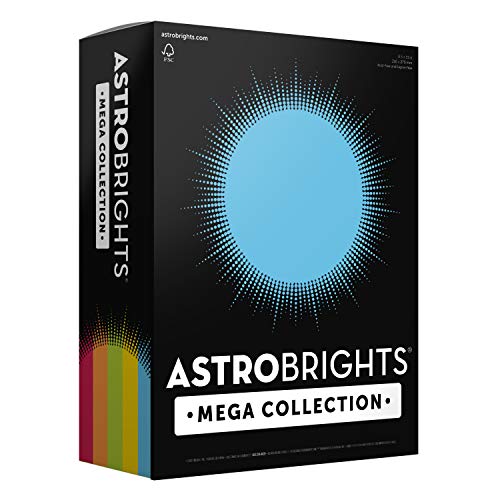
Astrobrights Mega Collection Colored Cardstock 320 Sheets

Cranium Press Heavyweight White Cardstock 80 lb, 50 Sheets

YASMEN Scrapbook Paper Pad 24 Pcs 6×6

FLIPPED Blue Cardstock 8.5 x 11, 30 Sheets 85 lb
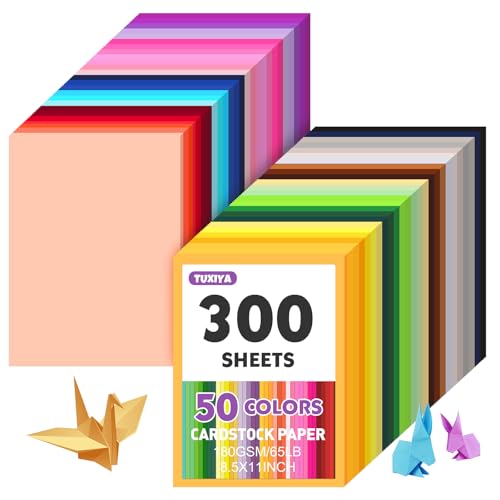
TUXIYA Colored Cardstock 300 Sheets, 50 Colors

TUXIYA Colored Cardstock 100 Sheets, 50 Colors
The Strengths Of Each Pick
Card making eats paper fast, and running out mid-project is the kind of frustration nobody needs. The Astrobrights Mega Collection answers with 320 sheets at a standard letter size, split across a five-color assortment rather than a single hue. At 65 lb (176 gsm), it folds cleanly around a scored crease without cracking, which matters more than raw thickness for greeting cards.
The sheets are lignin-free and acid-free, so colors stay true instead of yellowing over the years in a keepsake box. It also runs through copiers, inkjet, and laser printers without complaint, handy when you want printed text layered over colored card fronts.
Why It Works Well
- 320 sheets means fewer reorders during busy card-making seasons like holidays.
- Five coordinated shades let you build matching envelopes, inserts, and card bases from one pack.
- Acid-free and lignin-free construction protects scrapbook pages and archived cards from fading.
- Handles inkjet, laser, and copy machines, so printing sentiments directly on the card is realistic.
Things To Consider
- At 65 lb, this is the lightest stock in the roundup; layered embellishments may need a heavier base underneath.
- Five colors is generous but limited compared to the 50-shade TUXIYA packs later on this list.
Key Specs
Who Should Grab It
Teachers, event helpers, and hobbyists producing cards in volume will get the most mileage from this pack.
Where A Sibling Pick Shines
For pure white printed invitations, the Cranium Press 80 lb stock gives you a smoother, brighter canvas.
White cardstock looks simple until you compare a cheap sheet against a bright-white, smooth-finish one side by side. Cranium Press leans into that difference with an 80 lb (216 gsm) cover stock aimed squarely at printed pieces: invitations, business cards, menus, and formal stationery. The high-bright shade makes black text look sharper and photos pop.
Ink holdout is the phrase worth knowing here; it describes how well a sheet keeps ink sitting on the surface instead of soaking in and blurring. This stock is built to resist show-through, so double-sided prints stay clean. Fifty sheets suits smaller runs rather than bulk production.
The Value In It
- Smooth, bright-white surface delivers crisp printed type and vivid images.
- Minimal show-through supports two-sided designs like folded invitation interiors.
- 80 lb weight gives finished cards a substantial, professional feel in hand.
- Versatile enough to double as business card or menu stock for small events.
Small Caveats
- Fifty sheets runs out quickly if you’re test-printing layouts before a big event.
- No color options; everything here is white by design.
Made For
Anyone printing wedding invitations, formal announcements, or client-ready stationery at home.
Skip It When
Crafters chasing bold color variety will find far more range in the TUXIYA 300-sheet pack below.
Not every card starts as a blank sheet. Sometimes the design work is already done for you, and that’s the appeal of the YASMEN pad: 24 single-sided sheets at 6 x 6 inches, each carrying a finished retro-style pattern. Layer them as card backgrounds, cut borders, or mat them behind a stamped sentiment.
The paper is acid- and lignin-free with a smooth, even surface, so it plays nicely next to the plain cardstocks earlier in this list. Single-sided printing keeps costs down, though it does mean the reverse shows plain white. In our view, that’s a fair trade at this format size.
Points In Its Favor
- Pre-printed patterns skip the design step entirely for quick, cohesive cards.
- Acid-free sheets are safe for journals and albums meant to last.
- 6-inch squares suit A2 card fronts, planner pockets, and journal spreads alike.
Trade Offs
- Single-sided sheets leave the back blank, limiting reversible uses.
- Retro styling won’t match every aesthetic; check pattern previews first.
- Thinner decorative paper generally wants mounting on heavier cardstock.
Feature Snapshot
Right Fit For
Journal keepers and scrapbookers who want instant visual interest without designing their own backgrounds.
Another Choice May Suit
Plain-card purists should reach for the FLIPPED royal blue stock instead for solid, heavy-duty color.
Thirty sheets sounds modest until you notice the weight: 85 lb (230 gsm), the heaviest stock in this roundup. That extra body is exactly what gift tags, box bases, and structural card elements need. The royal blue shade is deep and saturated on both sides, useful when a card opens to reveal color rather than white core.
The surface texture sits in a deliberate middle zone, textured enough for pencil and marker grip yet smooth enough to feed through inkjet and laser printers. Owners commonly report good ink adhesion across mediums, though heavier coverage always benefits from a brief drying pause.
Useful Touches
- 85 lb weight holds up to die-cutting, embossing, and layered embellishments.
- Double-sided coloring eliminates white edges on cut shapes and tags.
- Balanced texture accepts both wet inks and dry mediums without pilling.
- Printer-compatible despite the thickness, assuming your machine handles cover stock.
Less Ideal Details
- One color only; you can’t mix shades within the pack.
- Some home printers struggle with 230 gsm, so check your tray specs first.
- Thirty sheets covers fewer projects than the Astrobrights mega pack.
Quick Facts
Whose Shelf It Belongs On
Card makers building layered designs, tags, or anything needing real rigidity will appreciate this stock most.
Swap It Out When
Multi-color variety matters more than thickness, the Astrobrights Classic assortment serves better.
Compare this to the five-color Astrobrights pack and the difference is obvious: fifty distinct shades, six sheets each, 300 sheets total. Pastels sit next to jewel tones, neutrals next to neons, so nearly any theme a card calls for is already represented. Group settings like classrooms and craft circles burn through this kind of assortment quickly.
You give up some things for the breadth. Sheet counts per color are small, and the stock itself is lighter than the FLIPPED 85 lb option. Still, for everyday card fronts, layering, and kids’ projects, the trade usually lands in your favor.
What Works In Its Favor
- Fifty colors cover seasonal themes, birthdays, and holidays without extra purchases.
- Six sheets per shade allow matching sets of invitations or party cards.
- Letter-size sheets feed standard printers and cutting machines.
- Large total volume suits classrooms, scout groups, and family craft sessions.
What To Weigh
- Six sheets per color disappears fast once you settle on a favorite shade.
- Lighter weight limits heavy embellishment work compared to thicker picks.
- Storage takes real drawer space at 300 sheets.
Details At A Glance
Who Will Love This
Teachers, camp leaders, and households with several young crafters get genuine value here.
Consider Something Else When
Serious card makers wanting premium feel should weigh the Cranium Press white stock for their base layers.
This is the sampler version of the previous pick: the same fifty-shade palette, trimmed to two sheets per color for 100 sheets total. That makes it a sensible first purchase for someone still discovering which colors they actually use. Two sheets per shade is enough for a card plus a practice run, nothing wasted.
The honest read is that frequent crafters will outgrow it quickly and end up buying the 300-sheet version anyway. Occasional makers, though, get the full color experience at a smaller commitment and a smaller storage footprint.
Useful Strengths
- Full fifty-color range in a compact, low-commitment pack.
- Two sheets per shade suits testing palettes before scaling up.
- Letter-size format works with home printers and standard trimmers.
Honest Caveats
- Two sheets per color restricts matched multi-card batches.
- Dedicated crafters will likely need the larger TUXIYA pack soon after.
Best Suited To
Beginners, gift-givers assembling a starter kit, and anyone crafting only a few times a year.
Reach For A Different Pick When
Volume matters, and the 300-sheet TUXIYA sibling delivers triple the supply of the identical palette.
What Matters Most Before Choosing Cardstocks For Card Making
Weight Changes Everything
Paper weight, listed in pounds (lb) or grams per square meter (gsm), decides how a card feels and behaves. Lighter 65 lb stock folds crisply and feeds through almost any printer, while 85 lb cover stock stands up to die-cutting and layered decoration. Match the weight to the project: simple folded greetings do fine light, structural pieces need heft.
Finish And Print Compatibility
A smooth surface favors crisp laser and inkjet printing, whereas slight texture grips pencils, markers, and stamps better. Check that your chosen stock explicitly supports your printer type, since overly thick sheets jam narrow paper paths. Acid-free and lignin-free construction matters for anything destined for an album, because those papers resist yellowing over time.
Color Strategy
Solid assortments reward planners who know their palette; wide rainbow packs reward improvisers. Count sheets per color before committing, since a beautiful shade you only own twice will frustrate you the moment a batch order comes in. Decorative pads solve variety differently, trading plain flexibility for ready-made patterns.
Key Considerations Across These Picks
Traps First Timers Fall Into
The classic error is buying purely on sheet count and ignoring weight, then wondering why cards feel flimsy. Another common slip: skipping printer compatibility checks and discovering your machine can’t handle 230 gsm cover stock. Read the listed gsm figure against your printer’s maximum before ordering bulk.
Where The Extra Money Goes
Heavier weights cost more because they use denser fiber, and that density is what survives embossing, watercolor washes, and repeated handling. Premium white stocks also invest in brightness and surface uniformity, which shows up directly in print quality. Paying up pays off mainly for visible centerpiece cards, not everyday practice pieces.
Frequently Asked Questions
What weight cardstock works best for greeting cards?
Most folded greeting cards perform well between 65 lb and 80 lb (176 to 216 gsm). Heavier stock suits card bases with layered embellishments.
Can I print on cardstock with a home printer?
Many home inkjet and laser models accept cardstock through the rear or manual tray. Always confirm your printer’s maximum supported gsm first.
What does acid-free mean for card making?
Acid-free paper lacks the chemicals that cause yellowing and brittleness over time. It’s essential for keepsake cards and album pages.
How many sheets do I need to start card making?
Around 50 to 100 sheets covers months of casual hobby crafting. Event production or classroom use justifies 300-sheet bulk packs.
Is single-sided patterned paper usable for cards?
Yes, especially as background layers mounted on solid cardstock. The blank reverse simply limits reversible folding designs.
Bottom Line
The right choice comes down to how you craft. Volume makers lean toward the Astrobrights Mega Collection, print-focused creators toward Cranium Press, and color explorers toward either TUXIYA pack depending on commitment level. Add the FLIPPED blue stock for structure-heavy projects and the YASMEN pad for instant patterns. Start with the profile closest to yours and adjust from there.
