
A favorite mug with a snapped handle shouldn’t end up in the trash. The right adhesive brings it back to daily duty, holding through hot coffee, dish handling, and years of shelf life. This roundup sorts seven ceramic glues by viscosity, cure time, and finish so you can match one to your specific break.
The Main Contenders

KRAFTPROTZ Porcelain Super Glue Gel 1.75 oz

ALECPEA Ceramic Repair Glue 20g Thin Formula
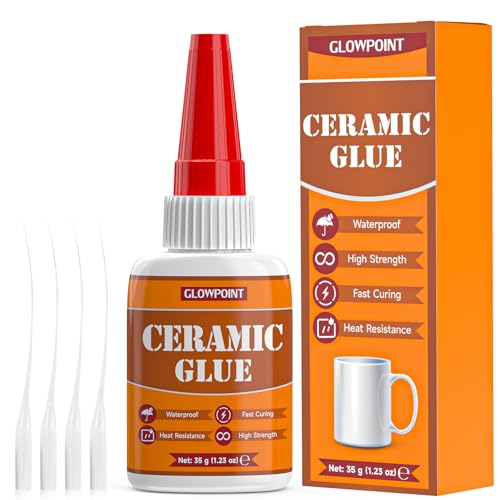
GLOWPOINT Ceramic Glue 35g Waterproof Repair
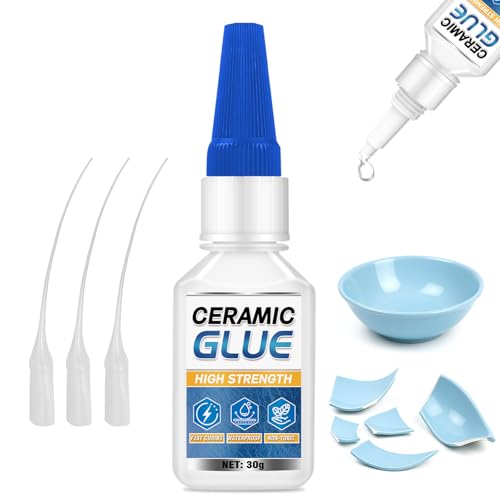
Vigorder Ceramic Glue Repair Kit 30g

LOOCTOT Ceramic Glue 30g No Smell

LEENEXUS Super Gel CA Adhesive 5g

WOUSEDO Ceramic Glue 30g High-Strength
What Each Pick Brings To The Table
A snapped handle is the classic mug failure, and it demands an adhesive that stays put while you align the pieces. This KRAFTPROTZ gel is a cyanoacrylate (the fast-bonding resin behind most super glues) thickened into a no-run consistency, which means gravity works with you instead of against you on curved or overhead surfaces.
The 1.75 oz bottle holds far more than typical single-use tubes, so a single purchase covers several repairs around the house. Owners commonly report clean results on white and colored ceramics alike thanks to the clear-curing formula.
Useful Highlights
- No-drip gel texture lets you reattach a handle without the bond sliding off mid-alignment.
- Dries crystal clear, so repaired rims and spouts stay visually quiet on patterned china.
- Generous 1.75 oz volume supports multiple projects rather than one-and-done use.
- Sets quickly enough that clamping time stays short.
Things To Consider
- Cyanoacrylate bonds skin fast, so gloves are a smart habit during application.
- The thick body means it won’t soak into hairline cracks the way a thin glue can.
Key Specs
Who It Suits Best
Anyone tackling structural breaks like handles and chipped edges where the glue must hold its position before setting.
Where Another Pick Suits Better
Shoppers dealing with hairline fractures will get better coverage from the ALECPEA thin formula, which wicks into narrow seams.
Most glues sit on top of a crack like frost on a window. This one behaves differently: the low-viscosity liquid exploits capillary action, meaning surface tension pulls the adhesive deep into narrow seams on its own. You touch the nozzle to the fracture line and watch it disappear inside.
That behavior makes it the specialist of this list. Tea sets, glazed pottery, and tight-fitting breaks benefit most, since thick gels leave weak bridges over gaps they cannot enter. Setting happens in roughly 15 seconds, so alignment windows stay short but manageable.
Notable Gains
- Capillary wicking fills hairline cracks that thicker adhesives simply bridge over.
- Roughly 15-second set keeps small repairs moving at a brisk pace.
- Water-resistant cured bond stands up to washing on mugs and bowls.
- Works across porcelain, tile, vases, and sinks beyond just drinkware.
Minor Gripes
- Thin liquids run fast, so vertical or overhead repairs need careful, sparing drops.
- Gap-filling strength is limited; wide breaks need a gel-style adhesive instead.
Made For
Patient hobbyists restoring delicate tea sets or heirloom pieces where the crack itself, not a missing chunk, is the problem.
Consider Something Else When
For heavy handle reattachments, the KRAFTPROTZ gel offers better gap-filling body and placement control.
Bigger jobs call for bigger bottles. At 35 grams, this GLOWPOINT option carries the largest capacity here, comfortably ahead of the LOOCTOT and WOUSEDO 30g offerings, and it arrives with precision nozzles for controlled beads. That combination suits anyone facing a multi-shard break or a batch of repairs in one sitting.
The cure profile rewards patience: light pressure for 30 to 45 seconds gets an initial set, while full bonding strength develops over 24 hours. One widely shared tip matters here, applying a thin layer beats piling it on, since excess adhesive can actually weaken the joint.
Good Reasons To Consider
- 35g supply handles several mugs, tiles, or figurines from a single bottle.
- Interchangeable precision nozzles give you bead control for narrow versus broad surfaces.
- Waterproof and heat-resistant cure suits kitchenware that sees steam and hot drinks.
- Fast initial tack in about half a minute reduces clamp fiddling.
Points To Note
- The 24-hour full cure means repaired mugs should rest a day before daily use.
- Overapplication weakens joints, which trips up first-timers used to generous glue layers.
Feature Rundown
Right Fit For
DIYers with a queue of broken ceramics who want one well-equipped bottle to clear the backlog.
Look Elsewhere When
Minimalists fixing one small figurine may prefer the LEENEXUS 5g tube, which avoids leftover adhesive drying in storage.
Not every household break involves ceramic only. This Vigorder kit positions itself as the generalist: the manufacturer lists compatibility with pottery, porcelain, dishes, and glass, so a shattered drinking glass and a cracked planter can share one bottle. In a busy home, that flexibility earns its drawer space.
The formulation targets fragile materials specifically, delivering a strong initial grip on smooth, low-porosity surfaces where generic craft glues struggle. Water resistance and high temperature tolerance make it a reasonable candidate for bathroom tiles and outdoor pottery too, depending on exposure levels.
Noteworthy Benefits
- Bonds glass alongside ceramics, covering more household accidents per bottle.
- Strong adhesion tuned for smooth, fragile surfaces that resist ordinary glues.
- Heat and water resistance extend usefulness to bathrooms and covered outdoor spots.
- Long-lasting hold reduces repeat repairs on frequently handled items.
Honest Caveats
- Being a jack-of-all-trades means no single-material optimization; dedicated ceramic formulas may edge it out on pure porcelain work.
- Cured adhesive on skin is difficult to remove, another reason gloves earn their keep.
Who Will Love This
Households wanting one repair kit that covers mugs, dishes, glassware, and the occasional garden pot without stocking multiple adhesives.
Skip It When
Collectors focused purely on fine china may find the GLOWPOINT’s heat resistance and nozzle kit a more tailored fit.
Two details separate this LOOCTOT bottle from the crowd. First, an anti-clogging cap, a small pin-sealed opening that keeps the nozzle usable between projects instead of gluing itself shut. Second, the manufacturer notes no lingering odor after curing, a genuine comfort when repairing mugs you’ll drink from.
Performance numbers land competitively: initial adhesion within 10 to 30 seconds, waterproofing after a full day, and a claimed strength bump over standard super glue. The honest caveat is that gloves come strongly recommended, standard practice for any cyanoacrylate product.
A Few Strong Suits
- Anti-clogging cap keeps the bottle ready months after the first repair.
- Odor-free cured finish suits drinkware you use every morning.
- Transparent result blends with any glaze color.
- 10 to 30 second tack makes quick fixes genuinely quick.
Small Caveats
- Full water resistance takes 24 hours, so washed items need patience.
- Gloves are strongly advised, adding one step to casual repairs.
Product Snapshot
Built With In Mind
Casual fixers who repair something a few times a year and want a bottle that still works when they reach for it.
Reach For A Different Pick When
Crack-filling precision matters more than convenience, and the ALECPEA thin glue’s wicking action becomes the smarter tool.
Five grams sounds tiny next to the 30g bottles earlier in this list, and that’s the point. Small tubes suit small objects: figurines, teacup handles, decorative vases where a few precise dots do the whole job. Leftover glue hardening in a half-empty big bottle is a common complaint, and this format sidesteps it entirely.
The side-squeeze bottle gives you thumb-level flow control, easier to meter than hard plastic tubes that burp out too much. Like the KRAFTPROTZ, it’s a gel-body cyanoacrylate, so it holds position on vertical vase walls and curved handles without sagging.
Useful Strengths
- Side-squeeze applicator delivers controlled micro-doses for delicate work.
- Gel body stays exactly where placed, even on upright surfaces.
- Clear, waterproof cure keeps repaired decor presentable.
- Small format avoids waste on infrequent, single-object fixes.
Softer Spots
- 5g runs out fast on large projects or multi-item repair sessions.
- Owners commonly report gel tips needing a wipe after each use to prevent nozzle clogs.
At A Glance
The Right Fit
Apartment dwellers and gift-repair types handling one treasured piece at a time, not production-scale restoration.
Swap It Out When
Larger jobs with several broken dishes justify stepping up to the GLOWPOINT 35g bottle with its nozzle set.
Packaging rarely gets attention in glue reviews, yet leaked bottles are among the most reported annoyances in this category. WOUSEDO builds deliberate headspace into each 30g container, a small air pocket that absorbs transit pressure so the bottle arrives sealed and full. It’s a quiet detail that says the maker ships these regularly.
The formula itself targets ceramics’ notorious reputation as a difficult bonding surface, aiming for an instant, high-strength hold with waterproof performance once cured. Compared with the LOOCTOT above, you trade the anti-clogging cap for leak-proof shipping assurance, both solving different halves of the storage problem.
The Upside
- Headspace-engineered packaging minimizes leakage risk during delivery.
- High-strength instant bond tackles smooth, hard-to-adhere ceramic surfaces.
- Waterproof cured joint handles sink-side humidity and routine washing.
- 30g volume covers a season’s worth of household fixes.
Where It May Fall Short
- Nozzle care matters; uncapped cyanoacrylate tips harden quickly in humid kitchens.
- Fit judgment varies by project, so matching viscosity to your specific break is worth a moment of thought.
Core Details
Whose Shelf It Belongs On
Busy kitchens where mugs take regular knocks and the repair supplies need to survive storage between uses.
Another Choice May Suit
Delicate heirloom cracks respond better to the ALECPEA thin formula’s capillary action than to a general high-strength bond.
What Matters Most Before Choosing Ceramic Glues For Mugs
Match Viscosity To The Break
The shape of your damage dictates the glue. Hairline cracks need a thin, water-like adhesive that capillary action pulls deep into the seam, while missing chunks and snapped handles demand a thick gel that fills gaps and refuses to slide. Buying the wrong viscosity is the single most common way a repair fails. Assess the break honestly before ordering.
Read The Cure Timeline
Nearly every cyanoacrylate grabs in seconds, but full strength takes far longer, often a full 24 hours. That gap catches people out: a mug handled too early can split again along the same line. Plan repairs for the evening and let pieces rest overnight before they return to rotation.
Think About Where The Mug Lives
Drinkware faces heat, moisture, and frequent washing. Kitchen-bound items deserve a waterproof, heat-resistant formula, while a decorative piece on a dry shelf can tolerate a simpler adhesive. Bathroom tiles and outdoor pottery push those requirements further still.
Factor In Bottle Longevity
Cyanoacrylate hardens once exposed to air, so a huge bottle only pays off if you’ll finish it. Frequent fixers should buy larger volumes; occasional users are often better served by compact tubes with sealing caps.
Key Considerations Across These Picks
Traps First Timers Fall Into
Slathering on extra glue feels safer but weakens the joint, since excess adhesive creates a brittle layer instead of a tight bond. Apply thin coats and press firmly. Also resist using the item before full cure; impatience undoes otherwise good work.
The Case For Spending Up
Larger bottles with precision nozzles cost more upfront but deliver cleaner application and lower cost per repair over time. Anyone restoring multiple pieces, or working with valuable china, benefits from that added control and capacity.
Frequently Asked Questions
Is ceramic glue safe for mugs I drink from?
Once fully cured, quality cyanoacrylate forms an inert, waterproof bond suitable for drinkware exteriors. Keep adhesive away from interior food-contact surfaces and let repairs cure a full day first.
Can I put a repaired mug in the dishwasher?
Hand washing is the safer route for any glued ceramic. Repeated dishwasher cycles expose the joint to sustained heat and harsh jets that can eventually weaken the line.
How long does the bond take to fully strengthen?
Initial tack happens within seconds to a minute depending on the formula. Full structural strength typically develops over 24 hours, so treat that window as mandatory resting time.
Will the repair be visible?
Most modern ceramic adhesives cure transparently, leaving little trace on white or colored glazes. Wide gaps filled with excess glue remain the main cause of visible scars.
How should I store leftover glue?
Keep the bottle tightly capped, upright, and away from heat or humidity. An anti-clogging cap or a wiped nozzle dramatically extends usable life between projects.
Wrap Up
Your best choice comes down to the break in front of you: a thin wicking glue for cracks, a no-drip gel for handles, and a larger nozzle-equipped bottle for bigger projects. Any of the seven options above can rescue a favorite mug when matched correctly. Take a close look at the damage, pick accordingly, and give the bond its full day to cure.
