
A serger turns homemade garments into something that looks store-bought, finishing raw seams in one pass instead of three. The catch is that entry prices can climb fast, and plenty of first-time sewists give up before threading their fourth cone of thread. This roundup focuses on affordable overlock machines that still deliver clean seams, workable tension dials, and enough speed for real projects. You’ll find options for knits, denim, rolled hems, plus a small accessory that saves serious frustration.
A Closer Look At The Lineup
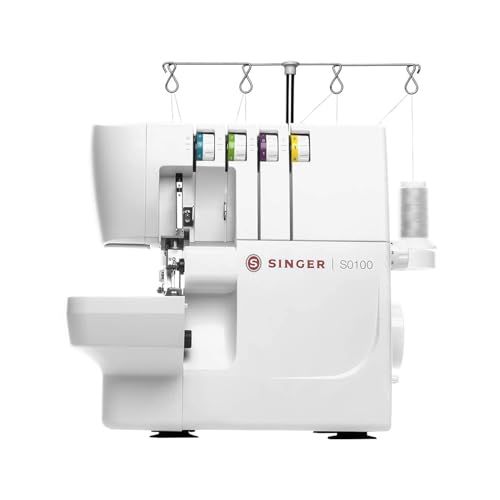
SINGER S0100 High Speed Serger Overlock Machine

Brother ST4031HD Strong & Tough Serger
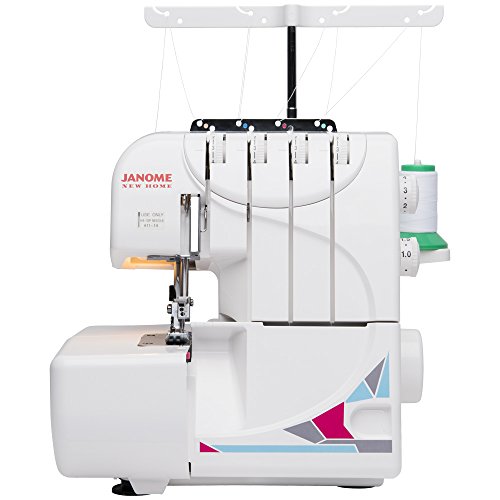
Janome MOD-8933 Serger with Lay-In Threading

Juki MO-50E 3 or 4 Thread Serger

FEIYUE FY505 Serger Overlock Machine

Serger Needle Threader and Looper Threader Set

VEVOR Serger Overlock Sewing Machine 1250 SPM
The Picks, Examined More Closely
Threading is where most new serger owners quit, and this SINGER sidesteps that hurdle by arriving pre-threaded from the factory. You unbox it, sit down, and start stitching without a manual marathon. That single detail changes the whole first-week experience.
The machine handles two, three, or four thread configurations, which covers everything from narrow hems on napkins to sturdy seams in stretchy knit fabric. In our view, that flexibility at this tier is what makes it such a sensible starting point for someone moving up from a basic sewing machine.
Notable Gains
- Ships pre-threaded, so your very first session starts with actual sewing rather than looper wrestling
- Three stitch configurations let you match thread count to fabric weight, from delicate sheers to fleece
- High-speed motor keeps long seam runs moving quickly once you’re comfortable
- A well-known brand means replacement parts and tutorial videos are easy to find years later
Things To Consider
- Once you re-thread after a breakage, expect some practice time before tensions settle; keep the manual nearby
- Owners commonly report that lint builds up around the loopers, so a small brush routine after each project helps
Who It Suits Best
Complete beginners who want a forgiving first serger from a familiar brand and mostly sew light-to-medium fabrics.
Reach For A Different Pick When
If denim and canvas are your usual materials, the Brother ST4031HD’s metal frame and hardened blade handle heavy layers far better.
Where the SINGER S0100 wins on approachability, this Brother wins on muscle. A full metal frame sits under the housing, which matters more than most shoppers realize: plastic-bodied machines flex and vibrate when you push eight layers of denim through, and vibration shows up as skipped stitches.
The cutting blade is carbon steel, a harder alloy than standard blades, so it holds its edge longer and leaves a cleaner cut edge on dense fabric. At up to 1,300 stitches per minute, it also finishes seams noticeably faster than typical budget machines, though you’ll rarely need that ceiling outside production-style sewing.
Standout Benefits
- Metal frame construction resists the flex and wobble that plague lightweight housings on thick seams
- Carbon steel blade slices cleanly through multiple layers, meaning fewer ragged edges to trim afterward
- Large extension table gives bulky projects like quilts and curtains real support while feeding
- Three accessory feet included, saving a separate purchase for gathering or blind hemming
Small Caveats
- The footprint is larger than compact models, so measure your sewing table before committing
- Speed takes practice; beginners may find the pace intimidating until foot control becomes second nature
Key Specs
Built With In Mind
Sewists who regularly tackle denim, canvas, upholstery-weight cotton, or layered knit projects and need a machine that won’t flinch.
Swap It Out When
For lighter garment work with easier threading, the Janome MOD-8933 offers a friendlier daily experience in a smaller body.
Lay-in threading deserves a quick definition here: instead of pushing thread through tiny needle-eye slots, you lay it into open channels guided by color codes. For anyone who re-threads weekly, that design difference alone justifies choosing this Janome over machines with conventional tension dials.
The MOD-8933 converts between three and four thread setups, and differential feed adjusts how the front and back feed dogs move relative to each other, preventing wavy seams on jersey and puckering on lightweight woven cotton. Garment sewists working with knits will lean on that feature constantly.
The Upside
- Color-coded lay-in channels cut re-threading time dramatically compared to traditional tension systems
- Differential feed tames stretchy jersey, keeping hems flat instead of lettuce-edged
- Convertible three or four thread operation covers both decorative narrow seams and strong structural ones
- Compact body suits smaller craft rooms and shared sewing spaces
Potential Sticking Points
- Thread conversion between three and four thread modes involves some disassembly, so plan projects in batches
- Owners commonly note the instruction manual could be clearer on tension settings for unusual fabrics
Product Snapshot
The Right Fit
Intermediate home sewists making clothing, especially knit garments, who value quick threading over raw power.
Look Elsewhere When
Heavy-duty seamwork calls for the Brother ST4031HD, whose metal frame shrugs off thick layers this Janome wasn’t designed for.
Juki built its reputation on industrial machines found in factories worldwide, and the MO-50E carries that engineering DNA into a home-priced package. The difference shows in details like the calibrated knife adjustment, which lets you set cutting width precisely rather than guessing at a dial position.
An automatic lower looper threader handles the hardest thread path in any serger, the one buried deepest inside the machine. Add a built-in rolled hem setting and a retractable upper knife for coverstitch-free topstitching passes, and you get a feature set that usually costs considerably more elsewhere.
A Favorable Mix
- Automatic lower looper threader removes the most error-prone step in serger setup entirely
- Calibrated knife adjustment delivers repeatable, accurate cutting widths across projects
- Built-in rolled hem mode handles scarf and napkin edges without swapping parts
- Retractable upper knife lets you sew without cutting, useful for delicate edge work
- Industrial-brand engineering suggests strong long-term reliability
Worth Bearing In Mind
- The interface feels utilitarian compared to newer machines; there’s no hand-holding for absolute novices
Whose Shelf It Belongs On
Confident intermediate sewists who want industrial-grade mechanics and rolled hem capability without stepping up to pro pricing.
Another Choice May Suit
Total beginners will likely feel more comfortable starting with the pre-threaded SINGER S0100 before graduating to Juki’s no-nonsense layout.
Most machines at rock-bottom prices cut corners on the frame, but the FY505 keeps a metal skeleton despite its entry-level positioning. That’s the headline here: you get structural durability typically reserved for mid-tier models, at a cost closer to an accessory purchase than a major investment.
Two, three, or four thread operation covers the same ground as pricier rivals, handling everything from thin hemming threads to beefier four-thread seams. The honest read is that finish quality and documentation won’t match Brother or Juki polish, yet for occasional mending and weekend projects, the gap rarely matters.
Where It Excels
- Metal frame construction at an entry price point, resisting the flex common in cheap plastic housings
- Full two, three, and four thread versatility means one machine covers hems, seams, and decorative edges
- Low commitment makes it a sensible trial run before investing in a premium serger
Points To Keep In Mind
- Tension tuning tends to require more trial and error than established brands, based on widely reported owner feedback
- Support resources and tutorial content are thinner than what SINGER or Brother offer
- Threading guides may take longer to learn for anyone coming from a different machine layout
Feature Card
Who Will Love This
Hobby sewists and students testing whether a serger earns a permanent spot in their workflow before spending big.
Consider Something Else When
Daily garment production warrants the Juki MO-50E, whose refined mechanics reward frequent use far better.
Not every pick needs a motor. This two-piece set from Hemline tackles the single most hated task in serging: guiding fine thread through loopers buried deep in the machine’s throat. Each tool pairs a slim ABS plastic and metal shaft with a fine wire eye that slips through openings fingers simply cannot reach.
The extra-long body is the point. Standard needle threaders stop short on overlocker geometry, leaving you squinting and swearing at the lower looper. One thing worth considering: even owners of auto-threading machines like the Juki MO-50E keep tools like these on hand for needle changes and breakage recovery.
Everyday Wins
- Fine wire threading eye passes through looper holes too tight for manual threading
- Extra-long shaft reaches needles positioned deep inside the serger head
- ABS plastic and metal build survives being tossed into a sewing kit drawer
- Works across virtually any serger brand, not tied to one model
Softer Spots
- The wire eye demands a steady hand and decent lighting; low-vision sewists may still struggle
Quick Facts
Right Fit For
Anyone who owns a serger without automatic threading, particularly older or budget machines with cramped interiors.
Not Your Match When
Owners of the Juki MO-50E already have an integrated lower looper threader, so this set adds less value for them specifically.
VEVOR rounds out the list with a spec sheet aimed squarely at stretch-fabric work. Its differential feed spans 0.7 to 2.0, a wider adjustment window than many comparably priced machines offer. Translation: aggressive gathering on one end, gentle wave-prevention on stretchy jersey at the other, all from a single dial.
Top speed reaches 1,250 stitches per minute, close to the Brother ST4031HD’s pace, and adjustable stitch length lets you tune seams between quick repair work and detailed edge finishing. Compared to the FEIYUE FY505, this VEVOR trades some simplicity for finer feed control, which knit-heavy wardrobes tend to reward.
The Helpful Details
- Wide 0.7 to 2.0 differential feed range handles both delicate stretching prevention and fabric gathering
- Adjustable stitch length adapts output between rough mending and polished garment edges
- Two, three, and four thread switching covers the full spread of common overlock stitches
- Fast maximum speed shortens long straight seams on large projects
Factors To Consider
- Newer brand presence means fewer community tutorials than SINGER or Brother provide
- More adjustments mean more settings to learn before results look consistent
Core Details
Made For
Sewists whose projects lean heavily on knits and stretch performance wear, wanting granular feed control on a budget.
Where A Sibling Pick Shines
Straightforward woven-fabric hemming suits the simpler FEIYUE FY505 better, since its fewer settings mean faster setup.
What Matters Most Before Choosing Cheap Sergers
Threading Style Shapes Daily Use
You will re-thread a serger far more often than a sewing machine, usually after a thread snap or fabric change. Lay-in systems with color-coded paths, like the Janome MOD-8933’s, turn a ten-minute chore into a two-minute one. Conventional tension dials demand more patience and steadier hands.
Automatic helpers matter too. The Juki MO-50E’s lower looper threader targets the hardest path specifically. Match the threading design to how often you actually plan to change colors.
Frame Material Predicts Longevity
Metal frames resist the vibration that loosens stitch quality over years of use. Both the Brother ST4031HD and FEIYUE FY505 prove sturdy skeletons exist at modest prices. Plastic housings work fine for light occasional sewing but tend to develop rattles and skipped stitches sooner under heavy fabric loads.
Differential Feed Separates Good From Great
This mechanism lets front and rear feed dogs move at independent speeds, controlling how fabric stretches or gathers during stitching. Anyone sewing knits should treat it as non-negotiable. Wider ranges, like VEVOR’s 0.7 to 2.0, add gathering capability on top of basic wave prevention.
Key Considerations Across These Picks
Traps First Timers Fall Into
The biggest mistake is buying on speed numbers alone. A fast motor with fiddly threading gets used less than a slower machine you actually enjoy setting up. Skipping the differential feed question is the second trap, especially for knit-focused sewists who discover its absence only after wavy hems pile up.
The Upgrade Payoff
Pricier machines buy calibrated components, quieter motors, and refined threading paths. That translates to less tuning per project and cleaner results on difficult fabrics. Frequent sewists recover that time quickly, while occasional users often find a budget model serves them just as well.
Frequently Asked Questions
Can a cheap serger really handle knits?
Yes, provided it includes differential feed, which prevents stretched, wavy seams on jersey and ribbed fabrics. Models like the Janome MOD-8933 and VEVOR unit manage knits capably at modest prices.
Do I still need my regular sewing machine?
A serger complements rather than replaces a conventional machine. Straight seams, zippers, and buttonholes still require a standard sewing machine, so most sewists keep both.
How hard is threading a serger for beginners?
It’s the steepest part of the learning curve, but pre-threaded machines like the SINGER S0100 delay that challenge nicely. Color-coded lay-in systems and looper threader tools shorten the struggle considerably.
What does differential feed actually do?
It adjusts the speed difference between the front and back fabric feeds. Stretch it forward to prevent wavy knits, or backward to gather fabric deliberately along the seam.
Is a metal frame worth prioritizing?
For heavy fabrics and frequent use, absolutely, because rigidity keeps stitches consistent under load. Light, occasional hemming works acceptably on well-made plastic bodies too.
Wrap Up
Your best choice depends on fabric habits more than any ranking. Beginners get the smoothest start with the SINGER S0100, denim fans should lean toward the Brother ST4031HD, and knit specialists will appreciate the VEVOR’s wide differential range. Whichever direction fits your sewing life, pairing the machine with a threader set spares you plenty of frustration down the road.
