
Anyone who sews knows the frustration of outgrowing a basic machine halfway through a project. One week you’re hemming pants, the next you want to monogram a tote or quilt a king-size top, and your gear can’t keep up. That gap between what you imagine and what your machine delivers is exactly why combo sewing embroidery machines earn their spot in a craft room.
This roundup covers seven machines spanning beginner-friendly home units to fifteen-needle commercial workhorses. You’ll find honest trade-offs for each, so you can match the machine to your actual workload instead of paying for features you’ll never touch.
The Main Contenders

Brother CP100X Computerized Sewing and Quilting Machine

Brother CS7205 Computerized Machine with Wide Table
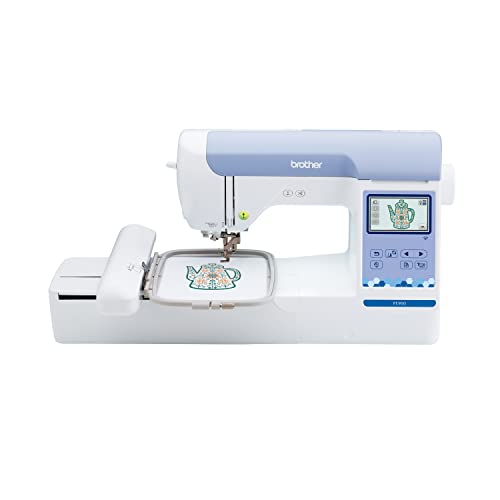
Brother PE900 Wireless Embroidery Machine

Smartstitch S-1501 Commercial Embroidery Machine

StitchMaster Pro Sewing Machine for Beginners

Brother NQ1700E Embroidery Machine with BES Blue Software

Poolin EOM 15 Needle Commercial Embroidery Machine
More Details On Our Top Picks
The CP100X sits in that sweet spot where a machine stops being intimidating and starts feeling like a tool you reach for daily. Its sharp LCD screen shows your selected stitch clearly, and the one-step automatic needle threader saves your eyes on every rethread, which matters more than most shoppers expect until they’ve threaded fifty bobbins in a weekend.
Quilters get real support here too. The included wide table gives bulky quilt tops somewhere to rest instead of dragging off the machine bed, and adjustable speed control lets you slow down around tricky curves or pin-heavy seams.
Advantages To Know
- One-step needle threader removes the fiddliest part of setup, especially helpful during long quilting sessions
- Quick-Set bobbin system means less time wrestling thread and more time stitching
- Adjustable sewing speed lets nervous beginners start slow while experienced hands run fast
- Large extension table supports full quilt weight without fabric pulling sideways
- Threading diagrams printed on the body guide you through setup without hunting for the manual
Honest Caveats
- No embroidery module here, so monogram lovers will need a dedicated unit like the Brother PE900
- Owners commonly report plastic-bodied machines need gentle transport handling to protect internal parts
Key Specs
Made For
Home quilters and intermediate sewists who want computerized convenience without embroidery complexity.
A Better Fit Elsewhere
Shoppers wanting built-in lettering and eleven presser feet should look at the Brother CS7205 below.
Where the CP100X keeps things streamlined, the CS7205 goes broad. Its flip chart displays the entire stitch menu at a glance, so choosing between decorative, utility, and quilting options never involves scrolling through tiny menus. That single design choice changes how the machine feels during a project: faster, less second-guessing.
The stitch count is the headline number, and it earns attention. Add eight auto-size buttonhole styles and an alphanumeric font for simple monogramming, and this unit covers garment construction, home decor, and personalization in one white chassis.
Noteworthy Benefits
- Flip chart shows all stitches at once, eliminating menu-diving mid-seam
- Eight one-step buttonhole styles produce consistent plackets on shirts and coats
- Built-in lettering font handles basic monograms without extra software
- Eleven included presser feet cover zippers, blind hems, walking foot work, and more
Points To Note
- With this many options, beginners may feel overwhelmed during the first few sessions
- Like most computerized units, owners report keeping it covered between uses protects the screen and feed dogs from dust
The Right Fit
Intermediate home decorators and garment makers who genuinely use a deep stitch library rather than three straight-stitch settings.
Swap It Out When
Total newcomers who want fewer choices and a lighter frame will be happier with the StitchMaster Pro later in this list.
Embroidery-only buyers often underestimate how much cable-free design transfer changes their workflow. The PE900 connects over WLAN, meaning designs move from your computer or compatible sources straight to the hoop without USB shuffling. In a busy craft room, that’s the difference between finishing a gift tonight and finishing it next week.
The 5-by-7-inch embroidery field deserves equal billing. Compared with smaller four-by-four hoops common at entry level, that extra room fits larger back-of-jacket motifs, fuller quilt labels, and multi-word designs without rehooping.
Strong Points
- Wireless design import skips flash drives entirely
- Oversized 5″x7″ field accommodates bigger motifs in one hooping
- Built-in design library covers most everyday personalization needs out of the box
- Beginner-oriented controls shorten the learning curve reported by first-time embroiderers
- Compact footprint suits spare rooms and shared craft tables
Small Limitations
- No sewing functions, so it pairs with rather than replaces your sewing machine
- Wireless transfers depend on a stable home network; spotty Wi-Fi may push you back to manual imports
Details At A Glance
Who It Suits Best
Hobbyist embroiderers personalizing gifts, apparel, and linens who already own a sewing machine for construction work.
Reach For A Different Pick When
Creators editing and digitizing their own artwork weekly will get more mileage from the Brother NQ1700E with its bundled BES Blue software.
This is the machine you buy when embroidery stops being a hobby and starts showing up on invoices. Fifteen needles mean fifteen thread colors stay loaded simultaneously, so a logo-heavy order runs start to finish without pausing to rethread. The 1200 SPM maximum speed then turns that continuity into actual throughput.
The 270-degree wide-angle cap system is the detail small-business owners care about most, because finished caps command strong margins. Laser positioning helps you place designs accurately on curved surfaces, and the 12-inch touchscreen keeps job management on one panel.
Useful Highlights
- Fifteen needles eliminate constant color-change downtime on multi-color orders
- Wide-angle cap system opens headwear jobs that single-needle machines refuse
- Automatic color change keeps long production runs moving unattended
- Large 14″x20″ area handles jacket backs and oversized flat goods
- Touchscreen interface shortens training time for new shop staff
Things To Consider
- Dedicated floor space and sturdy table support are non-negotiable at this size
- Commercial-class maintenance routines, including regular oiling and tension checks, are part of ownership
- The learning curve is steeper than consumer machines, though widely reported as manageable with practice
Quick Facts
Built With In Mind
Entrepreneurs launching a home-based embroidery business handling caps, tees, and bulk orders regularly.
Another Choice May Suit
Studios wanting similar commercial capability in a slightly different package should compare the Poolin EOM directly below.
Not everyone needs two hundred stitches. At roughly four and a half pounds, the StitchMaster Pro travels from closet to kitchen table in one hand, making it a natural first machine for teens, college students, and anyone testing whether sewing sticks before committing to a heavier investment.
The fourteen-stitch lineup covers the essentials: straight, zigzag, and blindstitch options handle repairs, simple garments, and crafts. Dual-speed control is the feature that quietly makes learning easier, since delicate fabrics forgive slow hands far better than fast ones.
Well-Handled Touches
- Fourteen practical stitches cover mending, hemming, and starter projects
- Twin-needle compatibility adds professional-looking topstitching options
- Low-speed mode builds confidence on slippery or delicate materials
- Built-in carrying handle and light frame suit small apartments and classes
Where It May Fall Short
- Lightweight frames vibrate more on thick layers like denim, so steady table pressure helps
- Fourteen stitches won’t satisfy anyone past the beginner stage; plan an upgrade path
- Commonly reported among compact machines, bobbin threading takes patience the first few times
Who Will Love This
First-time sewists, students in dorms, and households needing a light repair machine rather than a studio centerpiece.
Look Elsewhere When
Quilters wanting an extension table and LCD stitch display should step up to the Brother CP100X instead.
The bundled BES Blue software is what separates this Innov-ís model from the PE900 earlier in the list. Editing, resizing, and combining designs on a computer before sending them to the machine gives you creative control that stock built-ins can’t match. For anyone serious about original work, that software alone justifies the step up.
The generous built-in design count means you’re productive on day one, then growing into customization as your skills develop. Vintage-inspired home decor, personalized gifts, and embellished garments all fall comfortably within its range.
Bright Spots
- Included BES Blue software enables custom design editing on your computer
- Deep built-in design library supports immediate projects without downloads
- Suits both newcomers and advanced users, per its dual-skill-level design intent
- Handles everything from home decor accents to detailed garment personalization
Worth Bearing In Mind
- Software adds a learning curve of its own alongside machine basics
- As an embroidery-only unit, you’ll still need a separate sewing machine for construction
Core Details
Right Fit For
Dedicated embroiderers who want to create and edit original designs rather than rely solely on preloaded patterns.
Consider Something Else When
Casual gift-makers happy with built-in designs and wireless transfer save money with the Brother PE900.
Single-needle owners hitting a production ceiling tend to land on machines like this one. The Poolin EOM brings fifteen-needle commercial capability into a footprint smaller than full industrial systems, which matters enormously when your studio doubles as a spare bedroom.
The practical payoff shows up in order flow. With fifteen colors always threaded and automatic color changes handled by the machine, multi-color logos stop requiring your constant attention, freeing you to prep the next hoop or pack finished work.
A Favorable Mix
- Fifteen needles keep complex color sequences running without interruption
- Reduced rethreading directly increases daily completed orders
- Commercial output in a space-conscious frame suits home studios
- Designed specifically as an upgrade path for single-needle machine owners
Factors To Consider
- Still demands dedicated bench space and stable power despite its smaller footprint
- Routine commercial upkeep, including cleaning lint buildup and checking tensions, becomes part of weekly rhythm
- You may find the transition from consumer controls takes a few focused sessions
Essential Details
Whose Shelf It Belongs On
Small embroidery shops and ambitious home studios processing regular client orders with multi-color designs.
Not Your Match When
Operators wanting the widest cap-flange coverage and laser placement should weigh the Smartstitch S-1501 above.
What Matters Most Before Choosing Combo Sewing Embroidery Machines
Match The Machine To Your Actual Projects
Write down your last three months of projects honestly. Garment repair and quilting point toward computerized sewing models like the Brother picks, while personalization work demands true embroidery hardware. Buying for imaginary future needs is how expensive machines collect dust.
Understand Hoop Size And Field Dimensions
The embroidery field determines the largest single design you can stitch without repositioning fabric. A 5″x7″ field, as on the PE900, handles jacket-back motifs; smaller fields force multiple hoopings that risk visible alignment lines on finished goods.
Count Your Colors Before You Count Your Dollars
Multi-color designs eat time on low-needle machines because every color change means stopping and rethreading. Fifteen-needle commercial units eliminate that bottleneck entirely, which is precisely why they cost more.
Factor In Space And Support
Commercial machines need firm tables, clearance around the hoop arm, and a willingness to learn maintenance routines. Consumer machines trade that overhead for portability and simpler care, a fair exchange for casual users.
Key Considerations Across These Picks
Traps First Timers Fall Into
The classic error is buying a fifteen-needle commercial rig for hobby use, then discovering it dominates a room and demands upkeep you didn’t budget time for. The reverse mistake hurts too: grabbing a fourteen-stitch beginner box when you already sell personalized gifts, then replacing it within months. Audit your current output first, and buy one tier ahead of today, not five.
What Separates Premium From Basic
Higher-tier machines pay for throughput and autonomy. Automatic color change, wider fields, bundled design software, and laser positioning all remove manual steps, and removed steps compound across dozens of orders. Casual crafters rarely recoup that premium; anyone selling finished pieces usually does within a reasonable stretch of steady orders.
Frequently Asked Questions
Can one machine really do both sewing and embroidery?
True combination units exist, but several machines in this roundup specialize instead. Dedicated machines typically perform their single task better than hybrids at comparable prices.
Is a 5″x7″ embroidery field big enough?
For most apparel fronts, quilt labels, and medium home decor, yes. Jacket backs and large blanket corners benefit from bigger fields like the Smartstitch’s 14″x20″ area.
How hard are commercial machines to learn?
Expect a steeper curve than consumer models, mostly around hooping, tensions, and maintenance schedules. Owners generally report a few weeks of consistent use builds comfortable fluency.
Do I need special software for custom designs?
Built-in libraries cover standard needs, but original artwork requires editing software. Bundled options like BES Blue on the NQ1700E solve this without separate purchases.
How much maintenance do these machines need?
Consumer units mainly need dust protection and occasional oiling per the manual. Commercial machines add routine cleaning, tension checks, and lubrication to keep production reliable.
Closing Thoughts
Your best machine is the one matched to the work actually on your table right now. Quilters have the CP100X and CS7205, embroiderers can choose between the wireless PE900 and the software-equipped NQ1700E, and anyone building a business has two credible fifteen-needle paths in the Smartstitch and Poolin. Start where you are, upgrade when the orders demand it, and every pick above will serve you well along the way.
