
Copper foil is what holds a stained glass panel together before any solder touches it, so choosing the wrong roll shows up fast in crooked seams and visible foil edges. Hobbyists wrapping their first suncatcher and pros cranking out commission windows both run into the same problem: adhesive that lifts mid-wrap, widths that don’t match glass thickness, or liner colors that peek through clear glass. The seven rolls below cover both purpose-made stained glass foils and multi-width conductive tapes, so you can match your project instead of settling. Each one earns its spot on tack strength, width range, dispenser design, or sheer yardage value.
A Closer Look At The Lineup

Studio Pro 7/32-Inch Black Lined Copper Foil
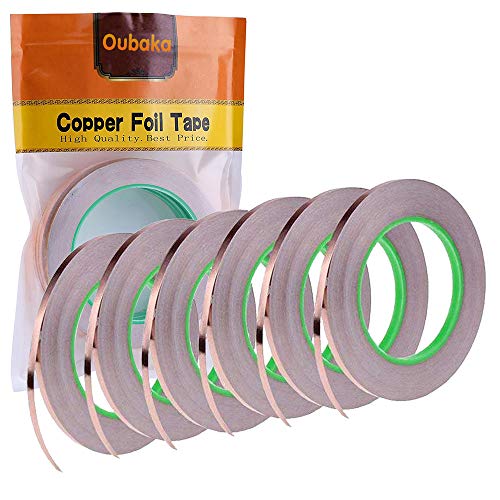
Oubaka 6 Pack Copper Foil Tape (1/4 Inch x 21.8 Yards)

Studio Pro 7/32-Inch Silver Lined Copper Foil Tape

Crafted Copper Conductive Copper Tape, 4 Widths

Studio Pro 1/4-Inch Black Lined Copper Foil
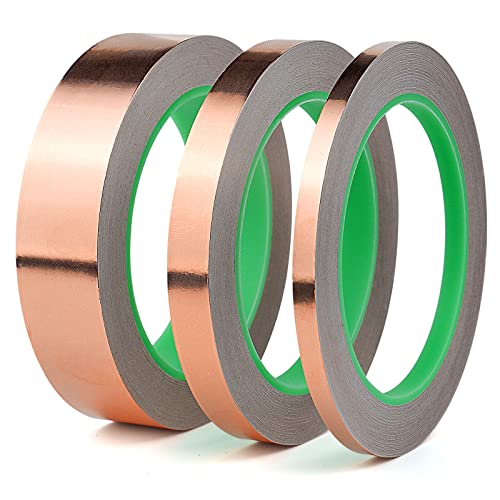
BOMEI PACK Copper Foil Tape 3 Pack Mixed Widths

BOMEI PACK Copper Foil Tape 4 Pack 1 Inch
The Picks, Examined More Closely
This is the roll most stained glass instructors point students toward first, and the reason is simple: it was engineered for glass edges rather than adapted from electrical work. The 7/32-inch width suits standard 1/8-inch art glass, and the black internal lining disappears against clear, non-opalescent panes so no copper halo peeks through finished panels.
The pull-style plastic dispenser matters more than it sounds. Wrapping dozens of pieces at a workbench, you’ll appreciate one-handed dispensing and clean storage between sessions, something loose tape rolls can’t offer.
A Few Highlights
- Strong tack grips glass edges and corners through long soldering sessions without lifting.
- Black core hides the foil line inside clear glass, keeping seams looking dark and intentional.
- Handles heat and weathering well, which helps panels destined for doors or transoms.
- Easy-pull dispenser keeps the roll tidy and speeds up repetitive wrapping.
Things To Consider
- The narrow width demands steadier hands; beginners commonly report slight overlap drift on curved pieces.
- Store the roll sealed and dry, since aged adhesive loses grip over time in humid workshops.
Key Specs
Who It Suits Best
Intermediate hobbyists working mostly with clear cathedral-style glass who want factory-consistent wraps.
Where Another Pick Suits Better
First-timers who struggle with narrow widths will find the wider Studio Pro 1/4-Inch Black Lined Copper Foil far more forgiving.
Six rolls of quarter-inch tape adds up to roughly 130 yards total, which is the kind of volume that outlasts several stained glass projects with plenty left over for paper circuits or shielding jobs. Compared to the Studio Pro picks earlier on this list, this is general-purpose conductive tape rather than foil made specifically for glasswork, and the price reflects that trade-off.
The double-sided conductivity is the headline feature here. Because current flows across both faces, the same roll serves electronics tinkerers, guitar cavity shielding, and grounding repairs alongside your glass studio work.
Reasons It Performs
- Six-roll pack means you won’t run dry mid-project for a very long time.
- Double-sided conduction supports soldered joints and circuit bridging on both faces.
- Quarter-inch width covers thin glass strips and detailed mosaic work comfortably.
Worth Noting
- No dedicated glass dispenser, so you’ll cut lengths by hand and manage the roll yourself.
- Adhesive performance on dusty or textured glass edges varies; wipe surfaces first for best hold.
Right Fit For
Casual crafters and students who want maximum footage per dollar and don’t need specialty foil features.
Skip It When
Commission-level glass artists should stay with Studio Pro’s lined foils, whose linings and dispensers are built for display-quality seams.
Swap the black core of the first pick for a silver one and you get a foil tuned to bright solder finishes. In our view, this is the version to reach for when your finished piece gets polished to a shine rather than patinaed dark, because the lining matches the bead instead of fighting it.
Everything else mirrors the black-lined sibling: same 7/32-inch width for standard glass, same strong tack, same weathering resistance, same convenient pull dispenser. Choosing between them comes down purely to the look you want along every seam.
Standout Benefits
- Silver internal lining blends with bright solder for seamless, light-catching edges.
- Grippy adhesive holds through corner folds where lesser tapes peel back.
- Temperature and weather resistance suit sun-exposed window installations.
- Dispenser housing protects the roll between workshop sessions.
Trade Offs
- On opalescent or heavily textured glass, the lining choice matters less, so you’re paying for a feature you may not see.
- Narrow width again rewards practiced fingers over brand-new wrappers.
At A Glance
Whose Shelf It Belongs On
Artists finishing panels with bright, polished solder who want edge lines that disappear into the bead.
A Better Fit Elsewhere
Dark-finish work calls for the Studio Pro 7/32-Inch Black Lined Copper Foil instead, whose core matches patinaed seams.
Four rolls in four widths, roughly 0.2 through 0.4 inches, each stretching 66 feet, make this the most flexible kit on the list. One package covers hairline mosaic strips, standard glass edges, and wide cable-wrapping chores without a second order.
Where the Oubaka pack commits you to a single width, this set lets you match tape to glass thickness per piece. The dual-sided conductivity also means electronics repairs and grounding tasks share the same drawer as your glass tools.
Bright Spots
- Graduated widths handle everything from delicate inlays to chunky slab glass.
- 66 feet per roll gives each width real working length, not sample-size scraps.
- Conductive adhesive bonds firmly and carries current across both surfaces.
- One purchase serves guitars, circuits, crafts, and glass alike.
Minor Gripes
- General-purpose adhesive can gum up scissors faster than craft-specific foil; keep a blade cleaner handy.
- No lined core option, so seams show copper color on transparent glass unless fully covered by solder.
Quick Facts
Built With In Mind
Makers whose benches juggle stained glass, guitar mods, and small electronics and want one tape kit for all three.
Reach For A Different Pick When
Display-grade glasswork needs a colored core, which points you back to either Studio Pro lined foil above.
A quarter-inch of coverage buys you margin for error, and that’s exactly why this roll belongs in a beginner’s kit. Thicker glass edges get fully wrapped, and slightly off-center applications still leave enough foil on each face to catch solder cleanly.
You get the same 36-yard supply, strong tack, temperature resilience, and easy-pull dispenser as the narrower Studio Pro rolls reviewed earlier. The only real difference is width, but in practice that difference changes how forgiving your first hundred wraps feel.
Notable Upsides
- Wider band wraps thick bevels and slab glass in a single pass.
- 36 yards supports multiple beginner projects before restocking.
- Black lining stays hidden inside clear panes just like its 7/32-inch sibling.
- Dispenser keeps application controlled while you’re still learning burnishing pressure.
Small Caveats
- On very thin glass, extra foil width can bunch at corners until your folding technique settles down.
- Adhesive ages like any pressure-sensitive tape, so buy quantities you’ll use within a couple of years.
The Right Fit
New foil wrappers practicing on mixed-thickness scrap glass who want tape that absorbs early mistakes.
Not Your Match When
Detailed lampshade work with slender pieces suits the 7/32-inch Studio Pro rolls better, since excess width only adds bulk there.
Three rolls at 1 inch, 1/2 inch, and 1/4 inch, each 66 feet long and a substantial 1.97 mil thick, give a home repair bench genuine range. The 1.97mil gauge is thicker than many budget tapes, which owners commonly report translates to fewer tears when tearing strips by hand and better durability once applied.
Compared with the Crafted Copper four-pack above, you lose one width step but gain a noticeably heavier foil weight. For stained glass, the quarter-inch roll handles standard edges while the wider rolls tackle cable wrapping, connector shielding, and garden barriers.
Why It Works Well
- Heavier 1.97mil foil resists tearing during hand-tearing and handling.
- Three graduated widths cover slim glass edges through wide surface wraps.
- 66 feet per roll keeps long shielding or edging runs interruption-free.
- Conductive adhesive supports soldered electrical connections directly.
Room For Improvement
- Unlined copper shows on transparent glass, so plan on full solder coverage for display pieces.
- Wider rolls are awkward for tight interior curves; trim strips down instead.
Core Details
Perfect Match For
Weekend repairers who split time between glass crafts, guitar shielding, and household electrical touch-ups.
Another Choice May Suit
Pure stained glass studios needing lined cores will prefer the Studio Pro foils reviewed earlier in this roundup.
Four identical rolls of 1-inch, 1.97mil tape deliver 264 feet of heavy-gauge copper, which is overkill for delicate mosaics and exactly right for big surfaces. Think guitar cavities, antenna wraps, raised garden-bed barriers, and large-format glass panels where narrow tape means endless seaming.
This is the widest single-width option here, and unlike the mixed packs from BOMEI PACK and Crafted Copper, every roll matches, so you can plan cuts without swapping widths mid-job.
A Strong Showing
- Full inch of width blankets broad areas quickly with minimal striping.
- 1.97mil thickness stands up to outdoor duty like slug barriers on planters.
- 264 total feet keeps high-volume projects stocked for seasons.
- Conductive adhesive accepts solder for permanent electrical joints.
Honest Caveats
- One fixed width limits fine detail work; pair it with a narrower roll for intricate pieces.
- Store rolls flat and cool, since wide adhesive faces attract lint and dust that weaken bonding.
Feature Snapshot
Who Will Love This
Workshop owners and gardeners tackling large shielding, grounding, or barrier projects in bulk.
Swap It Out When
Standard stained glass panels need narrower coverage, making the BOMEI PACK 3 Pack Mixed Widths the smarter companion.
What To Weigh Before You Buy
Width Versus Glass Thickness
Foil should extend evenly onto both faces of each pane. Standard 1/8-inch art glass pairs naturally with 7/32-inch foil, while thicker bevels and slabs call for 1/4 inch or beyond. Measure a representative piece before ordering, since mismatched width is the most common cause of lumpy, overlapping seams.
Lined Versus Unlined Cores
A lined foil carries a colored layer inside the copper, typically black or silver. That layer hides raw metal edges in transparent glass and coordinates with your solder finish. Unlined conductive tapes show copper color at every seam, which reads fine on opaque or fully solder-covered work but betrays itself on clear panes.
Dispenser And Storage Design
Purpose-made glass foils ship in pull dispensers that protect the adhesive from dust and let you dispense one-handed. Bare tape rolls cost less per foot but demand careful storage; a zip bag in a cool drawer preserves tack far longer than an open shelf in a humid basement.
Adhesive Longevity
All pressure-sensitive adhesives age. Buying a six-month supply beats buying a five-year supply, especially in warm climates where tack degrades fastest. Rotate older rolls into practice or non-display projects.
Getting The Most From Your Roll
Traps First Timers Fall Into
The classic error is matching tape width to guesswork rather than actual glass thickness, leaving bald spots that solder can’t bridge. Second is skipping the alcohol wipe; fingerprints and grinding dust are the top reasons reported for lifted edges. Third, storing rolls near heat sources quietly ruins adhesive months before you notice.
When Paying More Pays Off
Specialty glass foils cost more per yard than generic conductive tape, and the premium buys lined cores, consistent width tolerance, and dispensers. Display commissions justify that spend every time. Practice pieces, school projects, and utility repairs rarely do.
Frequently Asked Questions
What does “lined” copper foil mean?
It refers to a colored layer bonded inside the copper, usually black or silver. The lining shows along the foil’s edge after wrapping and hides bare metal in finished panels.
Which foil width fits standard stained glass?
Most 1/8-inch art glass works well with 7/32-inch foil. Thicker bevels and dense textures generally need 1/4 inch or wider for full coverage.
Can conductive copper tape replace stained glass foil?
It can for practice pieces and opaque designs, since the adhesive and copper perform similarly. Clear or opalescent display work benefits from lined foil made specifically for glass.
How do I stop foil from lifting at corners?
Clean glass edges with alcohol, burnish firmly with a fid, and crease corners slowly with slight overlap. Most lifting traces back to dust or rushed folding.
Does copper foil work outside?
Quality foils resist temperature swings and weathering reasonably well. Sealed panels in protected locations last longest; exposed garden art ages faster regardless of brand.
Closing Thoughts
Match the foil to your glass first, then let finish and budget sort the rest. Clear panels deserve a lined Studio Pro roll, mixed-media benches thrive on the multi-width kits, and bulk jobs justify BOMEI PACK’s heavy footage. Start with the width your thickest pane actually needs, and every seam afterward gets easier.
