
Cutting in along ceilings, corners, and trim is where most painting projects live or die. A quality angled sash brush (a brush with bristles slanted at the end for precision edging) lets you lay a clean line of paint where a roller cannot reach, and the wrong brush makes every edge wobble or streak. Whether you are repainting a single accent wall or finishing a full room refresh, the right tool changes how the whole project feels. This list walks through ten solid options that cover budget multi-packs, pro-grade synthetic filaments, and a few specialty shapes for tight corners and touch-ups, so you can match the brush to the job instead of forcing one tool to do everything.
The Choices Worth Comparing

Coltree 5-Piece Flat and Angle Paintbrush Set
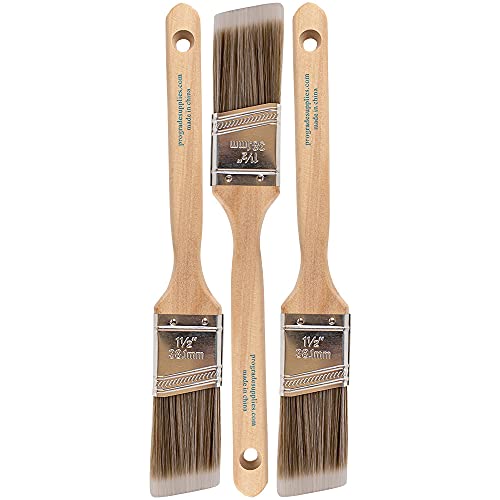
Pro Grade 1.5 Inch Angled Paint Brush Set 3 Pc

Pro Grade 2.5 Inch Angle Paint Brush 12 Pack

Rhibak 27-Piece Paint Roller and Brush Kit

Vermeer 1.5 Inch Angled Paint Brush 6 Pack

ROLLINGDOG 2.5 Inch Angled Paint Brush

ROLLINGDOG 2.5 Inch Angled Paint Brush 2 Pack

3 Pack Trim Edge Paint Brushes for Walls
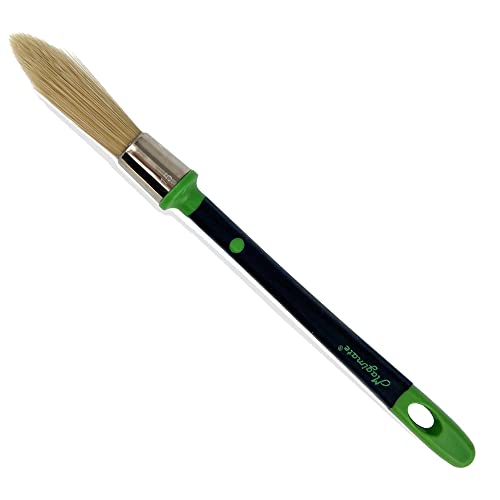
Magimate 0.6 Inch Tapered Trim Brush

Purdy 3 Inch Angle Sash Firm Nylon Polyester Brush
The Strengths Of Each Pick
For a first room repaint, having every size on hand removes the guesswork about which brush to grab next. The Coltree set ships with two flats (1-inch and 2-inch) and three angles (1.5-inch, 2-inch, and 2.5-inch), so trim, baseboards, and wider ceiling lines all get a purpose-built tool without buying individual brushes.
The set works with both oil and water-based coatings, including stains, which makes it handy for furniture flips and small craft projects as well. For most weekend refreshes, this is the kind of kit that lives in a drawer and gets pulled out for years.
Features That Help
- Five brush sizes cover flat walls, narrow trim, and angled cuts in one buy
- Synthetic bristles hold a generous load, meaning fewer dips into the paint tray
- Works with latex, oil-based paints, and stains, so it suits mixed project lists
- Soft filament tips lay down a smooth finish with minimal drag marks
Points To Keep In Mind
- Bristles can shed during the first few uses, so a quick rinse before the first coat helps
- Handles run on the lighter side, which may feel small in larger hands
Right Fit For
First-time painters tackling a single bedroom or accent wall, where variety matters more than a single specialty tool.
Skip It When
You mostly paint wide-open walls and prefer the Pro Grade 2.5 Inch Angle Paint Brush 12 Pack for its bulk brush supply.
The 1.5-inch angled sash is the workhorse of trim painting, and this Pro Grade three-pack gives you spares without much extra cost. Each brush carries a thick synthetic filament blend (a mix of nylon and polyester bristles engineered to hold paint) that holds paint well, so you spend more time laying down a line and less time reloading.
The wooden comfort grip handle feels balanced for both short touch-ups and longer cutting-in sessions along a ceiling. Compared to the larger 2.5-inch Pro Grade option later on this list, this smaller sash gets into tighter molding profiles and window casings with more control.
What Earns Its Place
- Tapered tip design supports clean lines along corners and ceiling edges
- Synthetic filament handles water-based and oil-based formulas equally well
- Three-pack format means you always have a backup mid-project
- Wooden grip stays comfortable across multi-hour painting sessions
Trade Offs
- Smaller head means more passes for wider trim, so very long runs take longer
- Filaments can feel slightly stiff out of the wrapper until broken in
Feature Snapshot
Who It Suits Best
Homeowners repainting trim and interior doors who want reliable angled control without overspending on a single specialty brush.
Look Elsewhere When
You need a tiny tapered tip for window sash detail work, in which case the Magimate 0.6 Inch Tapered Trim Brush fits the job more naturally.
Twelve brushes sounds like a lot, until you start a full-house repaint and realize how often bristles wear out or get crusty between coats. The 2.5-inch angled head covers more wall per stroke than the 1.5-inch Pro Grade set above, which speeds up cutting in along longer ceiling runs.
The same synthetic filament blend and wooden comfort grip carry over from the smaller version, just in a wider body. For a homeowner planning multiple rooms, this pack essentially replaces the need to keep buying replacements mid-project.
Positive Points
- Wider 2.5-inch head lays down longer continuous lines for faster ceiling cuts
- Bulk format keeps fresh brushes ready between coats and across rooms
- Synthetic blend works across latex, oil, and stain projects
- Tapered filament tip preserves precision despite the larger head
Honest Caveats
- Too bulky for very narrow window sash or thin decorative molding
- Storing twelve brushes in a small apartment closet takes planning
Built With In Mind
Anyone repainting multiple rooms or a full interior who wants a steady supply of fresh 2.5-inch angled brushes on hand.
Consider Something Else When
Your project is a single small touch-up, where the Coltree 5-Piece Flat and Angle Paintbrush Set covers your bases more economically.
Cutting in only happens after the rollers have done the field work, and the Rhibak kit bundles both into a single box. The set includes 4-inch and 9-inch roller covers, matching frames, an extension pole that telescopes from roughly 2 to 4 feet, paint trays, and a few brushes for edging.
For a first whole-room paint job, skipping the multiple-store run is a real plus. The extension pole makes ceiling edges easier to reach without balancing on a ladder, while the smaller roller covers handle narrow wall sections behind toilets or in tight hallways.
What It Does Well
- Twenty-seven pieces cover rolling, cutting in, and cleanup in one kit
- Extension pole reduces ladder time for high walls and ceiling perimeters
- Compatible with latex and oil-based paints and stains, simplifying supply choices
- Smaller 4-inch roller fills in the gaps where a full 9-inch frame cannot reach
Less-Strong Areas
- Brushes included are basic compared to dedicated angled sash options on this list
- Roller covers are nap-general (medium-pile, suitable for most walls), so very rough textures may need a separate specialty cover
Feature Rundown
Whose Shelf It Belongs On
First-time whole-room painters who want one box that covers both rolling large areas and cutting in trim.
A Better Fit Elsewhere
Pros who already own a roller setup and need precision edging should reach for the ROLLINGDOG 2.5 Inch Angled Paint Brush instead.
Six brushes feel like overkill until you finish one room and walk straight into the next, only to find your only clean brush is still wet. Vermeer sits between the Pro Grade 1.5-inch and the 2.5-inch Pro Grade 12-pack in scale, giving you a moderate supply without a giant stack of identical tools.
The 1.5-inch head and wooden comfort grip match the smaller Pro Grade set, so you get a familiar feel if you have used that style before. It works across the same range of interior and exterior coatings, which makes it a useful backup supply for any paint-heavy season.
A Few Highlights
- Six brushes strike a middle ground between the 3-pack and 12-pack options
- Synthetic filament blend handles interior and exterior paint formulas
- Tapered tip supports precise line work along ceiling and corner edges
- Spare brushes allow color changes without a full cleaning break
Worth Noting
- Single size means no variety if you want a wider or narrower head in the same pack
- Quality control can vary unit to unit, so inspect bristles before use
Perfect Match For
Regular DIY painters who run through a few brushes per project and want extras on hand without committing to a 12-pack.
Reach For A Different Pick When
You need different brush widths for varied trim, in which case the Coltree 5-Piece Flat and Angle Paintbrush Set offers more shape variety.
Most paint brushes feel fine in the hand for the first ten minutes, then start to slip. The ROLLINGDOG takes a different approach with a Doberman Claw shaped handle that sits between thumb and forefinger, paired with a laser-engraved hexagonal grip pattern (a textured surface cut into the handle) that keeps the brush from sliding even on sweaty palms.
The 2.5-inch solid round tapered filament lays down a smooth finish that does not show obvious brush marks. For a long weekend project, the difference in handle comfort can keep your hand from cramping halfway up a wall.
Practical Advantages
- Ergonomic Doberman Claw handle reduces grip fatigue during extended sessions
- Laser-engraved hex pattern keeps the brush from twisting in wet hands
- Solid round tapered filament leaves a noticeably smooth finish
- Balanced weight helps with control along ceiling lines and trim
Small Caveats
- Single-brush purchase means no spares if the project stretches across multiple days
- Handle shape is unusual, so first-time users may need a few strokes to settle in
Best Suited To
Painters who knock out entire rooms in one session and want a brush that stays comfortable and steady for hours at a time.
Not Your Match When
You would rather have a multi-pack of identical brushes, in which case the Pro Grade 2.5 Inch Angle Paint Brush 12 Pack is the better call.
Two brushes in a pack feels like a sensible middle ground for homeowners who do not want to commit to a giant supply. The 2.5-inch angled head shares the same solid round tapered filament as the single-pack ROLLINGDOG above, so finish quality stays consistent.
The stainless steel ferrule (the metal band that clamps the bristles to the handle) resists rust during cleaning and storage, which matters for anyone leaving brushes in a damp garage or basement. For a water-based wall paint project, this is a clean, low-fuss tool.
Where It Delivers
- Two-pack format covers a full room without running out of clean brushes
- Stainless steel ferrule holds up through repeated wash cycles
- Medium-stiffness filament balances control with paint-holding capacity
- Solid round tapered tip lays down a smooth, even coating
Room For Improvement
- Two brushes can run short for a multi-room project without extra backup
- Medium stiffness is less suited to very thick or heavily textured coatings
Feature Snapshot
Made For
Homeowners painting one or two rooms with water-based latex and looking for a clean finish without overspending.
Swap It Out When
You want the ergonomic handle upgrade from the ROLLINGDOG single-pack 2.5-inch version for longer sessions.
Round trim brushes are a different animal from the angled sash brushes elsewhere on this list. The small round head is built for freehand edging along door frames, ceiling corners, and the kind of wall blemishes that show up months after a paint job.
The three-pack format covers the common trio of small sizes for touch-ups around the house, so you have the right width without rummaging through a drawer. It also handles stain work on small wood projects, which broadens its usefulness beyond just walls.
What Makes Sense
- Round shape supports freehand edging without painter’s tape for confident users
- Three size options cover trim, corners, and small wall patches
- Ergonomic handle design holds paint evenly for cleaner stroke control
- Works for door frames, molding, and quick wall touch-ups
Potential Drawbacks
- Not the right tool for long straight runs along baseboards
- Round shape can feel unfamiliar to anyone used to flat or angled brushes
Who Should Grab It
Homeowners who already painted their walls and now need a dedicated brush for the inevitable scuffs, dings, and trim touch-ups that follow.
Where Another Pick Suits Better
Cutting in along a full ceiling line is faster with the Pro Grade 1.5 Inch Angled Paint Brush Set 3 Pc.
When the project involves window sash, narrow muntins (the thin bars that divide glass panes), or decorative moldings with deep grooves, a full-size angled brush is too wide. The Magimate tapered trim brush comes in at roughly 0.6 inches across, with a chiseled round tip that fits where standard brushes cannot reach.
The medium-stiffness synthetic filament handles gel stains, varnish, acrylic, and latex paints, so the same brush can move between a craft project and a hallway touch-up. It is a specialty tool, but the kind that earns its place once you face a tight corner.
Useful Touches
- 0.6-inch tip reaches into window sash and narrow molding grooves
- Chiseled round shape supports freehand line work without tape
- Medium-stiffness filament works with varnish, stain, and latex formulas
- Compact size gives precise control for detail-oriented trim work
A Few Limitations
- Too small for any meaningful wall coverage or wide trim runs
- Specialty size means it sits unused on most routine paint days
Quick Facts
Right Fit For
Detail-focused painters restoring window sash, working on decorative trim, or handling tight corner touch-ups where a bigger brush would smudge.
Another Choice May Suit When
You mostly paint standard flat trim and baseboards, where the Pro Grade 1.5 Inch Angled Paint Brush Set 3 Pc is the more versatile everyday tool.
Purdy has a reputation in the painting world for tools that hold up to repeated use, and this 3-inch angle sash reflects that pedigree. The firm nylon and polyester bristle blend (a stiffer filament mix that pushes paint into surface texture) pushes paint evenly into surface texture, while the hardwood handle gives the brush a balanced, substantial feel in the hand.
It runs as a single brush, which puts it at a higher per-tool cost than the bulk packs elsewhere on this list. For a serious DIYer planning multiple projects or a pro replacing worn tools, that trade-off can make sense.
Good Reasons To Consider
- Hardwood handle provides weight and balance for controlled cuts
- Firm nylon-polyester filament drives paint into textured surfaces
- 3-inch width covers wide trim and door casings in fewer passes
- Construction tends to outlast budget synthetic alternatives
Things To Consider
- Single brush format offers no spares for color swaps or extended projects
- Firm bristles feel stiff against very smooth finishes and require a lighter touch
Who It Suits Best
Serious DIYers and working pros who want a longer-lasting tool for repeated use across multiple painting projects.
Not Your Match When
You need a stack of disposable brushes for a one-time repaint, where the Pro Grade 2.5 Inch Angle Paint Brush 12 Pack delivers more value.
What To Weigh Before Choosing Your Cutting-In Brush
The shape of the brush head matters more than most people expect. An angled sash (the slanted-bristle standard for cutting in) reaches into corners and rides along a ceiling line far better than a flat brush, and the angle gets sharper as the head gets narrower. For window sash or decorative molding, a small round or chiseled tip takes over where angled brushes get clumsy.
Filament type drives how the paint lays down. Synthetic blends (usually nylon and polyester) handle water-based latex cleanly and resist losing shape, while firmer blends push paint into textured surfaces like stucco or rough-sawn wood. Softer filaments glide across smooth walls for a cleaner finish, but they do not push paint into texture as well.
Handle design shows up in the second hour of a long project. A contoured or textured grip reduces the squeeze tension in your hand, and a balanced brush helps the angle stay steady. Lighter handles feel quick but tire out on long runs, while heavier hardwood handles can feel planted but slow on quick touch-ups.
Pack size is the practical question. A single quality brush makes sense for one small project, but multi-room jobs or multi-coat work go faster with a few fresh brushes ready to swap in. Storing used brushes is straightforward, so a slightly larger pack rarely goes to waste.
Picking Through The Field
Where Shoppers Go Wrong
The most common slip is choosing a brush by head size alone, then wondering why the line wobbles. A 2.5-inch angled head is great for long ceiling runs but awkward against a narrow window sash, and a tiny round brush cannot lay a continuous line along a baseboard. Matching the brush profile to the line length avoids most frustration.
Another trap is ignoring bristle firmness. Soft brushes feel gentle on smooth walls but drag across heavy texture, leaving gaps. Firm bristles push paint into rough surfaces but can leave marks on flat finishes. The honest read is that one brush rarely covers every surface in a house, so a small set with varied shapes serves most people better than a single high-end tool.
Where The Extra Money Goes
Higher-tier brushes tend to spend the budget on filament quality, ferrule construction, and handle ergonomics. A stainless steel ferrule resists rust through dozens of wash cycles, a denser filament keeps its shape after repeated use, and a shaped hardwood handle reduces fatigue over hours of cutting in. For occasional touch-ups, those upgrades barely register. For a painter finishing several rooms a year, the comfort and durability show up in the second or third project rather than the first.
