
Sharp paint lines start with the right brush in your hand. The wrong tool leaves fuzz along the trim, thick edges where the wall meets the ceiling, and a finish you keep noticing long after the room dries. This roundup focuses on angled brushes, fitch brushes, and pad edgers designed for the kind of detail work that separates a DIY refresh from a room you genuinely want to show off. Each pick below has been evaluated for bristle behavior, handle comfort, and how it holds up when you’re edging around outlets, door frames, and window casings on a Saturday morning.
Your Options, Compared

Bates Trim Paint Brush, 3 pcs (5/8″, 3/4″, 1″)

Zibra Precision Detail Paint Brush, Pro Grade, 2-inch

Pro Grade 3 Inch Angled Paint Brush, 2 Pack

Wooster Q3211-2 Shortcut Angle Sash, 2-Inch, Pack of 3
Pro Grade 1.5 Inch Angled Paint Brush Set, 3 Pc

RSL43 Paint Edge Trimmer with Two Replacement Pads

Bates 6 Pack Angle Brushes, 1″, 1.5″, 2″, Wooden Handle

GACDR Slant Lining Fitch Trim Brushes, 6 Pack
Wooster Q3211 2-Inch Shortcut Angle Sash, Pack of 12
Inside Each Recommended Option
Three small brushes, each tuned for a different scale of detail work. The 5/8-inch and 3/4-inch heads reach into corners where larger trim brushes feel clumsy, while the 1-inch covers a touch-up patch on baseboard or a scuff next to a switch plate. The handles are slim enough to pinch between thumb and forefinger, which helps when you need a steady hand along a ceiling line.
For a first-time painter working through a single room, the set covers the spots a roller simply cannot reach. Finely tapered bristles lay down a thin, controlled line of paint without leaving heavy edges that need sanding later.
Why It Works Well
- Three small sizes cover outlets, corners, and narrow trim in a single purchase
- Lightweight wooden handle reduces fatigue on a long edging session
- Tapered bristle tips hold enough paint for steady, even lines
- Easy to rinse clean between coats during a same-day project
Things To Consider
- Bristles are basic synthetic, so heavy repeated use may shorten their lifespan
- Not designed for wide trim runs where a 2-inch or 3-inch brush would save time
Best Suited To
First-time DIYers edging a single bedroom or bathroom where the trim work is light and the budget is tight.
Skip It When
You’re tackling a full-house repaint. The Pro Grade 3 Inch Angled Paint Brush, 2 Pack covers wider trim runs in noticeably fewer strokes.
The 2-inch head is the sweet spot for cutting in around door frames, window casings, and along the top of baseboards. Angled bristles let the heel of the brush ride the wall while the tips draw a clean line against the trim, which is the technique that separates a tidy refresh from a room full of bleed-through.
Where this brush differs from the Bates set above is bristle retention. The synthetic blend holds its shape after repeated rinsing, so the second coat lays down as cleanly as the first. For furniture and cabinet work, the smaller head keeps you from flooding flat panels with paint.
A Few Highlights
- Angled head is purpose-built for cutting in along trim and ceilings
- Works with latex, oil-based paints, and stains without switching brushes
- Synthetic bristles spring back after cleaning, holding their edge session after session
- Comfortable grip for slow, deliberate line work
Worth Noting
- Single-brush purchase, so the upfront cost is higher than multi-pack value sets
- Not the right pick if you mostly paint broad wall areas; a roller handles those faster
Key Specs
Whose Shelf It Belongs On
Homeowners who paint a few rooms each year and want one reliable trim brush that lasts well beyond a single project.
A Better Fit Elsewhere
For ultra-fine craft or stencil work, the GACDR Slant Lining Fitch Trim Brushes offer smaller heads with micro-tipped bristles that hold tighter detail lines.
Step up to a 3-inch head and the work pace changes fast. Wider trim runs, full door panels, and the long edges of baseboard get covered in fewer strokes, which matters when the room has more feet of woodwork than wall space. The 2-pack keeps a backup on hand when one brush gets loaded with a darker color mid-project.
Thick synthetic filaments hold more paint than a slim trim brush, so you spend less time dipping and more time cutting in. The thinner bristle tip at the ends preserves control, which keeps the line straight against the ceiling even on a long run.
Features That Help
- 3-inch head cuts down on stroke count for wide trim and door panels
- Thick filament blend carries more paint per dip, speeding up the job
- Tapered bristle tips preserve clean line control despite the wider head
- Wooden comfort handle stays balanced during long painting sessions
Trade Offs
- Too wide for tight corners around electrical outlets or narrow moldings
- Bulkier head may feel unwieldy on a first attempt at detailed ceiling edges
Who It Suits Best
Painters working on a living room or hallway with substantial baseboard, window trim, and door frames to refresh.
Not Your Match When
You’re edging a small bathroom with mostly corners and outlets. The Bates Trim Paint Brush 3-piece set handles that kind of micro-scale work with less risk of bumping adjacent walls.
The “shortcut” handle is the standout feature here. A stubby, flexible grip keeps the brush close to the work surface, which gives you more control in tight spaces like the gap between a window sash and the frame. For painters reaching into corners where a full-length handle would get in the way, this geometry makes a real difference.
The purple Shergrip handle has a soft-touch feel that helps during long cutting-in sessions. The brass-plated steel ferrule resists rust, which matters when brushes get rinsed multiple times a day across a multi-room project.
Positive Points
- Compact handle design improves maneuverability in tight sash and corner areas
- Synthetic bristle blend handles all paint types and water-based stains
- Brass-plated ferrule resists corrosion from repeated washing
- Three-pack keeps consistent spares for large or staged projects
A Few Limitations
- Shorter handle feels cramped for users with larger hands
- Specialty shape takes a session or two to master if you’re used to longer trim brushes
Feature Card
Right Fit For
Detail-focused painters refreshing window sashes, narrow trim, and tight corner sections where handle length is the limiting factor.
Consider Something Else When
You need a long ergonomic handle for extended overhead cutting-in. The Bates 6 Pack Angle Brushes come with full-length wooden handles better suited to that grip style.
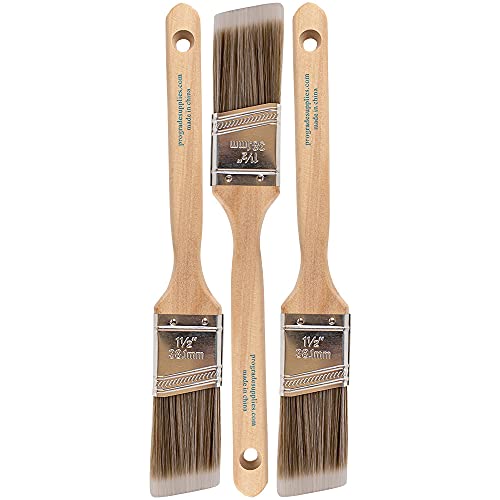
At 1.5 inches, this set sits in a middle ground between precision and coverage. The head is wide enough to handle a stretch of baseboard or chair rail quickly, but narrow enough to navigate around outlet covers and door hinges without taping everything off.
Owners running through an interior repaint tend to reach for this size more than any other. Three brushes in the pack means you can dedicate one to white trim, one to wall color, and keep a clean spare ready without breaking for a wash.
Where It Excels
- 1.5-inch size balances coverage and detail for everyday trim work
- Thick synthetic filament blend reduces dip frequency on long runs
- Wooden comfort grip handle stays steady through extended sessions
- Tapered bristle tips help maintain straight lines against ceilings and corners
Points To Note
- Not specialized enough for very fine craft or stencil detailing
- Slightly less control than a 1-inch brush in the tightest spots
Made For
Homeowners painting a full room with mixed trim widths who want one brush size that handles most edges without swapping tools.
Another Choice May Suit
For overhead ceiling lines on a tall wall, the BANCOO RSL43 Paint Edge Trimmer uses a guide wheel to ride along the corner and takes the wobble out of long horizontal cuts.
A pad painter works differently than a bristle brush, and that difference matters along long edges. The guide wheels roll along the ceiling or baseboard while the pad lays a strip of paint parallel to the corner. For anyone whose hands shake during overhead cutting-in, that mechanical guide removes the wobble factor.
The included replacement pads mean a fresh applicator stays ready when the first one loads up with paint. A rotatable handle adjusts to the angle you need, which helps when switching between horizontal ceiling edges and vertical wall corners in the same room.
What It Does Well
- Guide wheels ride along corners for steady, straight edges without tape
- Rotatable handle adjusts to any angle for ceiling, wall, and baseboard work
- Two replacement pads extend the tool’s useful life across multiple rooms
- Pad design lays down paint quickly along long edges
Honest Caveats
- Pad surface can leave a slightly textured edge compared to angled brush bristles
- Wheels require a clean corner track to glide smoothly; rough or peeling paint may catch
Who Will Love This
DIYers repainting a room with long ceiling or baseboard lines who want straighter results without taping off every edge.
Look Elsewhere When
You’re working on detailed moldings or curved trim where a bristle brush conforms better. The Pro Grade 1.5 Inch Angled Paint Brush Set handles that kind of varied profile work.
Two of each size in a single box, which is the kind of practical setup that makes sense for a whole-house refresh. You can stage one brush per size for cutting in and keep the duplicates loaded with wall color for broad trim passes. Nothing fancy about the construction, but the angled bristle design does the job on most interior projects.
Wooden handles feel familiar in the hand and balance well for users who prefer a traditional grip. For shared spaces where multiple people are painting, having extras on hand keeps the project moving when one brush needs a deeper clean.
Notable Upsides
- Six brushes cover an entire project without stopping to wash between color changes
- Three sizes handle everything from outlet edges to wide baseboard runs
- Angled bristle design works for cutting in and trim coverage alike
- Wooden handle offers a familiar, balanced grip for traditional brush users
Small Caveats
- Synthetic bristle quality is mid-tier, so very heavy use may show wear faster than premium picks
Quick Facts
Perfect Match For
Families or roommates sharing a repaint who need multiple brushes in play at once without borrowing back and forth.
Swap It Out When
You’re a contractor running daily jobs who needs a more durable, repeatable bristle. The Wooster Q3211 2-inch in the 12-pack is built for that workload.
Fitch brushes are the secret weapon for line work that has to look hand-painted rather than rolled. The slanted bristle tip acts almost like a calligraphy nib, drawing a controlled stroke that follows a corner or a stencil edge with very little bleed. For craft projects, mural work, or fine trim where a wider trim brush would smother the detail, this kind of head earns its place.
Two of each size in the pack, which is generous for a specialty tool. Most people reach for the half-inch or three-quarter-inch most often, but having a one-inch fitch on hand for slightly broader accent lines rounds out the set.
Real Benefits
- Micro-tipped synthetic bristles create sharp, controlled lines for stencil and craft work
- Slant profile mimics a lettering nib for freehand detail work
- Six-pack includes two of each size for backup and color separation
- Compact head reaches into tight corners where larger trim brushes cannot
Points To Keep In Mind
- Not designed for large wall areas; using one for broad coverage is slow and inefficient
- Requires a steady hand, so first-time users may need a few practice strokes
Who Should Grab It
Crafters, muralists, and homeowners doing decorative stenciling or detailed accent lines where standard trim brushes feel too blunt.
Where A Sibling Pick Shines
For straight, room-length edges around ceiling and trim, the BANCOO RSL43 Paint Edge Trimmer covers more ground in less time.
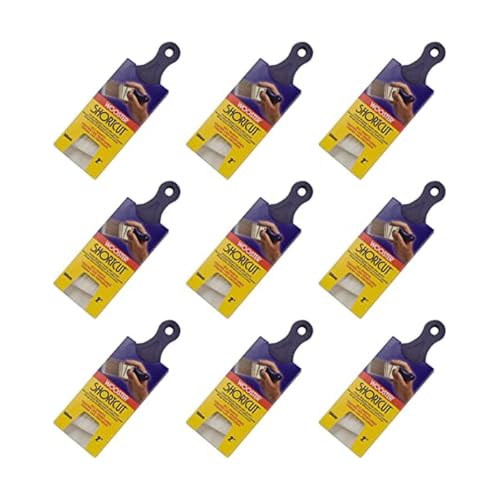
Twelve brushes in a single box is a lot, unless you’re the person running a renovation crew or staging a property. For a contractor or property manager, that quantity means each room can have its own brush ready to go without cross-contamination between jobs. The 2-inch head with the shortcut handle delivers the same control as the 3-pack above, just at a scale that suits repeat use.
The synthetic bristle blend and brass-plated ferrule hold up through daily washing. For homeowners doing a single room, the 3-pack version of the same brush is the more practical size; this 12-pack is built for volume.
The Good Stuff
- Bulk quantity suits contractors, property managers, and high-volume projects
- Shortcut handle design keeps control tight in sash and window areas
- Brass-plated ferrule resists rust through repeated cleaning cycles
- Synthetic bristles work with all common paint and stain types
A Few Limitations
- Too many brushes for a one-time homeowner project; the 3-pack is the better fit for casual use
- Storage space matters when twelve brushes need to dry between sessions
Built With In Mind
Professional painters and property maintenance teams who cycle through brushes faster than a weekend DIYer would.
Reach For A Different Pick When
You’re refreshing a single bedroom. The Wooster Q3211-2 3-pack offers the same brush design without the surplus inventory to store.
What To Weigh Before Picking Your Cuttings In Paint Brush
Bristle Material And Shape
Synthetic bristles are the modern default for water-based paints, and they hold their shape well after rinsing. A synthetic blend offers a balance of stiffness for control and softness for a smooth finish. The angled sash shape, where bristles are cut at a slant, lets the heel ride the wall while the tips draw the line against trim, which is the geometry that makes cutting in manageable without tape.
Handle Length And Grip Style
Longer handles give leverage for full-arm strokes on a wall, but they feel clumsy in tight corners. Shorter handles, like those on the Wooster Shortcut, keep the brush close to the work surface for better control in window sash areas. Wooden handles feel traditional and balanced, while rubberized or textured grips reduce hand fatigue during longer sessions.
Size And Pack Quantity
The width of a brush head changes how you work. One-inch and smaller heads excel in tight spots like outlet covers. A 1.5-inch or 2-inch head handles most trim work efficiently. A 3-inch head speeds up wider runs but loses precision in corners. Multi-pack options reduce downtime between color changes but only make sense if you actually use that volume.
Smart Notes Before You Buy
Pitfalls Shoppers Hit
The most common error is grabbing a brush that’s too wide for the job. A 3-inch head in a tight corner simply cannot lay a clean line, and no amount of steady hands fixes that geometry. Another trap is buying a multi-pack of cheap brushes when one quality brush would do the work better. The reverse also applies: a single premium brush for a five-room repaint means constant rinsing that interrupts the workflow.
Where The Extra Money Goes
Higher-tier brushes typically feature denser bristle packs, better ferrule construction (the metal band that holds bristles to the handle), and filaments that hold their shape longer. The upfront cost is steeper, but the brush maintains its performance across more projects. For occasional DIY use, mid-tier brushes deliver acceptable results. For contractors or homeowners who paint often, the upgrade pays back through durability and a cleaner finish over time.
Frequently Asked Questions
What size brush is best for cutting in paint?
A 1.5-inch to 2.5-inch angled sash brush handles most interior cutting-in work. Smaller sizes work for outlets and narrow trim, while wider sizes cover baseboard and door frames more quickly.
Are synthetic or natural bristles better for cutting in?
Synthetic bristles work well with water-based latex paints, which are the most common interior choice today. They rinse clean, hold their shape, and cost less than natural hog hair, which is typically reserved for oil-based finishes.
How do I keep a trim brush from leaving brush marks?
Load the brush with enough paint to lay a continuous line, then work in steady single strokes rather than back-and-forth scrubbing. Tapered bristle tips and quality filament blends reduce the streaking that cheap brushes leave behind.
Can I use the same brush for latex and oil-based paint?
It is best to dedicate brushes to one paint type. Switching between latex and oil-based products on the same brush can cause cross-contamination and affect finish quality, even with thorough rinsing.
How long should a good cutting-in brush last?
With proper cleaning after each use, a quality synthetic brush can last through several full-room projects. Bristle shape and ferrule integrity are the signs to watch; once bristles splay permanently or the ferrule loosens, replace the brush.
Wrap Up
The right brush for your project depends on the scale of the trim work and how often you paint. A 2-inch angled sash handles most homeowner scenarios well, while specialty fitch brushes and pad edgers earn their place on specific tasks. Match the brush size and shape to the corners and edges in front of you, and the lines will look like the room was painted by someone who does it every day.
